
Reviewed · SCHINDLER'S FACTORY TOURS
Schindler’s Factory Museum Guided Tour – Krakow
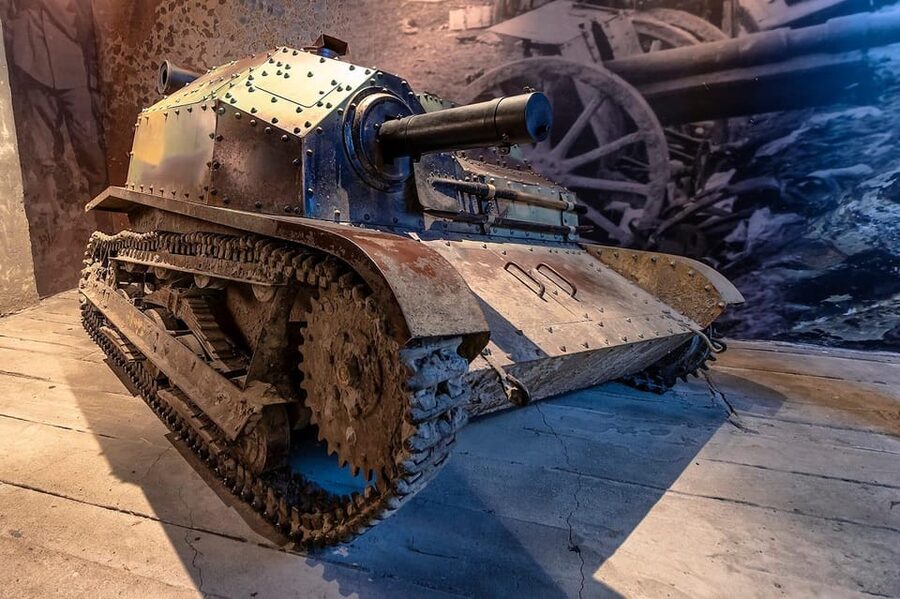
A visit to Schindler’s Factory in Krakow is interesting because it turns a well known WWII story into lived in, street level history you can walk through. The museum uses rooms, objects, and staged scenes to show what occupation did to everyday life, not just big dates and headlines.
I especially like the professional live commentary, which helps you connect the artifacts to what was happening in Krakow from 1939 to 1945. I also like how the exhibition mixes individual stories with the wider city picture, so the tragedy never feels like a distant movie.
One possible drawback is the museum’s pace. In a 90 minute group tour, you’ll see a lot, but it can feel fast if you want to read every label slowly or linger on every multimedia moment.
Key highlights worth knowing
- Live guide narration ties the museum scenes to the story of occupied Krakow
- Tram, ghetto, and apartment settings help you picture daily life under pressure
- Hands on style displays and multimedia make the history feel immediate
- Oskar Schindler’s story appears as part of the city’s wartime complexity
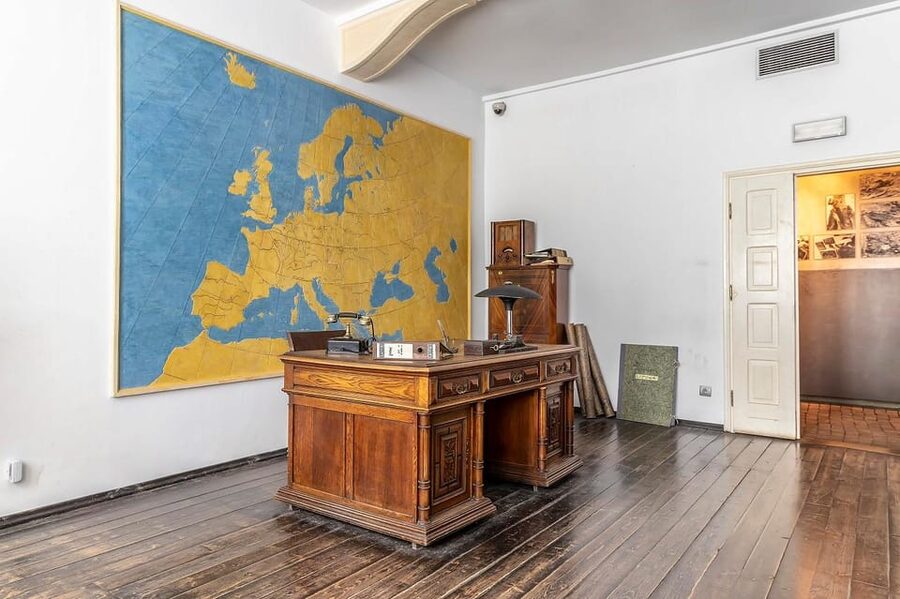
- The preserved office and Ark of Survivors connect survival to the factory’s real products
- Skip the ticket line, so you start with less waiting and more time inside
Why this guided museum works so well in Krakow
Schindler’s Factory is one of those places where you really do want a guide. The museum is strong on artifacts and storytelling, but the guide gives the missing thread that makes it all click: how people lived, what rules shaped their days, and how the factory world fit into Krakow’s wartime reality.
This tour is also a smart use of time. You get a full 90 minutes with an actual person explaining what you’re seeing, instead of guessing your way through rooms that are emotionally heavy. And because it’s a group tour, you’re not paying for private pacing, you’re paying for clarity and context.
Finally, it’s not just Schindler the hero. The exhibition presents tragedy in individual and collective dimensions, plus the everyday life of occupied Krakow. That balance matters, because it keeps the story from becoming too simple.
More Schindler's Factory tours to compare:
- Krakow: Oskar Schindler’s Factory Entry Ticket & Guided Tour
★ 4.2 · 3,793 reviews - Krakow: Schindler’s Factory Tour with Entrance Ticket
★ 4.5 · 3,182 reviews - Krakow: Schindler’s Factory Skip-the-Line Ticket
★ 4.4 · 3,105 reviews
Entering Oskar Schindler’s Enamel Factory, and finding your group fast
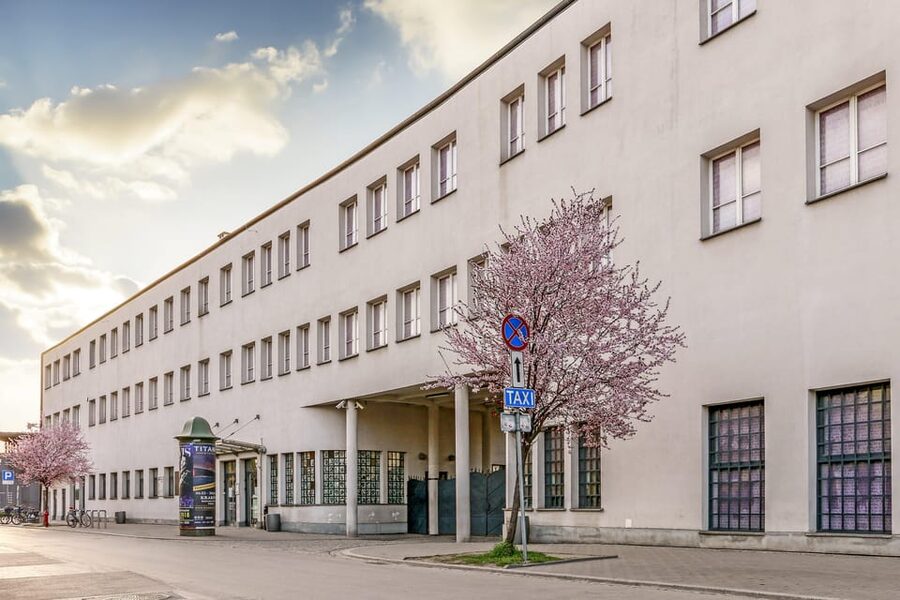
You’ll meet in front of the museum at the Oskar Schindler’s Enamel Factory, and you should look for a person holding an excursions.city sign. This is one of those practical details that saves stress, especially in Krakow where streets and entrances can feel like a maze when you’re tired.
From there, you’ll enter with a group format and a ticket that helps you skip the ticket line. That matters here because you’ll want your energy for the rooms ahead, not for waiting outside.
Inside, the tour centers on the permanent exhibition in the former enamel factory space. The building itself has weight, and the guide will help you read that weight correctly, without turning the experience into a dramatic performance. (Yes, the topic is dramatic. No, you don’t need a guide who adds extra drama.)
The 90-minute flow: how the tour builds the wartime story
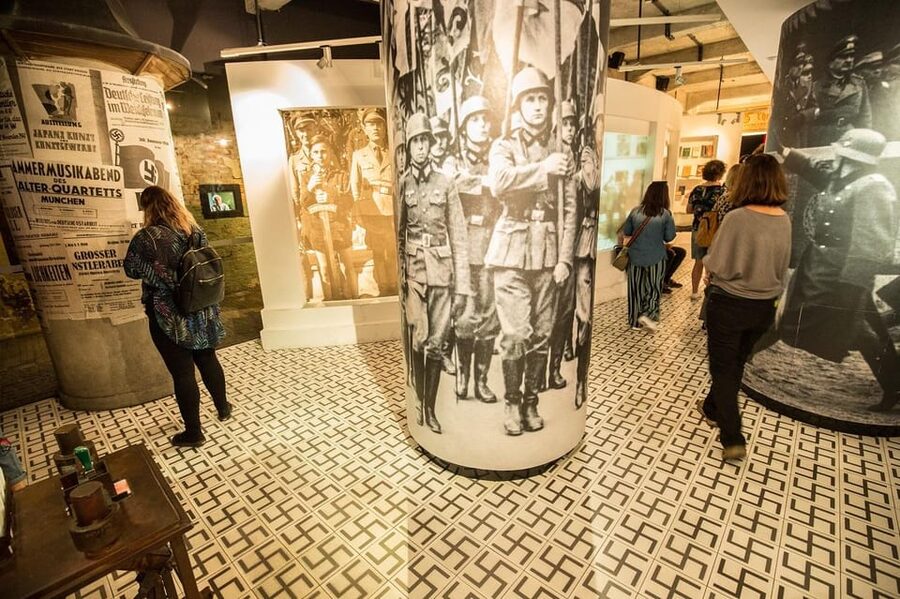
The route is designed like a timeline that keeps returning to ordinary life. You start in the factory related setting, then you shift into scenes that represent the city’s wartime neighborhoods and systems.
Expect to move through several themed stops, each one sharpening a different angle:
- You’ll visit parts of the exhibition that represent people at work and the culture of images and production.
- You’ll then move into a staged experience of occupied life, including a tram style scene with film windows.
- Next comes the tightly built ghetto labyrinth with a Jewish apartment setting.
- And later, you’ll transition toward the camp in Płaszów as part of the broader wartime picture.
- Throughout, the exhibition also keeps Oskar Schindler’s figure present as part of Krakow’s complicated history.
The upside is you get a guided “story map.” The downside is you’re not meant to slow down for every label. If you’re the kind of traveler who reads every line, plan on coming back later on your own.
“Ordinary objects” are the secret language of this museum
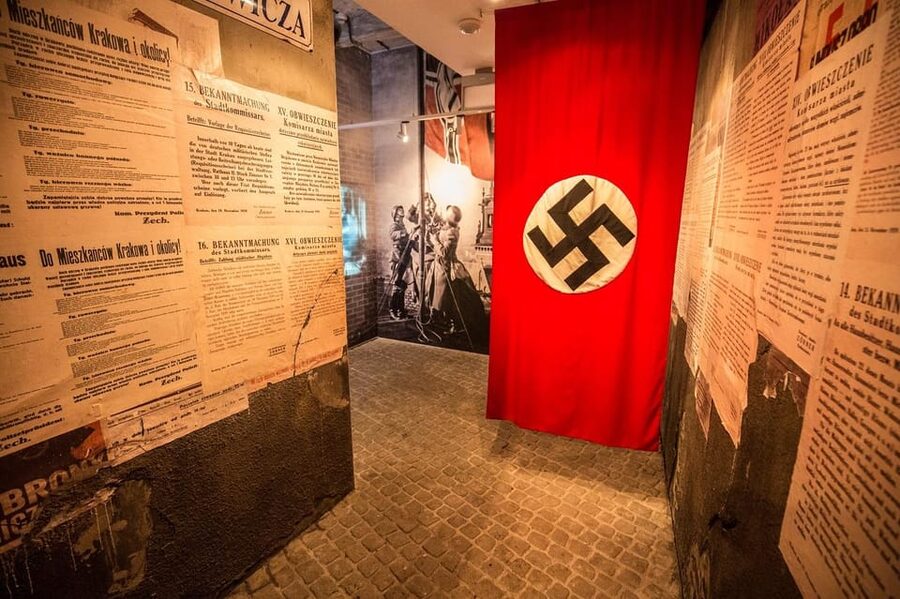
One of the most effective things the museum does is use daily objects, photos, and documents to show what occupation changed. This is not just an exhibit about suffering. It’s also about the small, mundane things people handled, saved, traded, and lost while they tried to live.
The exhibition includes:
- photographs and newspapers from the era
- personal and official documents
- artifacts and multimedia treatments
What the guide helps you do is connect those items to the lived experience of wartime Krakow. You’ll often see how a document or an object signals a system, like who had power, who had permission, and who didn’t.
I like this approach because it gives you more than emotion. It gives you evidence you can point to while you think. And when you leave, you remember details that feel real, not just general impressions.
More museum tours in Krakow:
- Auschwitz-Birkenau Museum and Memorial Guided Tour from Krakow
★ 4.5 · 1,510 reviews - Krakow: Rynek Underground Museum Guided Tour
★ 4.6 · 1,122 reviews - Krakow Schindler’s Factory Museum Guided Tour in English
★ 4.5 · 650 reviews - Krakow: Auschwitz Birkenau Museum Guided Tour with Pickup
★ 3.6 · 544 reviews
Meeting the photographer, the tailor, and the culture of making images
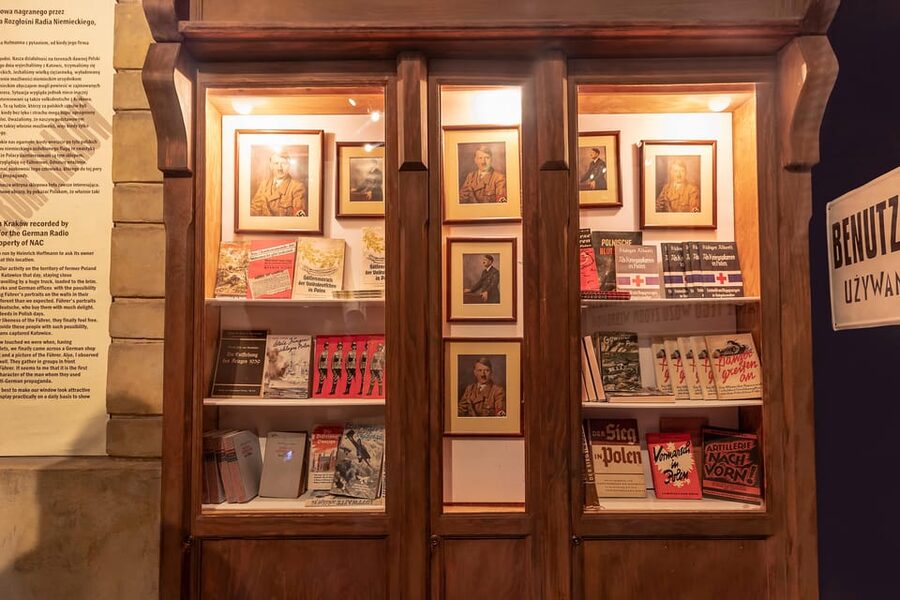
A standout part of the tour is how it builds scenes around work and representation. You’ll move through an area that includes a photographer and a tailor, and then you’ll see an authentic photo artist setting.
Why this matters is simple. War doesn’t only destroy buildings. It changes who gets to work, what people are allowed to see, and how records are made. In a museum like this, images are not neutral. The guide helps you understand what those images signaled in their time.
If you’re the type of traveler who loves visual storytelling, this section will feel especially relevant. Even when the topic is dark, you’re learning how people captured the world around them and what that meant during occupation.
The tram window film: a quick way to feel the city moving
Another memorable moment is the tram style experience. You’ll get on a tram inside the exhibition, and through the windows you can see film of the city’s life.
This isn’t a random film loop. It’s a method for changing your mental camera. Instead of reading about the past, you shift into a moving viewpoint, like you’re watching Krakow with your own eyes.
You’ll likely notice that the film does two jobs at once:
1) It reminds you that daily life existed before it was crushed.
2) It shows how the city kept functioning, even when people’s freedom was being reduced.
It’s one of those techniques that works fast, because your brain reads movement as reality.
The ghetto labyrinth and the Jewish apartment setting
Then comes one of the most intense parts of the route, the tight labyrinth of the ghetto with a Jewish apartment located there. The guide will walk you through the setting so it doesn’t feel like a generic reenactment.
This is where the museum’s design choices really matter. Narrow space and staged rooms force you to slow down mentally, even if you’re moving physically. The apartment setting helps you understand that families lived inside systems designed to break them.
If you’re sensitive to emotionally heavy environments, this section is where you might want to be ready. I’d recommend you go with the mindset that the point is comprehension, not shock.
And if you’re traveling with anyone who struggles with heavy content, this is the part where you can quietly agree on a pace together. You’re in a guided group, so check in if someone needs an extra moment.
Płaszów camp scenes, and the way the museum connects dots
After the ghetto space, the tour moves you toward the camp in Płaszów as part of the exhibition’s larger narrative. The museum places these events within Krakow’s wartime story, rather than treating them as separate tragedies.
What I appreciate here is that the museum keeps reminding you of context. You’re not just seeing one location. You’re seeing a progression and a system that affected the city’s inhabitants over time.
This section also shows why the guide is key. Without commentary, it’s easy to get lost in what each room is trying to communicate. With a guide, you get a clearer thread that helps you understand why each stop exists.
Oskar Schindler’s office and the Ark of Survivors made of pots
Even though Schindler’s Factory is not a biographical museum, the figure of Oskar Schindler is presented as part of Krakow’s wartime history. His role in saving over a thousand Krakow Jews is recalled in the exhibition.
You’ll see his preserved office in the factory’s administrative building. That office matters because it anchors the story in a real workplace setting, not just a dramatic legend.
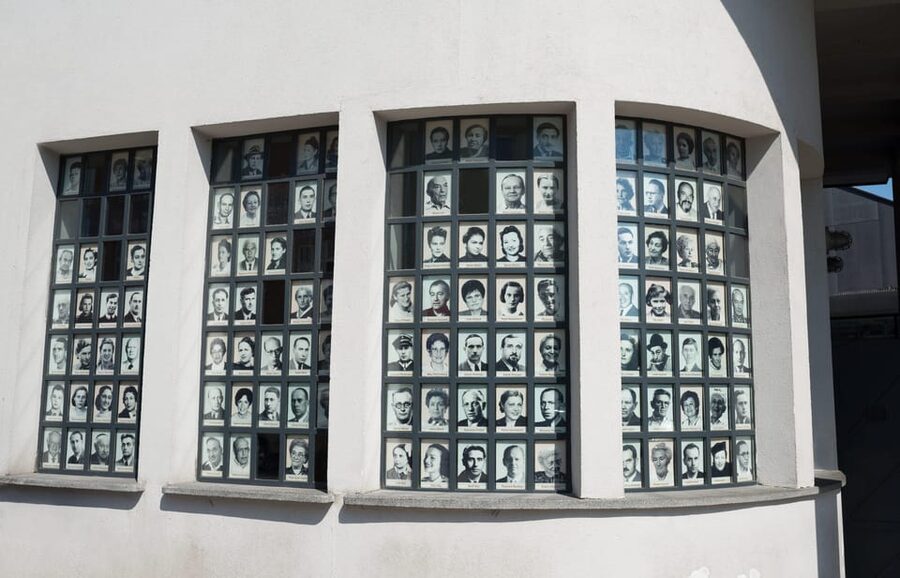
The tour also highlights a symbolic Ark of Survivors made of thousands of pots resembling those produced by his employees during the war. It’s an idea with a clear message: survival is tied to labor, risk, and human choices inside an industrial world.
I like this detail because it brings you back to material reality. The museum doesn’t treat the factory as a backdrop. It treats it as part of the mechanism of wartime life, and part of the reason some people survived.
Professional live commentary in multiple languages, and what that means for you
The guide is part of what you’re paying for. The tour includes live commentary in English, French, German, Italian, and Spanish, and it’s designed as a group experience.
That language range is practical. If you know only one of those languages well, you still have a chance to understand most of the story without relying on guesswork. And if you’re traveling with someone who speaks another listed language, you can coordinate more easily.
Also, because this is live narration, the guide can point out what to notice in each room. That’s the difference between a museum you pass through and a museum you actually process.
Price and value: is $50 worth it for 90 minutes?
At $50 per person for a 90 minute guided tour that includes both the professional guide and the museum entrance ticket, you’re paying for two things you’d otherwise have to handle separately.
Here’s how I’d judge the value:
- You’re not just buying access to the museum. You’re buying someone’s time and explanation that helps you understand what you’re seeing.
- The museum’s themes are dense, and the route is structured. Paying for a guide reduces the chances you’ll miss the key connections.
- The duration is long enough to matter, without dragging on endlessly.
If you’re comfortable reading and researching on your own, you might be fine with a self guided visit. But if you want the experience to make sense quickly and you want to focus your attention on what matters, the guided format is the better deal.
And since the tour includes a skip the ticket line feature, you’re not spending your “best energy hours” in queues.
Who this tour suits best, and who may want a different pace
This is a strong fit if you:
- want an organized way to understand Krakow during WWII
- like context and explanation, not just quiet museum time
- prefer a group structure with guided timing
- want a route that covers multiple key exhibition sections in one sitting
It may feel less ideal if you:
- need lots of time to read every label slowly
- get overwhelmed by emotionally intense spaces and want total control over pacing
- prefer an entirely self directed visit where you can stop and start freely
The tour is wheelchair accessible, which is also an important practical point for many visitors. If you’re bringing someone who needs accessible routes, the guided format can reduce uncertainty once you’re inside.
Practical tips so you get the most from the rooms
A few small habits make a big difference in a museum like this.
First, keep your expectations clear: you’re seeing a lot in 90 minutes. Don’t try to remember everything perfectly. Focus on the main connections the guide is building, like how the exhibition links objects, daily life, and wartime systems.
Second, be ready to pause during the more intense sections. The ghetto labyrinth and Płaszów themed areas are not light content. If you feel yourself rushing, remind yourself to slow down mentally, even if your body is moving with the group.
Third, bring ID. The museum uses personalized tickets, and you must provide full names of all participants when reserving and bring a passport or ID for entry. If you forget, entry can be denied.
Should you book Schindler’s Factory Guided Tour in Krakow?
Book it if you want to understand Krakow in WWII through a guided path that connects everyday objects, staged city scenes, and the factory story into one coherent experience. The live commentary is the difference-maker here, and the $50 price feels reasonable for a guided museum entry that lasts 90 minutes and covers the exhibition’s major sections.
Skip it only if you already plan to do extra museum time on your own, and you know you prefer reading independently with no group pacing. Otherwise, this is a smart, high impact way to tackle one of Krakow’s most important historical stops with your attention properly guided.
FAQ
Where is the meeting point for the Schindler’s Factory guided tour?
You meet in front of the entrance to the museum, the Oskar Schindler’s Enamel Factory. Look for the person with an excursions.city sign.
How long is the guided tour?
The tour lasts 90 minutes.
What languages are the live guides offered in?
Live commentary is available in English, French, German, Italian, and Spanish.
Is this a group tour?
Yes, it is a group tour.
Do I need tickets in advance, and is there a ticket line to wait in?
You’ll have an entrance ticket included, and the tour includes skip the ticket line.
Do I need to bring my passport or ID?
Yes. Because the museum uses personalized tickets, you must provide full names of all participants when reserving and bring a passport or ID for entry.
Are start times fixed?
Duration is 90 minutes, and starting times depend on availability. From January 1, 2026, times are approximate and may change due to the museum’s scheduling, so the exact time is not guaranteed even if you choose a preferred time.
Can I cancel or get a refund if my plans change?
Free cancellation is available up to 24 hours in advance for a full refund. The booking also supports reserve now, pay later.
Recently reviewed around Krakow
- Wawel Castle and Cathedral Guided Tour★ 4.6 · 44 reviews
- Walking Tour: Kazimierz, Jewish Quarter – 2-Hours of Magic!★ 4.7 · 35 reviews
- Wawel Castle and Cathedral Guided Tour★ 5.0 · 8 reviews
- Kraków Holocaust Tour★ 4.9 · 5 reviews
- Wadowice and Kalwaria: John Paul II Route★ 4.8 · 5 reviews
- VIP Club Entry and Booth Booking★ 5.0 · 4 reviews
- Walking Tour of Krakow: Old town – 2-Hours of Magic★ 4.7 · 5 reviews
- Krakow: Zakopane, Thermal Baths and Gorce Park Treetop Walk★ 5.0 · 3 reviews