
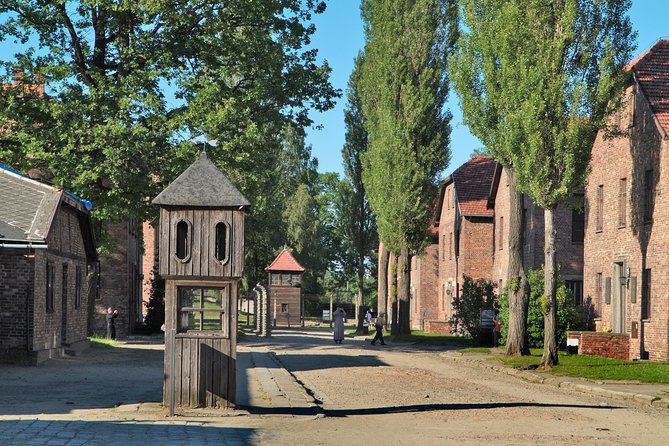
Reviewed · AUSCHWITZ-BIRKENAU MEMORIAL VISITS
Auschwitz-Birkenau Museum and Memorial Guided Tour from Krakow
Few trips from Krakow hit as hard as Auschwitz and Birkenau, and doing it with a live guide turns a heavy visit into something you can actually follow and remember. You get the full arc of the site, from how the camps operated to the memorials where the victims are honored.
One thing to think through: the day is long and emotionally intense, and the ride can feel tight in some vehicles, with limited time to pause and reset.
Key things that make this tour worth your time
- Small-group feel (max 30 travelers), which helps the guide keep control of the pace.
- Headsets included, so you can hear your guide clearly even when the group moves.
- Pickup in Krakow plus air-conditioned transport, which saves you the hassle of planning transit.
- A guided pass through Auschwitz I and Birkenau, with time focused on memorial areas, not just photos.
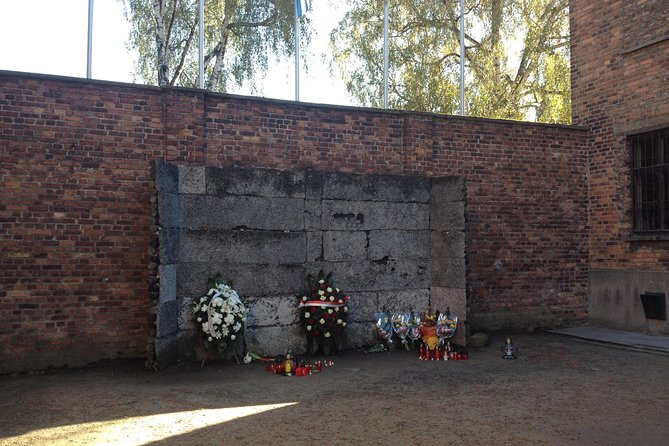
- Respectful, structured moments, like quiet reflection in specific locations people highlight, including Block 11.
- On-board WWII documentary, which helps you get your bearings before you reach the gates.
Auschwitz and Birkenau from Krakow: what you are really buying
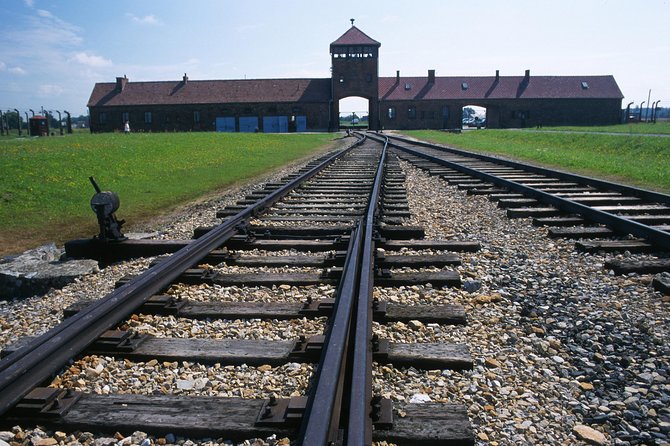
This is a guided day trip from Krakow to the Auschwitz-Birkenau Museum and Memorial, covering both major parts of the complex. The practical value is not just the transport. It is the way a good guide helps you understand what you are seeing, where to look, what you should not rush, and how the story connects across Auschwitz I and Auschwitz II (Birkenau).
At about $83.44 per person, the price starts to make sense when you factor what is included: round-trip transportation in an air-conditioned vehicle, a local live guide, headsets, and admission ticket access. You are also getting a day that is designed around the complex’s rules and flow, which matters because timing inside these sites is not something you can improvise.
The emotional value is harder to price, but it is the main reason people rate this experience so highly. In particular, I like tours that treat the camps as memorials, not a checklist. The best moments on this kind of trip usually come from the guide setting a respectful tone and keeping the pacing humane. One guide style that stood out in feedback involved leaders like Mikael, who led very intentional reflection moments near Block 11, and guides like Tomas and Patrycja, who kept the information factual and grounded while staying mindful of the setting.
More Auschwitz-Birkenau memorial visits from Krakow:
- From Krakow: Auschwitz-Birkenau Guided Tour & Hotel Pickup
★ 4.5 · 33,358 reviews - From Krakow: Auschwitz-Birkenau Guided Tour & Hotel Pickup
★ 4.5 · 29,340 reviews - Krakow: Auschwitz Guided Tour with Optional Hotel Pickup
★ 4.5 · 15,280 reviews
Pickup, schedule, and why the day can feel like a sprint
You start with pickup at select Krakow hotels, or you meet at the tour’s main departure area. Return drop-off brings you back to central Krakow at 2 Wielopole Street, so you are not stuck figuring out transit at the end.
There are a few schedule realities you should plan around:
- Your departure time is tentative. You receive the exact pickup time by message until the evening before.
- Departures run in a morning window. That means you can end up with an early start, especially if you pick an earlier time slot.
- This trip is built to last about 7 hours total.
Inside the rhythm, there is usually a documentary shown on the vehicle while you travel toward Oswiecim. I like this approach. It reduces the mental gap between Krakow life and what you will face at the gates, and it makes your first steps feel less random.
One drawback to know upfront is the potential for discomfort and fatigue. Some people report tight seating on the minibus for the return and outward drive. You can help yourself by choosing a seat that lets you stretch a bit, if the operator allows it. Also remember that your energy matters more than you think, because you will walk, stand, and read in emotionally heavy spaces.
Finally, timing can affect how much you see at the end of the day. If you arrive later or the schedule runs long, the guide may have to work within museum time rules, and some parts may get less attention. The good news is that a strong guide still keeps the essential story clear and respectful.
The ride to Oswiecim: getting context before you cross the gates
The drive out of Krakow is where the tour starts shaping your experience. You are not just transported. You are prepped.
You will watch a WWII and Nazi Holocaust documentary during the ride. For many people, this is the difference between feeling lost among exhibits and understanding what you are looking at when you arrive. It also helps if you come with only basic knowledge. You will still want to read carefully and listen actively, but you will not feel like you are starting from zero.
This is also where the headset system makes life easier. Headsets are included, so even in busier stretches of the day, your guide’s narration stays clear.
If you are sensitive to information overload, pace yourself mentally on the drive. Treat it like the opening chapter. Do not try to process everything at once. Instead, focus on what you want to notice first: the camp infrastructure, the prisoner system, and how Auschwitz and Birkenau changed over time.
Auschwitz I: gates, prison blocks, and what the tour helps you notice
The heart of the itinerary is the visit to Panstwowe Muzeum Auschwitz-Birkenau, covering the twin camp system, usually organized around Auschwitz I and Auschwitz II (Birkenau). Admission ticket access is included, and the guided time at the museum is substantial.
At Auschwitz I, you will enter through the famous gate inscription Arbeit Macht Frei and then move into the camp areas. The guide’s job is crucial here. Auschwitz I can feel like a maze of buildings and details, and without direction you may rush past what matters.
Expect to spend time around:
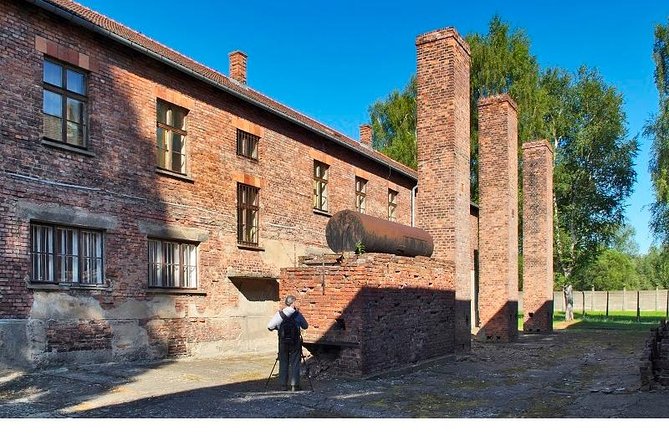
- Crematorium areas and parts connected to mass murder
- Exhibitions inside the older prison blocks
- Locations connected to the camp’s guards and control systems
A major strength of this tour format is that it connects the mechanics to the human story. The guide is expected to trace individual prisoner experiences and explain how the camp functioned, not just what it looked like. People specifically praise the way guides keep the tone sensitive. They also mention that good guides keep the focus on remembrance rather than turning it into a photo moment.
One practical consideration: the early part of the visit includes covered areas, but you should still plan for lots of standing and reading. Wear shoes you trust. Even if some blocks have shelter, you will spend time on your feet, and your body will feel it by mid-morning.
More museum tours in Krakow:
- Krakow: Rynek Underground Museum Guided Tour
★ 4.6 · 1,122 reviews - Krakow Schindler’s Factory Museum Guided Tour in English
★ 4.5 · 650 reviews - Krakow: Auschwitz Birkenau Museum Guided Tour with Pickup
★ 3.6 · 544 reviews - Museum of illusions Entry Ticket
★ 4.5 · 521 reviews
Birkenau (Auschwitz II): the outdoor memorial walk and how it hits
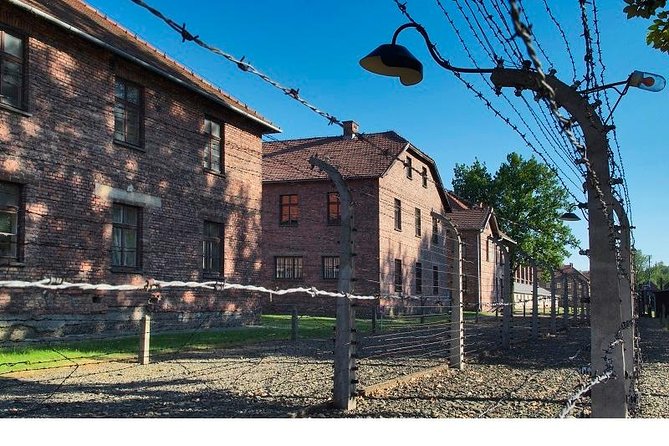
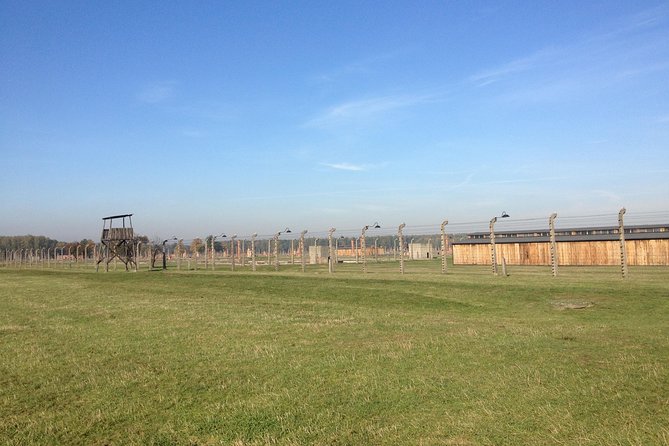
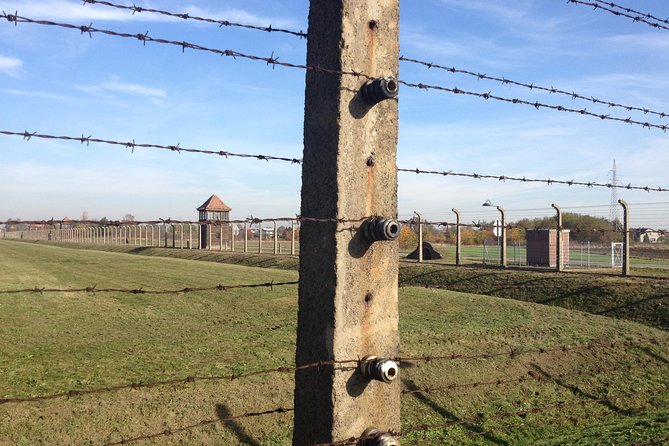
If Auschwitz I can feel like you are walking through a preserved administrative and detention environment, Birkenau hits in a different way. Birkenau is more open, more exposed, and built for you to grasp the scale.
At Birkenau, you will walk past key features tied to the camp’s operation, including:
- Watchtowers and fences where guards stood
- Crematorium-related locations
- Memorial areas marking the victims
The most powerful part for many people is the sense of space and distance. It is hard to explain until you are there, but the outdoor layout makes it easier to understand how mass killing could be carried out systemically.
In feedback, people highlighted that a good guide might encourage you to treat this as a memorial walk, not just a route. That is exactly what you want. The guide often sets moments of silence or structured reflection, including references to a quiet break near Block 11 led by Mikael in one reported experience. Even when you do not get the same exact moment, you should expect a respectful pacing.
Here is a real-world consideration: because Birkenau is largely outdoors, weather becomes part of the experience. If you go in summer, bring sun protection. People strongly recommended sunglasses, a hat, sunscreen, and even a small fan. If it rains, a compact umbrella can save your comfort. You do not want your focus on the past to get hijacked by your discomfort in the present.
Also expect fatigue. Some people report that the day can feel rushed or that later parts can be shortened if the schedule tightens. To protect yourself, go in with the mindset that this is not a leisurely museum day. It is a guided memorial experience where the key is listening and noticing what matters most.
Guides, headsets, and the small details that make it feel respectful
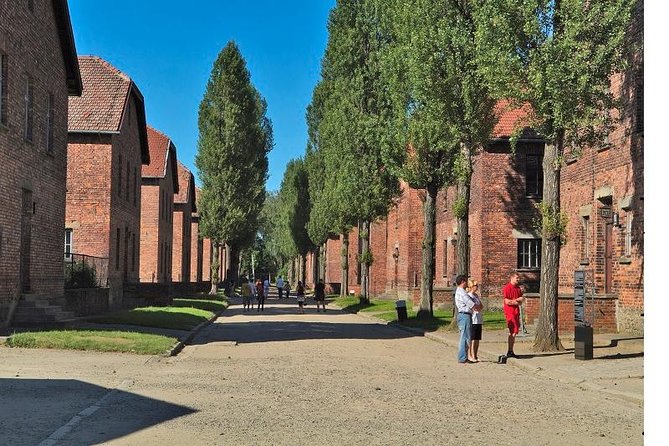
This tour stands or falls on the guide. And in feedback, the best experiences are very consistent: guides are praised for being informative, answering questions, and keeping the content factual while honoring the setting.
You might run into guides like Andrew, Magda, Pawel, Tomas, Patrycja, George, Micheal, or Mikael. It is a strong sign that multiple guides across different tours earned the same kind of praise. What I look for in a guide at Auschwitz is not performance. It is clarity, respect, and control of the group so people do not become distractions.
The included headsets help with clarity. When the group moves from indoor rooms to outdoor spaces, it is easy to lose audio and miss details. Headsets reduce that risk and help you stay engaged.
Another small but important element is how the guide handles silence. Several people mentioned deliberate quiet moments, including a planned pause of about three minutes near Block 11. That kind of structure helps you process what you are seeing. It also prevents the day from turning into chatter.
And finally, there is the transportation support. People highlighted that drivers helped keep the ride organized, including feeling safe and comfortable during the commute. That matters on a long day when you do not want logistical stress to add to emotional stress.
What to bring: comfort, time, and respect in one checklist
This visit demands a lot from your body and your attention. You can make it easier on yourself with a few prep steps.
Bring:
- Comfortable walking shoes for long distances and uneven surfaces
- Sun protection in warm weather: hat, sunglasses, sunscreen, and a small fan if you like
- Water and snacks, because food and drinks are not included
- A picture ID, since some visitors specifically advised having it on hand
Plan for limited food access. Feedback notes that the break time can be short, and that there may be limited opportunity to buy food. One person specifically warned that buying on-site can be pricey compared with normal local costs, and suggested picking up snacks ahead of time if you need a solid option.
Also think about what you wear. The camps require respectful behavior. People advised dressing appropriately and avoiding overly revealing clothing. That is less about comfort and more about keeping the atmosphere dignified.
Lastly, mentally plan for the pace. Some people say parts can feel rushed, or that the guide may have to skip sections if the timing gets constrained. If you are someone who likes to read every sign, arrive early on the day schedule you choose. If you are more sensitive to overwhelm, you may prefer fewer photos and more listening.
Price and value: what $83.44 buys you in the real world
Let’s be honest: $83.44 is not cheap for a day trip. But it can be fair value when the inclusions match what you actually need for Auschwitz-Birkenau.
In this case, you are getting:
- Air-conditioned transport from Krakow
- Local live guide
- Headsets
- Admission ticket
- A structured day that covers both Auschwitz I and Auschwitz II
If you tried to do this on your own, you would still need transport, tickets, and a way to get a coherent story across both camp sections. The guide is what turns the trip from seeing buildings into understanding how the system worked and why these places are now memorials. That is especially important because the site is vast and easy to misunderstand if you just walk.
The group size cap helps too. With a maximum of 30 travelers, you are more likely to stay together and keep the pace under control.
So the value question is really: do you want a guide steering the day, with audio support and a plan that follows the museum flow? If yes, the price is reasonable for a trip that is heavy and logistically demanding.
Should you book this Auschwitz and Birkenau tour from Krakow?
If you want a guided Auschwitz-Birkenau day that is organized, respectful, and includes the key supports you need, I would book it. This is the kind of experience where a live guide, plus headsets, plus an efficient pickup and drop-off can make the difference between frustration and clarity.
Book it if:
- You want Auschwitz I and Birkenau in one day with a structured narrative
- You prefer not to wrestle with transportation and timing on your own
- You like the idea of learning while keeping a memorial tone
Think twice if:
- You have low tolerance for long days and lots of walking
- You are very sensitive to limited breaks and tight seating
- You are the type who needs a slow museum pace, since time and museum regulations can affect how much you absorb
If you do book, protect your comfort and your attention. Bring water and sun protection, wear good shoes, and plan to let the day unfold. You will come away educated, shaken, and aware of why so many people call this a must-do visit.
FAQ
How long is the Auschwitz-Birkenau Museum and Memorial guided tour from Krakow?
The tour lasts about 7 hours.
What is the price per person?
The price is $83.44 per person.
Is hotel pickup offered?
Yes, pickup is offered from selected Krakow hotels. If you choose pickup, the pickup time is typically 30-40 minutes before departure.
Where is the meeting point, and where do you get dropped off?
The meeting point listed is at 7 Powisle Street at the bus park opposite the Sheraton Grand Krakow hotel. Drop-off is in central Krakow at 2 Wielopole Street.
What is included in the tour price?
Transportation in an air-conditioned vehicle, a local live guide, and headsets to hear the guide clearly are included. Admission ticket for the Auschwitz visit is also included.
Is the tour offered in English?
Yes, the tour is offered in English.
What is the cancellation policy?
You can cancel for a full refund up to 24 hours before the experience start time. If you cancel less than 24 hours before, the amount paid is not refunded.
Recently reviewed around Krakow
- Krakow: City Golf Cart Tour and Schindler’s Factory Museum★ 5.0 · 4 reviews
- Krakow: City Sightseeing Tour by Shared or Private Golf Cart★ 4.4 · 21 reviews
- Krakow beer review with a local guide★ 5.0 · 4 reviews
- Kraków: Romantic Candlelight Chopin Piano Concert★ 4.9 · 8 reviews
- From Krakow: Chocholow Hot Springs Evening or Daytime Ticket★ 4.7 · 72 reviews
- From Krakow: Zakopane, Tatra Mountains & Thermal Baths Tour★ 4.9 · 52 reviews
- Kraków: VIP Candlelight Concert The Music of Fryderyk Chopin★ 4.8 · 8 reviews
- Krakow: Bottomless Brunch with 3-Course Meal and Drinks★ 3.8 · 30 reviews