
Reviewed · AUSCHWITZ-BIRKENAU MEMORIAL VISITS
Auschwitz-Birkenau Memorial and Museum Trip from Krakow
Auschwitz-Birkenau is interesting in the hardest possible way: it is history you cannot understand at a distance. You go from Krakow, get context before you enter, and then you walk the real grounds at Auschwitz I and Auschwitz II-Birkenau.
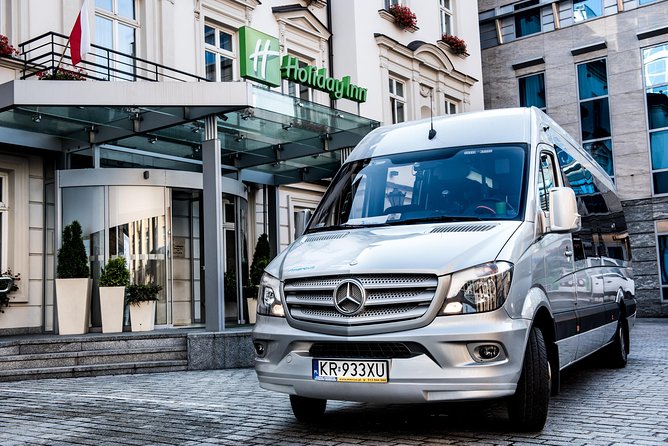
I like two things a lot here. First, the hotel pickup and drop-off saves you the stress of logistics on a long, emotional day. Second, you get an on-board documentary film before the museum stops you in your tracks.
The possible drawback is pacing. This is a group tour with a set museum program, and it can feel rushed for people who want more time to read, reflect, or ask questions.
Key things to know before you go
- Early start from Krakow means you arrive with the morning flow, and you avoid turning the day into a time sink.
- A 3.5-hour guided museum experience covers Auschwitz I and Birkenau in one organized sweep.
- A documentary on the bus helps you get the timeline straight before you see the sites.
- Small bag rules apply (30 x 20 x 10 cm), but you can leave items inside the parked bus.
- Headset/audio may vary depending on what the museum is able to provide on the day.
From Krakow to Auschwitz, and why the timing matters
This trip is built for one main goal: get you from Krakow to the camps without wasting daylight on complicated transit. It runs about 7 to 8 hours total, starting with pickup around 7:00 am. For many people, the early departure is a blessing. You arrive before the crowds fully thicken, and you still have time to finish the museum visit and get back to Krakow at a reasonable hour.
The day is also emotionally engineered in a smart way. You watch a history documentary during the ride, so when you step into Auschwitz I and Birkenau, you are not trying to piece together the “what, when, and how” on the fly.
There is one practical angle you should plan for: you will walk. The museum grounds are not built for a leisurely stroll. You need moderate physical fitness, flat shoes, and patience with lines, crowds, and the pace of a group.
More Auschwitz-Birkenau memorial visits from Krakow:
- From Krakow: Auschwitz-Birkenau Guided Tour & Hotel Pickup
★ 4.5 · 33,358 reviews - From Krakow: Auschwitz-Birkenau Guided Tour & Hotel Pickup
★ 4.5 · 29,340 reviews - Krakow: Auschwitz Guided Tour with Optional Hotel Pickup
★ 4.5 · 15,280 reviews
Price and value: what you get for about $93
At $93.16 per person, this is not the cheapest way to do Auschwitz, but it also is not overpriced for what is included. Your ticket and guided time are part of the package, and you are not paying extra for transport from Krakow into the Auschwitz region and back.
What makes the value feel real:
- Admission is included for the museum visit.
- You get a standard 3.5-hour group tour covering Auschwitz I and Auschwitz II-Birkenau.
- Hotel pickup and drop-off are included, which is big savings compared to figuring out transit on your own.
- A documentary film is included, which helps your brain lock onto the timeline.
One thing not included is also important: food and drinks. This means you should plan to eat before pickup if you can, or bring something small you can manage during the day within the bag rules. Water also helps because the day is long, and the experience is draining.
The day’s flow: pickup, the film, and first entry
You start early. The scheduled start is 7:00 am. Pickup depends on where you stay in Krakow, including Airbnb within Krakow’s city limits. If your hotel is not listed, you add a remark, and the driver picks you up within the city boundary.
On the drive out, the documentary film gives you a foundation. The idea is simple: you do not want to arrive cold. Even if you know the general facts, the film helps you understand what the camps were, how Auschwitz I functioned as the administrative core, and how Birkenau became the main site of mass killing.
Once you arrive, you join the group tour inside the museum sites. The key point: your tour stops are not random sightseeing. You are following the museum’s structure for how visitors move through Auschwitz I and Birkenau in a set time window.
Auschwitz I: administration, exhibits, and the cost of speed
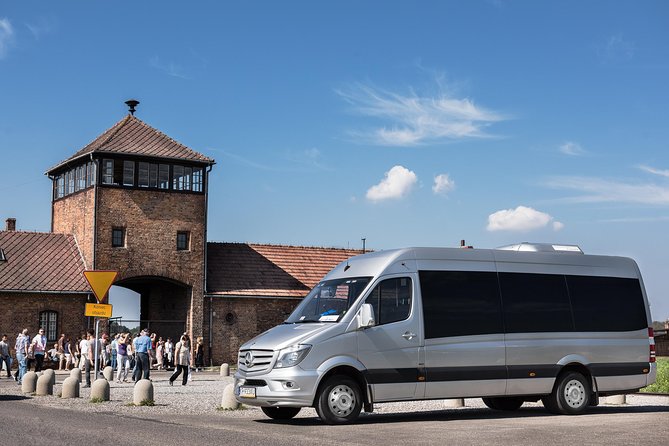
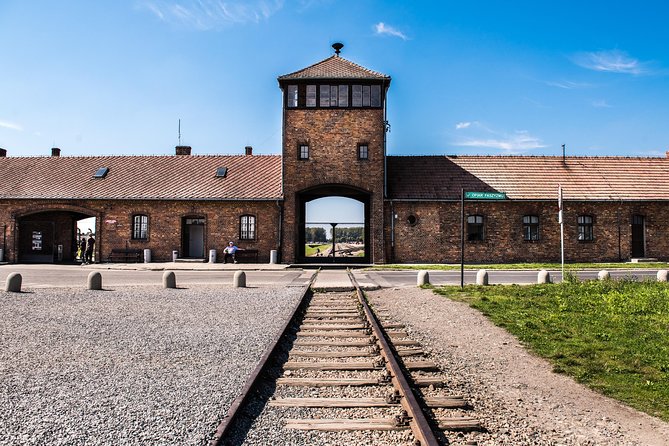
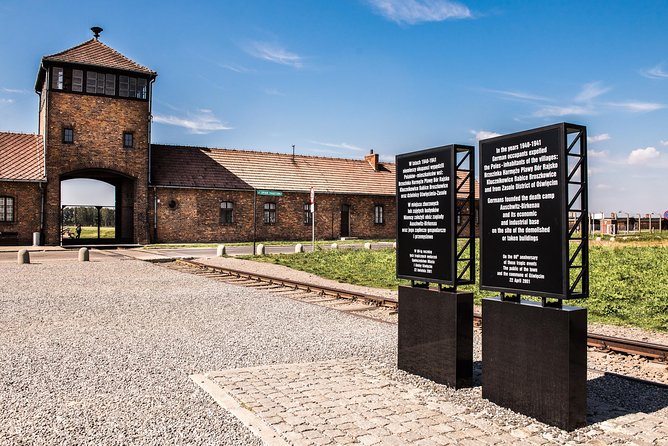
Auschwitz I is the first and main part of the camp, and it also served as the administrative headquarters for the whole complex. When you visit, you are not just looking at buildings. You are seeing the framework of how the camp system worked and how the Nazi machinery was organized.
This part is usually the most intense for “understanding.” Auschwitz I helps you connect names, dates, and the purpose of different areas. It is the place that makes the rest of the story click, because it is where the camp concept became an operating system.
Here is the tradeoff to respect. Even with a well-run guide, this is still a group tour with a set time. You may feel the pace if your style is slow reading and lots of standing still. In several experiences, people said they wanted more time for questions and contemplation, especially late in the day.
More museum tours in Krakow:
- Auschwitz-Birkenau Museum and Memorial Guided Tour from Krakow
★ 4.5 · 1,510 reviews - Krakow: Rynek Underground Museum Guided Tour
★ 4.6 · 1,122 reviews - Krakow Schindler’s Factory Museum Guided Tour in English
★ 4.5 · 650 reviews - Krakow: Auschwitz Birkenau Museum Guided Tour with Pickup
★ 3.6 · 544 reviews
Birkenau (Auschwitz II): gas chambers, crematoria, and the women’s camp
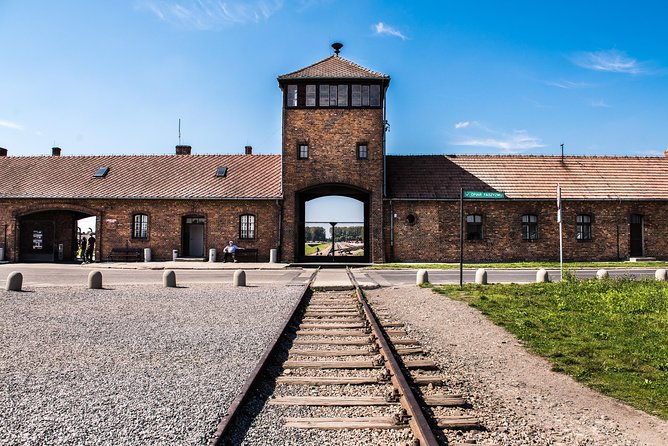
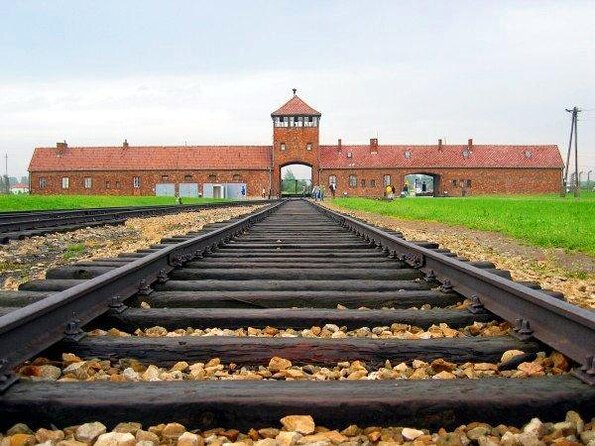
Birkenau is where the scale hits hardest. Auschwitz II-Birkenau was initially designed as a concentration camp, but it quickly became the main place of genocide. On your visit, you see the areas tied to the most horrific parts of the process, including gas chambers and crematoria.
Birkenau is also where the women’s camp was located, and that matters because it changes what you notice in the buildings and barracks. You are not just seeing “a camp.” You are seeing a human system built to break people down in different ways.
The other reality of Birkenau is space. It is a bigger site, so walking and group movement feel more noticeable. In some experiences, people found the second half quicker, with less spoken guidance to match the schedule. If you are the type who likes to stop at every photo caption and absorb every corner, consider that this tour may not give you the slow time you want at Birkenau.
Museum educator tours, headsets, and how to hear the important parts
One of the best things about this format is that the tour is run by official museum educators. That matters because Auschwitz is not a “history theme park.” The museum sets the tone, the route, and the rules for what is allowed in each area.
Audio can be a make-or-break detail for a site this sensitive. Typically, visitors receive headsets at the entrance so they can hear the guide. However, there can be exceptions if the museum changes the company providing the earphones on a given day. When that happens, you may find it harder to hear clearly, especially in louder or crowded moments.
If hearing matters to you, plan your position smartly. Try to stay toward the front or where you can see the educator. Also, know that in a group, sound and visibility can vary based on where you are standing and what other groups are doing.
And yes, the guides can strongly influence your experience. In the English-language tours mentioned in feedback, guides such as Joanne and Margaret were praised for clear English and a respectful tone. You can’t guarantee the exact educator on your date, but you can expect serious care in how the information is presented.
Getting through the bag rules without losing your mind
Auschwitz has strict rules about what you can bring into the museum grounds. The maximum size for bags and backpacks is 30 x 20 x 10 centimeters (about 12 x 8 x 4 inches). If that sounds tiny, you are not imagining it.
The practical fix is built into how the day runs. You can leave your belongings inside the bus, which is parked nearby. That means you should travel light, bring only what you need for the visit, and keep the rest in the bus so you are not juggling gear while trying to focus on the exhibits.
This is also where you make your day easier on yourself. Pack for walking, for standing, and for a long stretch of time in a controlled museum environment.
Comfort, transport, and the reality of group pace
Transport is part of your experience here because it shapes your day length and your mood going into the museum. Most people describe the pickup as smooth, with drivers doing a good job of keeping the day moving.
Still, there are a couple of comfort considerations you should take seriously:
- Some people reported the ride felt rough at times, including hard braking and wobbly seating.
- If you sit farther back, you might not hear the documentary clearly on the bus.
If you are car-sick prone, think about that before you lock it in. Also consider bringing an outer layer. Morning cold in Krakow can fade into a different feeling once you are traveling.
Then there is the bigger issue: the schedule. Even the positive experiences often point to the same truth. A visit to Auschwitz requires emotional processing, but group tours need to keep moving to work within museum time limits.
In plain terms, this tour is well organized, but it is not designed for long pauses. You get a guided overview that is deeply important, and you may want more time later to revisit details.
Who should book this Auschwitz-Birkenau tour from Krakow
This works best if you want:
- A guided, structured experience that hits Auschwitz I and Birkenau in one day.
- Pickup and drop-off so you can focus on the museum instead of arranging transport.
- English-language interpretation with official educators.
It might not be your ideal fit if:
- You need a very slow pace with lots of unanswered questions and long silent time.
- You struggle with long walking days and crowded, scheduled environments.
- You are very sensitive to audio clarity or vehicle motion.
One strong hint from the way people talk about the experience: if you can handle the early start and you accept the group pace, the value is real. If you cannot handle those constraints, you may end the day wishing you had more room to absorb.
Should you book it?
If you are visiting Krakow and you want one day that covers the essentials at Auschwitz-Birkenau with transport, admission, and official guiding, this is a good choice. The $93.16 price is easier to justify when you see it as convenience plus museum time, not just a car ride.
Book it if you can handle a long, moving day, and you are comfortable with a set tour duration. Also, plan ahead: eat before you go if you can, pack within the 30 x 20 x 10 cm bag rule, and wear shoes built for standing and walking.
And if you like flexibility, this one includes free cancellation up to 24 hours in advance, so you can make the decision confidently.
FAQ
How long is the Auschwitz-Birkenau trip from Krakow?
The total duration is about 7 to 8 hours.
What time does the tour start?
The start time listed is 7:00 am.
Does the price include hotel pickup and drop-off?
Yes. Hotel pickup and drop-off are included.
Is admission to Auschwitz included?
Yes. The admission ticket is included, and the standard group tour lasts about 3.5 hours.
Is there a documentary film during the trip?
Yes. A documentary movie is included.
What language is the tour offered in?
The tour is offered in English.
Is food and drinks included?
No. Food and drinks are not included.
What is the bag size limit on museum grounds?
The maximum bag size allowed is 30 x 20 x 10 centimeters (about 12 x 8 x 4 inches).
Recently reviewed around Krakow
- Krakow: City Golf Cart Tour and Schindler’s Factory Museum★ 5.0 · 4 reviews
- Krakow: City Sightseeing Tour by Shared or Private Golf Cart★ 4.4 · 21 reviews
- Krakow beer review with a local guide★ 5.0 · 4 reviews
- Kraków: Romantic Candlelight Chopin Piano Concert★ 4.9 · 8 reviews
- From Krakow: Chocholow Hot Springs Evening or Daytime Ticket★ 4.7 · 72 reviews
- From Krakow: Zakopane, Tatra Mountains & Thermal Baths Tour★ 4.9 · 52 reviews
- Kraków: VIP Candlelight Concert The Music of Fryderyk Chopin★ 4.8 · 8 reviews
- Krakow: Bottomless Brunch with 3-Course Meal and Drinks★ 3.8 · 30 reviews