

Reviewed · MUSEUMS
Krakow: The Ethnographic Museum ticket
What makes this ticket special is how it turns Krakow into a folk-art story in two stops, the Town Hall exhibition and Esterka’s House. I love that you get a real sense of everyday Polish culture from the turn of the 20th century, not just pretty artifacts in a vacuum. I also like the way the museum is set up so you can move at your pace. One possible drawback, there is no guide included, so you will rely on labels and what you choose to focus on.
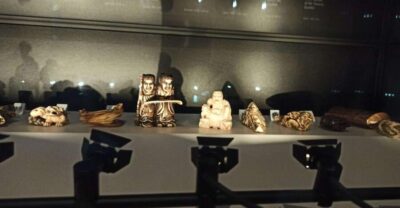
Inside, you are walking through a museum born in 1911, driven by Seweryn Udziela, an amateur-ethnographer and collector. The collection has grown from a small set of objects into about 80,000 showpieces, with most pieces dating to the late 1800s and early 1900s. Expect a mix of permanent displays and temporary exhibits, including presentations in Esterka’s House with its beautifully vaulted cellar.
Plan to take your time, because one of the best moments is when you reach the last section with paintings and sculptures, which can feel like a satisfying payoff rather than just one more room. Flash photography is not allowed, so bring your patience for looking closely instead of snapping quickly. The ticket is valid for 1 to 2 days, and the meeting point can vary depending on the option you book.
Key highlights to look for

- Two building experience: start with the Town Hall section, then shift to Esterka’s House
- Around 80,000 pieces: most from the late 19th and early 20th century
- Town Hall focus on folk culture: see Polish folk art presented as a living tradition
- Esterka’s House cellar displays: temporary exhibits in a vaulted setting
- A strong finish in the later rooms: paintings and sculptures can be a standout moment
Entering the museum: Town Hall to Esterka’s House
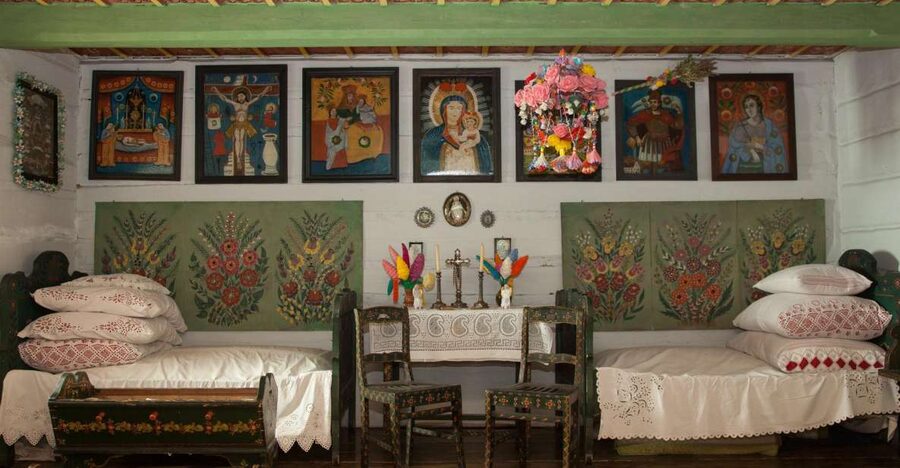
This is not one museum room. This is a ticket that carries you between two Krakow settings, both tied to the Ethnographic Museum experience. That matters because folk culture often feels more real when it is framed by the kind of spaces where people would once gather, work, and trade ideas.
Begin at the Town Hall exhibition. That section is built around Polish folk culture, so it is a good first stop if you want your bearings fast. Then head to Esterka’s House, where you will find temporary displays in a space described as a beautifully vaulted cellar. The change in mood helps. Town Hall sets up the theme, then Esterka’s House gives you something more atmospheric for the object-focused part of the visit.
I like that the ticket format encourages a slow, self-guided route. You can linger over details that catch your eye instead of feeling rushed through a checklist. The museum is also described as very well organized on several floors, so even without a guide, you should be able to find your way and keep the story coherent.
More museum tours in Krakow:
- Auschwitz-Birkenau Museum and Memorial Guided Tour from Krakow
★ 4.5 · 1,510 reviews - Krakow: Rynek Underground Museum Guided Tour
★ 4.6 · 1,122 reviews - Krakow Schindler’s Factory Museum Guided Tour in English
★ 4.5 · 650 reviews
Why Seweryn Udziela’s 1911 idea still drives the visit
The museum traces back to Seweryn Udziela, a teacher, amateur-ethnographer, and collector who created the project in 1911. That background is more than trivia. It explains the museum’s attitude toward folk culture: it is not treated as leftover stuff from the past, it is treated as a source of meaning.
The collection you see today grew from Udziela’s early collecting. What stands out is how the current exhibitions still follow that original motivation, showing how artists were drawn to the liveliness of folklore. In the early 1900s, folklore was seen by some as an antidote to stagnation and a cultural crisis among Polish intelligentsia. In plain terms, people were trying to reconnect with something that felt alive, local, and human.
As you walk through the rooms, you can read the logic in the selection and emphasis. The museum is basically saying: look closely at ordinary life and handmade culture, because it shaped how artists thought and how identity took form during a tense cultural period.
Town Hall exhibition: Polish folk culture in a structured first act
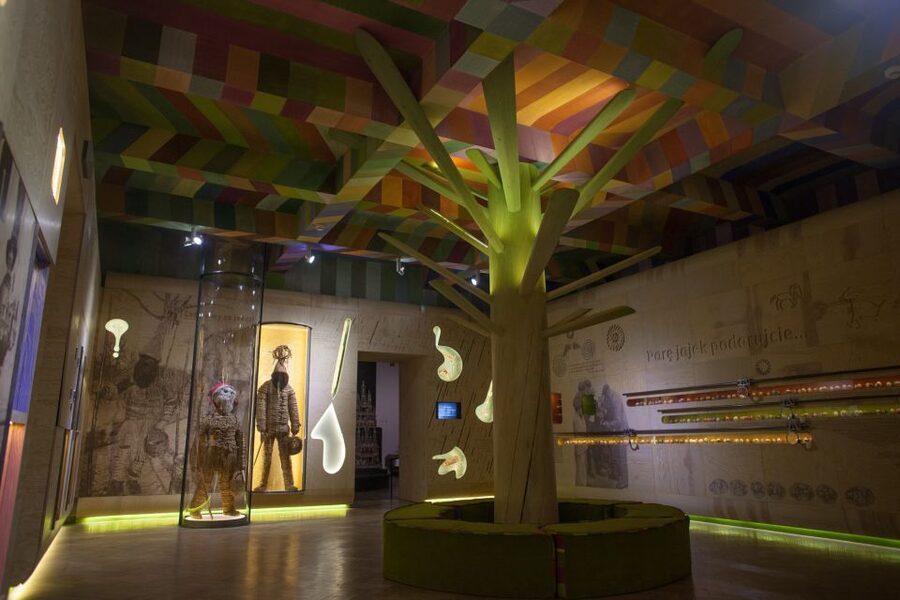
The Town Hall section highlights Polish folk culture. Think of this as the museum’s first act, where you get context and themes before you start chasing individual objects. If you like understanding what you are looking at, this part will feel like it puts a compass in your hand.
Here is what to watch for as you move through the Town Hall exhibition. The focus is on Polish folk culture from the early 20th century, which means the objects are part of a broader social world, not just decorative pieces. You will likely see how craft and artistic choices reflect everyday rhythms, beliefs, and visual language.
I also like that the museum does not try to overwhelm you with only one type of object. The overall museum collection is described as very large, and the way the Town Hall section works is to help you start with the idea of folk culture as a system, then continue into more specific presentations in the other building.
One practical consideration: because no guide is included, you should set an intention before you enter. Pick one theme you care about, such as how folk art uses pattern and form, or how it shows everyday life. Then let the labels guide you while you hunt for matching details.
Esterka’s House cellar: temporary displays in a vaulted setting
After the Town Hall section, Esterka’s House shifts the tone. This building is specifically where you will find temporary displays in a beautifully vaulted cellar. Temporary exhibits matter because they help the museum feel current while still rooted in the same cultural world.
The cellar setting also changes how you experience objects. Even without inventing details that are not stated, you can sense that a vaulted cellar pushes you into a slower, more careful looking mode. That is a good thing for ethnographic material. Many pieces reward close attention, not speed.
When you are planning your route, give yourself enough time in this second stop to actually absorb what is on display. People often rush the second building because they assume it will just repeat what they already saw. Here, the inclusion of temporary displays makes Esterka’s House more than a duplicate. It is a reminder that folk culture collecting and presenting is an ongoing conversation.
If you want one simple strategy, treat the Town Hall section as your anchor and Esterka’s House as your flexible portion. Spend longer on the cellar part if you notice that the temporary exhibits are hitting your interests.
A few more Krakow tours worth comparing
- Krakow to Auschwitz Birkenau Guided Tour with Transfer and Ticket
★ 5.0 · 8,197 reviews - Krakow: Wieliczka Salt Mine Fast-Track Ticket & Guided Tour
★ 4.5 · 5,872 reviews - Auschwitz Birkenau Guided Tour with Ticket Hotel Pickup Small Van
★ 5.0 · 4,769 reviews - From Krakow: Wieliczka Salt Mine Tour & Skip the Line Ticket
★ 4.4 · 3,925 reviews
Working through a collection of about 80,000 showpieces
The Ethnographic Museum exhibitions include around 80,000 showpieces, with most items from the late 19th century and early 20th century. That scale can sound intimidating, especially if you are not a museum hopper. The good news is the museum is described as very well organized on several floors, so you should not feel totally lost.
Still, size changes how you should visit. Here is how I would handle it:
First, decide what you want from the visit. If you want atmosphere and context, spend longer in the Town Hall exhibition. If you want artistic objects and a more concentrated payoff, prioritize the later parts of the museum where you can find paintings and sculptures.
Second, plan for a finish. One of the best clues you have from the visit experience is that the last section, with paintings, sculptures, and related artworks, can be a great discovery. That suggests the museum’s layout has a satisfying arc. If you treat the last section like your reward, you will be more likely to pace yourself and not burn out too early.
Third, use the rule of thumb that ethnographic museums love. If something pulls your attention, linger. If nothing is clicking, move on. A large collection becomes enjoyable when you let your curiosity choose the path, instead of forcing yourself to see everything.
Finally, remember the photography rule. Flash photography is not allowed. That means you will either take no photos or take them slowly without flash. Either way, it pushes you toward looking, which often is what makes folk art feel more powerful.
What the price gets you: value in a ticket, not a tour script
The ticket price is listed at $4.81 per person. For a single-entry experience, that is low, and the value comes from how much you can see in two distinct museum parts. In other words, you are not just buying access to a small room. You are buying the chance to compare two presentations of the same broad topic.
You also get to choose your pace because the validity is 1 to 2 days. That is important. If you are visiting during a busy Krakow itinerary, you might not want to force a full museum sprint. The ticket validity gives you breathing room to return or to split your focus across days.
Another value factor: the museum’s exhibitions include roughly 80,000 showpieces. Even if you do not see even a fraction of that number in one sitting, you are still entering a serious, curated collection shaped over time. That makes the visit feel worthwhile even when you focus on a few strong areas.
One thing to keep expectations balanced: entry ticket is included, but a guide is not. That affects value in a different way. If you love guided storytelling, you will miss that structure. If you are happy reading labels and letting the museum’s organization lead you, the ticket becomes even more of a bargain.
How long it takes, and when to go for the best flow
The ticket is valid for 1 to 2 days, and starting times depend on availability. The exact start schedule is not listed here, so you will need to check what times are offered when you book. That said, the museum layout and the multi-building setup suggest you should plan at least one relaxed half to full visit, depending on how closely you like to read and look.
If you have only one day in Krakow, I would still go. Start with the Town Hall exhibition, then move to Esterka’s House and spend enough time in the cellar displays that they feel like more than a quick stop. If you have two days, you can make your visit more enjoyable by splitting your focus: one day anchored on context, the other day anchored on the object-focused sections, including paintings and sculptures.
Also, keep your eyes on your energy. Reviews highlight that people found the museum very well organized on several floors, which usually means you can move efficiently. Still, a collection this large rewards time more than speed, so plan for a visit that feels like wandering with purpose.
Best for: art, culture, and anyone who likes local detail
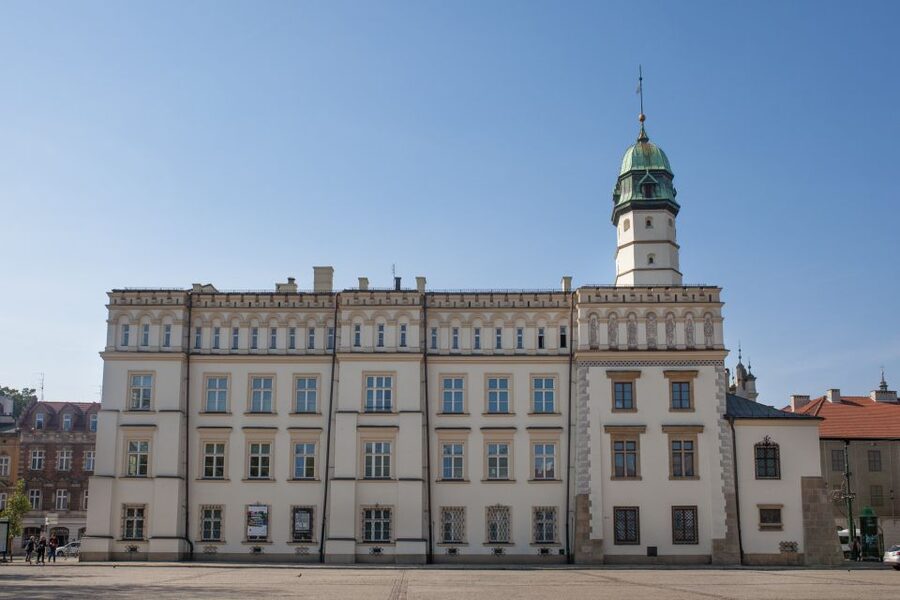
This ticket is a strong fit if you want a side of Krakow that is not only about buildings and big monuments. The Ethnographic Museum shows how Polish folk culture shaped artistic thinking around the early 1900s. It is a good choice for travelers who like culture in object form, patterns, materials, and what people made and valued.
It is also ideal if you like well-structured museums where you can still be self-guided. The museum being organized on several floors helps you keep momentum. And the fact that the last section includes paintings and sculptures suggests that the experience can build rather than taper off.
If your taste runs mostly toward contemporary art, or if you want a guide to interpret every room, you might find the self-guided aspect less satisfying. Still, the object range and the two-building flow give you a lot to work with even without a guide.
A practical, self-guided route that matches how the museum feels
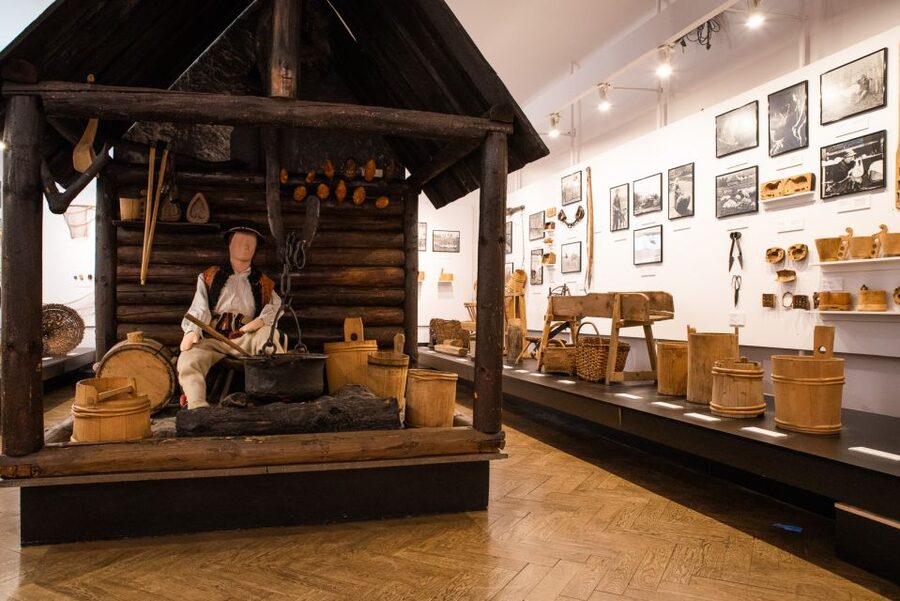
Because this is a ticket, not a pre-timed guided program, the best “itinerary” is the one you can actually follow. Here is a simple route that matches the museum structure described:
- Town Hall exhibition first: treat it as your orientation. Focus on the themes of Polish folk culture.
- Move to Esterka’s House: look for the temporary displays and take your time with the vaulted cellar setting.
- Work your way through the organized floors: keep an eye out for the last section that highlights paintings and sculptures.
- Finish with art-focused rooms: build your visit so that paintings and sculptures feel like a strong end note.
This route is also good for weather and scheduling. Even if you have limited time, the Town Hall and Esterka’s House pairing gives you a complete experience without needing to force every room.
One last tip: decide what you will treat as a “must see” versus a “see if it fits.” That keeps the 80,000 showpieces from turning into a chore.
Should you book this Krakow Ethnographic Museum ticket?
Book it if you want a low-cost, high-value museum visit built around Polish folk culture, with a clear two-part structure and a collection anchored in the late 19th and early 20th century. The $4.81 price feels especially fair when you consider the museum’s scale and the fact that you are entering both the Town Hall exhibition and Esterka’s House cellar displays.
Skip or reconsider if you need a guide for interpretation or if you dislike self-directed museum visits. Also, note the photography rule, flash is not allowed, so plan to enjoy looking rather than relying on quick photos.
If you are the type of traveler who likes to connect the dots between art, identity, and everyday craft, this ticket is a smart add-on to your Krakow trip.
FAQ
Where is this Krakow museum ticket valid?
It is valid for the Ethnographic Museum in Krakow, in the Lesser Poland region of Poland.
How much does the Ethnographic Museum ticket cost?
The price is listed at $4.81 per person.
How long is the ticket valid?
The ticket is valid for 1 to 2 days. You will need to check availability to see the starting times.
What is included with the ticket?
The ticket includes entry only.
Is a guide included?
No. A guide is not included.
What can I expect to see in the museum?
You can expect Polish folk culture exhibits, including a Town Hall exhibition and temporary displays in Esterka’s House, which includes a vaulted cellar.
How big is the museum collection?
The exhibitions include around 80,000 showpieces, with most pieces from the late 19th century and early 20th century.
Are there any photography restrictions?
Yes. Flash photography is not allowed.
Where do I meet, and where does the visit end?
The meeting point may vary depending on the option booked, and the activity ends back at the meeting point.
Recently reviewed around Krakow
- Wawel Castle and Cathedral Guided Tour★ 4.6 · 44 reviews
- Walking Tour: Kazimierz, Jewish Quarter – 2-Hours of Magic!★ 4.7 · 35 reviews
- Wawel Castle and Cathedral Guided Tour★ 5.0 · 8 reviews
- Kraków Holocaust Tour★ 4.9 · 5 reviews
- Wadowice and Kalwaria: John Paul II Route★ 4.8 · 5 reviews
- VIP Club Entry and Booth Booking★ 5.0 · 4 reviews
- Walking Tour of Krakow: Old town – 2-Hours of Magic★ 4.7 · 5 reviews
- Krakow: Zakopane, Thermal Baths and Gorce Park Treetop Walk★ 5.0 · 3 reviews
Museums, compared.
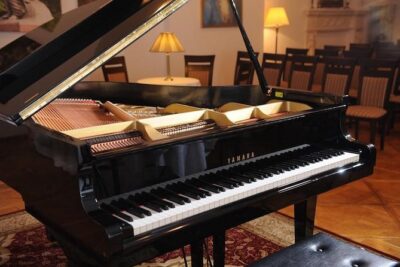
Chopin Piano Concert at Chopin Gallery with a Glass of Wine
Read our review →
Czartoryski Museum Tour / Entrance with Krakow Card
Read our review →Browse the lists this tour appears in