
Reviewed · AUSCHWITZ-BIRKENAU MEMORIAL VISITS
Auschwitz-Birkenau: Museum Entry Ticket with Guided Tour
Auschwitz-Birkenau is one of the most important places to visit in Europe, and doing it with a guided format makes it easier to stay oriented and absorb what you are seeing. The site is huge, the history is heavy, and your brain needs help connecting the dots.
I especially like the skip-the-line entry plus the fact that you get a live guide. I also love that the tour includes headsets, so you can still hear the guide even when the group spreads out.
One consideration: the pacing can feel a bit rushed, and your time slot can shift close to the visit date. That does not ruin the experience, but it helps to know what you are signing up for.
Key things that make this Auschwitz-Birkenau tour worth your time
- Skip-the-line entry so you spend less time waiting at the gate
- Headsets to hear an English-speaking guide clearly throughout
- Auschwitz I walk inside the former camp area, built in 1940 in the suburbs of Oswiecim
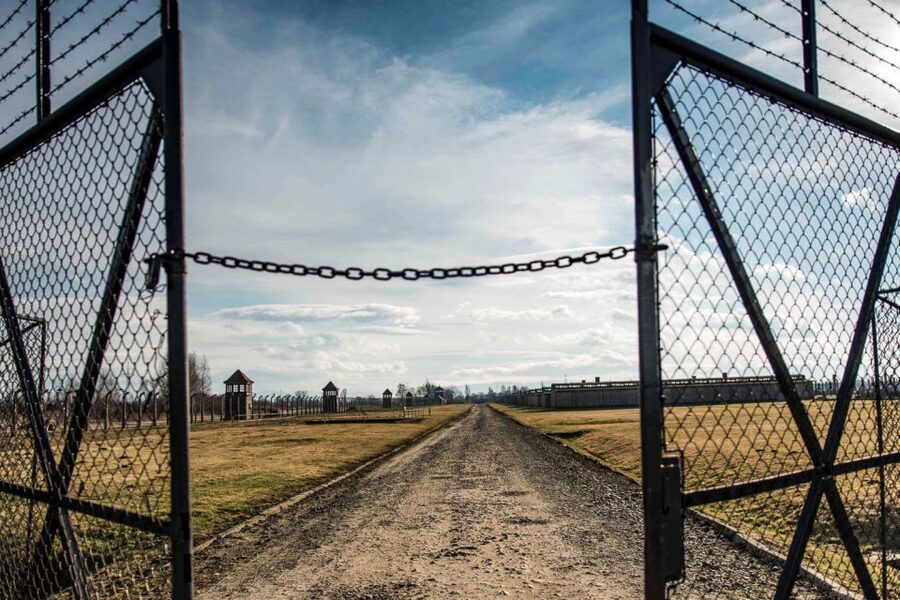
- Auschwitz II-Birkenau sights like the railway platform and the ruins of gas chambers
- A set visit length of about 210 minutes, with a short free window for a breather
- A structured group experience paced by the memorial’s visitor service
Why Auschwitz-Birkenau is unforgettable, and why a guided tour helps
This is not a site where you want to wander with a half plan. Auschwitz-Birkenau covers a large area, and the meaning of each section comes from context: what happened here, why it was built the way it was, and what the system did to people day after day.
A guided tour helps you keep your footing in the real landscape of the camp, not just the facts. You will hear explanations timed to what you are looking at, from the entrance area into Auschwitz I and onward to Auschwitz II-Birkenau.
The headset part matters more than it sounds. At a place this emotionally intense, you do not want to strain to hear someone far away. You just want the guide’s words in your ear so you can focus on what is in front of you.
More Auschwitz-Birkenau memorial visits from Krakow:
- From Krakow: Auschwitz-Birkenau Guided Tour & Hotel Pickup
★ 4.5 · 33,358 reviews - From Krakow: Auschwitz-Birkenau Guided Tour & Hotel Pickup
★ 4.5 · 29,340 reviews - Krakow: Auschwitz Guided Tour with Optional Hotel Pickup
★ 4.5 · 15,280 reviews
Getting there and meeting at the Visitor Center
You use your own transport to get to Auschwitz-Birkenau and back. The meeting point is the Auschwitz Birkenau Museum Visitor’s Center, where you should look for the information boards near the gate that leads to the parking area.
Give yourself a little buffer. The experience is scheduled, but the time you start can shift based on site rules, museum pacing, and operational flow. The tour notes that the given time is approximate and may change up to four hours.
Practical tip: wear comfortable shoes and plan on lots of walking. This is a memorial and museum, not a quick stop. Even if you think you are a steady walker, the route adds up fast.
Auschwitz I: walking the grounds where the system began
After you meet your authorised live guide on-site, you will follow them into Auschwitz I. This camp was built in 1940 in the suburbs of Oswiecim, and it is where you start to grasp how the concentration camp system was shaped and run.
In Auschwitz I, you will walk on the ground of the former camp, built in 1940, and then move through exhibitions located in the barracks. This is one of the most important parts of the tour because it grounds you in the day-to-day reality of captivity, not just the later industrial scale you will see across at Birkenau.
You will also hear a sobering overview of the scale of death and persecution here. The tour materials explain an estimated total death toll of over 1.5 million people, representing 28 nationalities, with nearly 90 percent of them being Jews. That number can feel abstract until you are standing in the spaces where it became policy.
One drawback to consider: this first leg can feel tight for time. The tour runs with defined windows, and the memorial controls pace and duration. So if you are hoping for long, slow contemplation at every point, the format may feel fast.
Barracks exhibitions: the value of guided context inside Auschwitz I
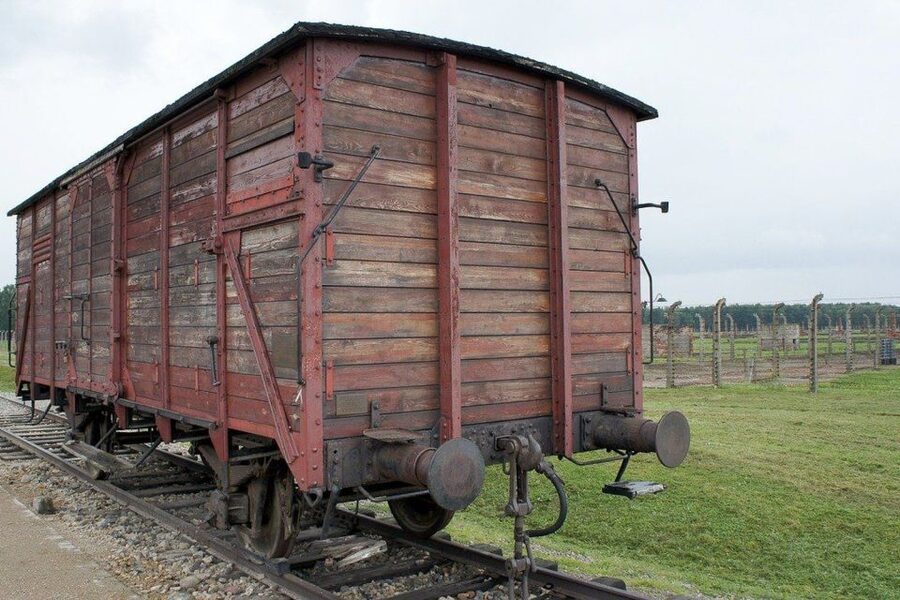
The exhibitions in the barracks are not just “information panels.” They are presented in the setting where people were housed, which makes the messages harder to ignore.
Because the guide explains what you are seeing as you move, you are less likely to miss the connections. You are not looking at details as isolated facts. You are understanding how the camp evolved and how different parts of the process fit together.
And yes, it can be emotional. That is not just a sentiment, it is the nature of the experience. What helped me most in a guided format is that the guide’s narration gives you structure. You know why a certain area matters, what a particular detail means, and what you should keep in mind as you walk.
More museum tours in Krakow:
- Auschwitz-Birkenau Museum and Memorial Guided Tour from Krakow
★ 4.5 · 1,510 reviews - Krakow: Rynek Underground Museum Guided Tour
★ 4.6 · 1,122 reviews - Krakow Schindler’s Factory Museum Guided Tour in English
★ 4.5 · 650 reviews - Krakow: Auschwitz Birkenau Museum Guided Tour with Pickup
★ 3.6 · 544 reviews
The transition period and how the schedule manages a heavy day
The tour includes a break before you move to Auschwitz II-Birkenau. During this time you get free time, about 30 minutes, before the second guided portion.
This is your chance to reset. If you need water, a quick restroom stop, or just a moment to step away and breathe, this is when you do it. I think this gap is actually one of the smarter parts of the format, because it prevents the whole day from becoming one long, uninterrupted emotional push.
Still, keep an eye on timing. The tour length is set at about 210 minutes, and the schedule is managed by the memorial’s visitor service. In other words, you cannot treat the free time as extra time you can easily stretch.
Auschwitz II-Birkenau: the railway and the scale of atrocity
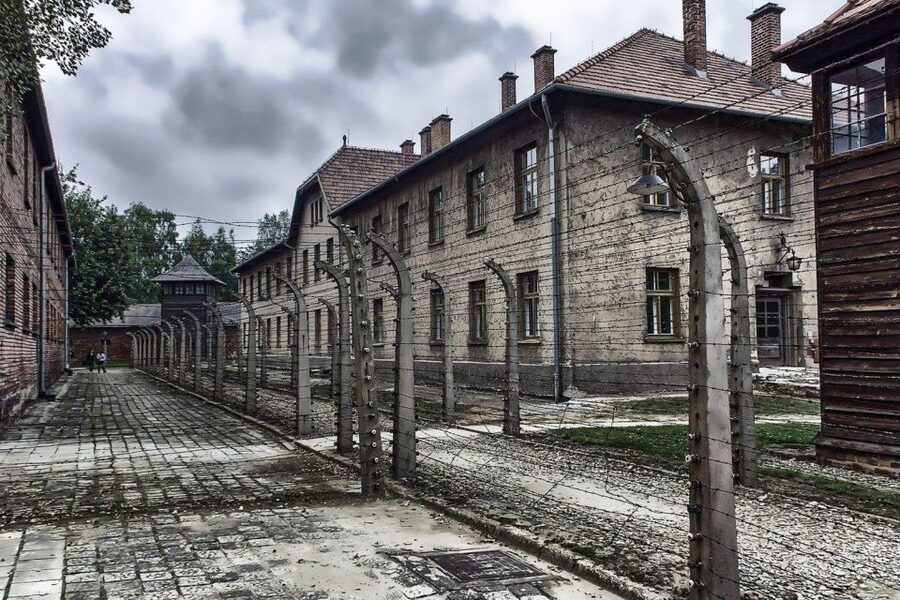
Next comes Auschwitz II-Birkenau, where the guided visit continues for about 75 minutes, with additional walking. If Auschwitz I is where you begin understanding the machinery, Birkenau is where you see the sprawling infrastructure that enabled mass deportation and mass murder.
You will walk along the railway that facilitated transport to the other part of the camp. This section hits hard because it visually shows how the system moved people through space. The guide’s explanations help you understand what you are seeing, not just that tracks exist.
A key sight here is the ruins of gas chambers, described in the tour notes as places where people vanished on a mass scale. Standing near what remains is one of the most difficult parts of any Auschwitz visit. It is also one of the reasons why a guided tour can be more responsible than self-paced browsing. You get context for what you are looking at and what those structures meant.
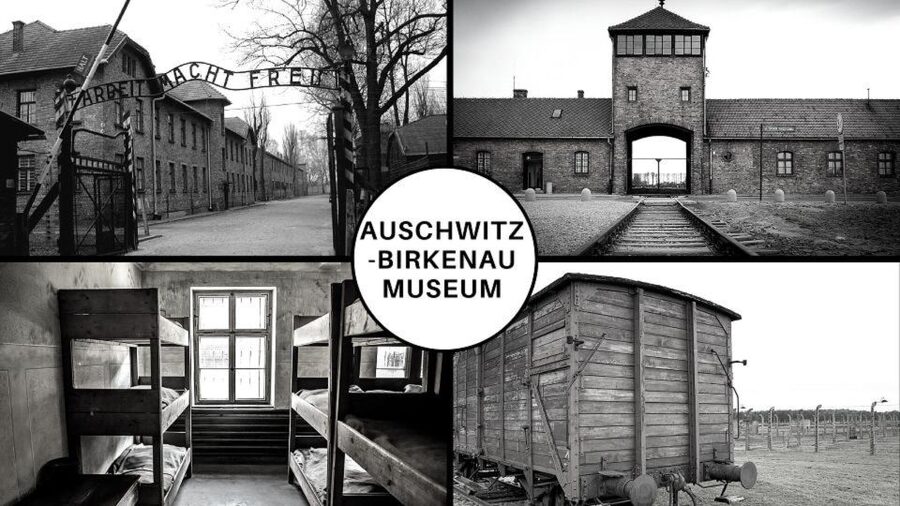
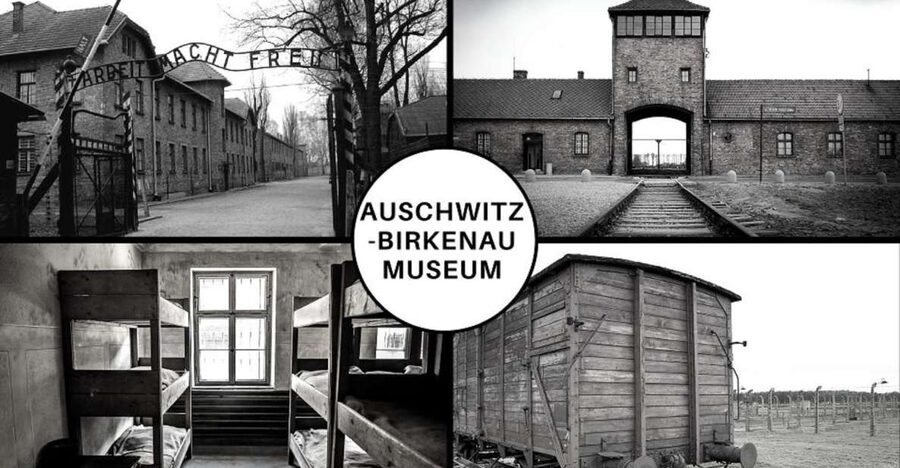
The entrance gate, barracks, and platform you will remember
By the end of the tour, you will have seen several iconic elements that anchor the story visually:
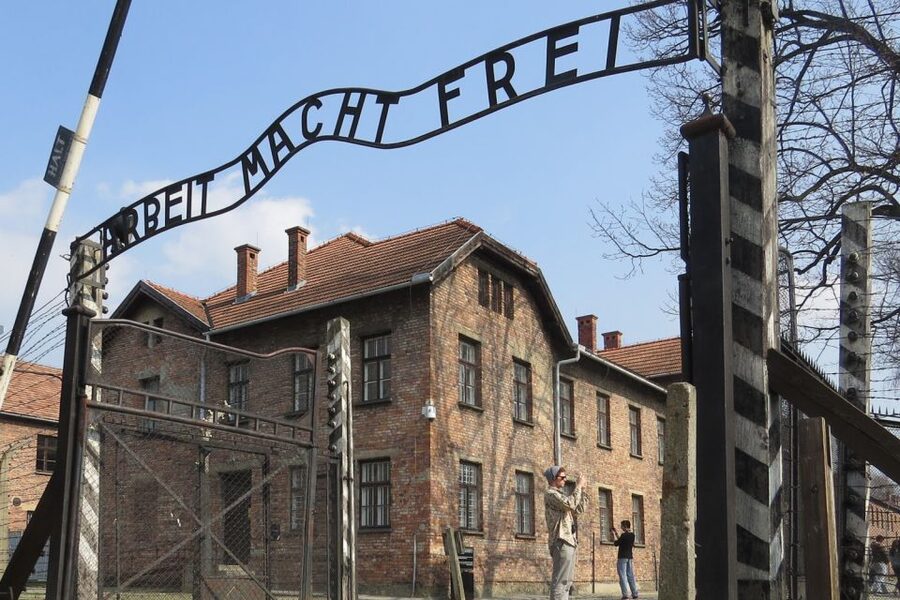
- The infamous entrance gate
- Barracks in Auschwitz I where exhibitions are presented
- The railway path and transport area in Auschwitz II-Birkenau
- Ruins of gas chambers
The tour format matters because it stacks these sights in a logical order. You are not hopping around the site. You are moving from one part of the camp system to the next, with narration built around that flow.
I also like that the tour uses a headset. That lets you move at a memorial-controlled pace while still catching the main points, without having to stop and hunt for the guide.
Price and value: what $52 buys you in a place like this
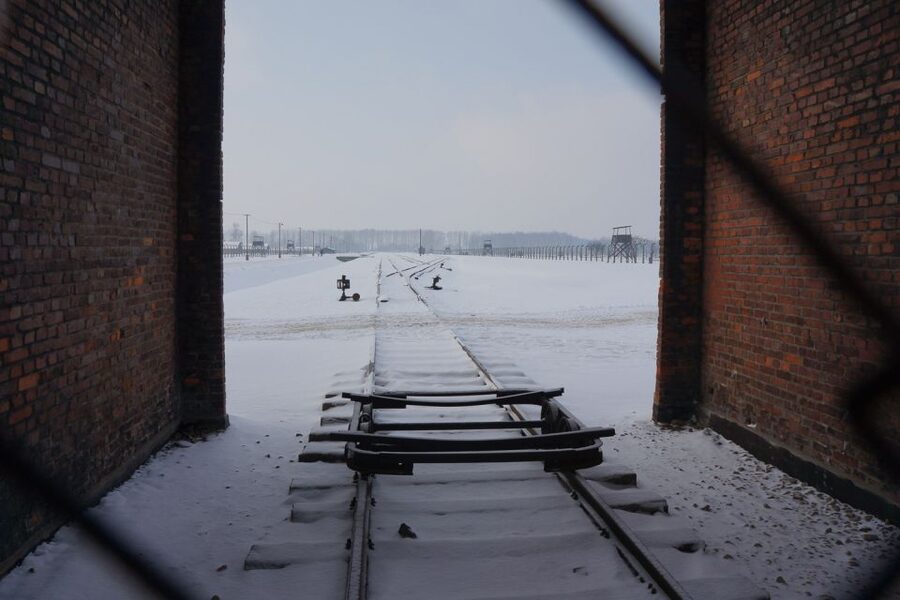
This experience costs about $52 per person and includes skip-the-line entry, a guided group tour in English, and headsets.
Is $52 a bargain? Not really in the casual sense. But in a place with strict entry procedures and a site that can swallow hours, you are paying for structure, time savings, and translation support via the guide. The headset is part of that value, because it reduces the stress of trying to hear over distance.
You are also paying for something harder to quantify: a coherent walkthrough. In a self-guided visit, you can lose yourself in details and miss connections. In a guided format, you get a path through the site that keeps the story understandable.
One small warning: this activity is listed as non-refundable. That is worth factoring in when you book, especially if your plans are flexible.
Language, group dynamics, and what you should do to stay comfortable
The tour is in English. If you are not a confident English listener, the headset still helps, but it will not magically translate everything. The guide’s delivery matters.
Group size can affect the feeling of the visit. The tour notes say you will have headsets so you can hear clearly no matter group size. That said, even with great audio, large groups can make timing and pacing feel tighter.
If your group feels crowded or the visit pace runs brisk, it is not necessarily a problem with the tour. It is how the memorial manages flow. The best way to cope is to wear comfortable shoes, keep your bag within the allowed size, and bring what you need so you are not slowed down by last-minute searches.
What to bring, what not to bring, and what can get you turned away
This site is strict. The tour notes include rules for identity, bags, dress, and restrictions.
Bring:
- Passport or ID card
- Comfortable shoes
Not allowed:
- Shorts
- Weapons or sharp objects
- Luggage or large bags
- Sleeveless shirts
Bag size limit:
- Maximum entrance luggage/bag/purse/backpack size is 30x20x10 cm
Also important:
- You must provide your full name and contact details when booking.
- Names need to be identical to the names on IDs or passports. Entrance might be refused if the names do not match.
These rules are not just bureaucracy. They are part of how the memorial secures the site and ensures accurate records.
Booking timing: why planning ahead is not optional here
Since March 2020, the memorial has guidelines that mean booking well in advance is generally the only way to ensure you are able to visit. The tour notes also say it is generally possible to change your ticket date and time after purchase if needed, but you should contact the local partner with questions.
If you like last-minute travel, this is one stop where you should resist that habit. Even if your schedule is open, your Auschwitz-Birkenau time slot is not.
Who should book this Auschwitz-Birkenau museum tour
I think this tour is a strong choice if you:
- Want a guided walkthrough with an English-speaking guide
- Prefer a structured route through Auschwitz I and Auschwitz II-Birkenau
- Appreciate having headsets so you can focus on the sights instead of chasing audio
- Like knowing that you will see key elements like the railway platform area and gas chamber ruins
It may not be the right fit if:
- You are traveling with children under 14, since the tour is not suitable for children under that age
- You have mobility impairments, since it is not suitable for people with mobility impairments
- You need long, unstructured time at each point. The pace is managed by the memorial, and the tour includes set walking and guided portions
Should you book this Auschwitz-Birkenau guided ticket tour?
If you are deciding between self-guided and guided, I would book the guided version for one main reason: it keeps you oriented through a very complex and emotionally intense place. The combination of skip-the-line entry, headsets, and a live guide helps you spend your limited time actually understanding what you are seeing.
Book this tour if your schedule can handle a fixed start time window and you can follow the ID name matching and bag rules. Also, accept that the day may feel a bit rushed at times, but that structure is part of why it works.
Don’t book this if you are likely to be stressed by group pacing, or if your physical needs do not match the walking requirements. In that case, you might need a different approach or a different day plan.
FAQ
How long is the Auschwitz-Birkenau museum guided tour?
The total duration is about 210 minutes, including time walking in Auschwitz I and Auschwitz II-Birkenau, plus a short free time window.
Where do I meet the guide?
You meet your guide at the Auschwitz Birkenau Museum Visitor’s Center, looking for the information boards right by the gate leading to the parking.
Is the tour skip-the-line and does it include entry tickets?
Yes. The ticket includes skip-the-line entry to the Auschwitz-Birkenau Memorial and Museum.
Will I be able to hear the guide clearly?
Yes. The tour provides headsets, which are meant to help you hear the guide clearly even when moving through the site or when the group is spread out.
What language is the tour guide?
The guided tour is offered in English.
What are the main rules on what I should bring and wear?
Bring your passport or ID card and comfortable shoes. Shorts and sleeveless shirts are not allowed. Weapons or sharp objects are not allowed, and luggage or large bags are not allowed. Bags must fit within a maximum size of 30x20x10 cm.
Recently reviewed around Krakow
- Krakow: City Golf Cart Tour and Schindler’s Factory Museum★ 5.0 · 4 reviews
- Krakow: City Sightseeing Tour by Shared or Private Golf Cart★ 4.4 · 21 reviews
- Krakow beer review with a local guide★ 5.0 · 4 reviews
- Kraków: Romantic Candlelight Chopin Piano Concert★ 4.9 · 8 reviews
- From Krakow: Chocholow Hot Springs Evening or Daytime Ticket★ 4.7 · 72 reviews
- From Krakow: Zakopane, Tatra Mountains & Thermal Baths Tour★ 4.9 · 52 reviews
- Kraków: VIP Candlelight Concert The Music of Fryderyk Chopin★ 4.8 · 8 reviews
- Krakow: Bottomless Brunch with 3-Course Meal and Drinks★ 3.8 · 30 reviews