
Reviewed · MUSEUMS
Archaeological Museum of Krakow Entrance Ticket
The Archaeological Museum in Krakow is interesting because it turns an old religious site into a direct line to earlier belief systems, including pagan religion, plus big archaeology finds from the Lesser Poland region. I really like the chance to see Światowid, the four-faced pagan god statue, and I also like the setting, tied to the old monastery and later Austrian prison history.
One possible drawback: this is mostly a self-directed museum ticket, so you will want to plan your timing carefully (last entry is 90 minutes before closing), and make sure your ticket QR code is ready, since the ticket office may refuse entry without it.
Key things to know before you go
- Światowid statue (9th to 10th century): four faces, pagan god, discovered in 1848 in Zbrucz
- A museum built inside changing history: the building shifted from monastery to Austrian prison (St. Michael’s Prison), then became an archaeological museum after WWII
- Two branches to choose from: St. Wojciech underground exhibition on the Main Square, plus Nowa Huta-Branice
- Underground stop at St. Wojciech’s Church: remnants of wooden and stone floors and Romanesque walls
- Nowa Huta archaeology starts with construction: discoveries began in 1949 during early building works for the district and metallurgical plant
A prison building with pagan secrets: what the Archaeological Museum is really housed in
This museum is not just about objects in glass. It is housed in a place with a history you can feel in the walls. The building used to operate as the Monastery of St. Michael for decades and belonged to the Barefoot Carmelites. Then, in the 19th century, its purpose flipped completely when the Austrians stationed in Krakow set up a prison there.
In other words, it became known as St. Michael’s Prison, and it kept that monastery name as it changed function. After WWII, the prison closed, and the Archaeological Museum was established.
Why that matters for you as a visitor: the museum experience lands differently when you realize you are standing in a space that survived multiple eras of power and purpose. You are not only learning about the past. You are walking into a building that has already lived through political and cultural change.
If you like your sightseeing to feel grounded and real, this is a strong match. You get archaeology, but you also get atmosphere.
More museum tours in Krakow:
- Auschwitz-Birkenau Museum and Memorial Guided Tour from Krakow
★ 4.5 · 1,510 reviews - Krakow: Rynek Underground Museum Guided Tour
★ 4.6 · 1,122 reviews - Krakow Schindler’s Factory Museum Guided Tour in English
★ 4.5 · 650 reviews
Światowid and Lesser Poland’s pagan roots: the star attraction
The museum’s most famous attraction is the Światowid statue, a four-faced pagan god. The statue dates to the 9th–10th century, and it was discovered in 1848 in Zbrucz. That four-faced design is the key visual hook. It is unusual enough to stop you in your tracks, and it also connects you to a period of beliefs that most visitors only know through broad references.
What I find useful to keep in mind while you are looking at the statue: you are not just admiring a sculpture. You are seeing evidence of a belief system from a long time ago, one that had enough cultural weight to produce distinctive art and imagery.
Also, the museum frames this within the broader archaeological discoveries from the Lesser Poland region. So even if Światowid is the headline, you will likely get a fuller sense of how varied the region’s past was, not just one famous object.
Practical tip: give yourself time at the main attraction. If you rush, you will miss the way the museum uses its displays to connect the statue to wider finds. Spend a few extra minutes, read closely, then move on.
Two branches in Krakow: St. Wojciech underground and Nowa Huta-Branice
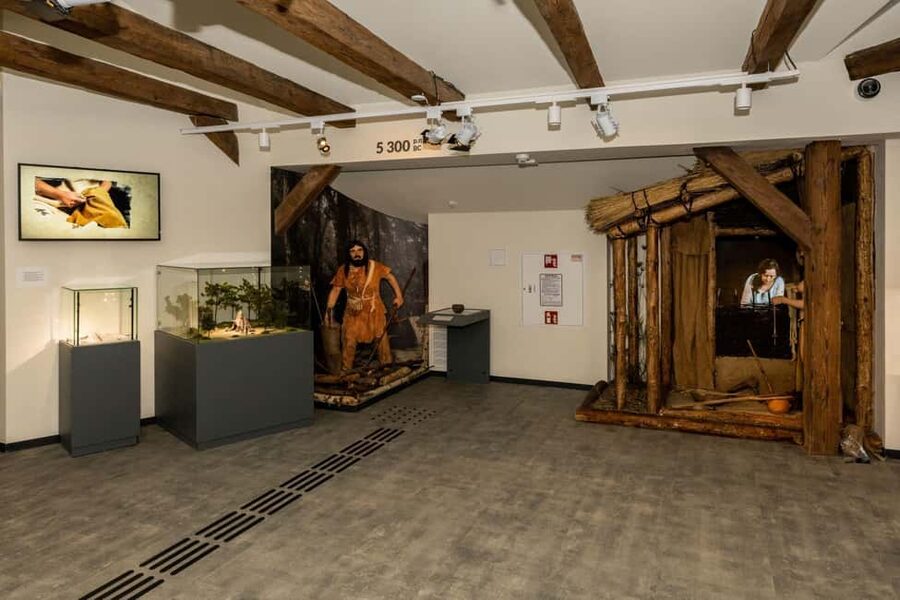
You do not have just one stop here. The museum is split into branches, so your visit can feel either compact or spread out depending on how you plan.
St. Wojciech’s Church on the Main Square: the underground exhibition
One branch sits at St. Wojciech’s Church on Krakow’s Main Square. The most memorable part here is the underground exhibition that focuses on the history of the square, the church itself, and Saint Wojciech as the patron.
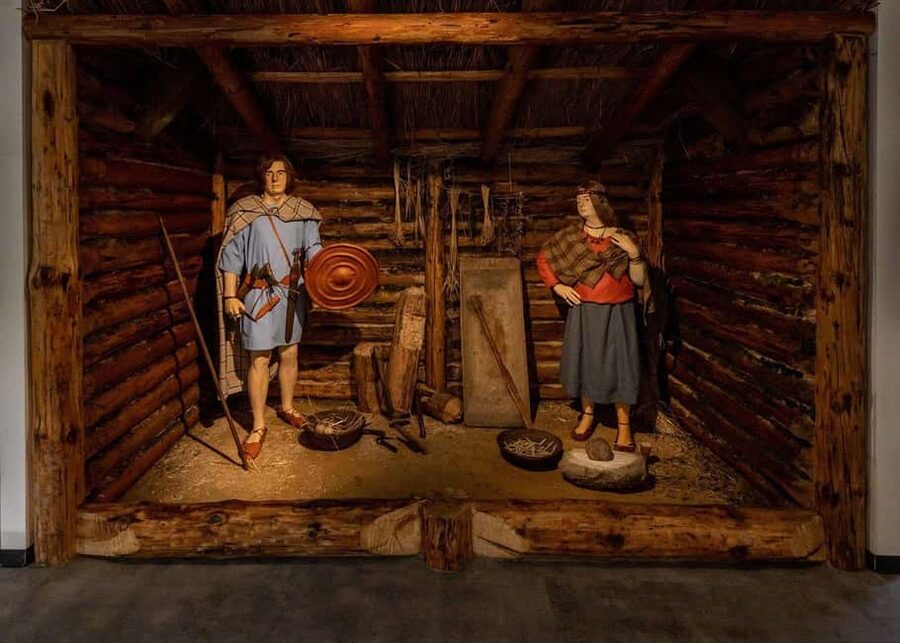
This is the kind of museum stop that rewards curiosity, because you can see physical remnants tied to everyday space. You can view remnants of wooden and stone floors, plus Romanesque walls. That mix of floor materials and structural wall remains helps you picture what stood there before you ever arrived.
Why it is valuable: it turns the Main Square from a postcard into a layered space. Instead of thinking of the square as one neat moment in time, you see it as built on top of earlier ground, with traces you can still study.
A few more Krakow tours worth comparing
- Krakow to Auschwitz Birkenau Guided Tour with Transfer and Ticket
★ 5.0 · 8,197 reviews - Krakow: Wieliczka Salt Mine Fast-Track Ticket & Guided Tour
★ 4.5 · 5,872 reviews - Auschwitz Birkenau Guided Tour with Ticket Hotel Pickup Small Van
★ 5.0 · 4,769 reviews - From Krakow: Wieliczka Salt Mine Tour & Skip the Line Ticket
★ 4.4 · 3,925 reviews
Nowa Huta-Branice: archaeology tied to construction
The second branch is at Nowa Huta-Branice, closely linked with the Nowa Huta district and the metallurgical plant. Archaeological discoveries began in 1949 during early construction works there.
This branch can be a great complement if you like contrasts. St. Wojciech gives you an underground look under a central historic church area. Nowa Huta-Branice gives you the idea that archaeology does not only happen when people dig for museums. Sometimes it starts because the modern city has to build, and older layers come to light.
Practical tip: before you go, think about how much travel time you are willing to add between branches. You might find one branch is enough for a fast visit, or you might want to commit to both if you have a full day or two.
Price and value: why a low-cost ticket makes sense here
The ticket price is $2.13 per person, which is incredibly low for a museum experience that includes a major centerpiece (Światowid) plus additional archaeology exhibitions across different locations.
So where is the value coming from?
First, you are paying for access to a museum that covers different slices of time. The building history alone (monastery, then Austrian prison, then post-WWII museum) adds context without you having to buy separate tickets. Then you add the museum’s archaeological treasures, centered on pagan belief imagery and regional finds.
Second, the ticket covers more than one museum location. The branches mean you can build a visit that fits your energy level. If you want to keep it simple, you can target one branch plus the main attraction. If you have more time, you can see multiple exhibitions and turn it into a mini archaeology tour around Krakow.
Third, if you have a Krakow City Card, entrance is free of charge. That can make the value even stronger if you already planned to use your card at multiple sites.
One note: a guide is not included. That does not ruin the experience, but it does mean you should be prepared to read labels and work with the museum information on-site. If you prefer a guided walk-through, you might want to pair this ticket with a separate guided tour on another day.
Timing and ticket logistics: how to avoid wasted time
This is where a little planning protects your trip.
Your ticket is valid for 1 to 2 days, and you should check availability to see starting times. That implies you are not just buying a vague “sometime ticket.” Your entry can depend on when the museum schedules your start.
Also remember this rule: the last entrance is 90 minutes before closing. If you tend to sightsee at a fast pace, set a realistic cutoff. If you tend to take it slow and read, give yourself a larger buffer so you do not end up sprinting the last rooms.
Opening hours might differ from what you see online due to changing circumstances, so check the operator’s official website close to your travel date. That one habit can prevent the common frustration of showing up when things have shifted.
Meeting points can vary depending on the option booked, and the activity ends back at the meeting point. So plan on a straightforward visit flow without assuming a guided route will be provided.
One more practical reality check: the ticket office may require your QR code. Keep the QR code accessible on your phone or ready in whatever format your ticket confirms, so you do not get stuck at the door.
Rules inside the museum spaces
Museums run smoother when you know the rules ahead of time. Here are the ones listed for this ticket:
- Smoking is not allowed
- Alcohol and drugs are not allowed
It is a standard set of restrictions, but it is still worth knowing if you are traveling with friends who sometimes carry food or drinks out of habit.
A practical way to plan your visit (so you see the good stuff)
You can make this experience fit either a one-day hit or a two-day archaeology-focused visit.
If you have one day
I would aim for the main attraction first, since Światowid is the reason many people prioritize this museum. Then pick one branch based on your interests and travel time.
- If you like historic city centers and underground viewing, choose St. Wojciech’s Church on the Main Square.
- If you like modern development history and how construction reveals old layers, choose Nowa Huta-Branice.
This gives you a strong story arc without draining your whole schedule.
If you have two days
Give yourself time to cool down between stops. Day one can be about Światowid and the core archaeology. Day two can be about branching out.
A clean two-day split could be:
- Day one: main museum focus and the main attraction
- Day two: St. Wojciech underground exhibition and then, if energy allows, Nowa Huta-Branice
This approach works well because the museum content is not purely visual. It needs a bit of reading and attention to connect objects to context.
In both cases, keep the last-entry rule in your mind. You will get more satisfaction if you leave the last 60 to 75 minutes as a real buffer, not a panic sprint.
Who should book this ticket, and who might not love it
This ticket is a good match if:
- You want a budget-friendly museum with a standout centerpiece
- You like archaeology tied to specific regions, not only big museum names
- You enjoy atmosphere, especially when the building itself has shifted roles across centuries
- You want at least one underground or structural element you can physically see (like the underground exhibition at St. Wojciech)
You might want to think twice if:
- You strongly prefer guided experiences, because no guide is included
- You dislike self-paced museum wandering and reading labels
- You have tight time windows, because last entrance is 90 minutes before closing and opening hours can change
In short, this is for people who like history you can see in physical remains, floors, walls, and objects, not just listen to for a quick overview.
Should you book the Archaeological Museum entrance ticket?
If you want a low-cost, high-reward Krakow museum visit, I think this is an easy yes. For the price of $2.13, you get access to a museum centered on major archaeological ideas, with Światowid as the obvious highlight, plus additional exhibitions through two branches.
Book it if you are curious about how beliefs, buildings, and even city development leave traces. Just do two simple things first: check the official hours for your exact day, and make sure your ticket QR code is ready before you approach the ticket office.
Skip it or reconsider if you only want a very quick stop and you dislike self-guided museums, because there is no guide included and timing matters.
FAQ
How much is the Archaeological Museum of Krakow entrance ticket?
The ticket price is listed as $2.13 per person.
How long is the ticket valid?
The ticket is valid for 1 to 2 days. You should check availability to see starting times.
Is a guide included with the ticket?
No. A guide is not included.
What is the museum’s most famous attraction?
The museum’s most famous attraction is the Światowid statue, a four-faced pagan god from the 9th to 10th century, discovered in 1848 in Zbrucz.
Does the ticket cover more than one museum location?
Yes. The museum has two branches: St. Wojciech’s Church on Krakow’s Main Square (with an underground exhibition) and Nowa Huta-Branice.
What is the last time I can enter?
The last entrance is 90 minutes before closing.
Recently reviewed around Krakow
- Krakow: City Golf Cart Tour and Schindler’s Factory Museum★ 5.0 · 4 reviews
- Krakow: City Sightseeing Tour by Shared or Private Golf Cart★ 4.4 · 21 reviews
- Krakow beer review with a local guide★ 5.0 · 4 reviews
- Kraków: Romantic Candlelight Chopin Piano Concert★ 4.9 · 8 reviews
- From Krakow: Chocholow Hot Springs Evening or Daytime Ticket★ 4.7 · 72 reviews
- From Krakow: Zakopane, Tatra Mountains & Thermal Baths Tour★ 4.9 · 52 reviews
- Kraków: VIP Candlelight Concert The Music of Fryderyk Chopin★ 4.8 · 8 reviews
- Krakow: Bottomless Brunch with 3-Course Meal and Drinks★ 3.8 · 30 reviews
Museums, compared.
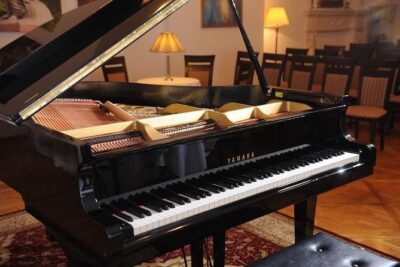
Chopin Piano Concert at Chopin Gallery with a Glass of Wine
Read our review →
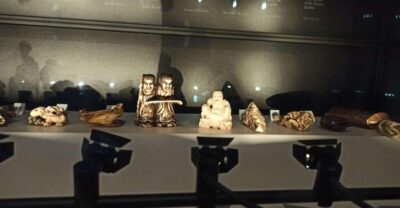
Czartoryski Museum Tour / Entrance with Krakow Card
Read our review →Browse the lists this tour appears in