
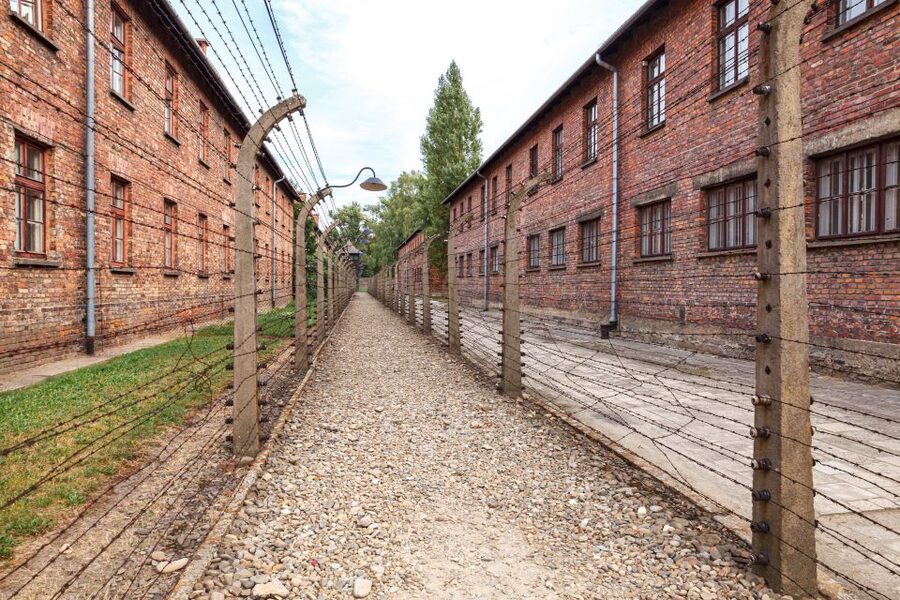
Reviewed · AUSCHWITZ-BIRKENAU MEMORIAL VISITS
From Krakow: Auschwitz Birkenau Tour with Transfer
Auschwitz-Birkenau is hard to describe, but it is also one of the most important places you can visit in Europe. What makes this particular trip workable is the included admission tickets and the brochure-based route that lets you move at your own pace. The one real drawback to keep in mind is that the on-site time, especially at Birkenau, can feel a bit tight because the pace is set by the memorial.
I like that you are not left to figure everything out by yourself. Your tour leader helps you collect your museum admission, and there is staff support from pickup to drop-off, with guides such as Adrianna, Anges, Daniel, and Simon praised for staying helpful and respectful throughout. Even the coach driver gets mentioned as part of the comfort of the day, including Magik in one set of feedback.
Finally, plan for a long day, roughly 7 to 10 hours, plus an emotionally heavy visit. You will get a short café break, then walk through major parts of both camps using your route and brochure, so bring your patience, good shoes, and your ability to slow down.
Key highlights worth your attention
- Included Auschwitz I and Auschwitz II tickets, so you do not lose time or stress at the gate
- Brochure-based self-guided route (with option for a live guided tour), so you can choose your pace
- Support at the handoffs, including help collecting admissions and assistance from pickup to drop-off
- Comfort-focused roundtrip transfer by air-conditioned bus from Krakow
- Judenrampe stop and both camp sections, so you see more than just the biggest photo spots
- Practical time plan, including a café break, but with limited time at Birkenau
Auschwitz-Birkenau day transfer from Krakow: comfort, timing, and pickup points
This is a classic Krakow to Auschwitz-Birkenau setup, built around one simple goal: get you there smoothly with fewer moving parts. You board a shared, air-conditioned bus and spend about 1.5 hours each way on the road. That matters because it keeps the day from turning into a logistics scramble, which is the last thing you need on a difficult visit.
Pickup is optional and depends on the option you choose. You can look for stops such as Pawia 18a (in the Kiss and Ride Lane in front of Mercure Hotel) or Wielopole 2 (Kiss and Ride Lane). Drop-off also varies, with multiple Krakow locations listed, including places like Wielopole 2 and Starowiślna 65 among others.
There is also a scheduled local café break of about 40 minutes. I like this because it gives you a chance to reset before the emotional weight hits, and it is enough time to grab something hot or simple if you did not plan ahead.
One small but important note: the day includes transport segments between sites, so even if you are moving quickly, you are still following a structured flow. The pace of your overall trip is treated as approximate, because the memorial’s visitor service can affect timing.
More Auschwitz-Birkenau memorial visits from Krakow:
- From Krakow: Auschwitz-Birkenau Guided Tour & Hotel Pickup
★ 4.5 · 33,358 reviews - From Krakow: Auschwitz-Birkenau Guided Tour & Hotel Pickup
★ 4.5 · 29,340 reviews - Krakow: Auschwitz Guided Tour with Optional Hotel Pickup
★ 4.5 · 15,280 reviews
Getting your admissions and orientation: how the self-guided brochure plan works
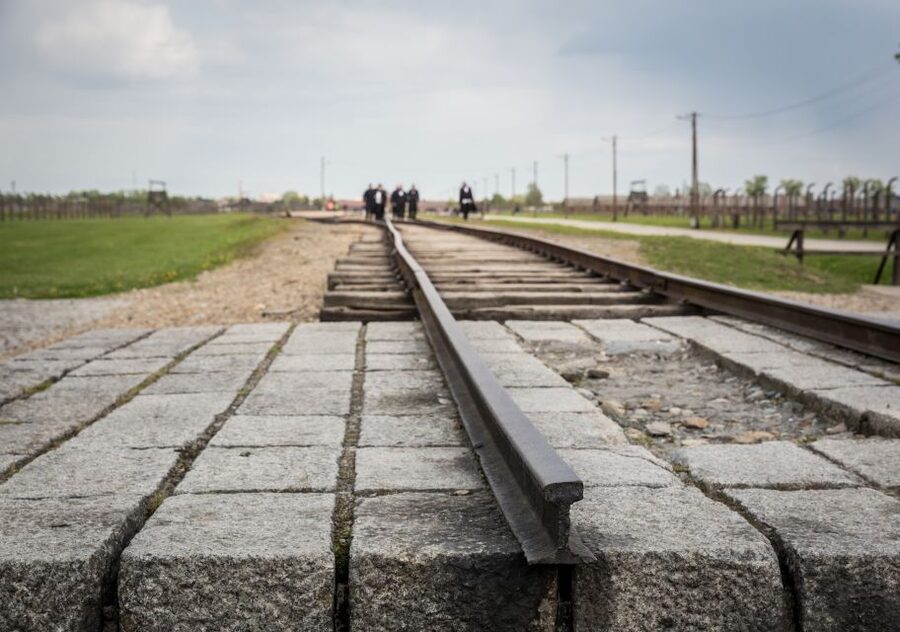
You arrive at Auschwitz-Birkenau Museum, and the tour leader helps you collect the admission ticket(s). This step is a big deal, because it prevents the most common day-trip problem, standing around while the rest of your schedule gets pushed.
From there, this tour can run in a self-guided format where there is no live guide. Instead, you get a brochure in your chosen language with the route and detailed description. That brochure approach is not just a substitute for a guide, it is a different experience. You can pause when something hits you, speed up when a section feels repetitive, and reread explanations without worrying you will fall behind.
The flip side is that you need to be comfortable with reading on-site and making sense of what you see. This is where preparation helps. Before you go, decide what you want from the visit: factual context, personal stories, or mainly an on-foot understanding of the camp layout. The brochure route supports all of that, but you will do the work of turning it into meaning.
Support does not end at ticket collection either. An assistant is at your disposal from pickup through drop-off, and reviews repeatedly praise staff for being helpful at each key point. So even in self-guided mode, you are not completely on your own.
Judenrampe and Auschwitz I: what you see first and how to pace yourself
Your route begins with a stop at Judenrampe, with about 45 minutes for the self-guided section. This is an important early moment because it frames the experience in a specific historical way, before you get into the broader structures people associate with Auschwitz.
Then you move on to Auschwitz I, with about 1.5 hours self-guided. This part of the camp is often where visitors feel the strongest need to slow down. The memorial pieces and the surviving traces are not just background. They are built to force attention.
A practical tip: give yourself permission to move slowly, even if other people speed ahead. The schedule includes bus transfers, and you do not want to arrive in the next section already rushed and exhausted. If you read the brochure carefully at the start, the later sections will make more sense.
You will also be in an environment where emotions can take over. One reason reviews emphasize the quality of support is that guides and staff are often described as friendly, helpful, and respectful, even in small moments like answering questions and managing the practical side of the cold weather. That kind of calm guidance matters because it lets you focus on what you came to understand.
Birkenau Auschwitz II: when 40 minutes can feel short, and how to use it well
Next comes Auschwitz II-Birkenau, where the time is shorter, around 40 minutes for the self-guided part. This is the section many people think of first, especially because it is strongly linked with mass killings.
Here is the main planning reality: some visitors wish they had a little more time in Birkenau. That is not surprising. The site is vast, and your brain needs time to connect the written explanations with the physical scale.
So how do you make a short window work?
- When you start, do not try to see everything at once. Pick the sections that match what the brochure explains most clearly.
- Keep an eye on where you are in the route, so you do not end up sprinting at the end.
- Take brief pauses. Even 30 seconds to stand, read, and look can do more than walking fast.
Also remember that this part of the day is still shaped by the memorial’s visitor flow. Even if your plan says 40 minutes, the actual pace can shift.
If you know you want a more guided interpretation, consider choosing the option that includes a live guide instead of the brochure-only format. Reviews mention guides such as Daniel and Simon being praised for factual communication and respectful tone, and that can be valuable when time is limited.
A few more Krakow tours worth comparing
- Krakow to Auschwitz Birkenau Guided Tour with Transfer and Ticket
★ 5.0 · 8,197 reviews - Krakow: Auschwitz-Birkenau Guided Tour with Ticket and Transfer
★ 4.5 · 3,784 reviews - Krakow to Wieliczka: Salt Mine Guided Tour with Ticket & Transfer
★ 4.5 · 3,193 reviews - Krakow to Auschwitz Birkenau Guided Tour with Ticket and Transfer
★ 3.5 · 3,062 reviews
Group logistics that reduce stress: transport, assistants, and no-large-bag rule
The bus transfer is shared, so you will be part of a group, but you still get enough movement freedom to make the day feel like it belongs to you. The air-conditioned coach is specifically listed, and comfort shows up repeatedly in feedback. It is one of those boring details that matters more than you think on a long day.
Assistance is also clearly part of the experience. The team supports you from pickup to drop-off, and they help with ticket collection. That removes a big chunk of uncertainty, especially if you are arriving from a different timezone, traveling with limited planning energy, or not confident reading the signs at a major site.
One rule to know upfront: luggage or large bags are not allowed. So pack light. If you usually bring a full daybag, it might be fine, but you should avoid anything bulky. This is the kind of detail that can ruin the first 15 minutes if you forget.
If you are the type who runs cold easily, plan for it. One review described a guide laughing in good humor when someone mentioned the cold, which hints that staff are attentive to small comfort issues even when the day is grim.
Price and value: what $21 includes, and what you must budget for
The listed price is about $21 per person, with a duration of 7 to 10 hours. That price is low compared to the cost of cobbling together your own transportation and museum admissions.
What you get for that money is the important part:
- Entry tickets to Auschwitz I and Auschwitz II-Birkenau
- A brochure in your language with the route
- Shared roundtrip transportation by air-conditioned bus from Krakow
- Assistance throughout the whole trip, including help with ticket collection
What is not included: lunch. That is the one obvious budgeting gap. You also have the scheduled café break, but you should still plan to cover food and drinks at your own expense.
The value question for me comes down to time. Because the tickets and transport are handled for you, you lose less time to coordination and more time to seeing what you came for.
Who this tour suits best, and who might want a different setup
This is not a casual outing. It is emotionally heavy, and the schedule expects a willingness to walk, read, and focus. It is also not suitable for some visitors based on the provided info.
It is listed as not suitable for:
- children under age 2, 3, 4, and 5 (based on the categories stated)
- people with mobility impairments
- wheelchair users
- babies under 1 year
So if mobility or accessibility needs are part of your planning, you should look for other options that match your situation. On a site like this, the physical constraints matter.
Who it fits well:
- You want a clean, organized day trip from Krakow without juggling tickets and transport
- You are comfortable using a brochure self-guided route
- You like the idea of staff support at handoffs, instead of only being left to figure things out
- You want both Auschwitz I and Auschwitz II in one managed flow
If you prefer a more conversational, interpretive experience, choosing the live guide option can be a better match. Reviews consistently praise the helpfulness and respectful tone of the guide staff, including named guides like Adrianna, Anges, Daniel, and Simon.
What to bring for a smoother day
This is one of those trips where packing matters more than style.
Bring:
- Passport or ID card, since that is required
Plan around:
- No luggage or large bags, so keep your daypack small
- Comfortable shoes and a layer you can adjust, because weather can change and you will be outdoors moving between areas
- A mental plan to take pauses when you need them, because the material is intense
Also note a timing reality: the start time you choose is not guaranteed, and the memorial flow can influence pacing. Build a bit of buffer into your day beyond the stated duration.
Should you book this Auschwitz-Birkenau tour from Krakow?
I would book this if you want an organized, good-value way to do Auschwitz and Birkenau in one day without wasting time on ticket logistics. The combination of included admissions, air-conditioned transport, and brochure-based routing makes it practical, especially if you do not want to rely only on an off-the-cuff explanation.
I would think twice if you know you get overwhelmed quickly by self-guided interpretation. The brochure format can be excellent, but it puts more responsibility on you to read and connect details while you are standing in place. In that case, the live guided option is likely the better fit, and you may feel more supported.
If you are emotionally ready, pack light, give yourself permission to slow down, and use the brochure route intentionally, this is a solid choice for your Krakow stop.
FAQ
How long is the Auschwitz-Birkenau trip from Krakow?
The duration is listed as 7 to 10 hours, and the exact timing can vary based on the memorial’s visitor service and the trip flow.
Is there a live guide on this tour?
There is a self-guided option with no live guide, using an informative brochure. A professional guided tour is also available as an alternative.
What is included in the price?
The package includes brochure in your language, entry tickets to Auschwitz I and Auschwitz II-Birkenau, assistance throughout the trip, and shared roundtrip transportation by air-conditioned bus from Krakow.
Where are the pickup locations in Krakow?
Pickup is optional and can include Pawia 18a (Kiss and Ride Lane in front of Mercure Hotel) or Wielopole 2 (Kiss and Ride Lane). The meeting point may vary by option booked.
Do I need to bring an ID?
Yes. You should bring a passport or ID card.
Are large bags allowed?
No. Luggage or large bags are not allowed.
Recently reviewed around Krakow
- Krakow: City Golf Cart Tour and Schindler’s Factory Museum★ 5.0 · 4 reviews
- Krakow: City Sightseeing Tour by Shared or Private Golf Cart★ 4.4 · 21 reviews
- Krakow beer review with a local guide★ 5.0 · 4 reviews
- Kraków: Romantic Candlelight Chopin Piano Concert★ 4.9 · 8 reviews
- From Krakow: Chocholow Hot Springs Evening or Daytime Ticket★ 4.7 · 72 reviews
- From Krakow: Zakopane, Tatra Mountains & Thermal Baths Tour★ 4.9 · 52 reviews
- Kraków: VIP Candlelight Concert The Music of Fryderyk Chopin★ 4.8 · 8 reviews
- Krakow: Bottomless Brunch with 3-Course Meal and Drinks★ 3.8 · 30 reviews