
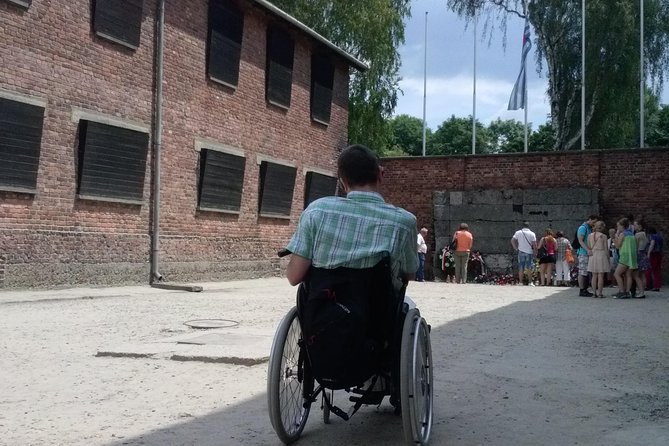
Reviewed · AUSCHWITZ-BIRKENAU MEMORIAL VISITS
Wheelchair accessible PRIVATE transfer to Auschwitz – Birkenau
This experience is interesting because it handles the hard part for you: getting from Krakow to Auschwitz-Birkenau in a way that works with a wheelchair, on a timed schedule, without squeezing you into a crowded meeting point routine. I like that it is private, so your day stays focused. Even better, the driver support can matter a lot when plans shift, and one review highlighted how Piotr stepped in to help when an Auschwitz tour time changed.
I also love the hotel pickup setup. You get picked up two hours before your entrance time, then you roll straight to the main entrance. You skip the stress of figuring out transit, parking, and “where are we supposed to meet” questions while you’re already dealing with a heavy day.
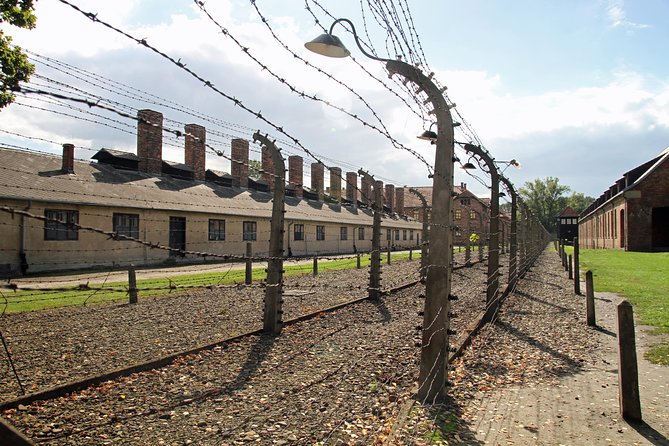
One thing to consider up front: the museum is not fully accessible, and that can shape what you can realistically see. Your itinerary still follows the museum rules, and the visit time is fixed, about 2 hours at Auschwitz I plus about 1 hour at Birkenau.
Key highlights to know before you go
- Timed hotel pickup two hours before your entrance, so you arrive when you need to
- Private wheelchair-accessible minivan for up to 5 people, with room for one wheelchair
- Electric and manual wheelchair service, plus parking fees included
- Headphone system provided, helpful when parts of the experience are hard to navigate
- A small luggage limit (30x20x10 cm) and security checks at the grounds
- Driver help can be real support, including English speaking assistance and extra problem-solving
Timed hotel pickup: the real reason this feels less stressful
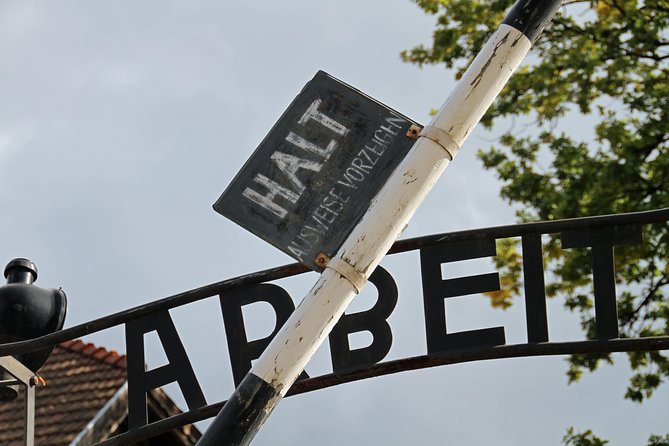
Auschwitz-Birkenau is not the kind of site where you want to rush, wander, or guess about timing. This transfer starts with a hotel pickup in Krakow and a clear instruction: you’ll be picked up about two hours before your entrance to the museum. That buffer matters, especially if you are traveling with mobility needs, because getting checked in and positioned takes time.
After pickup, you’ll spend about 1.5 hours driving to Oświęcim. The aim is simple. You arrive at the site with enough slack to get through the first steps and be ready for your scheduled entry. Since visitor numbers are limited, your ticket timing is part of the experience, not an afterthought.
If you hate last-minute scrambling, this is where the value shows. Private transport can reduce the chaos before you even reach the memorial. You can focus on one job, showing up on time for the entrance you planned.
More Auschwitz-Birkenau memorial visits from Krakow:
- From Krakow: Auschwitz-Birkenau Guided Tour & Hotel Pickup
★ 4.5 · 33,358 reviews - From Krakow: Auschwitz-Birkenau Guided Tour & Hotel Pickup
★ 4.5 · 29,340 reviews - Krakow: Auschwitz Guided Tour with Optional Hotel Pickup
★ 4.5 · 15,280 reviews
From Krakow to Oświęcim: wheelchair-accessible comfort that actually matters
This is transportation by private vehicle, using a wheelchair-accessible minivan. You can request service for both electric and manual wheelchairs, and the vehicle is set up for a layout that includes room for one wheelchair plus 4 standard seats. That detail is important. It means your group stays together and your seating plan is predictable.
You’ll also have an English speaking driver, which helps with practical things like timing, where to position for the main entrance, and keeping the flow smooth. The driver adapts to individual needs, but the key point is that they still have to follow museum regulations. So, think of this as support for logistics, not a guarantee to break rules or change what the site allows.
One more practical note: this uses a mobile ticket. You’ll want to keep it handy, along with your required documents (more on that soon). For a trip with strict security and limited access, having everything ready makes a noticeable difference.
Auschwitz I: what your main entrance visit is designed to cover
Once you arrive, you are taken to the main entrance of the museum. Here’s the part that can affect your day the most: you need to buy museum tickets in advance, because the number of visitors is limited. The transfer does not include the museum entrance fee, so you’ll pay that separately, but the timing and delivery to the correct entry point are handled.
The Auschwitz I portion is scheduled for about 2 hours of visiting. That duration is long enough to get a structured understanding of what you are seeing, but it is not open-ended browsing. So come prepared to follow the pace you need. If you use a wheelchair, you’ll want to think in terms of supported navigation, fewer “stop and stare” moments, and more “stay with the route” energy.
The transfer also helps you manage the emotional weight. When you are not juggling transit logistics, you can move through the site with less friction. That may sound small, but on a memorial day, small frictions add up fast.
And since your driver will be on hand for the next leg, you can treat this segment as the core introduction phase. When you leave Auschwitz I, you’ll head to Birkenau with a clearer sense of context.
Birkenau transfer: making the most of the one-hour window
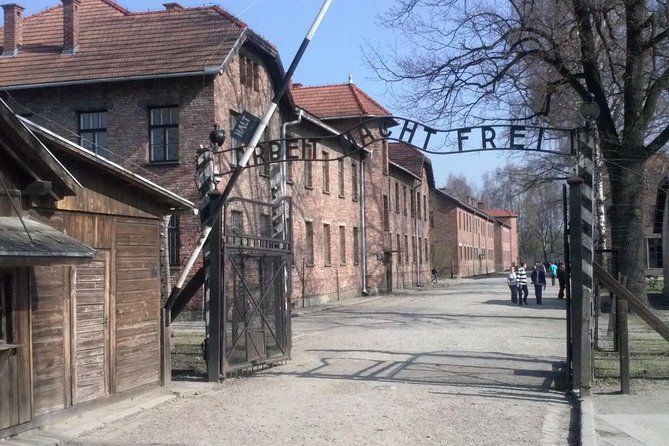
About 1.5 hours driving brings you to the broader area, but within the day, there is a second move. After your Auschwitz I visit, you’ll be taken by the same minivan to Birkenau. The additional time here is about 1 hour.
That may feel short, especially because Birkenau is spread out and emotionally intense. But the transfer is built around the realities of a timed schedule and museum operations. In practice, it means you should arrive at this portion with a plan in your head: focus on key areas, follow the route, and prioritize what will matter most to you.
This is also where headphone support can help. You’ll be equipped with a headphone system to make listening and orientation easier. The site is not fully accessible, so having audio support can help you stay connected to the information even when moving through certain areas is slower.
If you need extra time in either section, the driver will adapt where possible, but museum rules still set the boundaries. I would treat the Birkenau hour as a meaningful second act, not a full rewrite of what you saw at Auschwitz I.
A few more Krakow tours worth comparing
- Krakow to Auschwitz Birkenau Guided Tour with Transfer and Ticket
★ 5.0 · 8,197 reviews - From Krakow: Auschwitz Birkenau Tour with Transfer
★ 4.0 · 6,134 reviews - Krakow: Auschwitz-Birkenau Guided Tour with Ticket and Transfer
★ 4.5 · 3,784 reviews - Krakow to Wieliczka: Salt Mine Guided Tour with Ticket & Transfer
★ 4.5 · 3,193 reviews
Accessibility reality check: what’s included, what’s not, and how to prepare
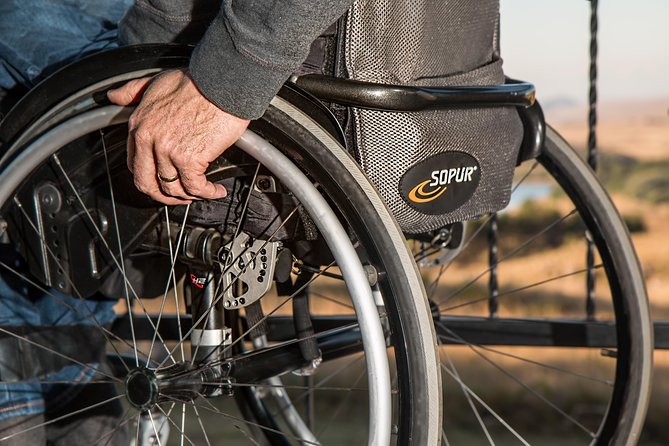
Here is the honest accessibility picture. The museum is not fully accessible, even though this transfer is wheelchair-friendly. That means you should expect some areas to be difficult depending on the exact path, surface, and internal regulations on the day you visit.
What’s included that helps:
- Wheelchair-accessible minivan
- Service for both electric and manual wheelchairs
- A layout with space for one wheelchair
- A headphone system to support the visit
What you should prepare yourself for:
- The need to follow museum regulations (your driver cannot override them)
- Security screening and site rules that affect pacing and where you can go next
- Limited time in each zone, which matters if you travel slower or need more resting moments
You also need to be ready for the site’s restrictions on belongings. The maximum bag size is 30x20x10 cm. The grounds include security checks, including electronic device screening to detect dangerous materials and objects. If you refuse checks, you will not be allowed on the grounds. So I recommend traveling with only what you truly need, and keeping everything compact.
Finally, bring the right identification. You need a document with a photo, name, and surname. This is not a “bring your phone and you’ll be fine” situation. Have the required ID ready before you arrive at the screening area.
Price and value: what $295.87 covers for a private, wheelchair-focused day
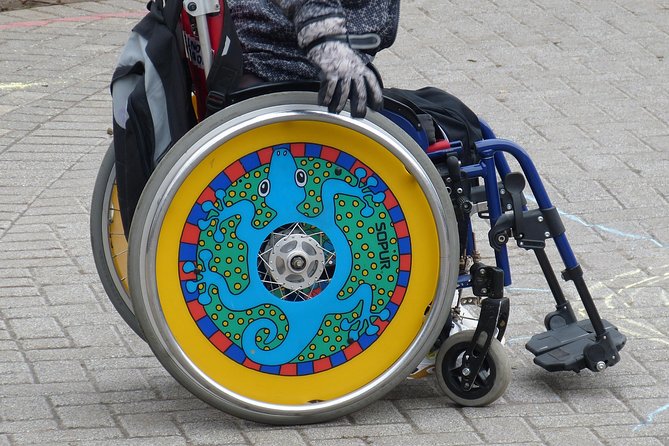
The price is $295.87 per group, up to 5 people. Entrance tickets and food are not included. So on the surface, it can look like a lot. But when you break it down, it is often good value for the specific problem it solves.
You are paying for:
- Round-trip private transport from Krakow
- A wheelchair-accessible minivan
- Parking fees
- Pickup and drop-off at your accommodation
- Service support for electric and manual wheelchairs
- An English speaking driver for logistics and coordination
For many people with mobility needs, the biggest cost is not just money. It’s stress. It’s the energy you spend figuring out transit, accessibility options, and how to make timing work with museum entry windows. This transfer handles the biggest logistics blocks, so you spend your attention where it counts.
If you are traveling with more than one person, the group structure helps the price feel more reasonable. And because it is private, you are not planning around other people’s pacing or accessibility needs.
Who should book this private transfer, and who might not
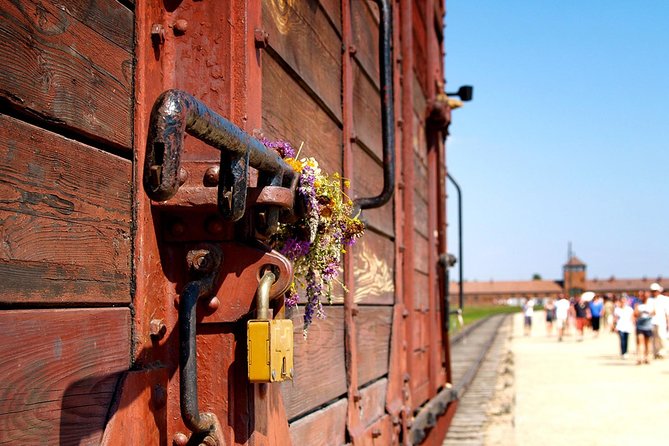
This transfer is a strong fit if you:
- Need a wheelchair-accessible private vehicle
- Want hotel pickup and a clear plan with no meeting point stress
- Prefer a private group instead of sharing the day with others
- Value practical support like headphones and a driver who handles the logistics
It may be less ideal if you:
- Are hoping for a very flexible schedule. The Auschwitz I and Birkenau visit times are set, and museum rules control what happens.
- Are traveling with a child. The experience is not recommended for child aged 14 and under based on the provided info.
- Need fully accessible museum areas. Since the museum is not fully accessible, your route options may be limited.
If you are using a wheelchair, I’d also plan your day around the reality that the transfer can get you to the right areas, but it can’t change site accessibility. The better your preparation (small bag, ID ready, entrance timing set), the smoother your visit will feel.
Should you book? My take for the best fit
Book this transfer if you want a calm, organized way to reach Auschwitz-Birkenau with wheelchair-accessible private transport and a driver who takes logistics seriously. The hotel pickup is a big win, and the fact that the day is designed around timed entry is exactly what you want for a site with limited visitor capacity.
Also, the standout point from real feedback is driver support. One review specifically praised Piotr for solving a tough scheduling change and helping the group still participate in the tour. That’s the kind of reassurance you only notice when something goes wrong, and that is when this transfer’s value can feel very real.
Skip it or consider alternatives if you need more flexibility than a set schedule allows, or if you require full museum accessibility everywhere. With that said, for most people who want a wheelchair-ready, private logistics plan, this is the kind of service that removes obstacles you should not have to think about on this day.
FAQ
How early will you pick me up for Auschwitz-Birkenau?
You’ll be picked up from your accommodation in Krakow about two hours before your entrance to the museum. You need to specify your entrance time when booking.
Is this transfer shared with other groups?
No. This is a private transfer, so only your group participates.
Is the museum fully wheelchair accessible?
The information provided says the museum is not fully accessible, even though the transfer itself is wheelchair accessible.
What’s included in the transfer price, and what is not?
Included: hotel pickup and drop-off, private wheelchair-accessible transport, service for electric and manual wheelchairs, an English speaking driver, and parking fees. Not included: museum entrance fees and food and drinks.
Do I need to buy museum tickets in advance?
Yes. The number of visitors is limited, and you are advised to buy your tickets in advance.
How long is the visit at Auschwitz I and at Birkenau?
You’ll spend about 2 hours visiting Auschwitz I, then about 1 hour for the additional visit at Birkenau.
What documents and bag size do I need?
You need a document with a photo, name, and surname. The maximum bag size allowed is 30 x 20 x 10 cm, and security checks are required.
Can I cancel and get a full refund?
Yes. You can cancel for a full refund if you cancel at least 24 hours before the experience start time. Free cancellation is offered, and the cut-off times are based on local time.
Recently reviewed around Krakow
- Wawel Castle and Cathedral Guided Tour★ 4.6 · 44 reviews
- Walking Tour: Kazimierz, Jewish Quarter – 2-Hours of Magic!★ 4.7 · 35 reviews
- Wawel Castle and Cathedral Guided Tour★ 5.0 · 8 reviews
- Kraków Holocaust Tour★ 4.9 · 5 reviews
- Wadowice and Kalwaria: John Paul II Route★ 4.8 · 5 reviews
- VIP Club Entry and Booth Booking★ 5.0 · 4 reviews
- Walking Tour of Krakow: Old town – 2-Hours of Magic★ 4.7 · 5 reviews
- From Krakow: Wadowice & Sanctuary of Divine Mercy Tour★ 4.8 · 69 reviews