
Reviewed · SCHINDLER'S FACTORY TOURS
Schindler’s Factory Visit & Skip-the-Line Entry
Schindler’s Factory is interesting because it turns Krakow during the Nazi occupation into a walk-through story, not just a static museum. You get skip-the-line entry paired with an English guided route that connects people, places, and dates in a way that sticks.
I especially like that the experience uses modern multimedia and eyewitness-style material to make the history feel immediate. I also like the practical support, including headsets that help you follow the guide clearly even inside busy rooms. The main thing to consider is pacing, since the tour is short (about 1.5 hours) and some groups can feel crowded in tighter spaces.
Key takeaways before you go
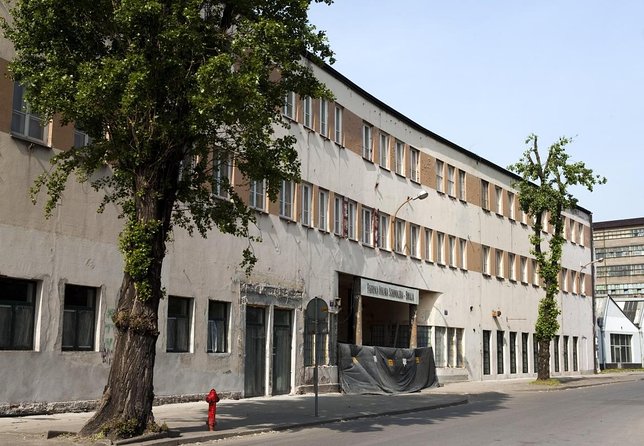
- Guaranteed skip-the-line entry to Schindler’s Factory Museum, plus a guide to make sense of what you’re seeing
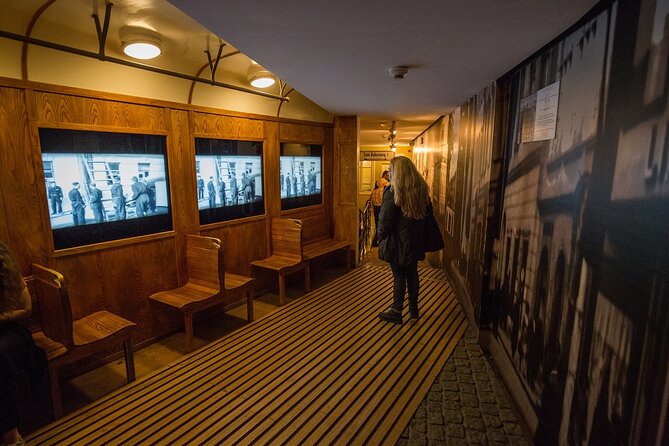
- Multimedia and set-like rooms including a tram scene and a ghetto labyrinth with an apartment setting
- A guided narrative that goes beyond Schindler alone, covering Krakow and the fates of Polish and Jewish inhabitants
- Headsets for clearer English audio, which many people found worked flawlessly
- Plan for crowd flow and limited reading time in the smaller exhibit areas
- Bring your ID and match the ticket name exactly, or entry can be denied
A WWII museum that feels like a guided story, not a lecture
This is a focused, 90 minute guided visit through Schindler’s Factory Museum in Krakow, in English. The value is not just that you get tickets included, but that you get a guide shaping your experience so you do not miss the meaning behind the exhibits.
The museum route is built like a sequence. You start in the story of occupied Krakow and the factory owner Oskar Schindler, then you move through recreated spaces and media that show how daily life shifted into persecution. Expect lots of listening as you walk, not just looking at glass cases. People consistently praise how the tour gives context that makes the exhibits readable, especially if you have seen Schindler’s List and want the real-world background.
One more practical point: you are walking through rooms designed for crowds. That is great for energy and shared focus, but it means you should be ready for occasional bottlenecks.
More Schindler's Factory tours to compare:
- Krakow: Oskar Schindler’s Factory Entry Ticket & Guided Tour
★ 4.2 · 3,793 reviews - Krakow: Schindler’s Factory Tour with Entrance Ticket
★ 4.5 · 3,182 reviews - Krakow: Schindler’s Factory Skip-the-Line Ticket
★ 4.4 · 3,105 reviews
Price and timing: what $50.46 buys you in 1.5 hours
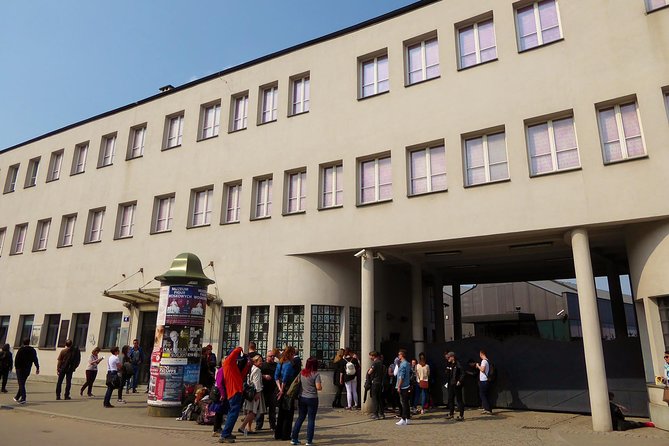
At $50.46 per person, you are paying for four things at once: skip-the-line entry, a guided route, admission included, and a structured visit length of about 1 hour 30 minutes. For this museum, that combination matters, because Schindler’s Factory can be overwhelming if you arrive cold and try to read everything on your own.
Your time is limited, and that is not a small detail. Some exhibits are built for quick stops, especially in confined areas. If you love slow museum browsing with deep reading, you might want extra time on your own outside the tour block, since the guided format keeps you moving.
Also note that scheduling is flexible in the later part of the stated window. From January 1, 2026, the times are approximate and can shift due to the museum’s scheduling system. You can pick a preferred time, but the exact start is not guaranteed. This is one reason I suggest you avoid booking this right on top of a very tight dinner or evening plan.
The ID rule that can ruin your day
Here is the one logistics detail I take seriously: your ticket name has to match your ID. The museum uses personalized tickets, so you must provide the full names of all participants when reserving. Bring a passport or ID, and make sure the surname and given name match what is on your ticket.
This is not about strict bureaucracy for fun. It is about controlled entry. If your name is off by even one character, staff may deny entry. To stay calm, I recommend double-checking spelling immediately after you book.
If you are traveling with kids, double-check their documents too. And if you share your hotel booking name with a different spelling than your passport, correct it during reservation. It is a small effort that prevents a big headache.
Entering Fabryka Emalia Oskara Schindlera: what the tour actually walks you through
The entire experience centers on the Schindler’s Factory Museum at Fabryka Emalia Oskara Schindlera. Even though the building name sounds industrial, the visit is more like walking through a timeline of occupied Krakow, shaped by exhibits, reconstructions, and multimedia.
Here is what you should expect, in the order the tour experience flows.
Another way to spend a day around Krakow:
- From Krakow: Auschwitz-Birkenau Guided Tour & Hotel Pickup
★ 4.5 · 33,358 reviews - From Krakow: Auschwitz-Birkenau Guided Tour & Hotel Pickup
★ 4.5 · 29,340 reviews - Krakow: Auschwitz Guided Tour with Optional Hotel Pickup
★ 4.5 · 15,280 reviews - Krakow–Zakopane: Cable Car, Chocholow Baths, Cheese & Vodka
★ 5.0 · 10,720 reviews
1) Occupied Krakow meets Oskar Schindler
You begin with the broader setting: Krakow under Nazi occupation, and how Polish and Jewish residents were pushed into brutal, controlled systems. The guide connects this to Oskar Schindler and what is recalled in Steven Spielberg’s film, but the tour’s focus is not only Schindler as a character.
This is good to know before you go. Some people arrive thinking it will be mostly about Schindler’s personal choices. Instead, the guided narrative builds a timeline that starts before WWII and continues through liberation, helping you understand how the persecution escalated and how communities were affected.
If you like history explained in plain sequence, this structure helps. If you want only a biography, you may feel the emphasis shifts toward the larger story of Krakow.
2) Cobbled streets, then indoor rooms that look and feel real
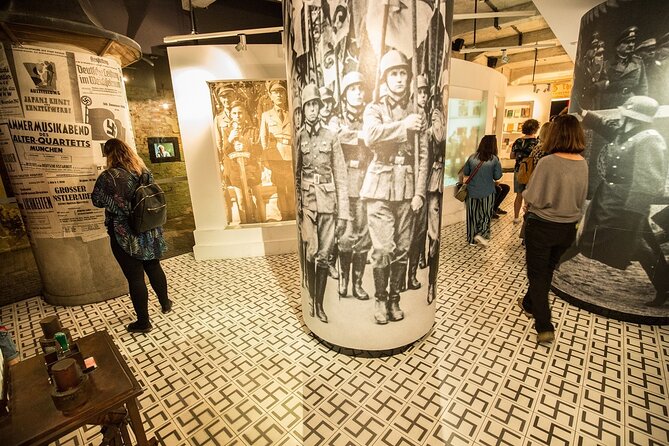
The route includes walking through occupied Krakow scenes. You then enter set-like areas such as a hairdresser and a photographer. These spaces are useful because they represent how life changed. You are not just shown facts, you are shown the idea of ordinary routines that got dismantled.
The payoff is emotional clarity. When you move from one mini-world to the next, it becomes easier to connect how policy translated into daily reality.
3) The photoplasticon and other multimedia that make evidence feel immediate
One standout is the authentic photoplasticon plus other modern multimedia displays. These are there to give you evidence and atmosphere, not just decoration. The guide helps explain what you are looking at so you do not treat it like a movie screen with no context.
People also highlight how interactive elements and multimedia presentation help you follow the story. In a museum where reading can be limited by time, that is a smart design choice.
4) A tram ride scene and a film look through the windows
You will get on a tram as part of the route, with a film visible through the windows. This is one of those transitions that feels like a reset button. You go from walking through rooms to sitting inside a transport experience that shows how the city itself carried people along, often toward worsening conditions.
If you learn well through visual storytelling, you will likely appreciate this part.
5) The ghetto labyrinth and a Jewish apartment space
Next comes one of the most intense sections: a narrow labyrinth representing the ghetto, with a Jewish apartment inside. This is not just a pretty display. It is built to help you understand confinement and the way homes became parts of the machine of persecution.
The guide’s commentary matters here, because the space can feel confusing if you are trying to interpret it alone while also moving with the group. The route keeps you moving, but the explanation turns the layout into meaning.
6) Moving toward Płaszów and the camp story
The tour ends this segment by moving from the ghetto setting toward the camp in Płaszów. This closing arc is important. It gives you an ending point to the timeline, instead of leaving you with only the middle period of occupation.
In this museum, the emotional impact is unavoidable. What you can control is your preparation. If you come with a bit of WWII context, the tour becomes less confusing and more powerful.
Guides, headsets, and why the narration matters so much
A big theme in the positive feedback is the guide. People mention guides like Helen and Barbara by name, and the common thread is clarity and sensitivity when explaining the material.
What makes a guided visit worth it here is simple: the museum contains layered media and reconstructions. Without a guide, you can look at exhibits and still leave with questions like, what did this mean, and why does this detail matter? A good guide solves that by turning the museum into a story with a sequence.
Audio support also makes a difference. Many people report that headsets worked flawlessly and the sound quality was very good. In English, that can be the difference between keeping pace with the guide or constantly asking what you missed.
One practical downside to watch for: when group sizes get large, some people feel rushed or squeezed in narrow spaces. If you notice that the route is moving faster than you want, focus on letting the guide’s summary carry you. Then, if you still want to read more, consider doing a slower independent pass afterward if your schedule allows.
Group size and pacing: when a short tour feels rushed
The tour runs about 90 minutes, so pacing is baked in. That can feel great when everything flows smoothly. It can feel rough when you are stuck behind another group or trying to move through tight rooms.
Several issues show up in the same pattern:
- Large groups can compress movement in confined areas
- Limited reading time means you might not absorb every label and display
- Time pressure can appear if the guide is trying to reach the next museum time slot
In plain terms, this is a choose-your-own-comfort situation. If you handle crowds well and enjoy being guided, you will likely find the experience powerful and efficient. If you hate rushing, you may want either a smaller-group option or extra time to revisit sections later.
Also, check your meeting expectations. Some people report confusion at the start, like not knowing where to wait. You can reduce this risk by arriving early, keeping an eye out for your group, and asking the tour representative if you feel lost.
Who should book this Schindler’s Factory skip-the-line visit
This tour is ideal if you want:
- An English guided route through a museum that can be hard to interpret alone
- A structured timeline focused on Krakow during Nazi occupation
- A visit format that includes reconstructions like the tram scene and ghetto labyrinth
- Efficient use of time, since the tour is short and admission is included
It is also a strong pick if you have watched Schindler’s List and want the real-world context around the film. Just remember: the tour is not only a Schindler biography. It is also about what happened to Krakow’s Polish and Jewish residents.
If you are traveling with teenagers, the tour can work well. Several people specifically mention teens enjoying it, especially because the guided narrative adds clarity to heavy history.
If you are extremely sensitive to crowding or hate rushing, you might find the group flow frustrating. In that case, plan for a slower follow-up visit if possible.
Book it or skip it?
Book it if you want a guided, skip-the-line way to understand Schindler’s Factory without getting lost in labels and multimedia. The best parts are the structured storytelling, headsets that make English easier to follow, and the way the museum route moves through meaningful spaces like the tram scene and the ghetto labyrinth.
Skip it or choose a different format if you prefer quiet, unhurried museum reading. This tour is built for momentum, and some visitors feel squeezed or rushed in the tighter rooms. If your schedule is flexible, you can also pair this with a slower independent walk later to catch anything you want to read more carefully.
FAQ
Is entry to Schindler’s Factory Museum included, and do I really skip the line?
Yes. The experience includes an admission ticket and offers skip-the-line entry to Schindler’s Factory Museum. Still, you may need a quick check-in with staff when you arrive.
How long is the guided tour?
The duration is about 1 hour 30 minutes.
What language is the tour offered in?
The tour is offered in English.
Do I need to bring ID for museum entry?
Yes. You must bring a passport or ID, and the name on your ticket must match the name on your document. If names do not match, entry may be denied.
What kinds of exhibits and scenes should I expect inside?
You can expect a guided route through occupied Krakow settings, including places like a hairdresser and photographer, multimedia elements like a photoplasticon, a tram segment with film viewed through windows, and a ghetto labyrinth with a Jewish apartment setting that connects to the story of Płaszów.
Can I cancel if my plans change?
You can cancel for a full refund if you cancel at least 24 hours before the experience start time. Canceling later than that does not include a refund.
Recently reviewed around Krakow
- Krakow: City Golf Cart Tour and Schindler’s Factory Museum★ 5.0 · 4 reviews
- Krakow: City Sightseeing Tour by Shared or Private Golf Cart★ 4.4 · 21 reviews
- From Krakow: Chocholow Hot Springs Evening or Daytime Ticket★ 4.7 · 72 reviews
- Krakow beer review with a local guide★ 5.0 · 4 reviews
- Kraków: Romantic Candlelight Chopin Piano Concert★ 4.9 · 8 reviews
- From Krakow: Zakopane, Tatra Mountains & Thermal Baths Tour★ 4.9 · 52 reviews
- Kraków: VIP Candlelight Concert The Music of Fryderyk Chopin★ 4.8 · 8 reviews
- Krakow: Bottomless Brunch with 3-Course Meal and Drinks★ 3.8 · 30 reviews