

Reviewed · COMMUNISM & NOWA HUTA TOURS
Nowa Huta Tour Krakow: Ideal Communist City Small Group Walk
Nowa Huta is the kind of place where you can read ideology on the walls. This small-group walk turns Krakow’s former Communist showcase district into something you can actually understand, from the big squares to the small everyday habits that grew around them.
I especially like how the tour teaches you to decode Soviet-style design choices instead of treating them like random buildings. I also like the mix of “then and now,” including a stop that lets you see the neighborhood as it is today, not just as an exhibit.
One possible drawback: this is still a history walk, so if you only want relaxed sightseeing with zero heavy context, it might feel a bit weighty. Bring comfortable shoes because you’ll be moving for about 4 hours.
Key points to know before you go
- Plac Centralny (Central Square) is the starting clue, built for the Communist ideal, and now a real-world public space you can read differently.
- Lenin’s monument site helps you connect propaganda with what actually replaced it after the political shift.
- A Russian tank and the surrounding stories give you the “how they planned to defend everything” angle of Communist architecture.
- Vodka tasting plus zapiekanka makes the era feel normal, not staged.
- Lord’s Ark (Arka Pana) shows how residents built hope by hand and why the church became a symbol.
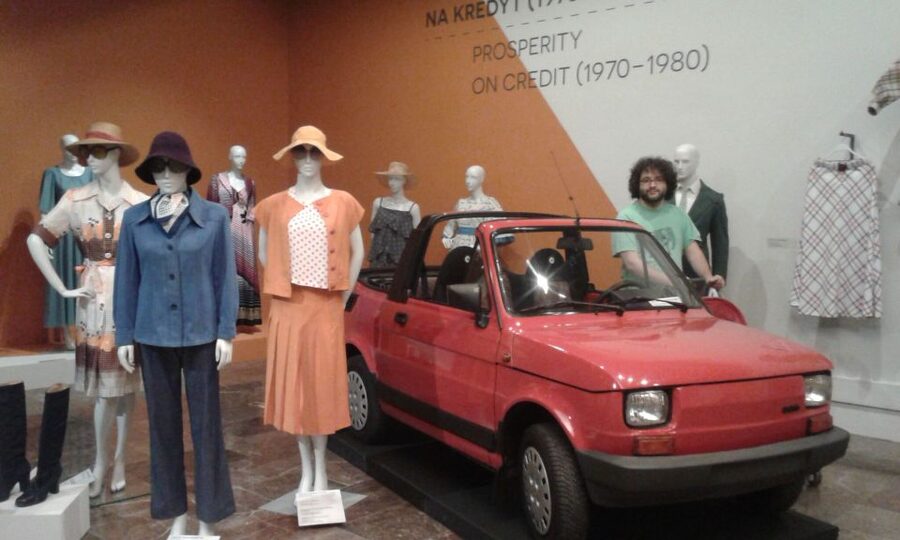
- Museum time adds context, and a café stop helps you see how Nowa Huta lives now.
Entering Nowa Huta, where ideology is built in
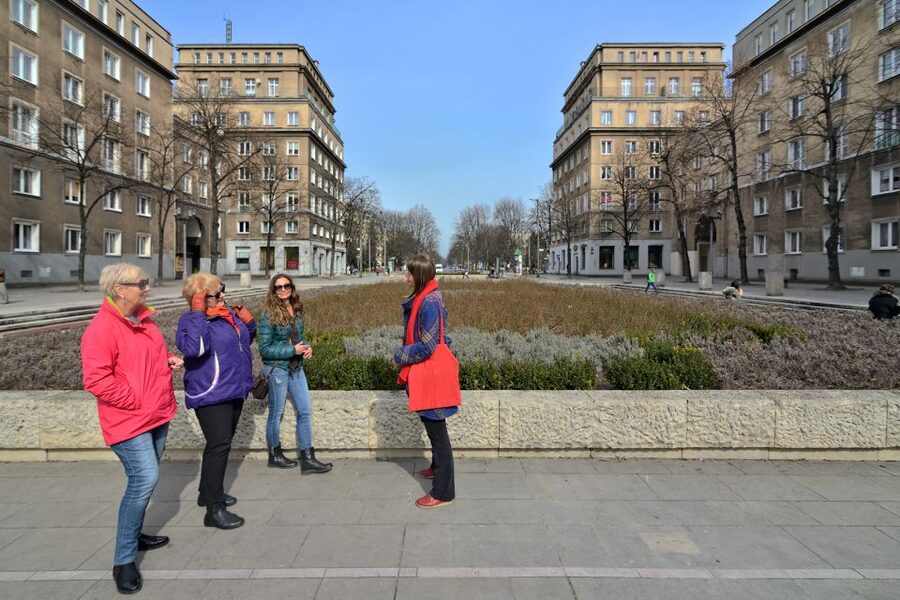
Nowa Huta was planned as a Communist model city. You can feel that planning in the layout, the scale, and the way the streets seem designed for big collective life rather than quiet individual routines. On this walk, the goal is not to argue history. It’s to help you understand the logic behind what was built, then watch how people made it theirs.
This is exactly where a guided walk matters. Without guidance, you might see impressive buildings, then move on. With a guide, you start asking better questions: Why was this square so huge? Why are certain streets arranged the way they are? What was the message meant to be, and what did everyday people do with that message once the system changed?
I also like that the tour uses real neighborhood stops, not only “look and leave” photo moments. You’ll step through areas where people have lived for decades, and you’ll get a sense of how the district has reshaped itself since Communism fell.
If you’re lucky, you’ll get a guide who can tell the stories with personality. Past groups have been led by guides like Anna and Barbara, and both names show up for a reason: they make the details click, and they’re comfortable answering questions.
More Nowa Huta and communist-era tours to compare:
- Krakow: Nowa Huta Guided Tour in Vintage Car
★ 4.9 · 277 reviews - Legendary Private Nowa Huta Communism Tour with Crazy Guides
★ 5.0 · 262 reviews - Nowa Huta: Steelworks Administration Buildings/Shelters Tour
★ 4.9 · 160 reviews
The heart of the planned city: Plac Centralny
Most tours begin in a photo-friendly spot. This one starts at the real nerve center of the planned district, Central Square (Plac Centralny). It’s enormous, and that size is the point. Communist city planning often aimed to create spaces where mass events would feel effortless, and where the state’s presence would be hard to ignore.
From here, you’ll move through the neighborhood with a “read the design” mindset. The guide helps connect architectural choices to the ideas behind them, like how the public spaces guide movement, or how the monumental tone of certain buildings tries to shape emotion.
What makes this stop valuable is the way it trains your eye. After Plac Centralny, you’ll notice the difference between:
- buildings meant to project authority, and
- streets shaped by practical daily life.
Potential downside? If you hate walking long distances, you might find the early pace more active than you expected, since you’re covering a lot of ground in one half-day. The upside is that the tour stays focused, so you’re not wandering without purpose.
The WWII-era landmark mindset, and why it feels like a museum now
After the square, the route focuses on the area’s most notable landmark that was planned right after WWII. In this district, those postwar plans didn’t stay frozen. Today, the architecture can feel like a layered museum, with ideas and styles from different moments visible in the fabric of the site.
This is where the tour’s core promise comes through: you’re not just seeing buildings, you’re learning why they look the way they do. The guide helps you understand the ideology written into the design, then explains how reality complicated the blueprint.
A good trick for this part: pause and look around from one corner before you keep walking. Try to spot the differences in style and the “why” behind them. You don’t need an architecture degree. You just need the guide’s context so the buildings stop being generic and start being meaningful.
Lenin’s former monument spot: propaganda, then replacement
Next up is a place where a huge Lenin monument used to stand. Even if you never saw the monument in person, the story matters because it explains how political power was meant to be visible at all times.
What you’ll get from this stop is a clearer idea of how Communist symbolism worked in Poland. It wasn’t just official documents and slogans. It was also physical. Big figures and grand spaces acted like reminders, day after day.
Then comes the shift. The tour shows you how the area moved beyond that era, and how locals reinterpreted or replaced the visual message. That contrast is one of the most powerful ways to learn history. You can’t unsee the before-and-after once you’ve walked through the neighborhood with that comparison in mind.
More walking tours in Krakow:
- Old Town Krakow & Wawel Castle Walking Tour
★ 5.0 · 1,508 reviews - Creepy Krakow: 2-Hour City Walking Tour
★ 4.7 · 1,131 reviews - Krakow: The Old Town Walking Tour
★ 4.8 · 794 reviews - Krakow: Kazimierz Jewish Quarter Walking Tour
★ 4.8 · 571 reviews
Communal life, vodka tasting, and the comfort-food angle
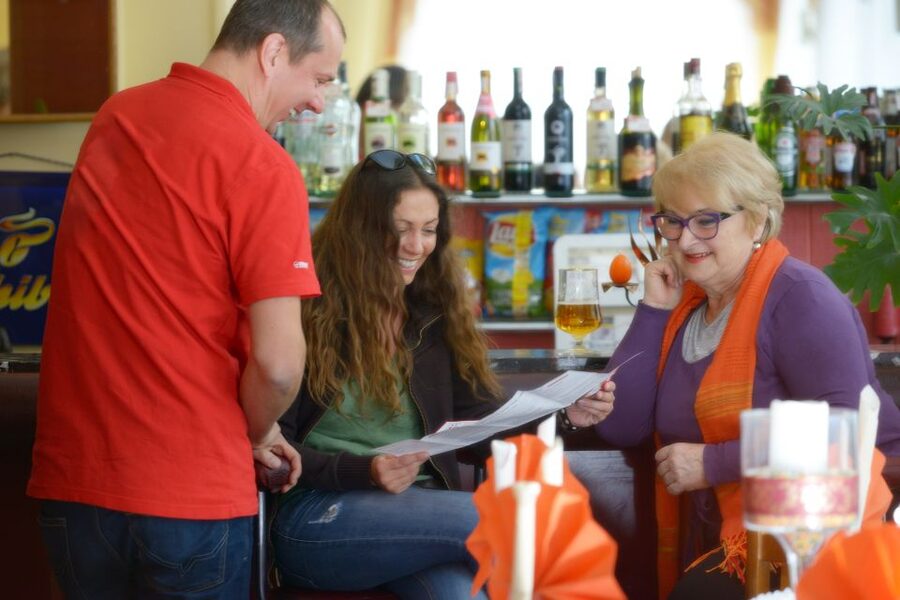
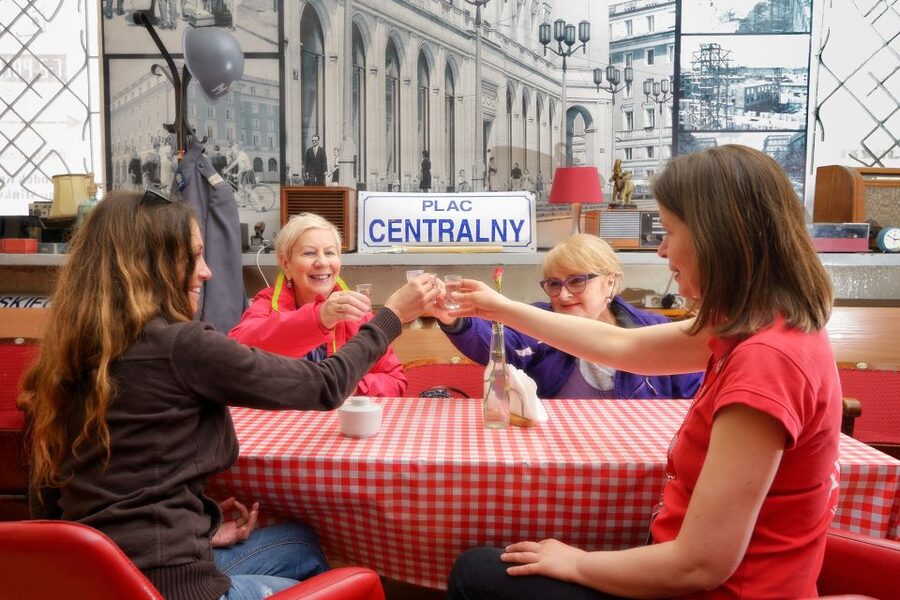
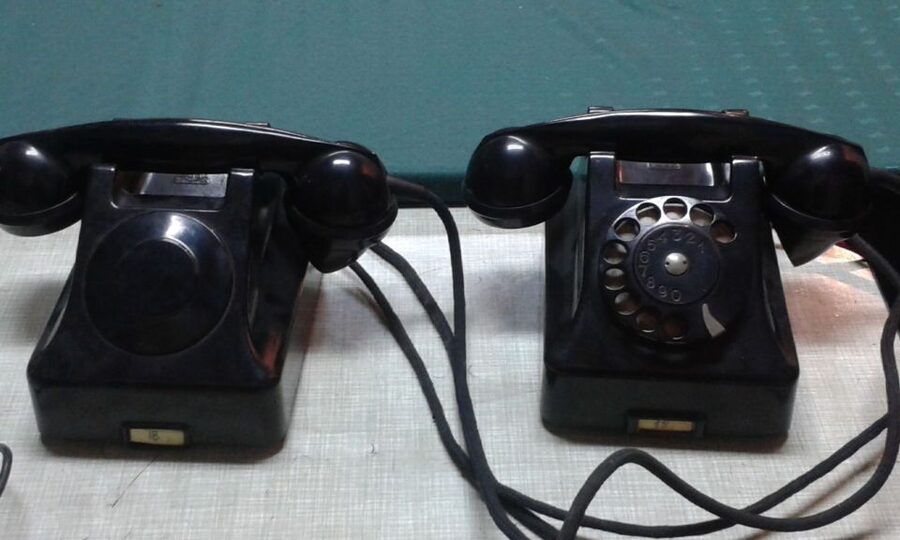
History gets easier when it includes human routine. That’s why the tour includes a stop at a bar for a shot of vodka, the kind of quick, social moment you might imagine from the Communist era.
You’re not only tasting. You’re also learning how everyday life actually felt. The guide frames vodka as part of social bonding and routine, not as a cartoon prop. It helps you understand how people survived their reality, joked about it, and kept going.
You’ll also snack on zapiekanka, a typical, classic treat that pairs well with the mood of the tour. This is the “food as memory” approach, and it works. When you eat what locals eat, even a simple bar meal turns into a small window into daily life.
If you don’t drink alcohol, you might want to note that vodka tasting is included as part of the experience. The data doesn’t say alternatives are guaranteed, so you may want to ask your guide in advance if you have dietary or personal reasons to avoid it.
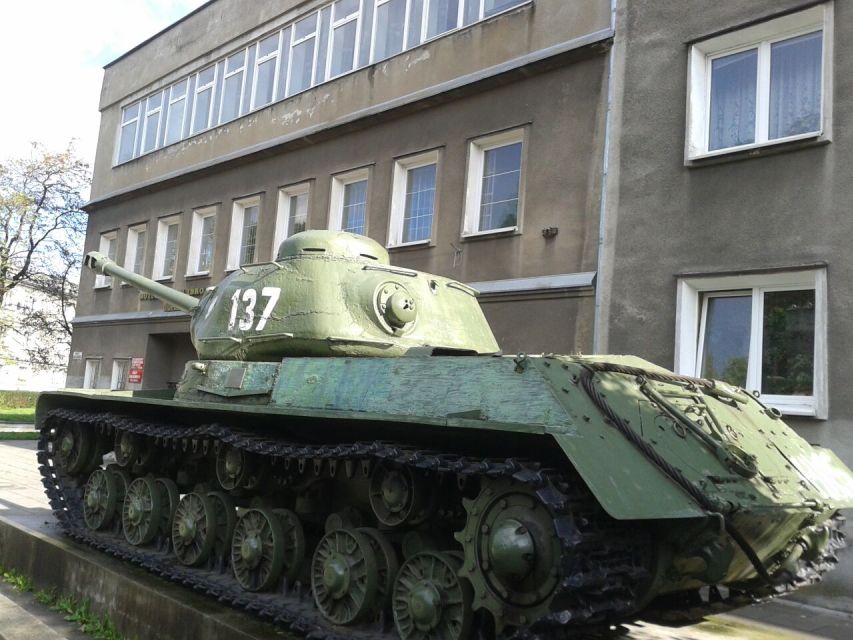
Seeing the Russian tank and the protection system stories
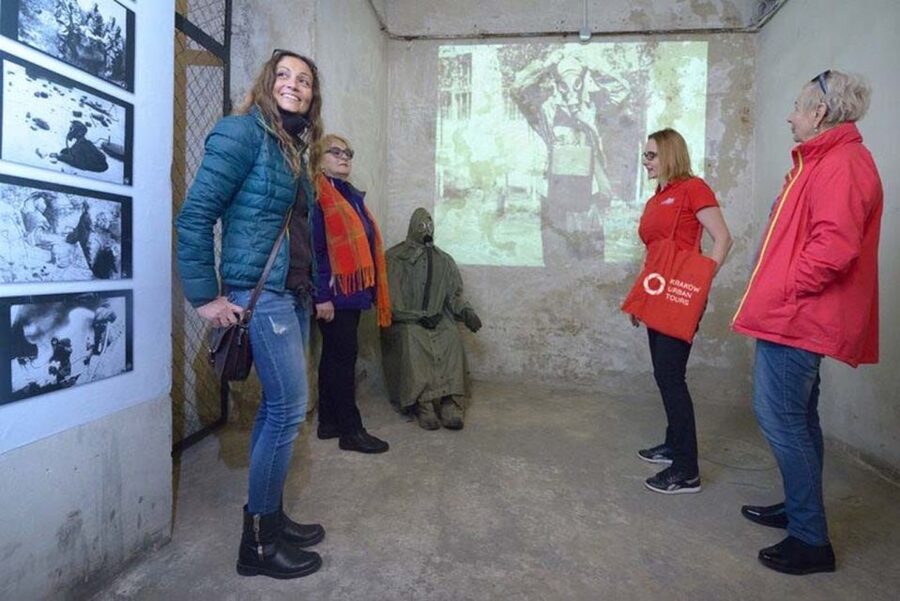
One of the most visually memorable stops is a real Russian tank left after the war. It’s a powerful image, and the guide uses it to explain a bigger point: the Communist planners also designed protection into the city’s planning logic.
You’ll hear stories about the huge protection system invented by Communist architects. Even if the technical details are complicated, the tour keeps it understandable. The tank is the anchor. The surrounding context explains why the district was built with defense thinking in mind.
This stop is also great for mixed groups, including families. One of the tour notes in the guide feedback highlights that the bunker and related elements can be interesting for both children and adults. Even if your group isn’t traveling with kids, the tank moment is a “visual hook” that makes the history easier to remember later.
The market stop: where daily life still happens
A planned city can still become a living city, and that’s why the route includes a market where locals spend time socializing, buying groceries, and selling clothes and homemade sweets.
This isn’t a “tourist market” presented as an attraction. It’s the opposite. It’s practical life. And that matters because it shows how people re-claimed spaces originally designed for state-centered purposes.
You’ll likely notice two things here:
- the normal rhythm of buying, selling, and chatting, and
- the way the neighborhood now supports everyday needs, not big political ceremonies.
If you like street-level travel, this is one of the best-value parts of the tour. You get atmosphere plus context, and you can keep your questions simple: What do people do here daily? How did the area change over time? The guide can connect your observations to the district’s history without making it feel like a lecture.
Lord’s Ark: a church built by residents, by hand
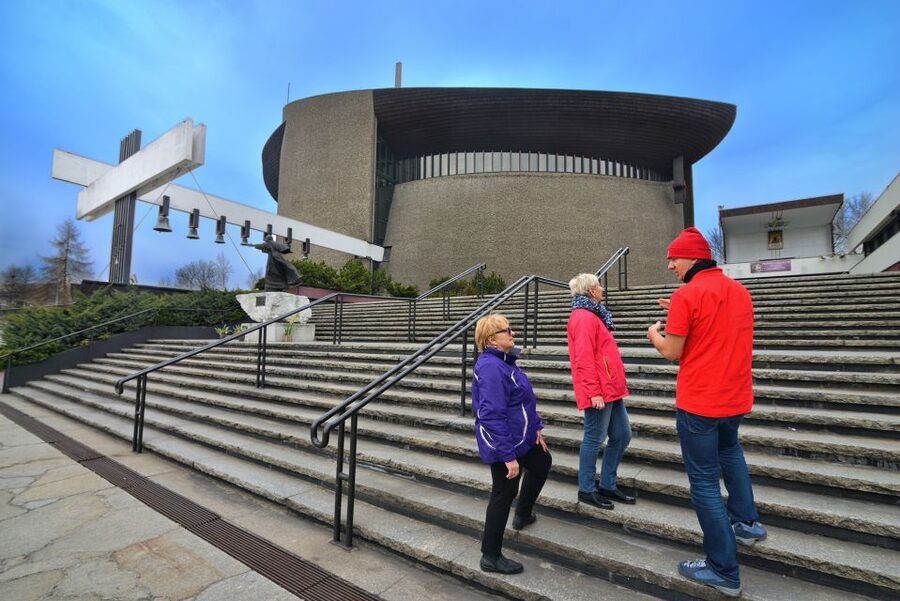
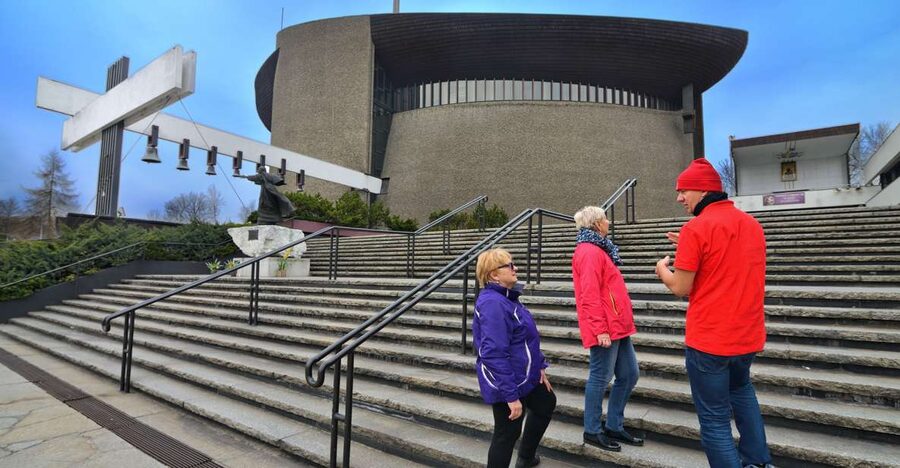
The emotional high point for many people is the church known as Lord’s Ark (Arka Pana). The tour presents it as a symbol of the long fight for freedom and democracy, not just as an impressive building.
What makes it especially meaningful is the detail that it was built by residents completely by hand. That fact turns the church from “a site to photograph” into a story about community effort, determination, and the stubborn courage of ordinary people.
Architecturally, you’ll also be guided through what you see. The point isn’t to name every style element. It’s to help you notice how the church’s look reflects the kind of resolve behind it.
If you’ve visited other parts of Krakow and want something that feels more personal and human, this stop delivers. It’s also a good way to balance the heavier political context earlier in the walk.
Museum ticket time, and what it adds to your street-level walk
The tour includes an entrance ticket to the communist museum, and I’d treat this as your “connect-the-dots” segment.
Street scenes are powerful, but they can feel fragmented if you don’t have context. The museum helps you place the district in the broader story of Communist Poland. Then, when you return to the walk route, the buildings make more sense.
A practical note: museums can be where your attention either clicks or drifts. If you’re the type who likes taking notes or snapping quick reference photos (where allowed), this stop will pay off later. You’ll be better prepared for the political symbols and the story beats you encounter on the streets.
The small-group feel: why it changes everything
This experience is designed as a small-group walk, and that matters because the topic needs questions. Communist-era planning, propaganda symbolism, and the district’s transformation can raise details fast.
The guide feedback for this experience has emphasized exactly that point: groups are small enough that you can talk easily and ask questions without waiting your turn. That can lead to better learning, because you’re not stuck with a one-way lecture.
Also, guides like Anna and Barbara have been praised for storytelling and friendliness, which is key here. The tour covers conflict, control, resistance, and change. You want a guide who can keep the tone human and understandable, not dry or overly academic.
Price and value: $112 for a 4-hour, guided, built-in experiences day
At $112 per person for a 4-hour walk, the price is not bargain-bin. But it’s also not “just a guide and a generic route,” because the experience bundles several tangible items.
You get:
- transport by tram to the district and back
- an entrance ticket to the communist museum
- a vodka tasting in a communist restaurant
- a zapiekanka snack
On top of that, there’s the real value: a guide who helps you interpret what you’re seeing, especially around the ideological architecture and the symbolism. If you tried to DIY this route alone, you could walk and take photos, but you would miss the “why” that turns the area into a story you actually understand.
One more detail I like: some of the proceeds support local conservation, heritage, and culture. It’s not a magic solution, but it’s a thoughtful way to make history-walking more responsible.
Who should book this Nowa Huta walk?
You’ll enjoy this most if you like:
- architecture and city planning with a political backstory
- history that includes ordinary life, not only dates and dictators
- “walk and learn” tours where stops explain each other
- a mix of serious context and normal comfort, like vodka tasting and zapiekanka
It may be less ideal if you want a lightweight half-day with minimal walking and minimal emotional weight. It’s also worth planning ahead if alcohol tasting is a concern for you, since the tour includes it as part of the experience.
Book it, or skip it? My practical call
I’d book this if you want Krakow beyond postcards. Nowa Huta is one of those places where the streets themselves carry meaning, and this tour gives you the key to reading it.
If you’re on the fence, ask yourself one question: Do you want to understand how Communism was built into daily space, then dismantled and reworked by people who lived there? If yes, this is a strong fit. If you only want the easiest, sunniest sightseeing, you might be happier with a different Krakow walk.
FAQ
How long is the Nowa Huta Tour Krakow?
The tour lasts 4 hours.
Where do I meet the guide for the tour?
Meet at 1 Dluga Street (ul. Dluga 1), at the corner of Dluga and Basztowa, by the entrance of the bookshop Pod Globusem. Your guide will be holding a Krakow Urban Tours sign.
What is included in the ticket price?
The tour includes tram transport to and from the district, an entrance ticket to the communist museum, a vodka tasting in a communist restaurant, and a local snack of zapiekanka.
Is the tour offered in English?
Yes, it is a live tour guide in English.
What should I bring for the walk?
Wear comfortable shoes, since it is a walking tour.
How much does the tour cost?
The price is listed as $112 per person.
Can I cancel if my plans change?
Free cancellation is available up to 24 hours in advance for a full refund.
Recently reviewed around Krakow
- Wawel Castle and Cathedral Guided Tour★ 4.6 · 44 reviews
- Walking Tour: Kazimierz, Jewish Quarter – 2-Hours of Magic!★ 4.7 · 35 reviews
- Wawel Castle and Cathedral Guided Tour★ 5.0 · 8 reviews
- Kraków Holocaust Tour★ 4.9 · 5 reviews
- Wadowice and Kalwaria: John Paul II Route★ 4.8 · 5 reviews
- VIP Club Entry and Booth Booking★ 5.0 · 4 reviews
- Walking Tour of Krakow: Old town – 2-Hours of Magic★ 4.7 · 5 reviews
- Krakow: Zakopane, Thermal Baths and Gorce Park Treetop Walk★ 5.0 · 3 reviews