
Reviewed · SCHINDLER'S FACTORY TOURS
Krakow: Schindler’s Factory Tour & Skip-the-Line Entry
Schindler’s Factory in Krakow is interesting because it turns a real former enamel factory into a theatrical, cinematic WWII story. In a focused 90 minutes, you move through rooms that explain what everyday life looked like under Nazi occupation, not just big dates and names.
I especially love two parts of the experience. The first is the Survivor’s Ark made from thousands of enamel pots, a detail that feels both specific and haunting. The second is the Hall of Choices, a sculptural installation that forces you to think about the ethical traps people faced day after day.
One possible drawback: the tour is not only a behind-the-scenes “Schindler factory” visit. You get a broader guided look at Krakow through the war years, and the pace can feel more narrated than self-guided, especially if you want extra time reading every display.
Key things to look for
- Skip-the-line entry so you can start your guided time sooner and use your 90 minutes well
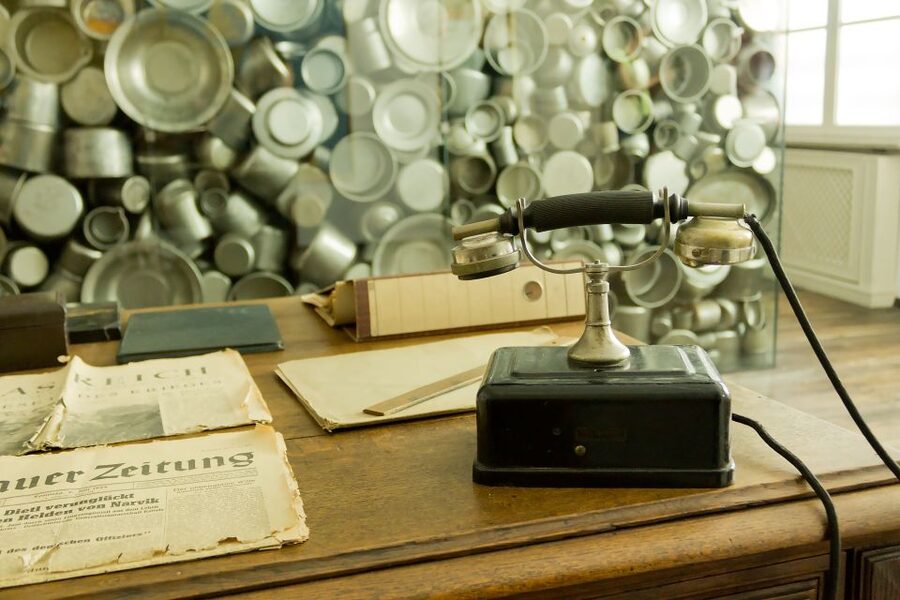
- Survivor’s Ark built from enamel pot details from the factory’s production world
- Hall of Choices and the ethical pressure points that shaped survival decisions
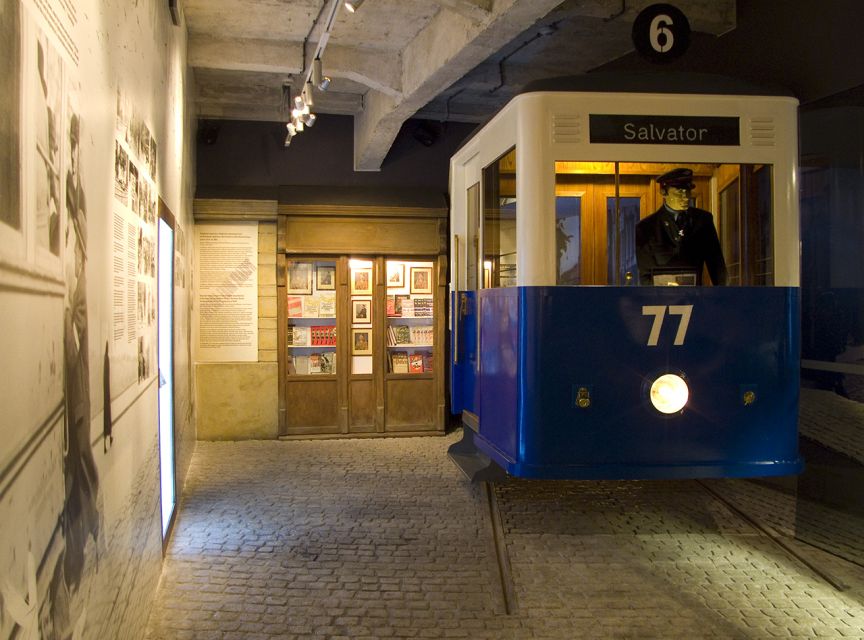
- Krakow scenes in motion, including a tram sequence and multimedia documentary elements
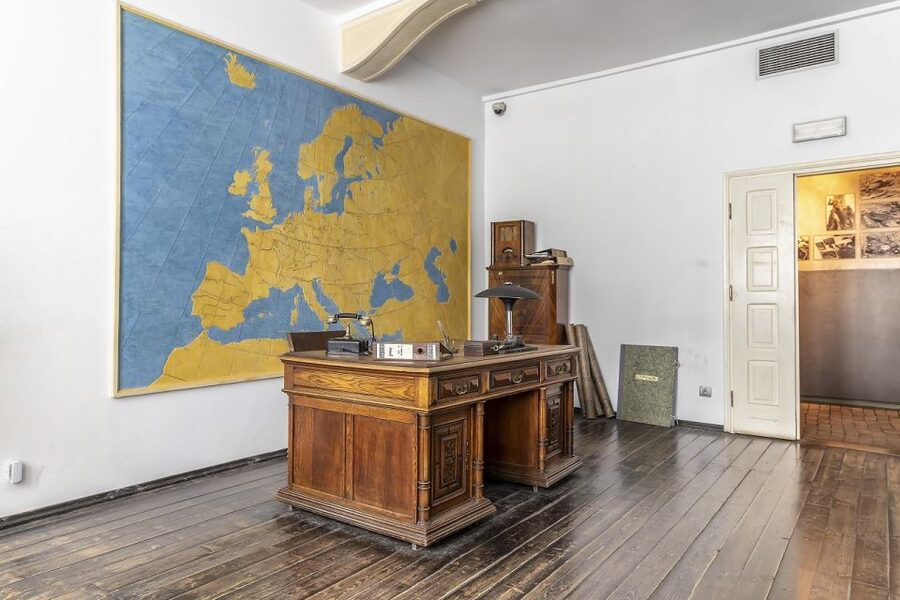
- A preserved reference point in Schindler’s office inside the administrative building
- ID matters at the door, since entry uses personalized tickets and requires full names
Schindler’s Factory in Krakow, and why this is a strong 90 minute visit
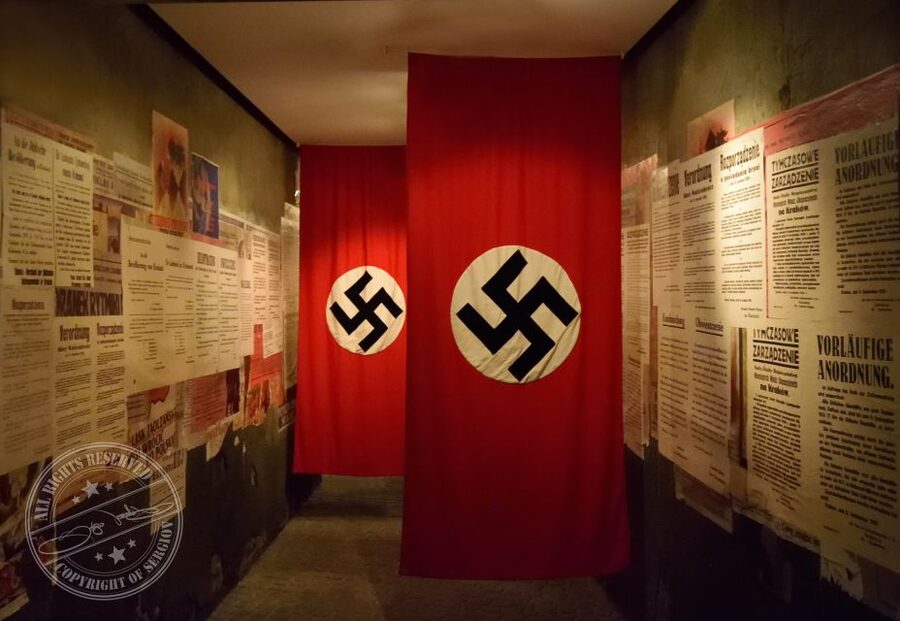
This is one of those Krakow stops that feels “set,” in the best way. The museum is housed in Oscar Schindler’s former enamel factory, and the permanent collection uses theatrical direction and cinematic storytelling to make WWII in Krakow feel close enough to picture.
You are not just looking at panels. You are moving through reconstructions and film-like sequences, with a professional guide helping connect the dots between what you see and what it meant for daily life from 1939 to 1945.
The structure also helps. At 90 minutes, you get a complete arc, from the occupation period to the ethical dilemmas people faced, without turning it into an all-afternoon project.
More Schindler's Factory tours to compare:
- Krakow: Oskar Schindler’s Factory Entry Ticket & Guided Tour
★ 4.2 · 3,793 reviews - Krakow: Schindler’s Factory Tour with Entrance Ticket
★ 4.5 · 3,182 reviews - Krakow: Schindler’s Factory Skip-the-Line Ticket
★ 4.4 · 3,105 reviews
Value for $49: what the skip-the-line actually buys you
At about $49 per person, the price is not low. But you are paying for two real things: a professional live guide and skip-the-ticket-line entry.
The skip-the-line piece matters in a museum like this, where time can feel heavy and you want to start with momentum. It also helps you avoid standing around before your guide begins, which keeps your 90 minutes feeling intentional.
Also, the guide changes the value. Without narration, you can still read and watch, but you might miss how the exhibition links the story of Krakow’s Polish-Jewish relations, the Nazi occupiers, and the people caught between them. With a guide, it becomes easier to follow the “why” behind the objects and scenes.
A fair caution: the tour is more of a guided war story in Krakow than a narrow “Schindler factory tour.” If you are expecting a detailed walkthrough of factory operations and labor processes, you may find you get more emphasis on the broader historical context.
Meeting at Lipowa 4: where to find your guide and what to bring
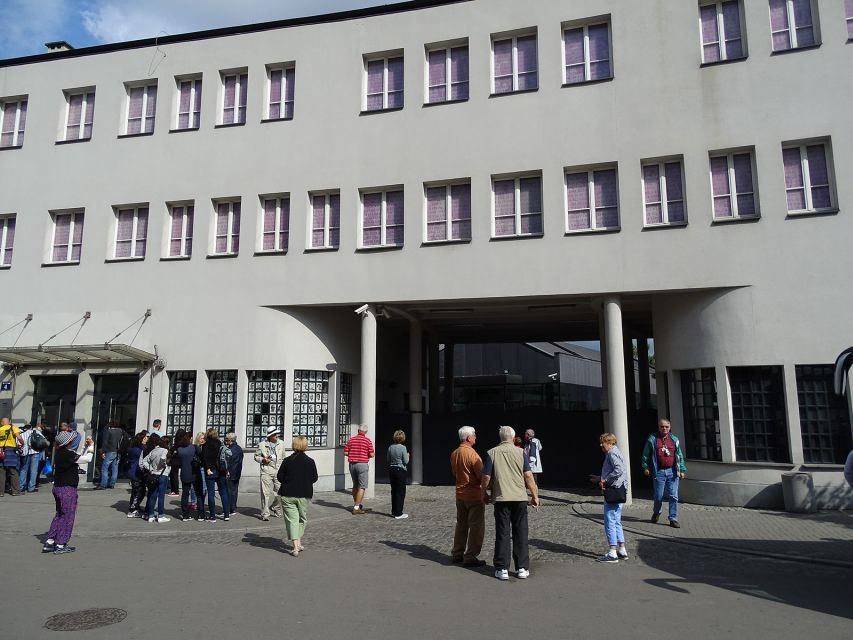
Plan to meet at Lipowa 4, 33-332 Kraków, right at the front of the main entrance of the museum. Your guide will be holding an excursion.city sign.
Bring a passport or ID card. Entry uses personalized tickets, and you will need to provide full names of all participants when reserving. If you have ever had trouble at ticketed venues because of mismatched names or missing documents, this is the time to be extra careful.
What to avoid:
- Food and drinks are not allowed.
- Luggage or large bags are not allowed.
If you are traveling with a daypack only, you are likely fine. If you packed heavy or brought extra bags, you should plan to store what you can before your meeting time so you do not lose time at the door.
Inside the former enamel factory: Schindler’s office and the Survivor’s Ark
The museum’s biggest advantage is that it is not generic. You are stepping into a space connected to Schindler’s real factory history. One of the first reference points you encounter is Schindler’s office, preserved inside the factory’s administrative building.
Then comes the detail most people remember: the Survivor’s Ark. It is made from thousands of enamel pots, similar to those produced in the factory. Standing in front of that kind of material, you can feel how the exhibit turns industrial production into a symbol of survival and desperation, not just a historical fact.
The permanent collection also includes documentary photographs, eyewitness accounts, film documentaries, and multimedia presentations. In practice, that means you get multiple “entry points” to the story: images, personal testimony, and screen-based storytelling working together.
You will likely notice the pacing of the guide here. This is where interpretation matters most. A good guide helps you connect the pots and the office to the larger wartime context, so it does not stay as just an impressive installation.
Another way to spend a day around Krakow:
- From Krakow: Auschwitz-Birkenau Guided Tour & Hotel Pickup
★ 4.5 · 33,358 reviews - From Krakow: Auschwitz-Birkenau Guided Tour & Hotel Pickup
★ 4.5 · 29,340 reviews - Krakow: Auschwitz Guided Tour with Optional Hotel Pickup
★ 4.5 · 15,280 reviews - Krakow–Zakopane: Cable Car, Chocholow Baths, Cheese & Vodka
★ 5.0 · 10,720 reviews
Krakow under Nazi occupation: everyday life from 1939 to 1945
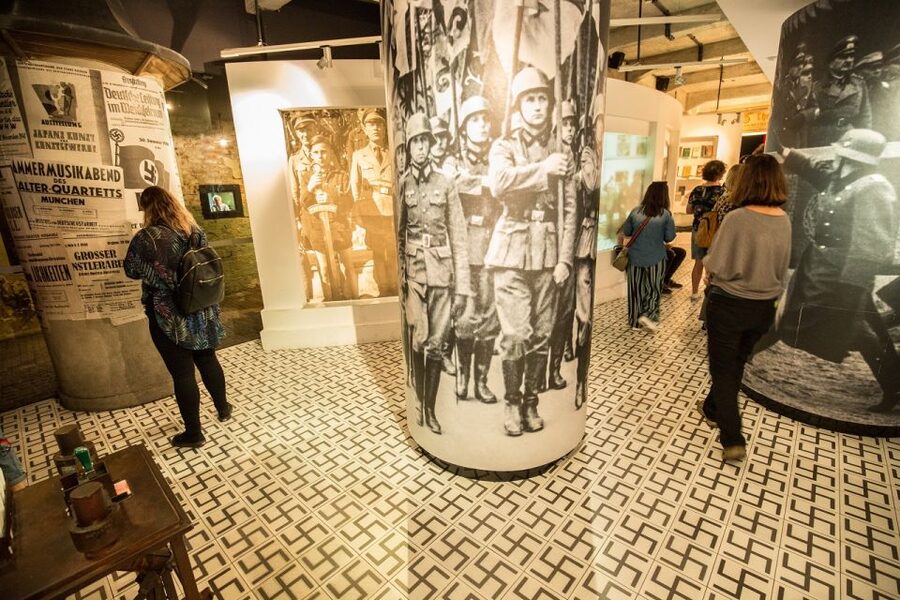
A major theme of this tour is everyday life in Krakow during the Nazi occupation, specifically from 1939 to 1945. That time range is the backbone of the experience, and it shapes what the museum chooses to show and how it connects the scenes.
The exhibition frames the story around:
- Poles and Jews, including the long relationship between communities in Krakow before the war
- Nazi occupiers who violently disrupted that history
- The people forced into impossible situations
The ethical tone of the museum is not subtle. One of the most memorable moments is the Hall of Choices, a sculptural installation designed to represent the ethical dilemmas people encountered during the war. Even if you think you know the general history, this is where the exhibition pushes you toward personal decision points, not just outcomes.
If you like museums that help you think, not just memorize facts, this part is worth your attention. It is also where the guided component can be very helpful, since the installation is symbolic and a guide can explain how it fits into the real pressures of occupation.
The theatrical city walk: tram documentary, Jewish apartment, and Plaszow artifacts
One reason this tour feels different from a standard museum visit is the mix of “spaces.” You do not only stand and read. You move through reconstructions and cinematic sequences.
A key moment is boarding a tram and watching a documentary portraying everyday life of the city. It is a simple idea, but it works because it places you in the flow of daily movement, even though the documentary material is about a time when daily life was being crushed.
You also visit a typical Jewish apartment. This is the kind of stop that can hit hard, because it shows how ordinary rooms became part of a surveillance and persecution reality.
The tour further includes artifacts from the Plaszow camp. That subject is emotionally heavy, so give yourself permission to take breaks if you need them while your guide is talking. Your pace matters here, even within the structure of a guided experience.
Design matters too. The permanent collection’s theatrical approach is tied to creators credited for the stage and direction, including Michał Urban as stage designer and Łukasz Czuj as theatre director. If you notice the exhibition feels planned like a performance, that is intentional. The museum uses those creative choices to make history feel comprehensible in an embodied way.
The pace and group experience: what to expect from your guide
This is a guided tour that lasts about 1.5 hours, with live commentary in languages including Spanish, Italian, French, English, and German.
Most people get a lot out of the guide quality here. The overall pattern is that the guide’s explanation turns scattered elements into a coherent story. The best guides also create space for questions and keep the group moving at a humane pace.
That said, there is a tradeoff. Since the guide is narrating and directing the flow, you might not always get long, quiet time to read every label. If you are the kind of visitor who likes to slow down for each display, you may want to mentally switch gears and treat the tour as the guided framework, then return later on your own if you want more reading time.
Also, timing can shift slightly. Museum scheduling can change exact start times, so the best mindset is to arrive a little early and stay flexible.
Price, timing, and the small-details that prevent stress
Timing: the duration stays the same at 90 minutes, but the exact start time can be approximate due to museum scheduling. From January 1, 2026, times are explicitly described as approximate, and the exact time is not guaranteed even if you choose a preferred time.
So yes, you should plan your day with a buffer before or after. Krakow is easy to move around in, but this museum does ask you to be on time once you have your group.
Days of the week can matter too. You may find opening hours shift, with reduced hours on Mondays and a midday closing pattern. If your trip centers on a specific day, it is smart to check the schedule before you commit to other plans.
Language support is solid. If you are choosing between tours, pick the language you are most comfortable with, because this museum is emotionally and historically dense, and a strong language match makes the experience feel smoother.
Who should book this tour, and who might prefer a different approach
This tour is a good fit if you want:
- A guided explanation of Krakow during WWII
- A museum visit that uses multimedia and theatrical design
- A structured, time-efficient experience that still feels complete
It may be less perfect if you want:
- A quiet, self-led walkthrough with lots of reading time
- A purely Schindler-focused factory tour with minimal wartime context
If you are visiting Krakow for a first time and you want one anchor experience tied to WWII history, this is a strong choice. If you already know a lot and you mainly want to verify details independently, you might consider pairing a guided visit with a later self-guided pass, though that would depend on your schedule.
My quick decision guide: book this or do it independently?
I would book this tour if you value guidance. At this venue, the emotional weight and symbolism can make it harder to assemble the full story without help. The guide, the skip-the-line start, and the structured walkthrough of major stops like Schindler’s office, the Survivor’s Ark, the Hall of Choices, and the tram sequence turn a museum visit into an organized narrative.
I would consider doing it independently only if:
- You strongly prefer reading at your own pace, without narration
- You already have a clear understanding of Krakow’s WWII context and want to explore more quietly
Either way, come prepared with your ID/passport and keep your bag simple. A little prep here makes the visit feel respectful and smooth, not stressful.
FAQ
How long is the guided tour?
The guided tour lasts 90 minutes.
Where do I meet the guide?
Meet at Lipowa 4, 33-332 Kraków, at the front of the museum’s main entrance. The guide will be holding an excursion.city sign.
Is skip-the-line entry included?
Yes. The activity includes skip-the-ticket-line entry.
What is included in the price?
The price includes entrance fees and a professional guide.
What languages are available for the live guide?
Live guided tour languages include Spanish, Italian, French, English, and German.
Do I need to bring my passport or ID?
Yes. You should bring a passport or ID card for entry.
Are food and drinks allowed during the tour?
No. Food and drinks are not allowed.
Are large bags or luggage allowed?
No. Luggage or large bags are not allowed.
Do I need to enter my full name for the tickets?
Yes. Personalized tickets require you to provide full names of all participants, and you must bring the passport or ID for entry.
Can I cancel for a refund?
Yes. You can cancel up to 24 hours in advance for a full refund.
Recently reviewed around Krakow
- Wawel Castle and Cathedral Guided Tour★ 4.6 · 44 reviews
- Walking Tour: Kazimierz, Jewish Quarter – 2-Hours of Magic!★ 4.7 · 35 reviews
- Wawel Castle and Cathedral Guided Tour★ 5.0 · 8 reviews
- Kraków Holocaust Tour★ 4.9 · 5 reviews
- Wadowice and Kalwaria: John Paul II Route★ 4.8 · 5 reviews
- VIP Club Entry and Booth Booking★ 5.0 · 4 reviews
- Walking Tour of Krakow: Old town – 2-Hours of Magic★ 4.7 · 5 reviews
- Krakow: Zakopane, Thermal Baths and Gorce Park Treetop Walk★ 5.0 · 3 reviews