
Reviewed · SCHINDLER'S FACTORY TOURS
Krakow: Schindler’s Factory Guided Tour with Ticket
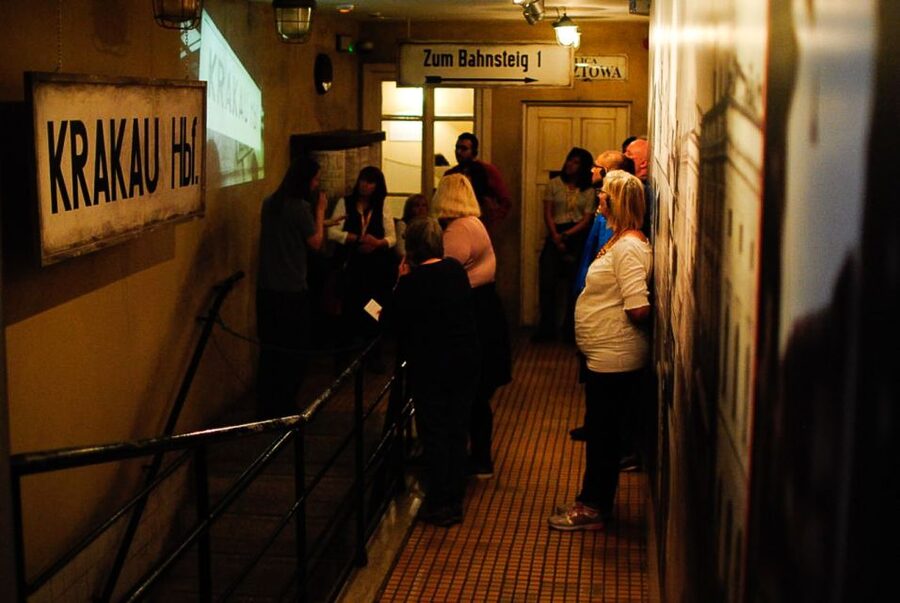
What makes this tour such a smart choice in Krakow is that it uses Schindler’s Factory as a launch point to explain how Nazi rule reshaped everyday life. You get a guided path through the museum, built from real places, objects, and reconstructions tied to 1939 and the occupation years. Guides like Victoria, Magda, and Max are often singled out for turning a museum maze into a story you can actually follow.
I love two things most about this experience. First, you get a professional guide plus a museum ticket, so you are not stuck reading alone while the meaning slides past. Second, the tour focuses on key spaces like Schindler’s original office, where you can connect the man’s decisions to the accounts of Jewish survivors he helped.
One consideration: the tour is not only about Oskar Schindler. A lot of your time is spent on the wider machinery of occupation in Krakow, so if you expect the spotlight to be mainly on Schindler from start to finish, go in with flexible expectations.
Key Highlights You Should Know Before You Go
- Skip the ticket line, so you start the story sooner
- Schindler’s original office, plus survivor accounts that give the name real weight
- Everyday Krakow under Nazi occupation, recreated with street-level context
- Major 1939 themes like public executions, the railway station, and the ghetto wall area
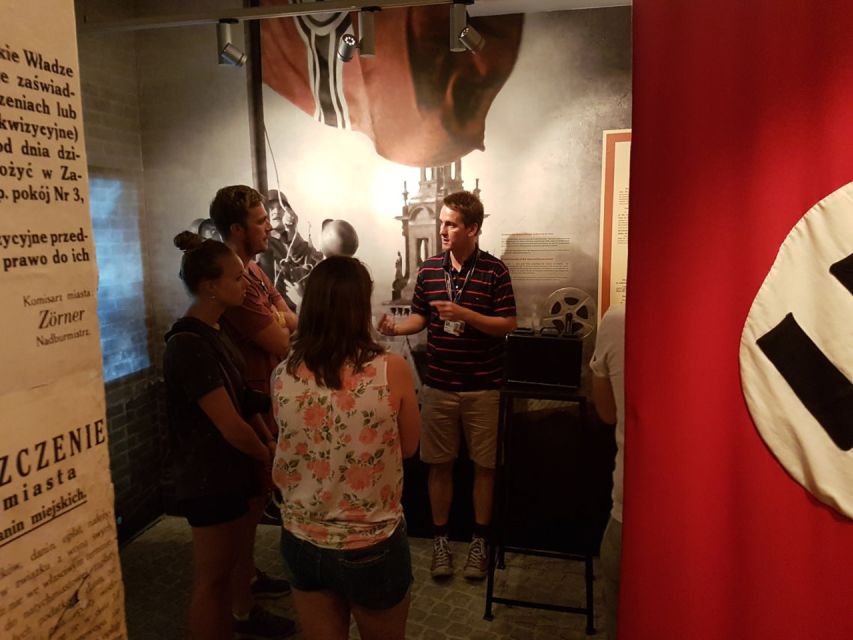
- Guides who steer you through tough material with clear pacing and room to ask questions
Meeting at the Yellow Umbrella, Then Getting Your Bearings Fast
This tour keeps logistics simple. You meet your guide holding a yellow umbrella or a Walkative! sign, then you head straight into Schindler’s Factory with your ticket included. There is no hotel pickup or drop-off, so plan to arrive on your own and be ready to walk.
The big practical win here is that you are not trying to coordinate entry on the spot. You also get help finding the right pace, since the museum covers a heavy topic and tends to be information-dense. If you have ever felt museum reading becomes homework, this is the antidote, because a good guide tells you what to look for and why it matters.
A small heads-up to keep your expectations clean: the pre-booked tickets are bought directly from the museum on the spot. If the museum runs into delays, the tour operator is not responsible for problems caused by the museum itself. In real life, that usually means being a little patient, especially on busy days.
More Schindler's Factory tours to compare:
- Krakow: Oskar Schindler’s Factory Entry Ticket & Guided Tour
★ 4.2 · 3,793 reviews - Krakow: Schindler’s Factory Tour with Entrance Ticket
★ 4.5 · 3,182 reviews - Krakow: Schindler’s Factory Skip-the-Line Ticket
★ 4.4 · 3,105 reviews
Schindler’s Factory Museum: Why the Tour Starts With Krakow, Not With a Biography
Even though Oskar Schindler is the name most people know, this guided tour frames him inside the larger system around him. The museum tells the story with historical context first, then brings you to Schindler’s story later. That structure is part of the value, because it helps you understand what was happening before his choices even became possible.
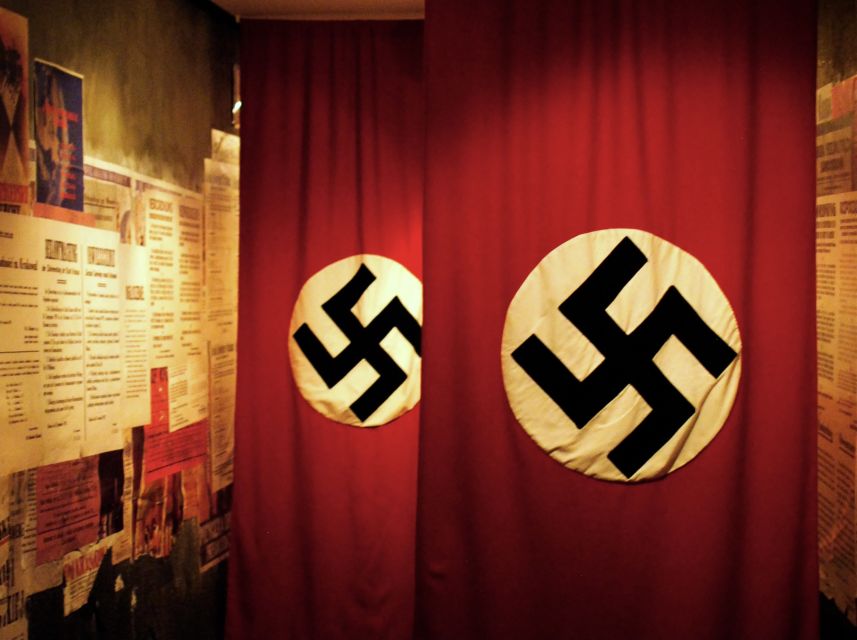
You’ll spend time understanding Nazi occupation in Krakow through reconstructions and period materials tied to 1939 and the years that followed. Expect scenes and themes that cover more than one angle, such as how propaganda worked, how daily routines changed, and how violence and persecution were enforced.
In several guide-led experiences, people really emphasized how the guide explained the why, not just the what. One visitor noted that a guide pointed out propaganda elements in Nazi posters and translated the meaning back into clear English. That kind of interpretation is the difference between reading objects and actually understanding how the system worked.
The 1939 and Occupation Rooms: Public Spaces, Stations, Streets, and a Ghetto Wall
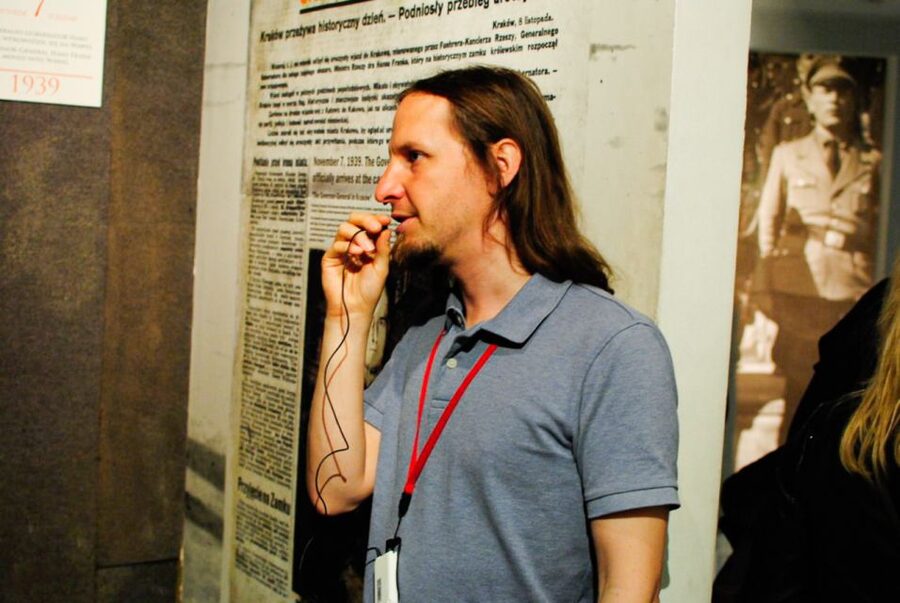
The museum portion that most people remember is the “you are standing in the past” feeling, even when what you’re seeing is a reconstruction. As you move through the rooms, you get a sequence of locations tied to the Nazi invasion and persecution in Krakow.
Here is what you should expect as your tour progresses:
You’ll see reconstructions of the 1939 battlefield context, which matters because it shows how quickly the situation changed for residents. Then the tour moves to recreated street life, helping you picture what it meant when normal city routines were stripped away. You’ll also come to public execution sites, and the museum does not treat this lightly. That is why a guide’s pacing and tone are important. You do not want to rush through rooms that carry real historical trauma.
The railway station area is another key stop. It represents how people were moved, separated, and processed. In a museum like this, stations are not background. They are part of the story’s mechanism.
Finally, you’ll reach the Jewish ghetto wall area. This is where the museum connects built space to lived reality. You start to see the occupation as something physical that shaped movement, time, and safety, not just something described in textbooks.
If you are the type who likes photos, you might still find plenty of opportunities. But your best photos will come when you pause and listen long enough to understand what a space is meant to communicate.
Schindler’s Original Office: The Moment the Story Gets Personal
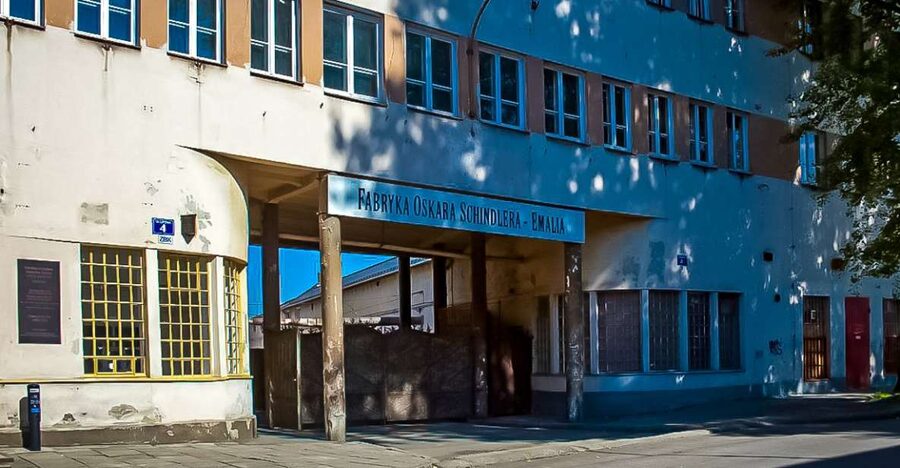
Schindler’s Factory does include Schindler’s story, but the guide helps you notice what is most meaningful. A big highlight is the visit to Schindler’s original office, where the tour shifts from the machinery of occupation to the human decisions made inside it.
You’ll learn about Schindler’s life from his pre-war endeavors to what happened after the war. The tour also includes accounts from Jewish survivors that Schindler helped. That pairing is crucial. Without the broader occupation context, the office can feel like a separate exhibit. With the context already laid out, it becomes something else: a reminder that individual actions happened inside a brutal system.
I like this part of the tour because it keeps you from turning history into a single hero narrative. You can see how complicated the man’s world was, and you can feel the emotional weight of the survivors’ testimonies. Several people in English-language tours specifically praised how guides made the experience emotional but still well structured, which is exactly the balance you want for this subject.
A few more Krakow tours worth comparing
- Krakow to Auschwitz Birkenau Guided Tour with Transfer and Ticket
★ 5.0 · 8,197 reviews - Krakow: Wieliczka Salt Mine Fast-Track Ticket & Guided Tour
★ 4.5 · 5,872 reviews - Auschwitz Birkenau Guided Tour with Ticket Hotel Pickup Small Van
★ 5.0 · 4,769 reviews - From Krakow: Wieliczka Salt Mine Tour & Skip the Line Ticket
★ 4.4 · 3,925 reviews
Other Names on the Walls: Hans Frank, Amon Goeth, and the People Around Schindler
One reason this tour feels satisfying, not just educational, is that it names the major figures active in Krakow during that period, beyond Schindler himself. That makes the museum feel less like a lone-man story and more like a web of choices, cruelty, resistance, and survival.
Your guide will point you to important historical figures and themes such as Hans Frank and Amon Goeth. You’ll also see references to Pope John Paul II, plus the concept of Righteous Among the Nations. The tour also includes underground fighters and collaborators, which gives the story more texture than simply victim and perpetrator.
Why does this matter for you as a visitor? Because it helps you understand that occupation was not one uniform storyline. People navigated fear, propaganda, betrayal, and resistance in different ways. When a guide explains who is who and how they connect, the museum becomes clearer and less overwhelming.
A fair warning: this is emotionally intense material. If you need a slower rhythm, pick a departure time when you have energy afterward. A museum like this can stick with you, even if you leave feeling informed.
How the 90 Minutes Feel in Real Life: Pace, Listening, and Asking Questions
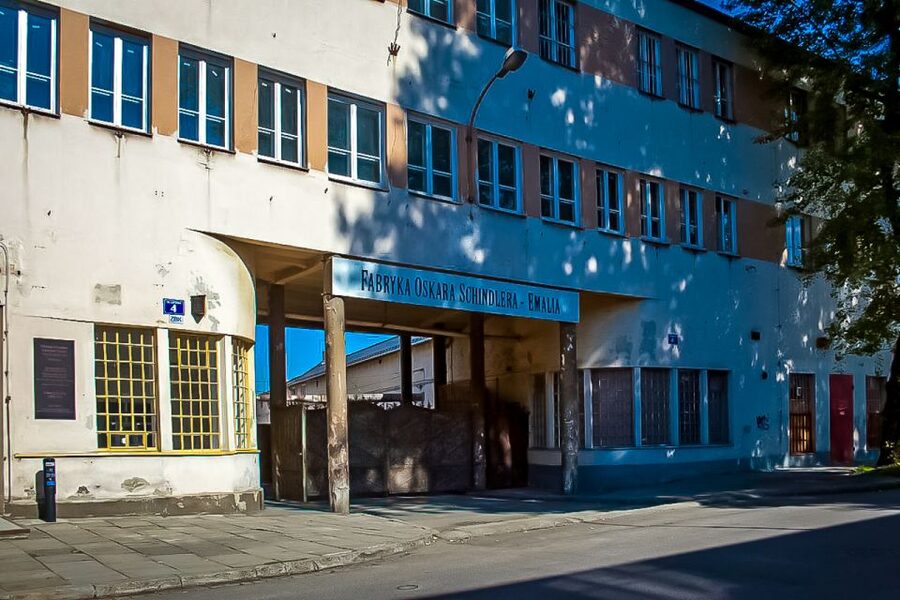
The tour is set at 90 minutes, which is a good length for this museum. It is long enough to make the experience coherent, but not so long that you lose the thread. You’ll move through multiple key areas, but your guide should keep you from sprinting across rooms without context.
A practical tip that came up in guide feedback: some guides use phone devices to make sure everyone can hear clearly. That is helpful in crowded museum spaces, and it reduces the frustration of leaning toward a stranger while you miss half the story.
If you like asking questions, you are in the right place. Many visitors highlighted that their guides were happy to answer, and that the explanations were balanced. I also like the fact that guides tend to connect rooms with themes rather than stopping at isolated facts, so you finish with a mental map, not random facts you have to sort later.
If you go in expecting a light, quick walk, you might feel the tone is heavy. If you go in ready to learn and reflect, 90 minutes becomes plenty.
Price and Value: Is $46 Worth It for Schindler’s Factory?
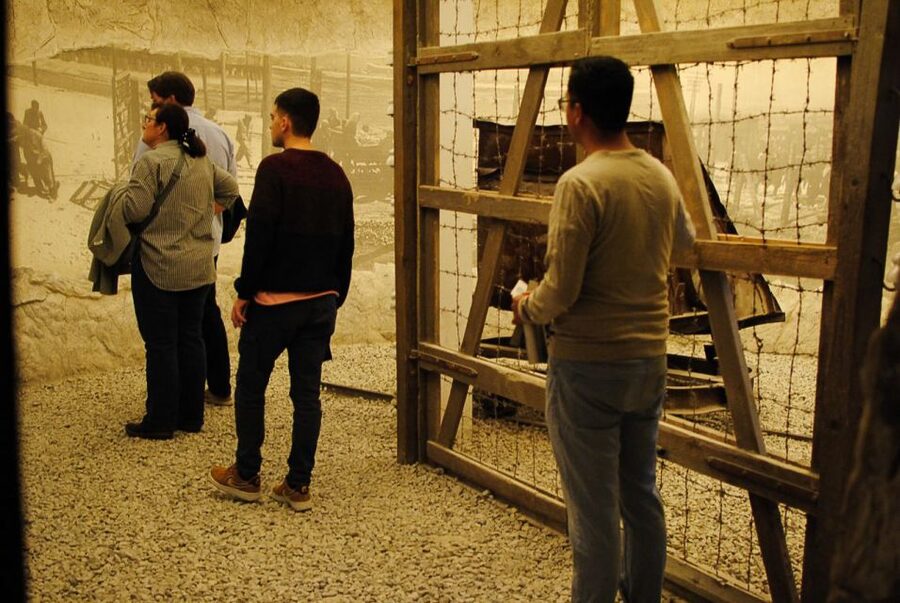
At about $46 per person, this tour costs more than buying a standard museum ticket on your own. The question is what you get for that extra spend.
Here is the value math that makes sense for most visitors:
- You get a professional guide along with the ticket, not just admission.
- You skip the ticket line, which saves time and helps you start on schedule.
- You get interpretation for key rooms that are information-dense. That matters in Schindler’s Factory because many visitors could get lost in the text without a guide translating context into meaning.
One practical note: the museum has a lot of content about Nazi invasion and occupation, and only a smaller portion is directly focused on Schindler. That is not a bad thing. It is part of the reason a guided tour can be worth the money, because the guide helps you keep the Schindler thread in view while still respecting the wider historical record.
If you are a solo reader with strong historical comfort and time to wander, you could technically do it without a guide. But if you want the museum to make sense faster and feel more human, the guided portion is the reason this is good value.
Who Should Book, and Who Might Want a Different Plan
This tour suits you best if you want more than museum labels. It is ideal if you:
- want a clear narrative from the start of occupation to the connection with Schindler
- care about understanding how Krakow’s public spaces became tools of persecution
- like guides who can explain propaganda, context, and relationships between key figures
It might be less ideal if:
- you only want an Oskar Schindler-focused experience and dislike anything that feels like a wider lecture first
- you are hoping for a casual, light visit where you can take your time with objects and ignore the timeline
You’ll also be glad you booked if you want a consistent language experience. Tours are offered in English and Spanish, and visitors repeatedly praised guides for clear communication and a steady pace.
Should You Book Schindler’s Factory With a Guided Ticket?
I think you should book this tour if your goal is understanding, not just sightseeing. The combination of skip-the-line entry plus guided interpretation is the key. The museum is detailed, and a guide helps you catch the important signals, like how propaganda worked and how the layout of persecution shaped daily life.
My call is simple: book it if you can handle emotionally heavy history and you want the experience to click into place. Skip it only if you want a purely Schindler-biography trip and you are already comfortable piecing together the occupation context on your own.
FAQ
How long is the Schindler’s Factory guided tour?
The tour lasts 90 minutes.
What is included in the price?
The price includes a professional guide and a ticket to the Schindler’s Factory museum.
Do I need hotel pickup or drop-off?
No, hotel pickup and drop-off are not included.
Where do I meet the guide?
You meet at the designated meeting point where your guide is holding a yellow umbrella or a Walkative! sign.
Is the tour ticket line skipped?
Yes, the tour includes a skip-the-ticket-line experience.
What languages are available?
The tour is offered in English and Spanish.
Is the tour wheelchair accessible?
Yes, the experience is wheelchair accessible.
Can I cancel for a refund?
Yes, you can cancel up to 24 hours in advance for a full refund.
Can I reserve now and pay later?
Yes, you can reserve now and pay later.
What if there are issues with the museum ticket purchase on the day?
Pre-booked tickets are bought directly from the museum on the spot, and the operator is not responsible for issues caused by the museum, including delays.
Recently reviewed around Krakow
- Krakow: City Golf Cart Tour and Schindler’s Factory Museum★ 5.0 · 4 reviews
- Krakow: City Sightseeing Tour by Shared or Private Golf Cart★ 4.4 · 21 reviews
- Krakow beer review with a local guide★ 5.0 · 4 reviews
- Kraków: Romantic Candlelight Chopin Piano Concert★ 4.9 · 8 reviews
- From Krakow: Chocholow Hot Springs Evening or Daytime Ticket★ 4.7 · 72 reviews
- From Krakow: Zakopane, Tatra Mountains & Thermal Baths Tour★ 4.9 · 52 reviews
- Kraków: VIP Candlelight Concert The Music of Fryderyk Chopin★ 4.8 · 8 reviews
- Krakow: Bottomless Brunch with 3-Course Meal and Drinks★ 3.8 · 30 reviews