
Reviewed · SCHINDLER'S FACTORY TOURS
Krakow: Schindler’s Factory & Ghetto Guided Tour
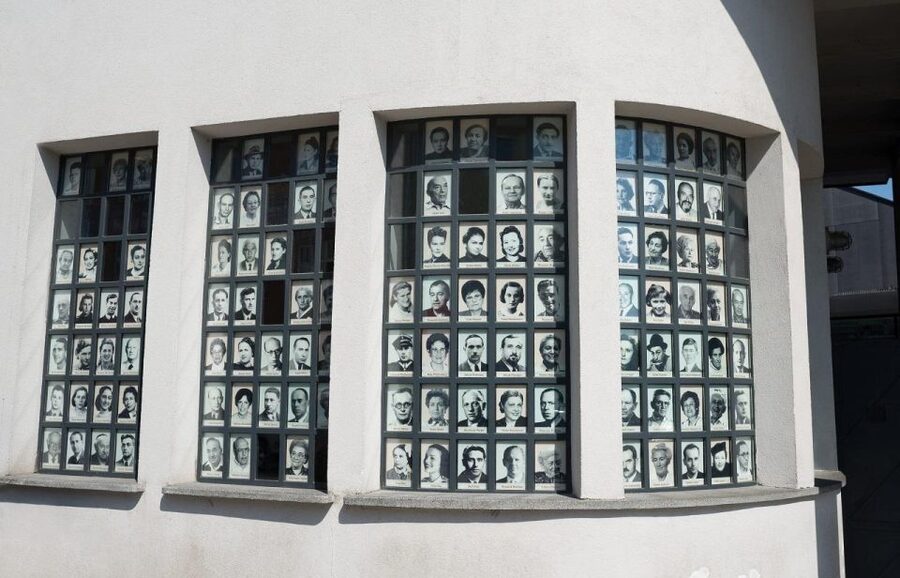
This tour is interesting because it links Schindler’s Factory with the streets of Podgórze, so you walk through the neighborhood where wartime life played out. I love the professional guide in the museum, and I love the on-foot stops that show surviving traces like the ghetto wall, old houses, and the Empty Chair Monument. The main drawback is that the schedule is tight, and Schindler’s Factory does not accept late arrivals.
I also like that it’s not just museum time. You get a walking tour of Podgórze, plus context from the exhibition Krakow Under Nazi Occupation. Just plan ahead, because you’ll need to provide full participant names and bring a passport or ID for entry.
Key things to know before you go
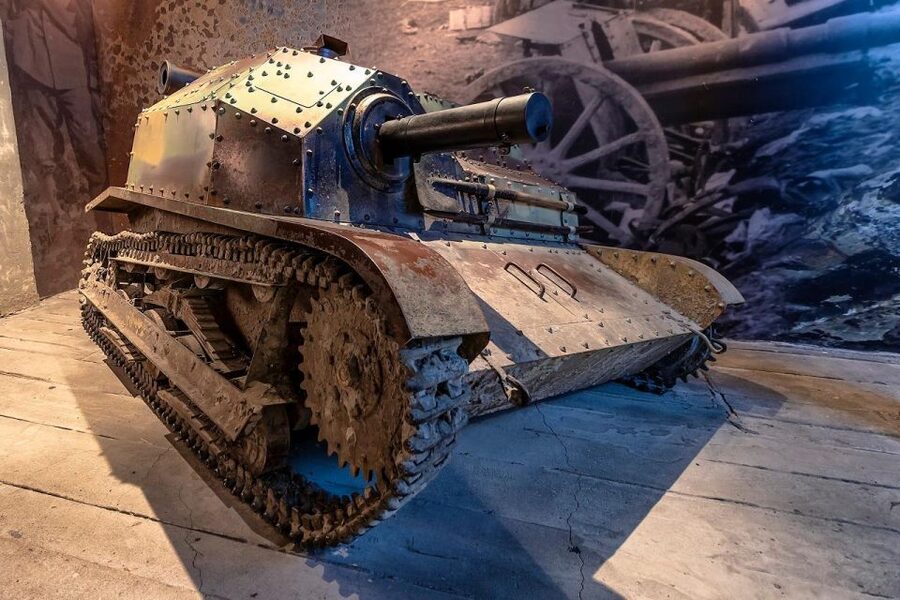
- Professional museum guidance at Schindler’s Factory helps you connect the exhibits to the people and choices behind them.
- Podgórze street walking turns the ghetto’s geography into something you can actually picture.
- Surviving reminders are part of the route, including an undestroyed section of the ghetto wall.
- Pod Orłem pharmacy is included on the walk, adding a real-world landmark to the story.
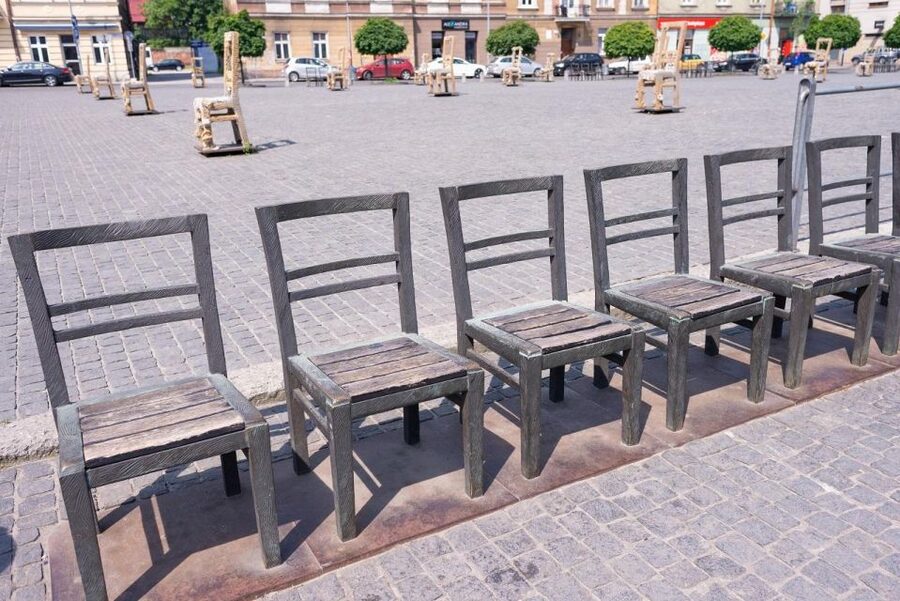
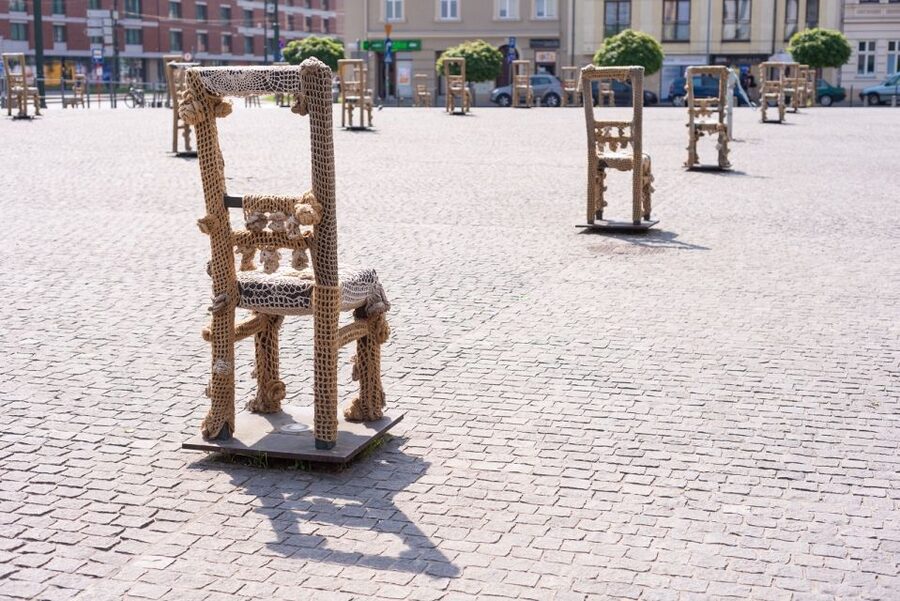
- Heroes’ Square Empty Chair Monument uses symbolic 68 chairs, so the message lands fast.
- Strict timing matters because Schindler’s Factory entry is not flexible for late arrivals.
Schindler’s Factory Museum: why a guided start matters
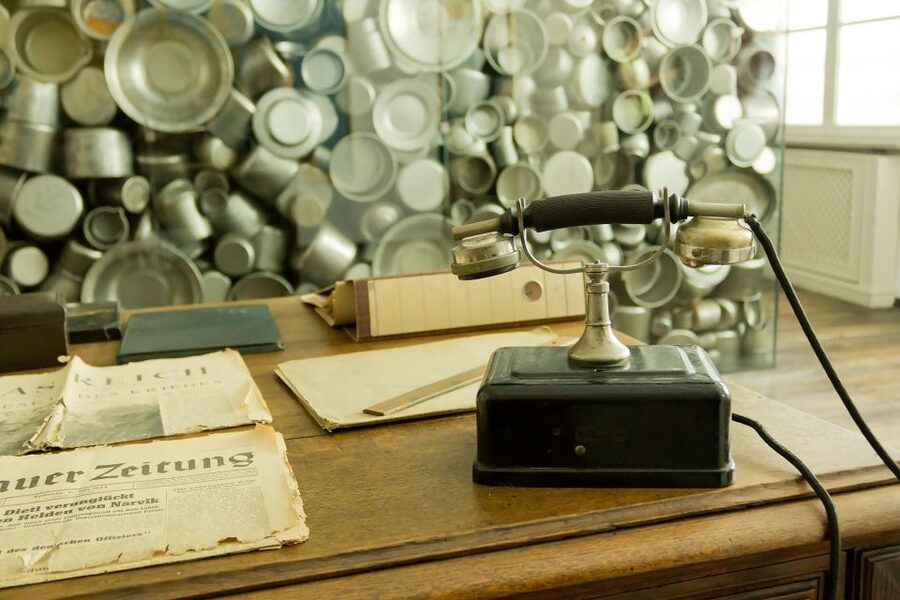
If you only visit Schindler’s Factory on your own, you can miss the thread that makes the experience click. With a guided tour, you get a clear line from exhibit to exhibit, so you spend your time understanding instead of guessing. The museum visit is built around the story of Krakow under Nazi occupation and the German entrepreneur who helped many Jews during the war. That guided structure makes it easier to connect personal decisions to a much larger system of persecution.
I also like that the tour is timed for you. You start at the main entrance and meet your guide, then you move into the museum with tickets handled through the tour. It’s a practical way to reduce friction, especially in a place that works on scheduled entry windows.
One more reason this guided format helps: you’re not left alone with difficult material. The guide is there to explain what you’re seeing, answer questions, and keep the focus from drifting. In one praised recent booking, the guide Eva was singled out for taking questions seriously and giving detailed answers. That kind of engagement is exactly what I want when a museum is both educational and emotionally heavy.
More Schindler's Factory tours to compare:
- Krakow: Oskar Schindler’s Factory Entry Ticket & Guided Tour
★ 4.2 · 3,793 reviews - Krakow: Schindler’s Factory Tour with Entrance Ticket
★ 4.5 · 3,182 reviews - Krakow: Schindler’s Factory Skip-the-Line Ticket
★ 4.4 · 3,105 reviews
Krakow Under Nazi Occupation: what the exhibition adds
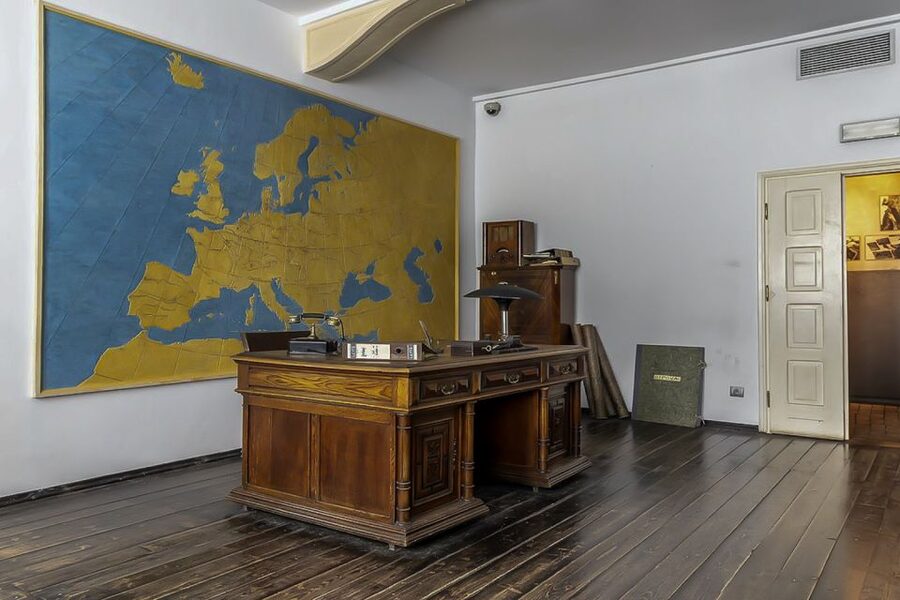
The tour doesn’t stop at general wartime context. You’re guided through the exhibition Krakow Under Nazi Occupation, which frames the reality of Nazi-occupied Krakow in a way that feels specific, not abstract. This matters because the ghetto was not a single event you can wrap up in one dramatic paragraph. It was daily life under pressure, restrictions, hunger, fear, and constant danger.
You’ll learn about how a German entrepreneur chose to help Jews throughout the war, and you’ll see that story presented alongside the occupation’s broader picture. For me, the value here is balance. You get the human choices, but you also get the system they were fighting against. That makes the story more grounded, and it helps you avoid the common trap of treating history like only good deeds or only horror.
I’d suggest you go in ready to listen, not ready to speed through. This is the part where you’ll understand why the later street walk in Podgórze matters. When you reach the neighborhood, you won’t just see buildings and walls. You’ll see how people lived inside those limits.
Podgórze walking tour: turning the ghetto into geography
After the museum, the tone shifts from indoor exhibits to outside streets. The walking portion takes you through Podgórze, the area where the Jewish ghetto was located during the Second World War. This is the moment when the tour earns its name, because your memory needs a place to attach to.
What I like about the Podgórze walk is that it’s not only about big monuments. It’s also about the physical layout of the neighborhood, the feeling of moving through the same kind of space that shaped everyday choices. Even without dramatizing anything, the streets help you understand scale, distance, and how people would have moved day to day.
Your guide will point out evidence of the terrible events that took place during the war. That could sound heavy in a way you cannot control, but it’s also exactly the point. It’s more respectful to face reality in context than to keep it vague. When the guide points out what remains, you’ll better grasp how memory is carried in stones and street corners.
Also, you’ll likely appreciate the pace. The tour lasts about 3 hours total, and that time includes museum time plus the walk. That means you get enough coverage to feel oriented, without turning this into an all-day marathon.
The undestroyed wall and old houses that still speak
A standout part of the street route is the chance to see a segment of the undestroyed wall around the ghetto. Surviving sections like this do more than “look historical.” They act like physical punctuation marks. They stop the mind and force you to treat the ghetto as a real boundary that people lived next to.
The route also includes houses where thousands of displaced Jews once lived. This is where context from the museum pays off. If you’ve already learned about the occupation and daily life under Nazi control, the houses are no longer just “old buildings.” You can think about density, confinement, and what it must have meant to spend long stretches of time in crowded conditions.
The tour doesn’t only point to walls and dwellings. It also guides you toward landmarks that help you picture the ghetto as part of a functioning city, even under brutal rules. That mix of everyday and extraordinary is important for understanding how this happened inside a broader urban world, not in a separate movie set.
If you prefer tours that feel grounded and specific, this part of the itinerary is a strong match. It’s the “proof on the ground” section.
More Jewish quarter and heritage tours to compare:
- Krakow: Schindler’s Factory & Ghetto Guided Tour
★ 4.7 · 1,694 reviews - Krakow: Jewish Quarter and Former Ghetto Tour
★ 4.9 · 1,441 reviews - Krakow: Bike Tour of Old Town, Jewish Quarter and the Ghetto
★ 4.9 · 1,155 reviews - Krakow: Kazimierz Jewish Quarter Walking Tour
★ 4.8 · 571 reviews
Pod Orłem pharmacy and Heroes’ Square’s symbolic 68 chairs
Two stops help the story land emotionally and visually.
First is the Pod Orłem pharmacy. This is a named, real-world location on the walking route. Including a recognizable landmark like a pharmacy helps you connect history to ordinary functions people rely on, like health and daily needs. The guide’s job is to keep that connection respectful and accurate, so you’re not just taking photos of an old sign. You’re using the landmark to understand how the occupation affected everyday routines.
Then you reach the Empty Chair Monument in Heroes’ Square. The details are striking: it features 68 chairs, symbolic of 68 people. This kind of memorial is powerful because it doesn’t require you to know all the background to feel the absence the monument represents. Still, the guide helps you connect the symbolism to the community it remembers.
If you’re someone who gets a little restless on tours that feel like a checklist, memorial stops can reset your attention. They give your mind a place to process what you’ve already learned. That’s especially important when you’ve just spent time inside a major Holocaust-related museum.
How the 3-hour format and strict entry keep you on track
The tour runs for about 3 hours. That’s a sweet spot in Krakow. It’s long enough to cover both Schindler’s Factory and Podgórze, but short enough that you can still enjoy the rest of your day without feeling rushed to “fit in everything.”
However, the schedule is strictly timed. Schindler’s Factory does not accept late arrivals. Groups enter punctually at the appointed time, and late people will not be admitted to the tour without a chance to get money back. That means you should plan your arrival with buffer time, especially if you’re combining this with other activities in the area.
You also need to be ready for entry requirements. Tickets are personalized, so you’ll provide full names of all participants when reserving, and you must bring a passport or ID for entry to Schindler’s Factory. This is one of those details that can ruin a day if you ignore it. If you’re traveling with anyone who has different spellings in booking documents, double-check before you go.
One more planning note: starting January 1, 2026, times are approximate and may change due to the museum’s scheduling. You can choose a preferred time, but the exact time is not guaranteed. It’s not chaos, it’s just reality. The smart move is to avoid booking other events right on top of your chosen slot.
Price value check: what $58 includes, and what it means
At $58 per person for about 3 hours, this isn’t a bargain-basement tour. But it’s also not trying to be a luxury product. The real question is value, and here the inclusions are doing the work.
You get:
- Tickets to the Schindler’s Factory Museum
- A professional tour guide
- The walking tour through Podgórze
You do not get food or drinks, so budget for a snack later if you need one. Still, the ticket plus guided interpretation makes this closer to “paid access and coaching” than “just a walk.”
My take on the price: if you care about context, a serious museum tour is where guided help pays off. The guide is not only describing facts. They’re helping you connect exhibits to the neighborhood route and guiding you through difficult material with structure. That is hard to replace with a phone app.
Skip the ticket line is also listed, and that matters when you’re working within strict entry windows. Even a small delay can create bigger problems with timed admission.
Who this tour suits best, and who might feel it’s not for them
I think this tour is a strong fit if you want:
- A guided visit at one of Krakow’s most important WWII-related museums
- A walk that explains what you’re seeing in Podgórze, not just a route on a map
- A tour length that works in half a day
It’s also ideal if you like asking questions. The recent feedback you were given points to guides who are willing to answer thoroughly, not just read a script. If that matches your style, you’ll probably come away feeling like you actually understood what you saw.
Who might hesitate? If you hate scheduled entry and you never do well with punctual group timing, this tour can feel stressful. Because late arrivals are not admitted, you need to be the kind of traveler who builds in a buffer. Also, if you’re not ready emotionally for Holocaust-related content and memorials, you might want to plan a lighter day afterward.
Finally, this is a walking tour after the museum. If you have mobility constraints, you might find the pace challenging. The info you have here does not specify accessibility details, so you’d want to confirm that with the provider before booking.
Practical tips to get more from Schindler’s Factory and Podgórze
Here’s how to make the day smoother and more meaningful.
First, plan your meet-up like it matters, because it does. You meet your guide in front of the main entrance to Schindler’s Factory Museum. Look for someone with the inscription excursions.city. Arrive early enough that you’re not scanning faces while feeling rushed.
Second, bring your ID and make sure the names match what you booked. Personalized museum tickets can be strict, and entry can be denied without the right documents.
Third, wear comfortable shoes. You’ll be in the museum, then walking Podgórze. This is not a “sit and watch” experience, and comfort helps you stay present.
Fourth, keep your expectations grounded. This isn’t only about landmarks. The point is interpretation: learning about daily life in Nazi-occupied Krakow, then seeing physical reminders of the ghetto’s existence. If you treat it as one continuous story, you’ll get more out of every stop.
Should you book this Krakow Schindler and ghetto walking tour?
I’d book it if you want a guided, structured way to understand Krakow during Nazi occupation, with both museum context and a walk through Podgórze. The strongest reason is the pairing: Schindler’s Factory gives you the framework, and the street stops show you what that framework looks like in the real neighborhood.
I would skip or think twice if strict timing makes you anxious, because late entry is not accepted. Also, if you’re sensitive to Holocaust-related sites, plan emotionally for a serious itinerary.
If you like your tours guided, respectful, and specific, this one is a solid use of your time in Krakow.
FAQ
Where do I meet the guide for the tour?
Meet your guide in front of the main entrance to the Schindler’s Factory Museum. Look for a guide with the inscription excursions.city.
How long is the Krakow Schindler’s Factory & Ghetto guided tour?
The tour duration is about 3 hours.
What language options are available for the guided tour?
The live tour guide is available in French, German, Italian, and English.
What is included in the price?
Tickets to the Schindler’s Factory Museum, a professional tour guide, and a walking tour are included.
Are food and drinks included?
No. Food and drinks are not included.
What do I need to bring for entry to Schindler’s Factory Museum?
You need to bring a passport or ID for entry, since the museum uses personalized tickets.
Is Schindler’s Factory entry flexible if I arrive late?
No. Schindler’s Factory does not accept late arrivals. The tour has a strictly defined schedule, and late persons will not be admitted.
What stops are covered during the Podgórze walking part?
On the walk you’ll see parts of the undestroyed ghetto wall, houses where displaced Jews used to live, the Pod Orłem pharmacy, and the Empty Chair Monument in Heroes’ Square with its symbolic 68 chairs.
Recently reviewed around Krakow
- Wawel Castle and Cathedral Guided Tour★ 4.6 · 44 reviews
- Walking Tour: Kazimierz, Jewish Quarter – 2-Hours of Magic!★ 4.7 · 35 reviews
- Wawel Castle and Cathedral Guided Tour★ 5.0 · 8 reviews
- Kraków Holocaust Tour★ 4.9 · 5 reviews
- Wadowice and Kalwaria: John Paul II Route★ 4.8 · 5 reviews
- VIP Club Entry and Booth Booking★ 5.0 · 4 reviews
- Walking Tour of Krakow: Old town – 2-Hours of Magic★ 4.7 · 5 reviews
- Krakow: Zakopane, Thermal Baths and Gorce Park Treetop Walk★ 5.0 · 3 reviews