
Reviewed · SCHINDLER'S FACTORY TOURS
Krakow: Schindler’s Factory Entry Ticket (Optional Guide)
Schindler’s Factory is the kind of Kraków stop that turns history into something personal, with stories from people living under Nazi occupation. You’ll walk through a museum setting that is built around accounts of daily life, fear, and survival, not just dates in a textbook. Schindler’s Factory is especially gripping because it connects a local place to a huge, tragic chapter of World War II.
I really like two things about this experience. First, the skip-the-line entry ticket helps you start right away, which matters because you do not want to waste your day standing around. Second, the focus on Oskar Schindler’s legacy is clear and concrete, including a visit to his office and the Ark of the Saved.
One drawback to keep in mind: this is not preserved factory machinery from the original wartime layout. You should expect an exhibit format, with relics, photos, videos, and interpretive displays. If you were picturing the factory exactly as it looked in the 1940s, set your expectations for a museum-led experience instead.
Key things to know before you go
- Skip-the-line entry means less waiting and more time inside the exhibits
- Oskar Schindler’s office and the Ark of the Saved are major emotional anchors of the visit
- The story starts with the factory’s earlier life as Deutsche Emailwarenfabrik (founded in 1937)
- You’ll learn how Schindler arrived in Kraków on September 6, 1939, soon after the Nazi invasion
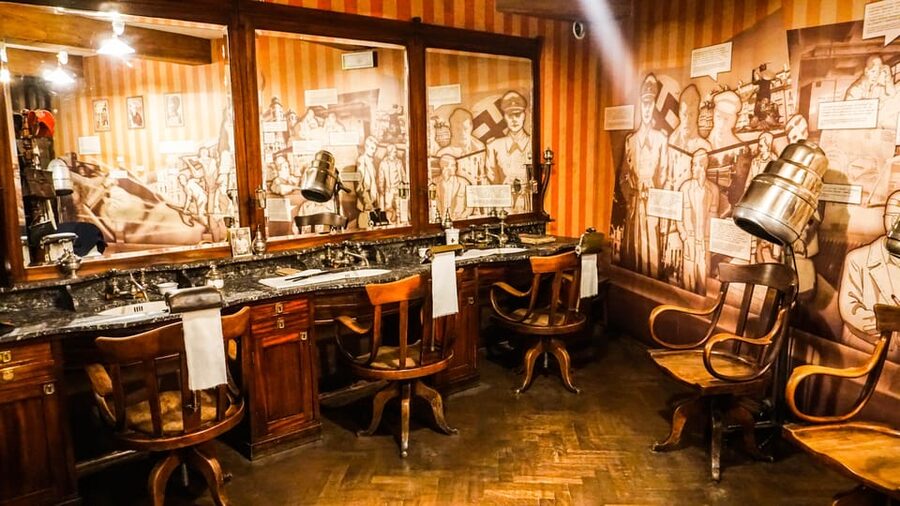
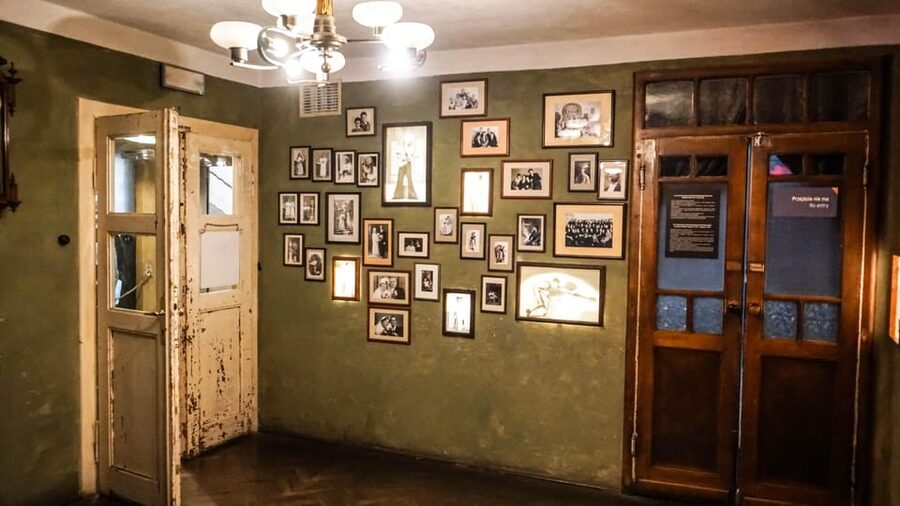
- Expect multimedia installations and preserved artifacts rather than a kept-in-place factory floor
- The experience includes an optional guided tour for deeper context
Why Schindler’s Factory hits harder than a standard museum stop
Kraków already has plenty of history you can see with your eyes, but Schindler’s Factory works differently. It’s structured around human stories, including the ways ordinary residents were forced to adapt to nearly six years of occupation. The effect is that you do not just learn what happened, you get a clearer sense of what it meant day to day.
What makes it work is the strong through-line. The museum connects the factory setting to the people caught up in the occupation system, and then it shifts toward the choices Schindler made. That structure prevents the exhibits from feeling like random facts. Instead, you get a narrative you can follow from the beginning to Schindler’s legacy.
That said, you need to be honest with yourself about what you want from your museum time. This is heavy material. If you want something lighter, this might not fit your mood. But if you want a visit that gives context and meaning, it’s hard to beat.
More Schindler's Factory tours to compare:
- Krakow: Oskar Schindler’s Factory Entry Ticket & Guided Tour
★ 4.2 · 3,793 reviews - Krakow: Schindler’s Factory Tour with Entrance Ticket
★ 4.5 · 3,182 reviews - Krakow: Schindler’s Factory Skip-the-Line Ticket
★ 4.4 · 3,105 reviews
Entering the story: Deutsche Emailwarenfabrik to Nazi occupation reality
Your visit starts with the factory itself as a historical starting point. You learn that the site was originally Deutsche Emailwarenfabrik, founded in 1937. That matters because it helps you understand the place before the war transformed it.
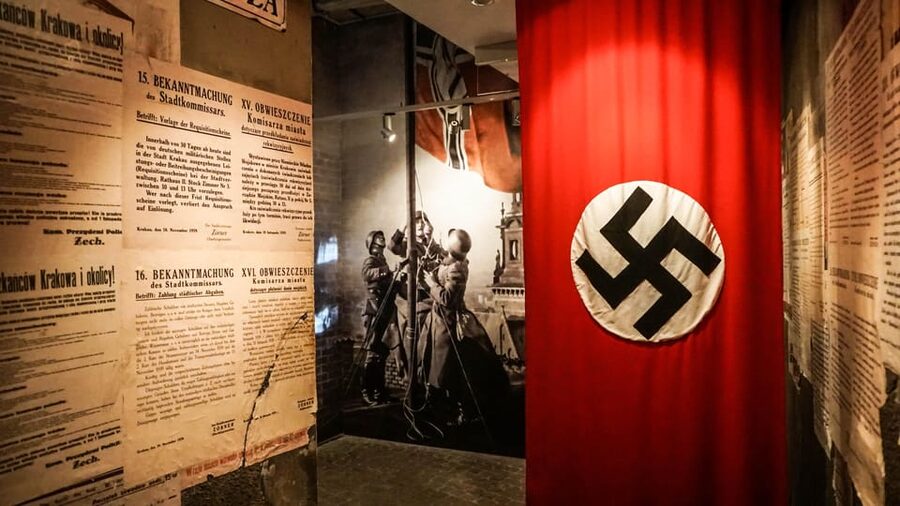
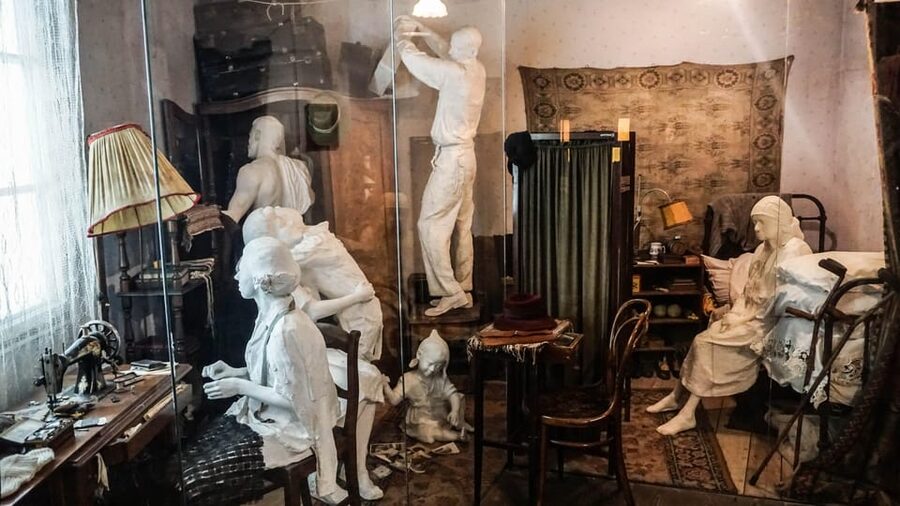
Then the museum guides you into Kraków under Nazi occupation. Expect to see personal accounts and exhibit panels that explain how residents’ lives were upended by persecution and terror. The focus is not on sweeping military strategy. It’s on the everyday reality people had to face, and how quickly normal routines could be destroyed.
One of the key facts you’ll come away with is Schindler’s arrival in Kraków on September 6, 1939, just days after the Nazi invasion. You also learn about his transformation over time, moving from a Nazi Party member into a wartime figure known for saving lives. The museum uses this timeline to show that history is made by choices, not only by armies and borders.
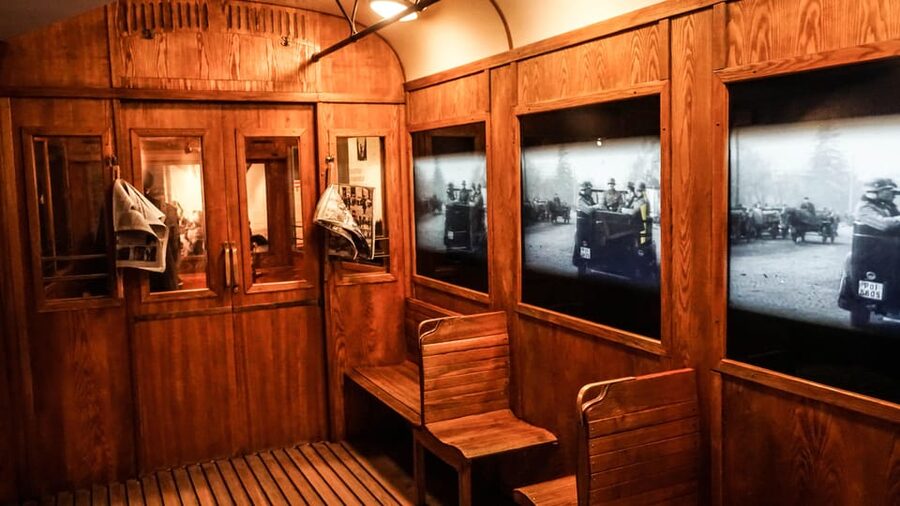
You’ll also notice the exhibit style: multimedia installations and preserved artifacts. These elements help convert hard-to-grasp events into something you can process in a human way. Just remember that the visuals can be intense. Wear comfortable shoes, because you’ll likely want to pause often, not just rush past panels.
The human stories you’ll remember long after you leave
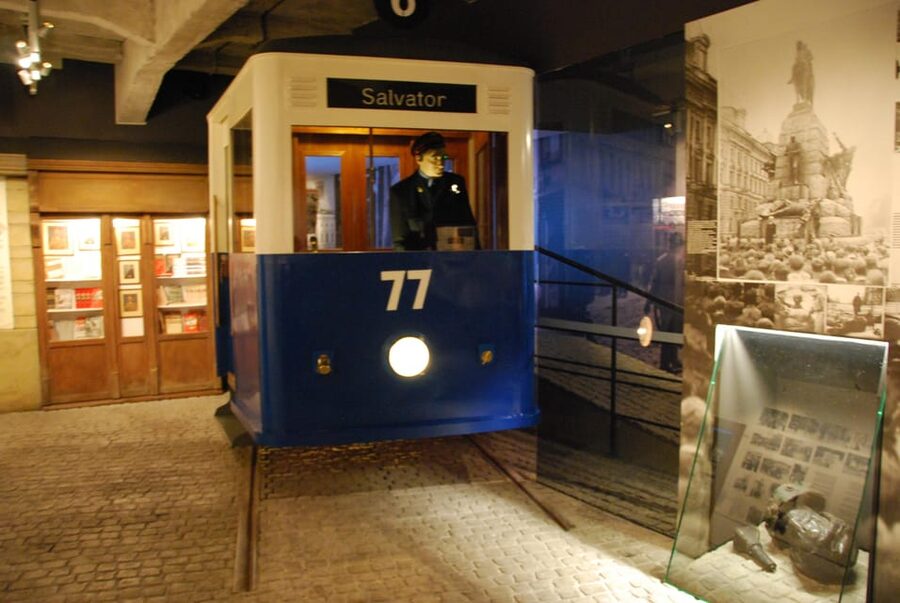
The most praised part of this experience is how it presents personal stories instead of keeping everything abstract. The museum’s power comes from the way it centers residents of Kraków, showing how families and individuals were pushed into impossible situations.
If you’re the type who likes to connect history to real people, you’ll probably find this section of the visit the most affecting. The exhibits are designed to show that the Holocaust and occupation were not only a distant event. They were a reality that shaped daily movement, work, safety, and identity.
This is also where a guide can help. Even without one, the exhibits are clear about the big picture. With a guide, you’ll usually get added context and explanations that help you connect the dots across rooms. If you like your history with a bit more narrative structure, consider adding the guided tour option.
Oskar Schindler’s office and the Ark of the Saved
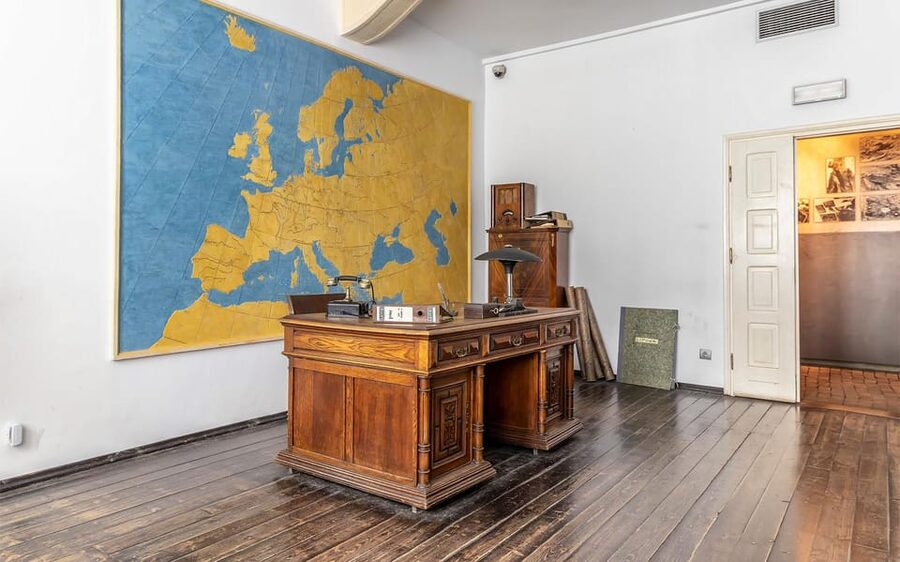
This is the part many visitors end up thinking about the next day. The visit includes Oskar Schindler’s personal office, a place that anchors the story in his role and decisions. It’s not just a stop for photos. It’s built to make you think about what it takes for one person to use influence in a system designed to destroy people.
The museum also features the iconic Ark of the Saved. The idea behind it is straightforward but emotionally heavy. It symbolizes Schindler’s efforts to protect the vulnerable, and it gives the story a focal point that’s hard to ignore.
If you’re worried you might feel overwhelmed, focus on small moments: read slowly, let the message land, and then move on. You do not have to process everything in one sitting. A slower pace often leads to a more meaningful visit.
A few more Krakow tours worth comparing
- Krakow to Auschwitz Birkenau Guided Tour with Transfer and Ticket
★ 5.0 · 8,197 reviews - Krakow: Wieliczka Salt Mine Fast-Track Ticket & Guided Tour
★ 4.5 · 5,872 reviews - Auschwitz Birkenau Guided Tour with Ticket Hotel Pickup Small Van
★ 5.0 · 4,769 reviews - From Krakow: Wieliczka Salt Mine Tour & Skip the Line Ticket
★ 4.4 · 3,925 reviews
What the factory museum format really means for expectations
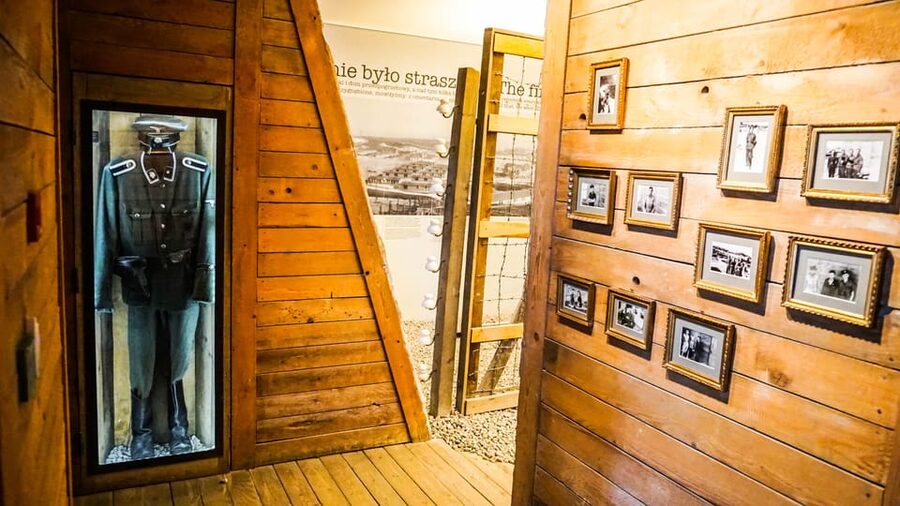
Here’s the honest reality check. This experience is not a walk-through of a preserved factory floor in its original condition. You are visiting a museum that uses relics, videos, and photos to interpret the period. That can still be powerful, but it’s a different kind of immersion than you might picture if you imagine untouched machinery and workstations.
This mismatch shows up in ratings. Some people came in expecting to see the factory itself in its wartime physical form, and they felt the museum setting replaced the original look. Personally, I think this is one of those things you can avoid by adjusting expectations before you go.
Try thinking of it this way: you are not touring a factory building as if time stopped. You are studying a site as evidence of what happened there. The emotional strength comes from the storytelling and context, not from the preservation of industrial spaces.
Optional guided tour: what you gain with a pro
An optional guided tour is available if you want more than the exhibit panels. With a professional guide, you’ll get added context for how the occupation shaped Kraków and how Schindler’s situation evolved.
A guide can also help you connect timelines. For example, you learn that Schindler arrived in Kraków on September 6, 1939, and you see how that early moment fits into the broader occupation story. When those pieces click, the exhibits feel more organized, not just informational.
There’s also a practical advantage. A small-group setup, combined with a guide, can help you avoid feeling lost in the flow. One catch from past experiences is that finding the guide can be tricky if you arrive right at the start time. If you choose guided, give yourself a few extra minutes to find the correct meeting point inside the area.
No guide? You can still have a strong visit. Just plan for longer time spent reading and watching the multimedia components.
Skip-the-line entry, small group size, and why it matters in Kraków
The ticket is designed for convenience. Skip-the-line entry means you can get started without waiting in the standard queue. That’s a real quality-of-life upgrade in a city where you might already have timed plans.
This activity also runs as a small group, listed as limited to 1 participant. In plain terms, that often translates to a more personal experience, especially if you selected the guided option. If you like questions and clear explanations, this format can feel more focused.
Also, since there is no hotel pickup or drop-off included, you’ll want to plan your own transportation and arrival. The skip-the-line benefit works best when you arrive close to your start time and can walk in promptly.
Price and value: is $9 a fair deal?
The price is listed at $9 per person, with a guided option available. For many visitors, the value here is not just the ticket price. It’s what the ticket enables: direct entry into a major, must-know part of Kraków’s WWII story, with skip-the-line convenience.
The optional guide is where value can shift depending on your style. If you like to understand context as you go, a guide can turn the exhibits into a more complete story. If you’d rather wander at your own pace and read everything yourself, you might feel the basic ticket is already enough.
One thing to double-check: the included package notes entry to 39 museums only if the option is chosen. That sounds like there may be a combined ticket option. If that matters to you, verify during booking that you selected the version that includes those extra admissions.
For budgeting, think of it this way: for a low-cost ticket, you get meaningful content plus convenience. It’s a strong fit for travelers who want to use their limited time in Kraków wisely.
Timing rules, museum closures, and how to plan your visit
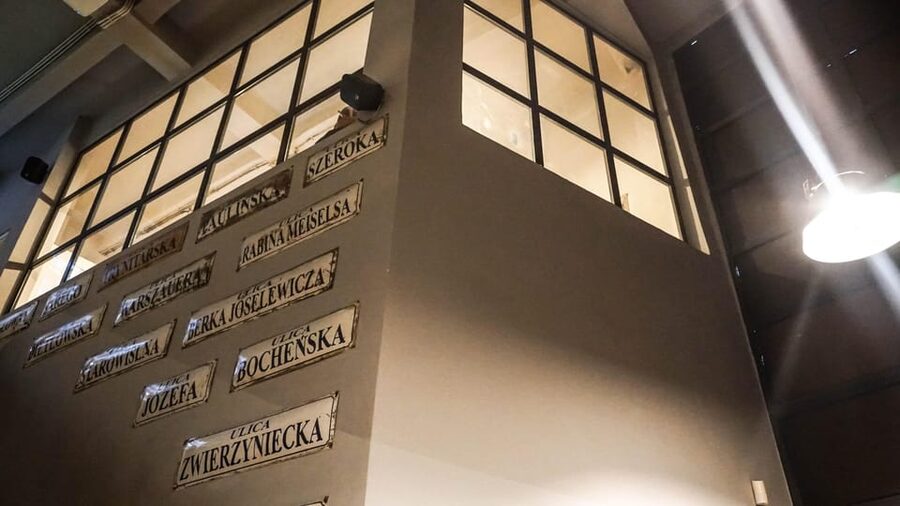
This ticket is valid 1 day, and you should check available starting times when you book. That’s important because you might have to pick a slot rather than walking in anytime you please.
There are also clear timing rules to keep in mind:
- The museum is closed on the first Monday of every month
- Last admission is 90 minutes before closing
So, if you want a relaxed visit, do not schedule it at the absolute end of your day. Give yourself enough cushion to finish reading and watching what you choose to see.
In terms of what you bring and what the museum allows:
- Bring comfortable shoes and a camera
- Flash photography is not allowed
- Backpacks are not allowed
If you hate re-sorting your bag at the last minute, handle it early. Wear shoes you can walk in for stretches of time, because you’ll likely stop often.
Who should book Schindler’s Factory in Kraków
This visit is a good match if you want:
- A Kraków experience with real historical weight and human-scale storytelling
- A clear focus on Oskar Schindler and his role in saving lives, including the Ark of the Saved
- The convenience of skip-the-line entry
It’s also a solid pick if you enjoy museum exhibits that use multimedia and preserved artifacts to explain complex history. You’ll probably appreciate the way the museum sets up the factory’s background as Deutsche Emailwarenfabrik and then connects it to the Nazi occupation story.
It’s likely less suitable if:
- You want a factory tour with original industrial spaces preserved and left unchanged
- You have mobility needs, since it is listed as not suitable for wheelchair users
- You’re traveling with a lot of gear, since backpacks are not allowed
Should you book this ticket with the optional guide?
Book it if you’re prioritizing a must-see WWII story in Kraków and you value skip-the-line convenience. The $9 price is hard to ignore, and the visit centers on specific, meaningful anchors like Schindler’s office and the Ark of the Saved.
Choose the optional guide if you want more context and clearer connections across the exhibits. It’s especially worth it if you tend to remember stories better when someone frames them for you as you walk from room to room.
Skip the guide and go self-paced if you enjoy reading panels and watching multimedia at your own pace. Just be ready for the museum format, not a preserved factory floor.
Either way, if you plan with the closure day and the last admission cutoff in mind, you’ll have a smoother experience.
FAQ
How much is the Schindler’s Factory entry ticket in Kraków?
The price is listed as $9 per person.
How long is the ticket valid?
The ticket is valid for 1 day. Starting times depend on availability, so you’ll want to check when you book.
Is a guided tour included?
A guided tour is optional. You can add it if you want a professional guide for more context.
Does the ticket include skip-the-line entry?
Yes, the ticket includes skip-the-line entry.
Is the museum always open?
No. The museum is closed on the first Monday of every month.
Can I take photos with flash?
No. Flash photography is not allowed.
Is this experience wheelchair-friendly?
No. It is listed as not suitable for wheelchair users.
Recently reviewed around Krakow
- Wawel Castle and Cathedral Guided Tour★ 4.6 · 44 reviews
- Walking Tour: Kazimierz, Jewish Quarter – 2-Hours of Magic!★ 4.7 · 35 reviews
- Wawel Castle and Cathedral Guided Tour★ 5.0 · 8 reviews
- Wadowice and Kalwaria: John Paul II Route★ 4.8 · 5 reviews
- Kraków Holocaust Tour★ 4.9 · 5 reviews
- VIP Club Entry and Booth Booking★ 5.0 · 4 reviews
- Walking Tour of Krakow: Old town – 2-Hours of Magic★ 4.7 · 5 reviews
- Krakow: Zakopane, Thermal Baths and Gorce Park Treetop Walk★ 5.0 · 3 reviews