
Reviewed · SCHINDLER'S FACTORY TOURS
Krakow: Schindler’s Factory and Jewish Ghetto Guided Tour
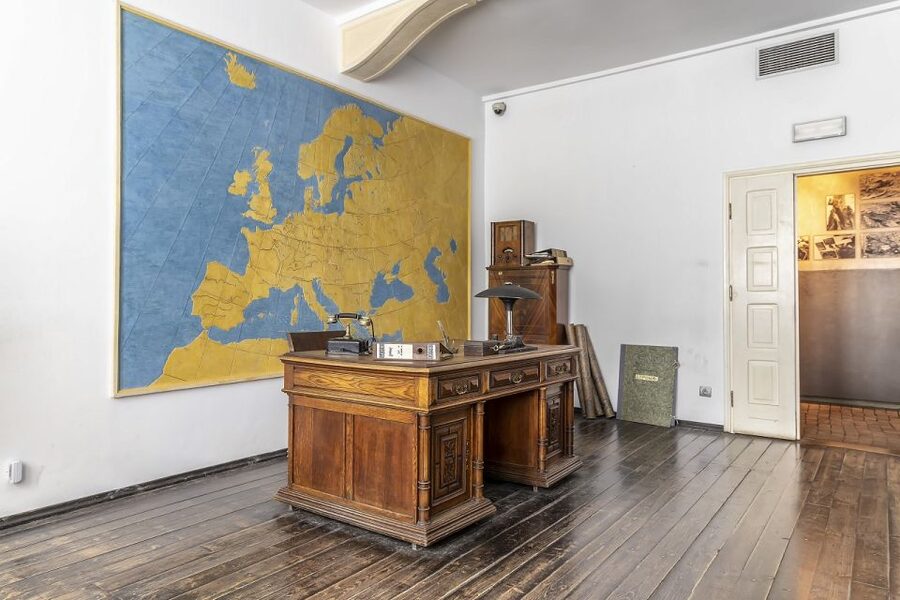
What makes this Krakow tour especially interesting is the way it pairs Schindler’s Factory with an outdoor walk through Podgórze, so the story goes from objects and documents to real streets you can still stand on. I like that you start at Oskar Schindler’s Enamel Factory and then get a guided tour inside, where the guide explains daily life in the factory and how it intersected with the Jewish workers hiding from Nazi control.
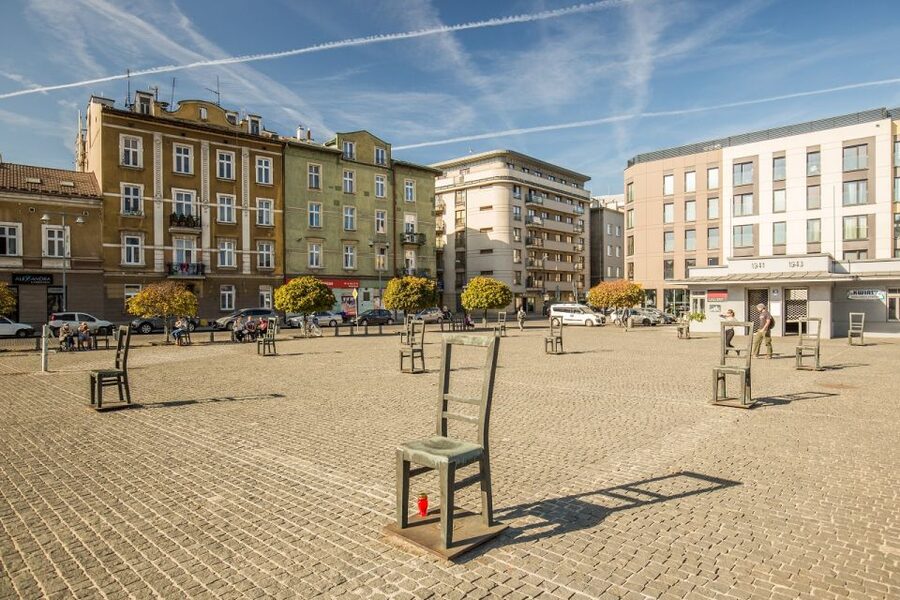
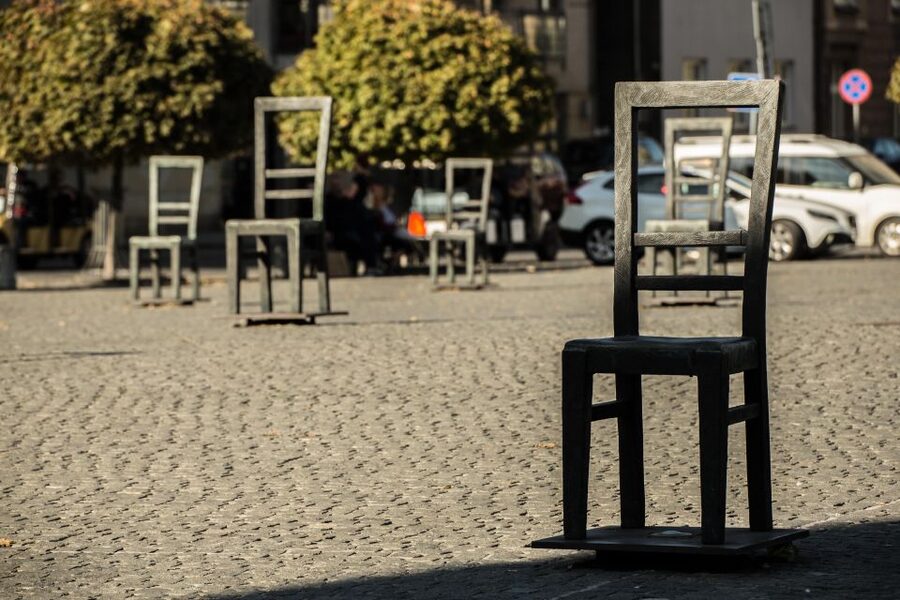
I also like the tour’s memorial focus at key sites, including Heroes’ Square and the 68 Empty Chairs, plus a stop at the pharmacy called Under the Eagle. One possible drawback to keep in mind: the museum corridors can feel tight with a larger group, and in winter it can get dark fast, which makes some street views harder to see clearly.
Key Things That Make This Tour Worth Your Time
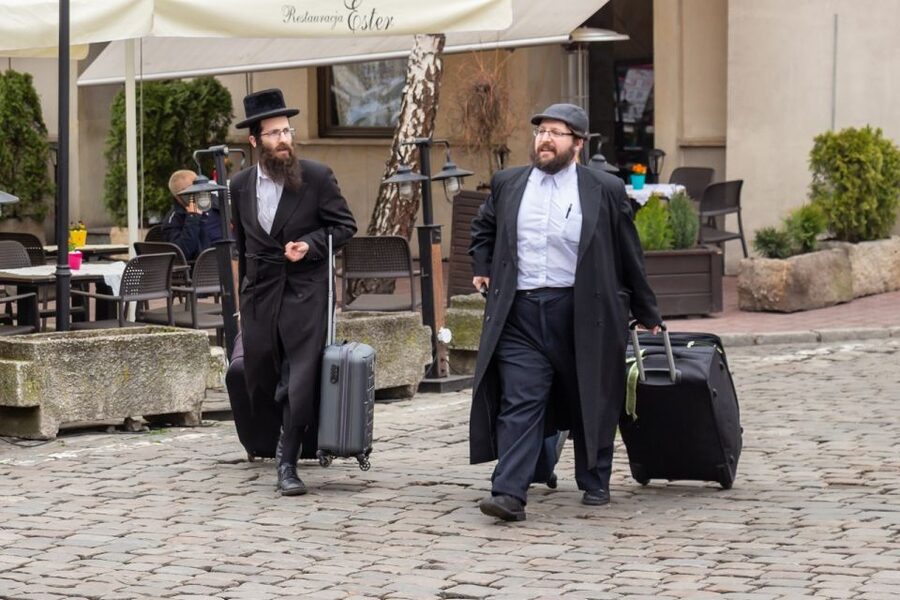
- Schindler’s Factory with a guide, not just a self-guided walk through exhibits
- Podgórze ghetto streets on foot, including an undestroyed stretch of wall and former residential buildings
- Memorial stops that connect directly to the story, especially the 68 Empty Chairs
- Under the Eagle pharmacy, where the guide links everyday survival to bigger wartime events
- Skip-the-ticket-line entry, which matters because museum time slots can be tight
Schindler’s Factory and Podgórze in One 3-Hour Loop
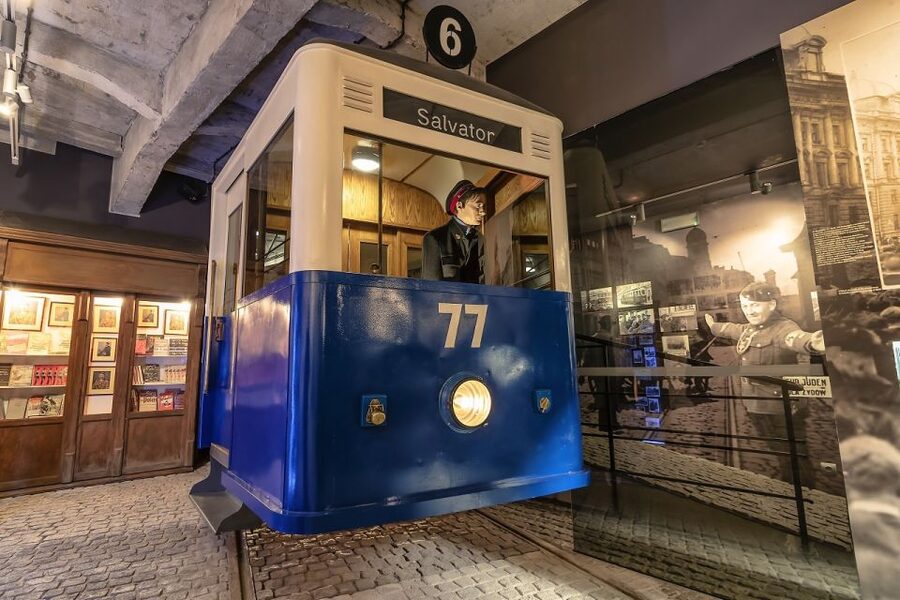
This is a tight, 3-hour format that tries to do two big things well. First, it gives you a guided museum experience inside Schindler’s Factory, where you learn about Oscar Schindler’s life and why his story became so widely known. Then you move outside for a walking tour of Podgórze, the area tied to the Krakow Jewish ghetto, so the history has a sense of place.
The best part is the “cause and effect” feeling. The factory sections help you understand how one business, one set of decisions, and one wartime reality could be tied to the fates of specific people. Then the Podgórze walk helps you locate that reality in real neighborhoods, including memorial sites and surviving structures.
More Schindler's Factory tours to compare:
- Krakow: Oskar Schindler’s Factory Entry Ticket & Guided Tour
★ 4.2 · 3,793 reviews - Krakow: Schindler’s Factory Tour with Entrance Ticket
★ 4.5 · 3,182 reviews - Krakow: Schindler’s Factory Skip-the-Line Ticket
★ 4.4 · 3,105 reviews
Meeting Point at Oskar Schindler’s Enamel Factory (and the ID rule)
You meet at the entrance of the Schindler Factory Museum, looking for a guide holding an excursions.city sign. The exact timing can flex slightly because the museum controls its schedule, so I’d plan to be there a few minutes early rather than right on the dot.
There’s also an important entry requirement: the museum uses personalized tickets. You need to reserve with the full names of all participants, and you should bring a passport or ID for museum entry. If you forget this stuff, you can lose access, even if your tour guide is ready to go.
Inside the Museum: Why the Factory Tour Works
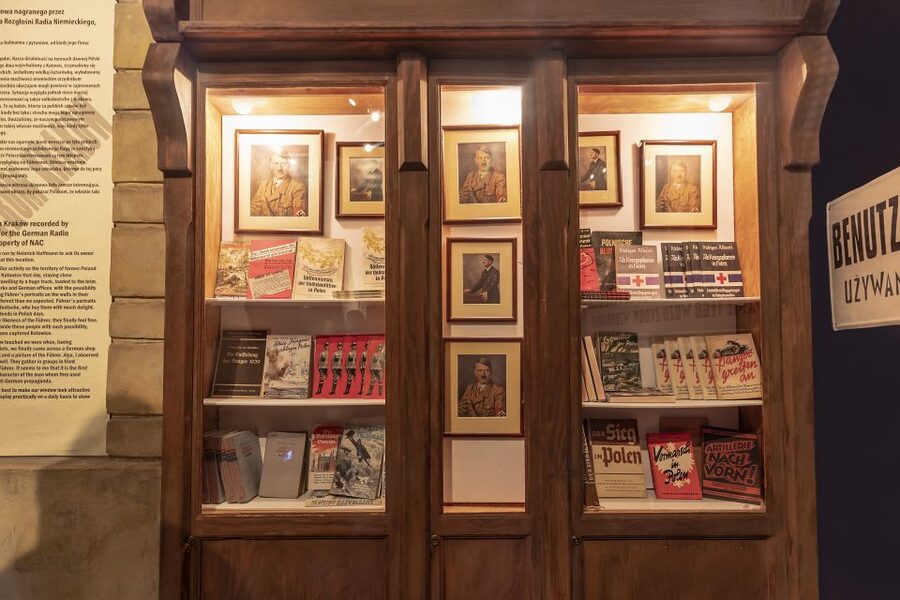
The factory portion is the backbone of the experience, typically lasting about 1.5 hours. The guide leads you through the museum and frames what you’re seeing: Oscar Schindler’s legacy, what happened in the factory during the war, and how the site related to Jewish workers trying to survive Nazi occupation.
I like this approach because it stops you from treating the museum like a static list of facts. Instead, you get explanations that turn exhibits into a narrative. You also learn about the true events that inspired Steven Spielberg’s Schindler’s List, which helps you separate what you remember from what happened and where.
One practical tip: this museum can involve narrow corridors, and the group size can make walking a bit slow at times. If you’re sensitive to crowded spaces, it’s worth knowing that you might have a harder time lingering in front of displays. The flip side is that a good guide keeps the momentum moving and helps you focus on what matters.
A note on audio and headsets
Some tours use audio devices, and at least one experience report said audio controls did not work well, so the group stopped using the devices. If that happens on your departure, don’t panic. The guide’s voice still carries the real value, especially when the explanation connects exhibit items to the street-level walking part.
More Jewish quarter and heritage tours to compare:
- Krakow: Schindler’s Factory & Ghetto Guided Tour
★ 4.7 · 1,694 reviews - Krakow: Jewish Quarter and Former Ghetto Tour
★ 4.9 · 1,441 reviews - Krakow: Bike Tour of Old Town, Jewish Quarter and the Ghetto
★ 4.9 · 1,155 reviews - Krakow: Kazimierz Jewish Quarter Walking Tour
★ 4.8 · 571 reviews
A Short Pause Between Stops: Use It for Daylight and Water
After the factory tour, there’s usually a break before the Podgórze walking portion. One report described about a 30-minute pause, with the ghetto walk running roughly an hour afterward.
This is the moment to check your phone for direction if you want a quick visual reference for where you’re going next. It’s also a good time to grab water, because food and drinks are not included in the tour. And if you’re visiting in autumn or winter, daylight can be limited, so this pause can decide how much you’ll see clearly once you’re outside.
If you have the choice of departure times, I’d pick the one that gives you more daylight for the outdoor walking segment. Even a small shift in timing can change your comfort level when you’re trying to spot details on streets and at monuments.
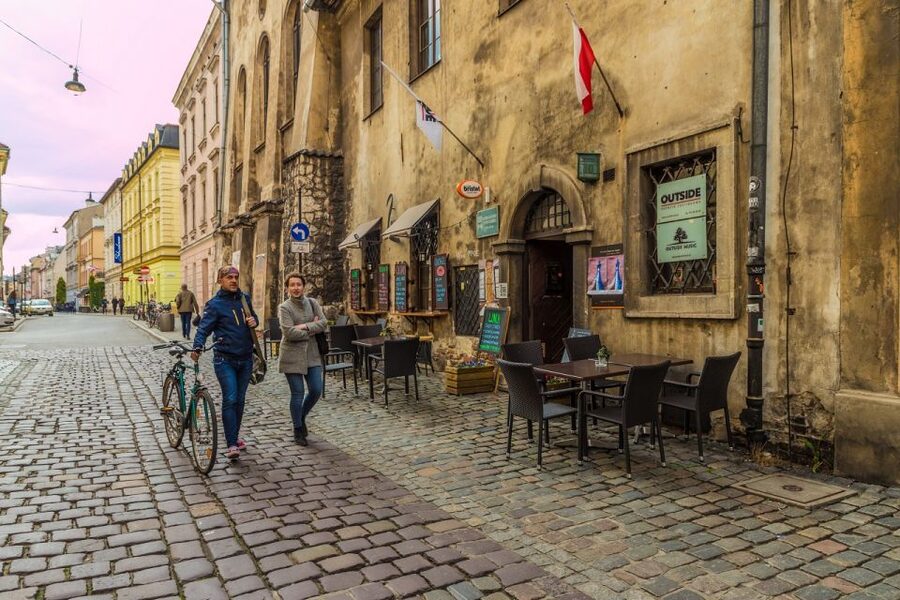
Podgórze Walk: Ghetto Streets, Surviving Wall, and Real-World Details
The walking tour focuses on Podgórze and the Jewish ghetto in Krakow during the Nazi occupation period. You’ll hear the story as you move through the neighborhood, and you’ll visit important points tied to the wartime reality.
A standout element is the undestroyed wall around the ghetto, plus houses where thousands of displaced Jews used to live. Seeing a surviving boundary like this changes how you understand the “enclosure” idea. It’s one thing to read about forced separation, and another thing to stand by a real remnant and feel the scale.
You’ll also learn how the war reshaped daily life, including how people tried to navigate survival under extreme restrictions. The guide’s job here is tough, and it shows when they can make the streets feel specific, not generic. In experiences shared from this tour, guides like Helena and Ela were praised for emotional clarity and for turning the walking segment into something you remember, not just something you pass through quickly.
Under the Eagle Pharmacy: Why One Stop Matters
One of the most interesting scheduled stops is the pharmacy known as Under the Eagle. The tour explains how this location played an important role in Jewish life during the occupation.
I like this kind of stop because it grounds the big story in something concrete. Pharmacies and everyday services sound small compared to factories and memorials, but in a ghetto setting, access to medicine, supplies, and support could mean the difference between coping and collapse. When your guide connects Under the Eagle to the wider wartime conditions, the museum lessons stop feeling abstract.
If you’re the type who wants the story to be more than dates and names, this stop is a good sign you’re in the right tour format.
Heroes’ Square and the 68 Empty Chairs Memorial
The tour finishes with a major memorial moment at Heroes’ Square, including the 68 Empty Chairs. This is where the experience shifts from explained history to reflection.
The guides are expected to explain the memorial’s significance, and in practice, it’s the kind of moment where you can feel the story settle in. One reason I think this stop is valuable is that it helps you process what you just learned in a structured way. Instead of leaving the museum and ghetto walk with only emotion, you get a clear landmark that represents the people targeted and erased.
If you’re traveling with someone who struggles with heavy topics, this memorial stop is also a good bridge. It provides a space to pause and make the experience mean something, even if it stays painful.
Price and Value: Is $58 a Good Deal?
At $58 per person for a 3-hour guided experience, this isn’t a bargain tour, but it also isn’t priced like a luxury event. The value comes from what’s included.
You get:
- a live guide
- entry to Schindler’s Factory
- a guided tour of the factory
- a walking tour of Podgórze
And you skip the ticket line, which can save time and reduce stress, especially when museum schedules are strict.
If you’re deciding between doing it alone versus going guided, I’d lean guided for two reasons. One, a lot of the museum material is easier to understand when it’s connected into a wartime storyline. Two, the outdoor walk only works well when someone points out what you’re actually looking at, like the surviving wall section and memorial context.
The only “cost” to factor in is that this is not a relaxed sit-and-chat experience. It moves, and if your group size is large, the museum corridors can feel tight. Still, the pace is reasonable for a 3-hour block.
Who This Tour Suits Best
This tour is a strong match if you want history with direction. You like learning why things matter, not just seeing where they happened. It’s also ideal if you’re visiting Krakow for the first time and want your Holocaust-related sightseeing to feel organized and meaningful, with clear stops that you can’t easily recreate on your own.
It may be less ideal if you dislike groups or cramped spaces. One account mentioned that big groups in narrow museum corridors made movement slower, and the tour would have felt different without the guide. Also, if you’re very short on time, you should know the experience is heavy and focused, not a “quick highlights” stroll.
Should You Book This Krakow Schindler’s Factory and Ghetto Tour?
Yes, you should consider booking if you want a guided, structured way to connect Schindler’s Factory to the Podgórze ghetto and key memorial sites like the 68 Empty Chairs. The format is efficient, the included guidance adds real value, and the stops are specific enough that you’ll know what you saw and why it matters.
Before you book, I’d do two simple checks. First, pick a start time that gives you better daylight if you’re going in winter. Second, double-check the museum entry requirement and bring your passport or ID, since the tickets are personalized. If you do those two things, this becomes one of the most impactful history tours in Krakow.
FAQ
Where is the meeting point for the tour?
You meet at the entrance to the Schindler Factory Museum. Look for a guide holding an excursions.city sign.
How long is the tour?
The duration is listed as 3 hours.
What is included in the price?
The tour includes a live guide, entry to Schindler’s Factory, a guided tour of Schindler’s Factory, and a walking tour of Podgórze.
Is food or drinks included?
No. Food and drinks are not included.
Which languages are available for the live guide?
The live tour guide is offered in French, Spanish, English, German, and Italian.
Do I get skip-the-line entry?
Yes, the tour includes skip the ticket line.
Do I need to bring ID for the museum?
Yes. The museum uses personalized tickets, so you must provide full names when reserving and bring a passport or ID for entry.
Can I cancel for a refund?
You can cancel up to 24 hours in advance for a full refund.
Recently reviewed around Krakow
- Wawel Castle and Cathedral Guided Tour★ 4.6 · 44 reviews
- Walking Tour: Kazimierz, Jewish Quarter – 2-Hours of Magic!★ 4.7 · 35 reviews
- Wawel Castle and Cathedral Guided Tour★ 5.0 · 8 reviews
- Kraków Holocaust Tour★ 4.9 · 5 reviews
- Wadowice and Kalwaria: John Paul II Route★ 4.8 · 5 reviews
- VIP Club Entry and Booth Booking★ 5.0 · 4 reviews
- Walking Tour of Krakow: Old town – 2-Hours of Magic★ 4.7 · 5 reviews
- Krakow: Zakopane, Thermal Baths and Gorce Park Treetop Walk★ 5.0 · 3 reviews