
Reviewed · JEWISH QUARTER & HERITAGE TOURS
Krakow: Plaszow Concentration Camp Walking Tour
Plaszow Concentration Camp in Krakow is one of those places where a map can’t do the job. You need a guide to connect the ground in front of you with what happened there, including the link to Schindler’s List. I like that this tour is led by a licensed guide, and that it builds in time to remember the victims at memorials instead of treating the site like a photo stop.
My second favorite part is how the tour explains Oskar Schindler and then points you toward the Spielberg movie connection, including the replica site near Liban Quarry. One drawback to plan for: this is mostly outdoors, and if weather turns messy, you will feel it. The good news is you’re only out there for about two hours, and the guide helps you make sense of a place where not much remains standing.
Key highlights you should care about
- Licensed, live guide who makes sense of what little physical structure is left
- Holocaust memorial moments built into the route, not tacked on at the end
- Forced labor camp origins in 1940, then conversion to a concentration camp in 1941
- Krakow ghetto deportations starting in 1942, explained in context
- Oskar Schindler and Schindler’s List, including where the film replica was built
- Liban Quarry visit at a short distance from the main camp area
Plaszow in Krakow, and why a guided walk matters
Krakow-Plaszow is heavy history on an uneven, mostly outdoor site. What makes it interesting is also what makes it tricky: the location is real, but the camp is not intact in the way some people expect. That means you can stand in the right place and still miss the story if you’re going solo.
This tour solves that problem in a practical way. A licensed guide talks you through the changing purpose of the camp over time, and then points out the different areas so you can understand what you are looking at. That matters because Plaszow is not just one static scene. It evolved, and the camp functioned through forced labor, including work tied to the quarry and military factories.
Two hours is a sweet spot. It’s long enough for context and reflective stops, but short enough that you can stay mentally present. If you have limited time in Krakow, this is one of the more efficient ways to get the meaning right without turning it into an all-day slog.
One more thing I appreciate: the tour is designed to be clear even if this is your first major Holocaust site in Poland. You get a live guide in multiple languages, so you are not stuck relying on your own guesswork.
More Jewish quarter and heritage tours to compare:
- Krakow: Schindler’s Factory & Ghetto Guided Tour
★ 4.7 · 1,694 reviews - Krakow: Jewish Quarter and Former Ghetto Tour
★ 4.9 · 1,441 reviews - Krakow: Bike Tour of Old Town, Jewish Quarter and the Ghetto
★ 4.9 · 1,155 reviews
What you’ll learn, from 1940 forced labor to 1942 deportations
The tour frames Plaszow as a system, not just a location. You start with the camp opening in 1940 as a forced labor camp. Then you move into how it was converted into a concentration camp in 1941. That timeline matters because it explains how Nazi policies intensified and reorganized over a relatively short period.
From there, you get the local story: the impact of Nazi rule in Krakow and the deportation of Jews from the Krakow ghetto, beginning in 1942. Even if you already know the broad facts, I like the way the guide ties the dates to what happened on the ground. It helps you avoid the feeling that history is just a list of dates.
This also connects to why the camp mattered economically and militarily. You learn about the labor performed at the quarry and at military factories, and how work was enforced as part of Nazi control. The takeaway is uncomfortable but important: the camp was not only about imprisonment. It was also a machinery for exploitation.
If you want your visit to feel real, you’ll want this kind of structure. You won’t just hear the big plot points. You’ll also get “what that meant here” explanations that make the site click.
Memorial stops: how the tour helps you slow down
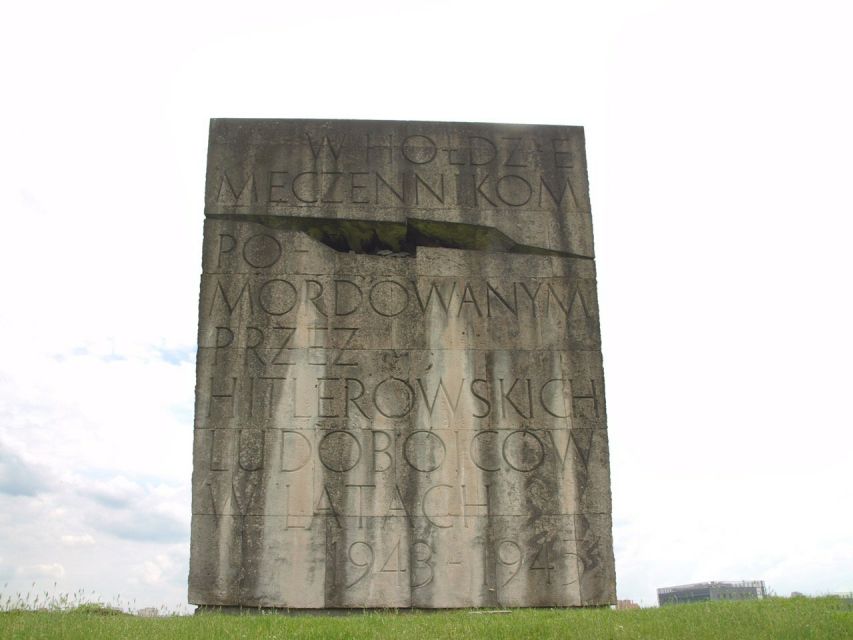
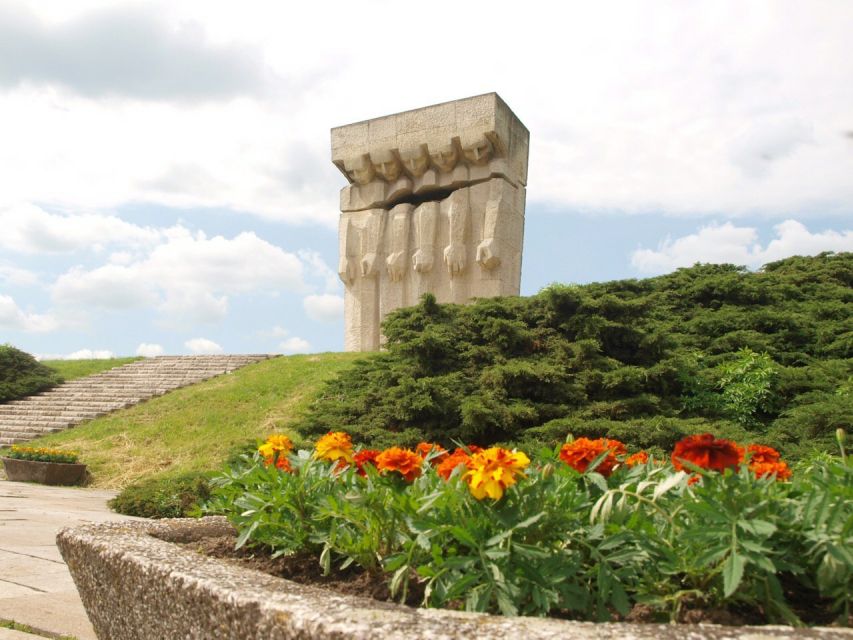
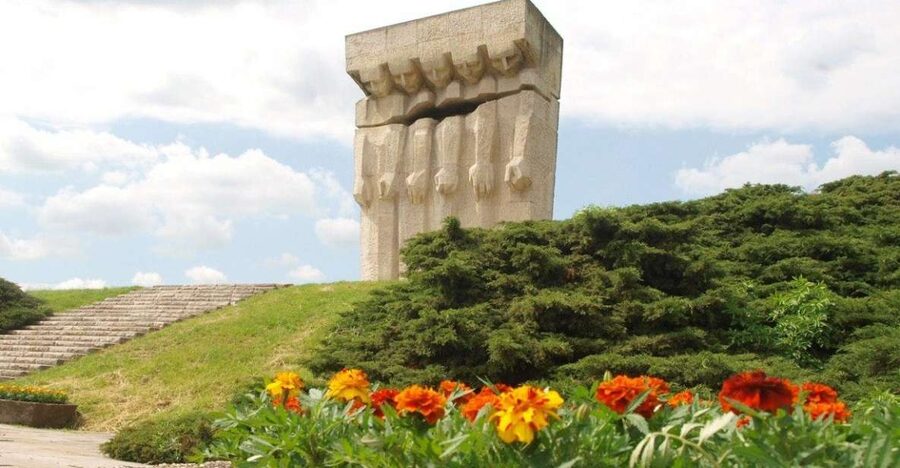
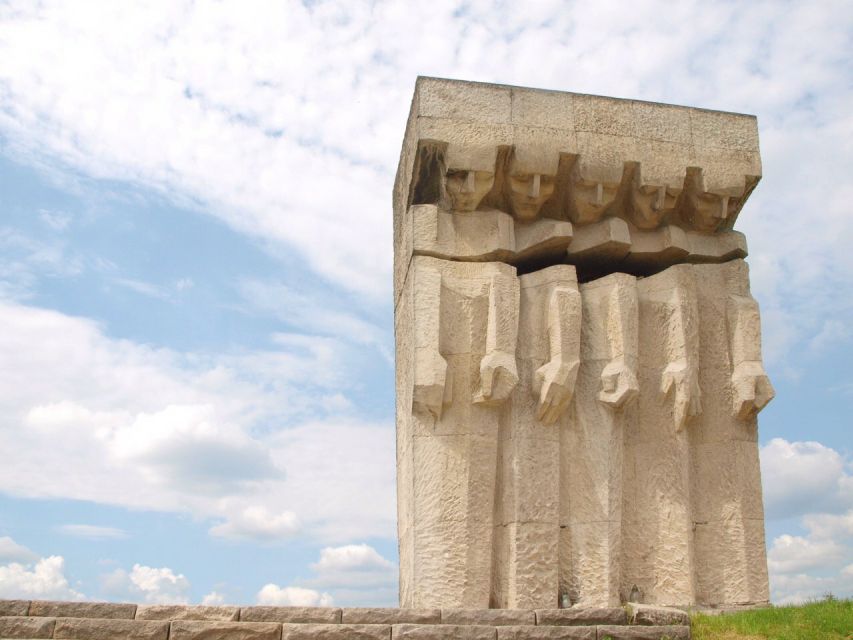
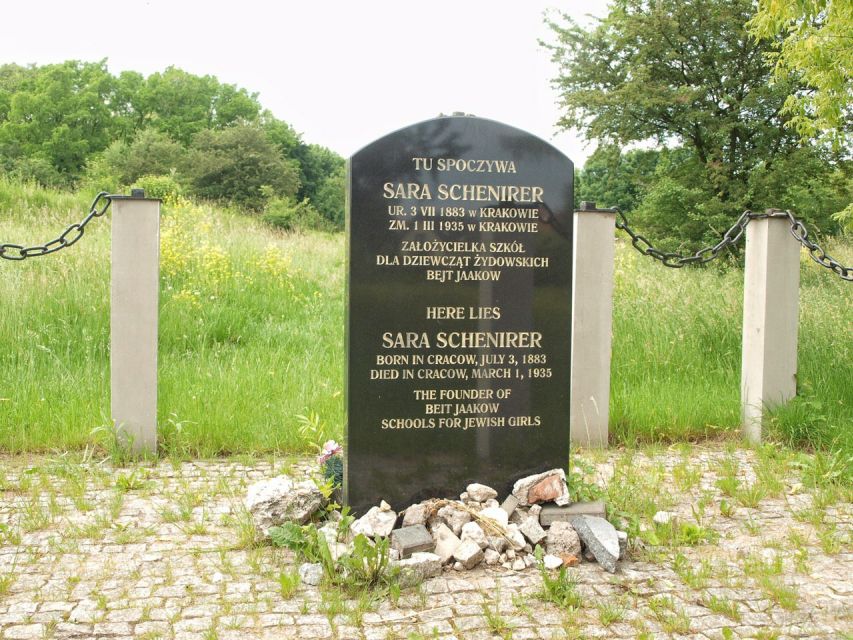
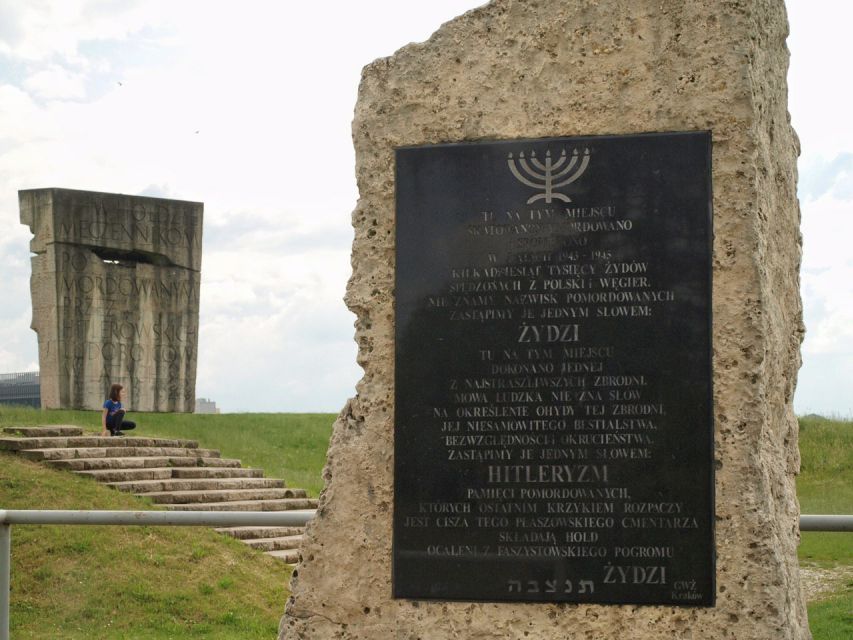
One of the most valuable parts of this experience is the emphasis on remembrance. The tour includes several memorials dedicated to remembering the victims, and the guide handles them with the right tone of respect.
Here is what you can expect in practice. You will spend time at these memorial points, and the guide gives you the context you need so the names and markers do not feel abstract. Without that help, memorials can turn into background scenery. With it, you can actually focus on who was targeted and why the site is remembered today.
I also like that the tour doesn’t race through reflection. It is built around the idea that you are visiting for understanding and respect, not just collecting facts. That is especially important at Plaszow because the physical remains can be limited, so the meaning needs to come from guidance.
A small but real tip: if you are the type who gets overwhelmed easily, tell yourself you only need to do one thing at a memorial stop. Read what is there, breathe, then listen. That keeps your brain from spiraling and helps the experience land the way it should.
Seeing the camp areas in context, even when the site feels sparse
Camp sites are often described as haunting, and that’s true here. But the more useful word is “confusing” for visitors who arrive without a guide. There is history in the ground, and there are different parts of the camp, but not everything is visually obvious.
That’s why I think the licensed guide element is not a luxury. It is the difference between a confusing walk and a meaningful one. The guide explains what each part of the camp represented and how forced labor was organized across the space, including the quarry and other work areas.
You also learn what camp life was like. The point is not shock value. It is understanding how Nazi rule functioned day to day, and how that affected people who were imprisoned there. When the guide explains these systems while you are physically in the location, your understanding is stronger than reading a paragraph later.
If you are someone who hates being “drained” by too much exposition, you can still benefit. The route is designed to move. You get stops, explanations tied to what you see, and then you walk to the next point. That rhythm helps you absorb the information without getting lost.
More walking tours in Krakow:
- Old Town Krakow & Wawel Castle Walking Tour
★ 5.0 · 1,508 reviews - Creepy Krakow: 2-Hour City Walking Tour
★ 4.7 · 1,131 reviews - Krakow: The Old Town Walking Tour
★ 4.8 · 794 reviews - Krakow: Kazimierz Jewish Quarter Walking Tour
★ 4.8 · 571 reviews
Oskar Schindler and the connection to Schindler’s List
Even if you have seen Schindler’s List, the movie connection can sometimes feel like a shortcut. This tour treats it more responsibly. You learn about the life of Oskar Schindler and then discuss how the camp was portrayed in the 1993 film.
Why that matters for you: a film is not a documentary, and you need context to avoid confusion. The guide gives you the story elements tied to real events, so you can appreciate why the movie became famous while still understanding what is literal versus dramatized.
I like this segment because it helps you place the narrative in real geography. The tour does not just say Schindler’s name and move on. It links his story to the camp’s broader history and then brings you into the Spielberg connection next.
This is also where the tour feels more than a history lesson. It becomes a “meaning with place” experience. You start to see why certain sites, like the later replica, exist and what they help viewers understand.
Spielberg’s replica at Liban Quarry, and why it’s worth walking to
One detail I really appreciate is that the tour includes a visit to the replica built under the direction of Steven Spielberg at Liban Quarry, a few hundred meters away from the main camp area.
This part is useful even if you are not a film person. The replica gives you a different angle on the camp layout and helps translate description into something you can visualize. For many first-time visitors, that visualization is the missing piece.
In a tour that is otherwise grounded in real history, the replica can feel strange at first. But the guide’s explanation helps you see it as a learning tool, not a replacement for the real site. You get the sense that people wanted the story to be understandable, especially to those who would never otherwise picture the camp’s physical reality.
Practical note: because it is outdoors, comfortable shoes matter. You will walk between points and spend time standing for explanations.
Price, value, and why $23 can be a smart use of time
At $23 per person for about two hours, this is priced like a very practical Krakow add-on. The biggest value isn’t just the duration. It is the fact that you’re paying for interpretation, not just entry to an open air location.
This is the key value equation: Plaszow has limited physical remains, so your “self-guided” time can easily turn into frustration. A licensed guide helps you see what you would otherwise miss. That turns the tour into an efficient use of your time in Krakow.
The tour also includes a live guide and multiple language options, so you are not stuck paying extra for interpretation. And because it ends back at the meeting point, it is easy to fit into your day.
What is not included is a tram ticket, so if you plan to use public transit, budget for that separately. It’s not a dealbreaker, it just means you should not assume the tour fare covers getting there.
Practicalities that make or break your experience
A tour like this is emotionally intense and physically simple. The main practical factors are walking time, weather, and language.
You can expect:
- A live tour guide in English, German, French, Russian, Italian, or Spanish
- Wheelchair accessible design
- Meeting at a starting spot where you look for the guide with the excursions.city sign
- Ending back at the same meeting point
For most people, what to bring is simple but important:
- Comfortable shoes for outdoor walking
- A layer for changing weather
- Water, if it’s warm
- Your phone charged, if you like to take notes, not just photos
Group dynamics also matter. One review highlighted that the group size was small and easy to understand. That lines up with what I prefer for sensitive sites: you want space to listen closely, ask a question, and not feel herded.
Who this tour is best for
This is a strong fit if you want:
- A guided explanation at Krakow-Plaszow that actually helps you understand the site
- Clear context about forced labor, camp conversion, and deportations beginning in 1942
- The Oskar Schindler story connection without losing sight of history
- A structured, reflective visit that lasts about two hours
It also works well if you are visiting Krakow specifically for Holocaust history and want something that feels more focused than a general city walk.
If you are comparing options, you might treat this as a complement to other major sites in Poland. The Plaszow story is different from other places, and it benefits from being understood on its own terms.
Should you book this Plaszow concentration camp tour?
I think you should book it if you want the visit to make sense while you are standing in the location. The licensed guide is the core value here, because the site can feel hard to interpret without help.
Skip it only if you cannot handle outdoor walking or you know you will need more time for quiet reflection than a two-hour tour allows. If you want a guided route, clear explanations, memorial stops, and the Schindler and Liban Quarry connections, this is a solid choice for Krakow.
Bottom line: for the price and the time, this is one of the more efficient ways to see Plaszow with real understanding, not just location photos.
Recently reviewed around Krakow
- Wawel Castle and Cathedral Guided Tour★ 4.6 · 44 reviews
- Walking Tour: Kazimierz, Jewish Quarter – 2-Hours of Magic!★ 4.7 · 35 reviews
- Wawel Castle and Cathedral Guided Tour★ 5.0 · 8 reviews
- Kraków Holocaust Tour★ 4.9 · 5 reviews
- Wadowice and Kalwaria: John Paul II Route★ 4.8 · 5 reviews
- VIP Club Entry and Booth Booking★ 5.0 · 4 reviews
- Walking Tour of Krakow: Old town – 2-Hours of Magic★ 4.7 · 5 reviews
- Krakow: Zakopane, Thermal Baths and Gorce Park Treetop Walk★ 5.0 · 3 reviews