
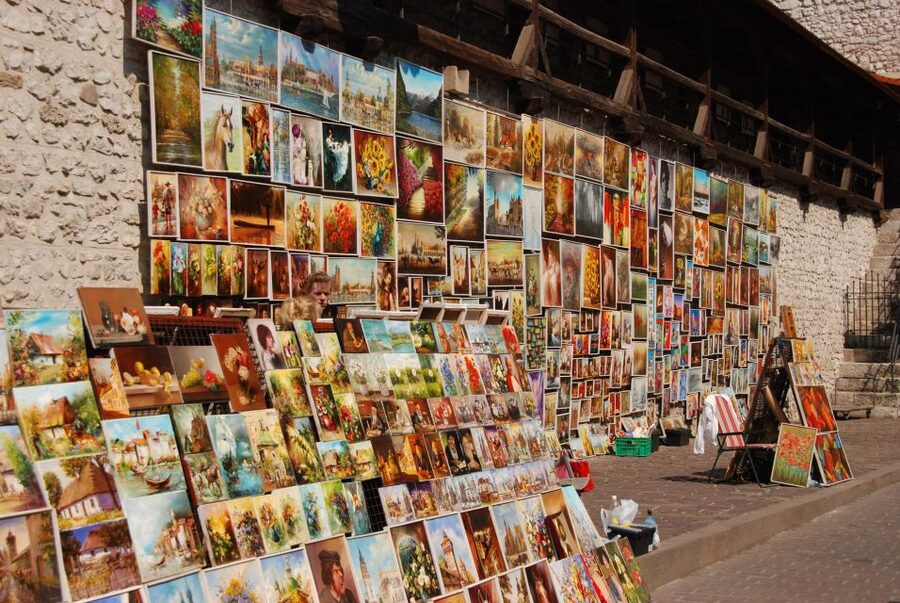
Reviewed · JEWISH QUARTER & HERITAGE TOURS
Kraków old town and jewish quarter®
Krakow gets more interesting when someone connects the buildings to the events that shaped Poland. This 3-hour, historian-led walk does that, moving between the UNESCO-worthy old center and the Kazimierz Jewish quarter so you understand the city as one story, not two separate tours.
I especially love the way you’re guided through big, recognizable landmarks without losing the thread, from the Wawel Complex to the Synagogues and memorials. And I like that the format is practical: clear stops, strong pacing, and a guide who can explain with photos and drawings, sometimes even handing you a map at the meeting point. The main drawback is the time, 3 hours means you see a lot of key places but you will not linger forever at each one.
Key highlights worth your attention
- A historian-focused route that links Krakow and Polish history to what you see in the street
- Two core areas in one loop: Krakow’s historic center and Kazimierz
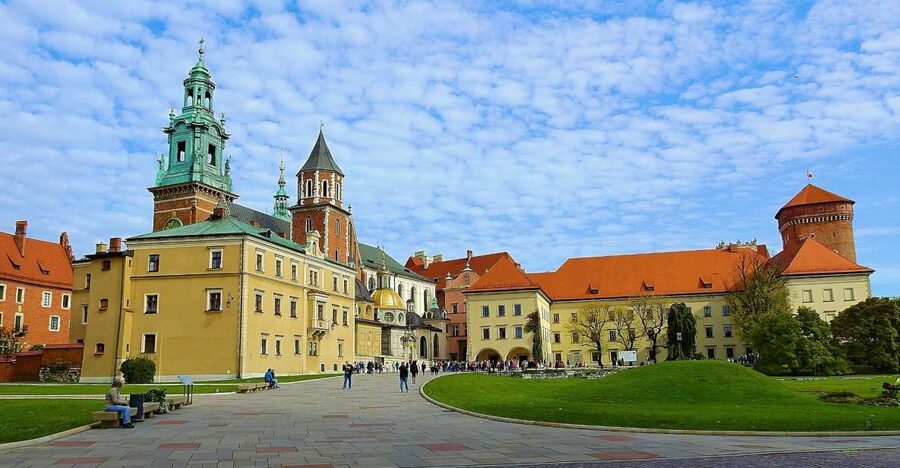
- Wawel up on the hill with the cathedral complex and the dragon sculpture viewpoint
- Kazimierz Jewish landmarks and memorials including the Tempel Synagogue and Holocaust-related monuments
- University neighborhood context with references to figures like Copernicus and John Paul II
- Good, steady pacing that keeps explanations moving across spaces
A historian’s walk through Krakow’s Old Town and Kazimierz
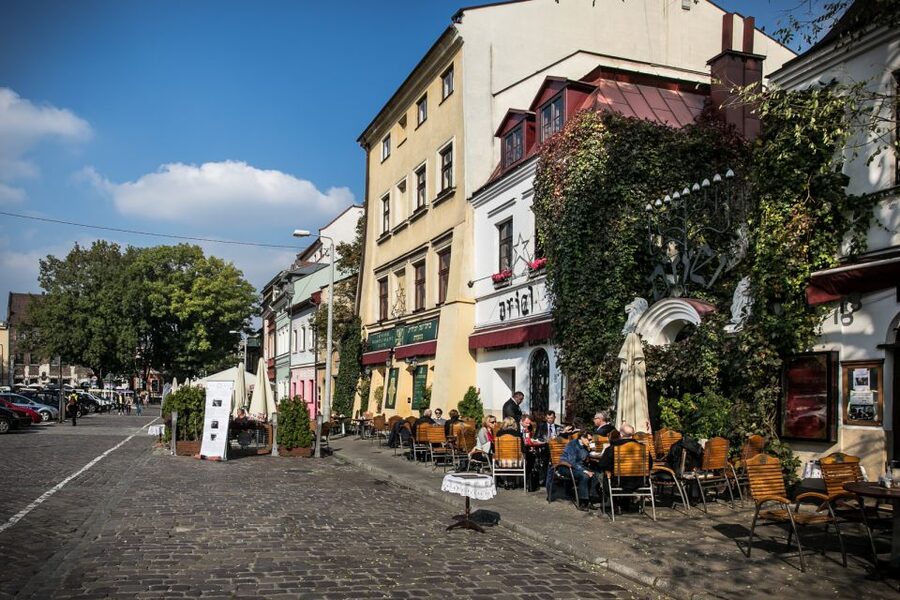
If you like history that explains the why, this tour hits the sweet spot. You’re not just looking at pretty facades. You’re learning how Krakow’s political power, religious life, and community changes left marks you can still read today.
The route is built around two areas you can’t really separate in your mind: the historic center and the Jewish quarter. In the center, you focus on medieval walls, gates, churches, and the big civic heart around the Market Square. In Kazimierz, you shift to the places tied to the first Jewish communities in Krakow, and then to how that community’s story became both central and controversial across centuries.
This is also the kind of walk where a good guide changes everything. The experience uses a graduate guide in Geography and History, and Spanish explanations can be enhanced with visuals like photos and drawings. That matters because Krakow has layers, and the visuals help your brain fasten details to landmarks.
More Jewish quarter and heritage tours to compare:
- Krakow: Schindler’s Factory & Ghetto Guided Tour
★ 4.7 · 1,694 reviews - Krakow: Jewish Quarter and Former Ghetto Tour
★ 4.9 · 1,441 reviews - Krakow: Bike Tour of Old Town, Jewish Quarter and the Ghetto
★ 4.9 · 1,155 reviews
Meeting point and the 3-hour pacing that actually works
This tour lasts 3 hours and is led live in Spanish. The meeting point detail is simple and useful: the guide carries a gray umbrella. Show up a few minutes early so you can match the umbrella and settle in.
What you need to know about the timing is also simple. In a 3-hour format, you’ll cover major sights, but you’ll experience them in “guided highlights” mode. That’s not bad, it’s just a choice. If you prefer slow wandering and long museum time, you might feel you’re moving briskly. If you prefer direction and context, you’ll likely love it.
The price is $16 per person for a 3-hour, historian-led route. For Krakow, that’s a strong value when you consider the number of named locations covered and the fact that the guide is specifically trained in Geography and History. Also, since food and drinks are not included, you can plan your meal around your schedule instead of paying tour markup.
From Julius Słowacki Theater to the medieval walls and Barbican
The walk starts in the downtown area, and one of the first recognizable anchors is Juliusz Słowacki Theater. Even if you only see the exterior, it sets a mood: Krakow isn’t just medieval stone, it’s a living city with cultural life layered on top of older foundations.
From there, you move toward the medieval defense lines, including medieval walls and the Barbican. This is where the “historian” approach pays off. You’re not memorizing dates for the sake of it. You’re learning why walls and gates mattered to how people lived, traveled, traded, and gathered.
A key next step is St. Florian’s Gate, a point where you can literally imagine entry into the city. When your guide ties that gate to the broader history of Krakow and Poland, the stone structure stops being just a photo stop. It becomes a clue for how the city functioned at different moments.
One practical tip here: wear shoes with real grip. Old streets and uneven sidewalks are normal around Krakow’s center, and you’ll be walking the whole time.
Basilica of St. Mary, Cloth Hall, and the Market Square’s big role
The route then centers on Market Square and the landmarks that carry its monumental weight. You’ll visit Basilica of Saint Mary and see Sukiennice (the Cloth Hall), plus the Tower of the old town hall.
This section matters because the Market Square is where civic power shows up in daily life. Even when you’re just standing there, you can feel how the square worked as a stage for commerce, announcements, and the rhythm of the city.
At Basilica of Saint Mary, you get a chance to understand how religious architecture shaped public space. At Sukiennice, you connect a physical market hall to the idea of Krakow as a trading and meeting point. And with the tower element, you’re encouraged to think about how people once used elevation and visibility to orient themselves in the city.
The drawback to consider is simple: Market Square is popular and can be crowded. In a group tour, you might not always get quiet, unobstructed views of every detail. Still, having a guide point out what to notice helps you get more from the same amount of time.
More Old Town walking tours to compare:
- Old Town Krakow & Wawel Castle Walking Tour
★ 5.0 · 1,508 reviews - Krakow: Rynek Underground Museum Guided Tour
★ 4.6 · 1,122 reviews - Krakow: The Old Town Walking Tour
★ 4.8 · 794 reviews - Krakow: Old Town Guided Segway Tour
★ 4.7 · 756 reviews
University neighborhood: Collegium Maius and famous academic footsteps
Next comes the university neighborhood, a transition that makes Krakow feel intellectual, not only architectural. You’ll visit Collegium Maius, and your guide will connect it to the academic training of major figures such as Copernicus and John Paul II.
This is one of the most satisfying parts of the tour if you like seeing how education shaped society. The guide’s job here is to link big names to real places. When it works, it turns an old campus building into a historical engine.
You’ll also encounter other symbolic stops in the wider area, including the Adam Mickiewicz Monument. These touches help the walking route feel less like a checklist and more like a guided path through the city’s identity.
If you get cold easily, this is a good place to remember layers. The university area can feel more exposed than the sheltered pockets near churches and square arcades.
Archbishop’s Palace, Franciscans, and how power shows up in stone
As you move deeper into the center, the tour includes important religious and official architecture, including the Archbishop’s Palace and the Basilica of the Franciscans.
This part is valuable because it shows that Krakow’s history wasn’t only about defense walls and markets. Power and belief were intertwined. Your guide helps you understand how these institutions fit into the wider story of Poland, not just local church politics.
One thing I like about stops like this is that they give you a different tempo. After moving through busy open squares, these buildings allow you to slow down and focus on details like entrances, facades, and the general presence these institutions have in the streetscape.
Wawel Complex on the hill: cathedral views and the dragon
Then you climb to the top, to the Wawel Complex. If you only do one hill moment in Krakow, Wawel is the one most people should aim for, and this tour builds it into the story rather than treating it as a standalone attraction.
You analyze the city from up there and focus on the cathedral and the related buildings of the complex. The reason this is worth your time is that Wawel represents more than a single building. It’s a physical summary of authority, faith, and national identity across centuries.
You’ll also see the dragon sculpture associated with Wawel. It’s the kind of detail that makes history feel human. The guide’s job is to help you understand why folklore and symbolism cling to real places. It’s a small stop, but it can change the mood of the entire climb.
Practical note: the hill can be steep. Even if you’re fit, plan your pace. In winter or rain, take extra care on steps and uneven ground.
Enter Kazimierz: first Jewish communities and the question of coexistence
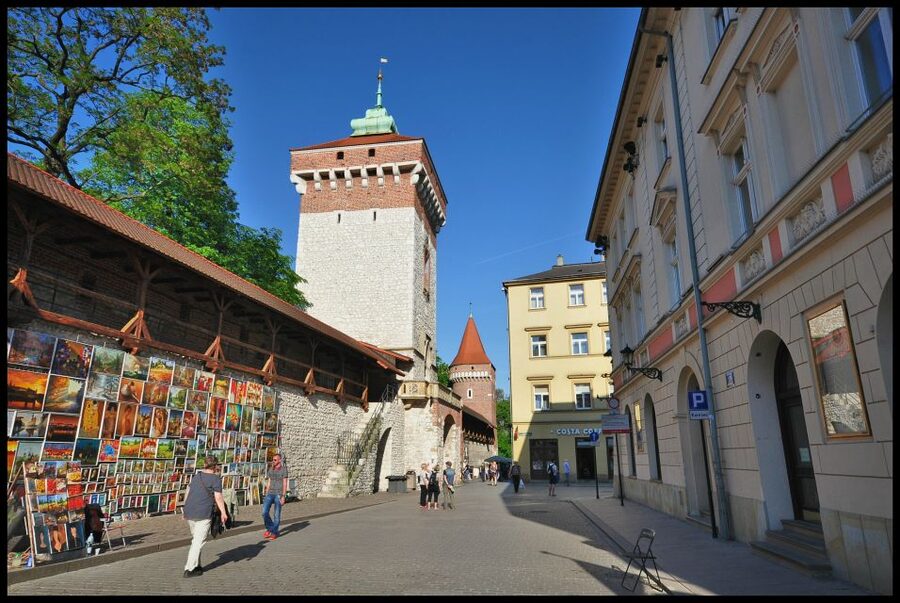
The tour’s second half turns into a guided walk through Kazimierz, where the first Jewish communities that settled in Krakow made their homes. Your guide explains the reasons behind those settlements and how coexistence between Jews and Catholics played out.
This is the heart of the experience. In Kazimierz, the architecture and street layout become part of a social history lesson. You’re learning how communities formed, interacted, and survived through changing rules and pressures.
Then the tour shifts from broader context to specific sites, including major synagogues:
- Tempel Synagogue
- Stara Synagogue
Seeing these places with an explanation of why they matter is the key. If you visit them on your own, you can still enjoy the buildings. But with the guide, you understand how the places connect to community identity and historical change.
You’ll also pass by the Old Jewish Cemetery, and that stop often hits differently because it turns history from abstract into physical reality. It’s one of those moments where your guide’s tone and pacing matter.
Memorials that change how you read the streets
Kazimierz includes several memorial stops that focus on the tragedy of the Holocaust and wartime occupation. The tour visits:
- Monument to the victims of the holocaust
- Monument to the righteous among the nations
- Monument to Polish victims during the occupation
These are not just “photos and names.” They’re placed to make you remember that the city’s story includes violence, choices, and loss on a human scale.
The tour continues through smaller focal points like New Square and the medieval square of the Jewish quarter, along with walls of the Jewish quarter. Those walls and squares help you reconnect the modern emotional weight of memorials to the earlier rhythm of daily community life.
In other words, the tour keeps switching perspectives:
1) how communities lived,
2) how they were treated,
3) how memory is carried forward in stone and layout.
That flow can be emotional. If you want only light sightseeing, this might feel heavy. If you want understanding, it’s one of the strongest reasons to choose this tour.
What you’ll notice as a repeatable skill
After a guided walk like this, you start developing a useful habit. You begin to read Krakow like a map of relationships. When you see a gate, you think about movement and security. When you see a church or palace, you think about authority. When you see Kazimierz, you connect architecture to community and historical change.
That’s why I think this tour has good value beyond the specific sights. You leave with a mental framework that makes your next stop on your own time more meaningful, because you already know what to look for.
Also, the Spanish guide format is great for Spanish speakers who want history with a clear voice and a steady pace. If you don’t speak Spanish, this one might still be interesting visually, but you would be missing the main value: the linking of events to buildings.
Food plan, timing, and keeping the day comfortable
Since food and drinks are not included, I suggest you plan a snack or a drink before you start. In 3 hours, you can get through without food if you keep hydrated, but you will be walking a lot.
If your schedule allows, treat this as an early part of your day. Krakow’s center is best when you can keep exploring afterward at your own pace, because you’ll likely want to revisit a square or church detail once you’ve learned what to notice.
And dress for weather. Even in cold months, the tour continues, so bring a layer you can handle while walking and stopping.
Who this tour suits best, and who should think twice
This tour fits you if you want:
- Guided history with clear connections between events and architecture
- A structured way to see Old Town plus Kazimierz in a short time
- Spanish explanations and a guide who communicates with visuals like photos and drawings
It might not be ideal if:
- You want long stops inside churches or deep museum time
- You prefer a very slow, mostly self-paced experience
- You know you will find Holocaust-related memorials emotionally difficult and want a lighter itinerary
Should you book Krakow Old Town and Jewish Quarter?
Yes, if you want the most value from limited time and you like history that makes cities make sense. At $16 per person for 3 hours, the combination of the historic center landmarks, the Wawel hill complex, and the Kazimierz synagogue and memorial sequence is a strong deal.
I’d book it especially if you feel overwhelmed by Krakow’s layers. A historian-trained guide helps you connect dots fast, and the route covers the two essential “halves” of the story so you don’t come away thinking you saw one beautiful district and missed the bigger meaning.
FAQ
FAQ
Is the tour in Spanish?
Yes. The live tour guide speaks Spanish.
How long is the tour?
The duration is 3 hours.
What does the tour cost?
The price is $16 per person.
What is included in the price?
A graduate guide in Geography and History is included.
What is not included?
Food and drinks are not included.
Where do we meet?
The guide will carry a gray umbrella.
What areas and sites will we visit?
You’ll focus on Krakow’s historic center and the Jewish quarter, with stops such as Wawel Complex, Market Square, Tempel Synagogue, Stara Synagogue, and memorials including the monument to victims of the holocaust and the righteous among the nations.
Is the tour wheelchair accessible?
Yes, it is listed as wheelchair accessible.
Is free cancellation available?
Yes, you can cancel up to 24 hours in advance for a full refund.
Can I reserve and pay later?
Yes, reserve now and pay later is available to keep your plans flexible.
Recently reviewed around Krakow
- Krakow: City Golf Cart Tour and Schindler’s Factory Museum★ 5.0 · 4 reviews
- Krakow: City Sightseeing Tour by Shared or Private Golf Cart★ 4.4 · 21 reviews
- Krakow beer review with a local guide★ 5.0 · 4 reviews
- Kraków: Romantic Candlelight Chopin Piano Concert★ 4.9 · 8 reviews
- From Krakow: Chocholow Hot Springs Evening or Daytime Ticket★ 4.7 · 72 reviews
- From Krakow: Zakopane, Tatra Mountains & Thermal Baths Tour★ 4.9 · 52 reviews
- Kraków: VIP Candlelight Concert The Music of Fryderyk Chopin★ 4.8 · 8 reviews
- Krakow: Bottomless Brunch with 3-Course Meal and Drinks★ 3.8 · 30 reviews