
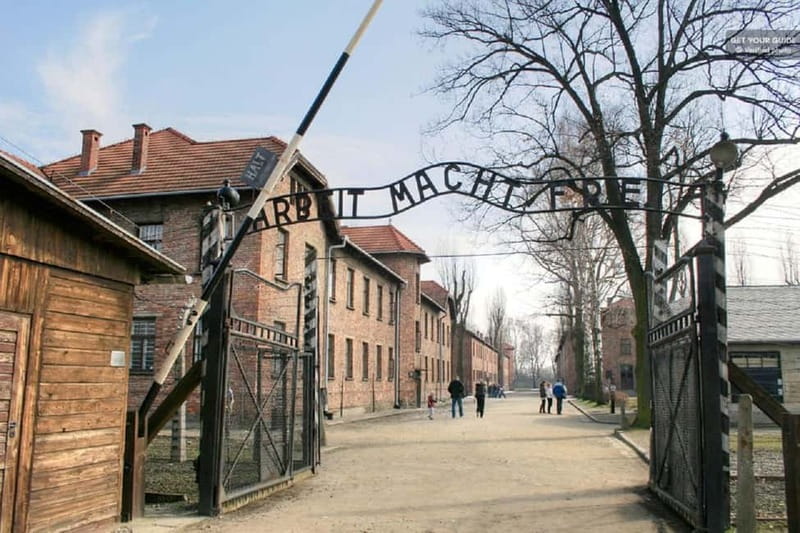
Reviewed · AUSCHWITZ-BIRKENAU MEMORIAL VISITS
Krakow: Last Minute Auschwitz-Birkenau Guided Tour
Auschwitz-Birkenau from Krakow is interesting in a very specific way: you are not just seeing sites, you are getting a guided timeline of what happened, with the day moving fast and focused. This is built for people who want Auschwitz-Birkenau without spending hours sorting logistics, since the tour includes pickup, transport, and the museum entry ticket.
Two things I really like. First, you get a licensed guide for the key museum time at both Auschwitz I and Auschwitz II-Birkenau, with time for questions during the visits. Second, the pickup and drop-off options are practical, with multiple Kiss and Ride stops in central Krakow, so you do not waste the whole morning hunting for a bus.
One possible drawback to plan for: because this is last-minute friendly, you must still stand in line at the ticket office to collect your entrance ticket, and the total day can run longer than the standard 9 hours.
Quick hit points
- Five pickup locations in Krakow make it easier to start close to where you are staying
- Entry tickets are included, but you still queue to pick them up at the ticket office
- Two guided blocks cover Auschwitz I and Auschwitz II-Birkenau, with pacing set by the memorial
- Intro video during the drive helps set context before you enter the grounds
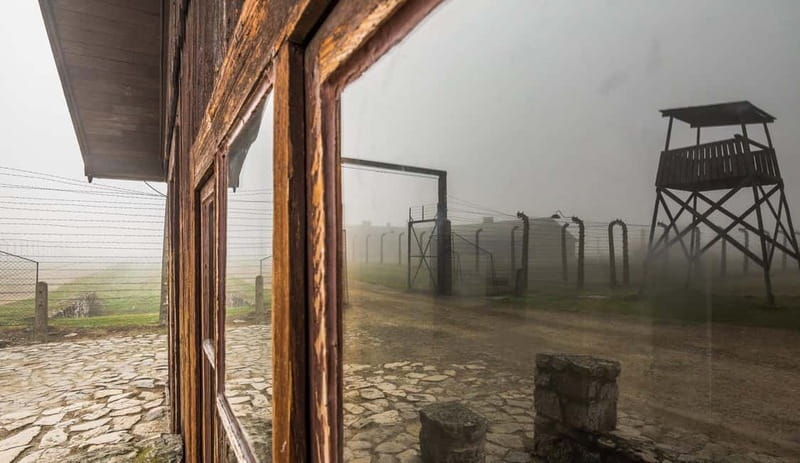
- You see signature sites such as the gate area at Auschwitz I and elements like the gas chambers and railway platform at Birkenau
- Lunch is not included, so bring something with you if you want to eat on your schedule
From Krakow to Oświęcim: how the van ride sets the tone
This tour runs out from Krakow to Oświęcim, roughly 60 kilometers west. The ride is about 1.5 hours each way, so you can treat the first part of the day like a transition, not a sightseeing commute.
As you head to the memorial, you’ll watch an introductory video that shows how the camp operated during World War II. The goal is not to shock you with random facts. It is to give you a baseline so that when you step onto the grounds, your guide can connect what you are seeing to what happened there.
At the Auschwitz side, the day is structured in blocks. You drive, you settle into the site with the guide, you move between Auschwitz I and Birkenau, then you head back. That structure matters because Auschwitz and Birkenau are big, and you do not want the experience to feel like a rushed scavenger hunt.
More Auschwitz-Birkenau memorial visits from Krakow:
- From Krakow: Auschwitz-Birkenau Guided Tour & Hotel Pickup
★ 4.5 · 33,358 reviews - From Krakow: Auschwitz-Birkenau Guided Tour & Hotel Pickup
★ 4.5 · 29,340 reviews - Krakow: Auschwitz Guided Tour with Optional Hotel Pickup
★ 4.5 · 15,280 reviews
Ticket collection and the practical rules you must follow
You arrive at the museum area and take care of tickets first, at the ticket office. Even though the entry is covered for you, you still need to stand in line to collect your ticket. This is the part that can quietly add time, especially on busier days.
Two other practical notes are worth taking seriously. You must bring a passport or ID card, and a student card may be relevant if you need it. Also, the memorial restricts bags: large backpacks are not allowed, and the maximum size is 20 x 30 centimeters.
One more detail to plan around: you have to provide your full name and contact details as part of booking, and names cannot be changed after booking. If you are traveling with someone whose name is spelled slightly differently on documents, handle that before you go.
Entering Auschwitz I: Работа macht frei and the first guided walkthrough
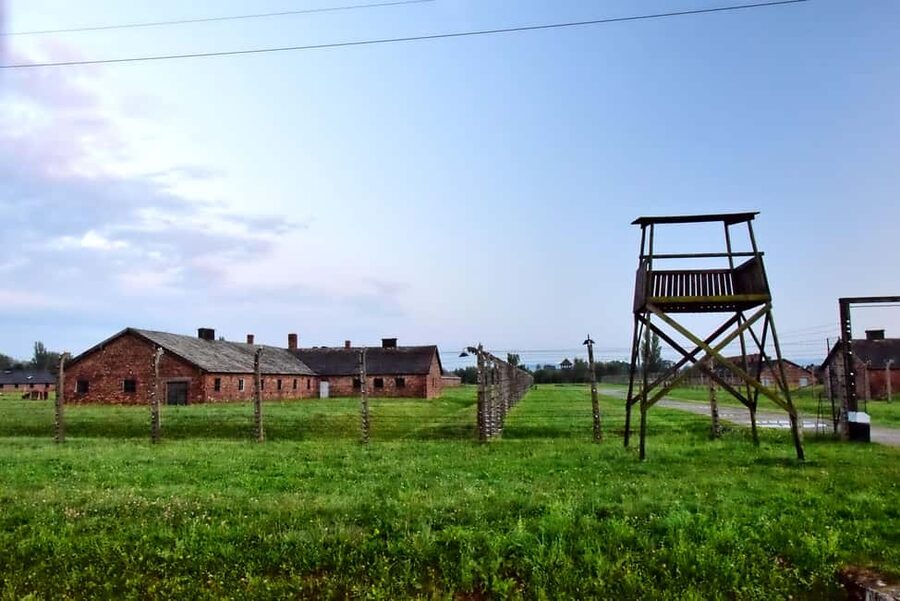
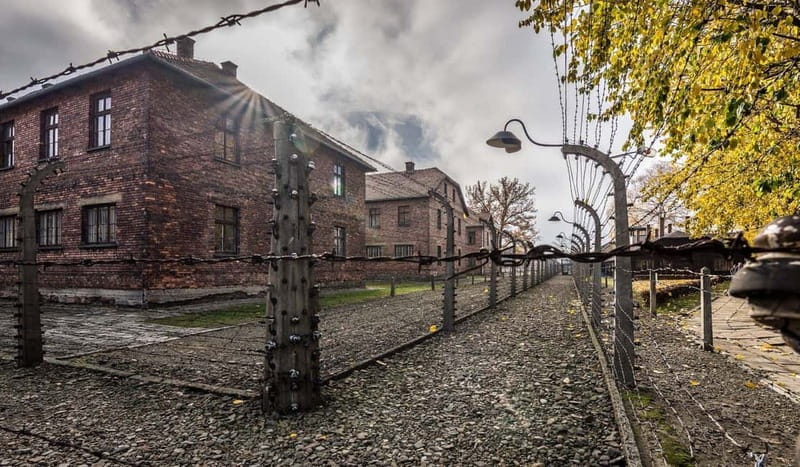
Once you enter, the first major moment is passing the gate marked Arbeit macht frei and stepping into Auschwitz I. Your guide starts you in the preserved area, where the site’s physical layout and original buildings do a lot of the explaining.
Auschwitz I is the part that helps you understand how the concentration camp system worked, not just what you see in photos. Your guide will connect the dots between the camp’s purpose under the German Nazi party and how it became a symbol of human suffering and torment. The camp was established in 1940, and this section is the anchor for the rest of the day.
You should expect a guided pace here, not a自由 roaming walk. The pace and timing are set by the memorial’s visitor service, and your schedule is built around that. In practice, this means you will cover key areas without the uncertainty of trying to interpret everything alone.
If you want to ask questions, this is the right stretch of time to do it. One of the most praised parts of the day is that guides keep the atmosphere respectful while still being clear, and they give you chances to check your understanding as you go.
Auschwitz I highlights: what the guide helps you actually notice
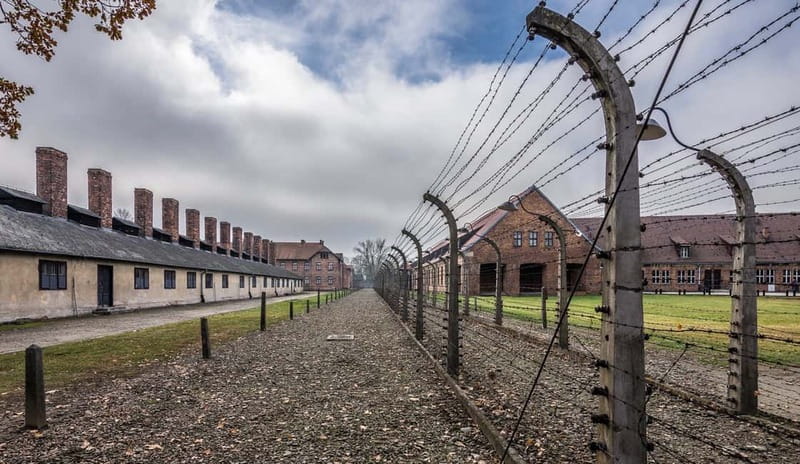
This is where a good guide changes everything. You are looking at buildings and artifacts that can feel abstract if you only have general knowledge. A strong guide helps you notice details in context, not just list dates.
Guides who have been called out by name include Per, Konrad, Paul, Martin, and Anna. Even if you do not get one of these specific names, the pattern matters: people praise the way the guides explain conditions and connect individual stories to the bigger system.
In Auschwitz I, that often means you are guided through the preserved grounds with explanations that focus on what life meant for prisoners, not only the machinery of repression. You also get a structured sense of the camp’s role in the Nazi system during the war.
There is also a small reality check worth mentioning. You are going to be moving with a group and your time is limited, so do not expect slow, emotional wandering. Instead, treat it like a guided lesson you will carry with you, even after the bus doors close.
A few more Krakow tours worth comparing
- Krakow: Auschwitz-Birkenau Guided Tour with Pickup & Lunch
★ 4.5 · 9,800 reviews - Krakow: Auschwitz-Birkenau Guided Tour Pickup/Lunch Options
★ 4.5 · 9,057 reviews - Krakow: Auschwitz-Birkenau and Salt Mine Guided Tour
★ 4.7 · 9,020 reviews - Krakow to Auschwitz Birkenau Guided Tour with Transfer and Ticket
★ 5.0 · 8,197 reviews
The short switch to Birkenau: why that transfer feels quick
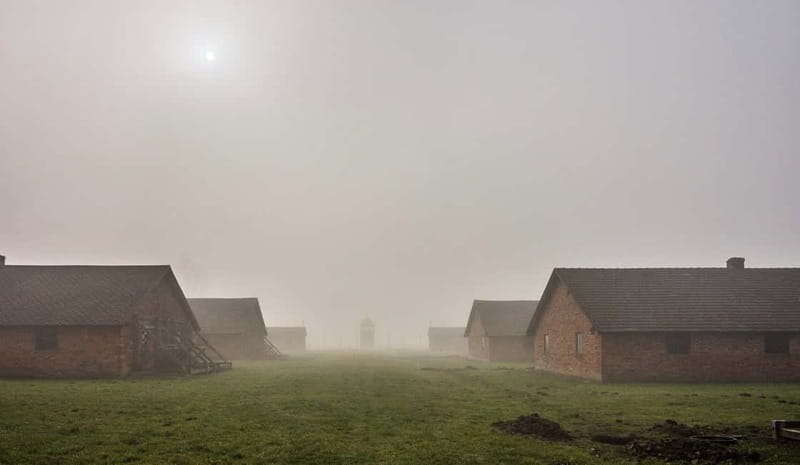
Between Auschwitz I and Auschwitz II-Birkenau, you move by bus or coach for about 10 minutes. It feels fast, but that is exactly why the day is designed the way it is.
Your guide’s job during the transfer is basically to keep you mentally oriented. If Auschwitz I is the starting point that helps you grasp the camp structure and time period, Birkenau is where the scope shifts. Your group is not supposed to drift here, because the second site has its own heavy specifics.
One thing I appreciate about the structure is that you are not left stranded between locations. The transport is included, so the experience stays respectful and uninterrupted, and you are not spending your mental energy figuring out the next step.
Auschwitz II-Birkenau: the Final Solution on the ground
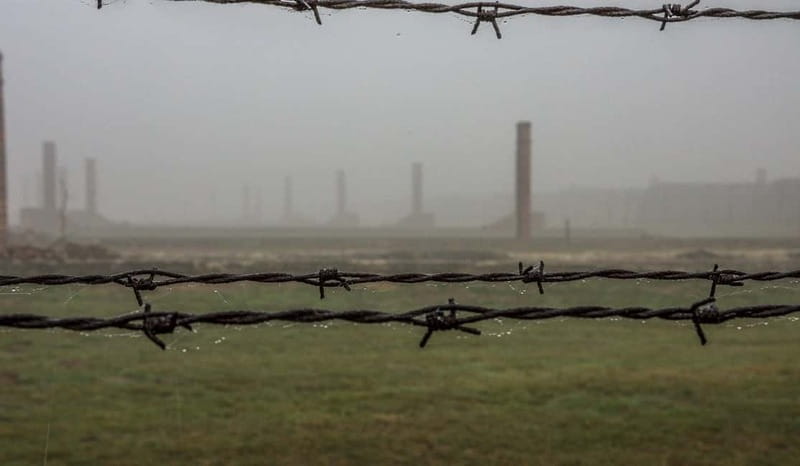
Birkenau is the “largest Nazi concentration camp” section of the day, and it centers on the mass extermination phase tied to the Nazi Final Solution to the Jewish Question. This is where the tour becomes more direct and more difficult to process.
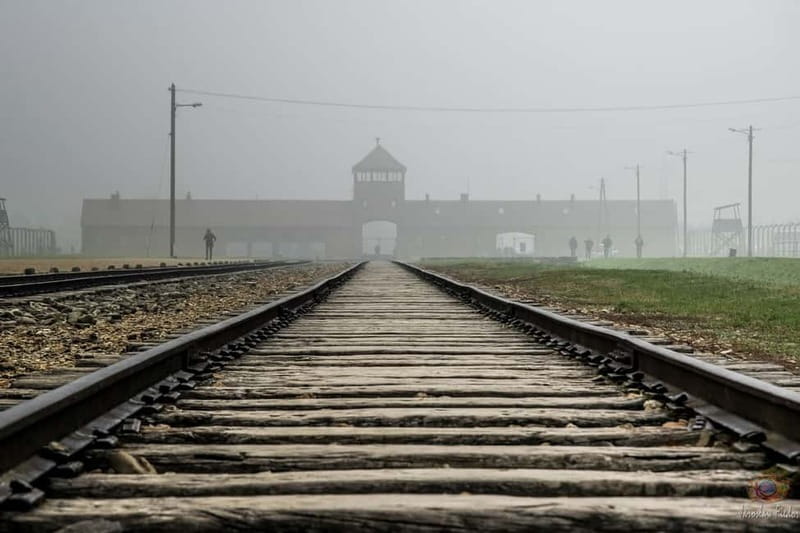
Your guided time at Birkenau is about 1.5 hours. You visit areas connected to major historical elements, including the gas chambers and the railway platform. Those physical remains are stark, and seeing them in person is a different kind of understanding than reading or watching from home.
The tour framing is intentionally clear: Birkenau is not presented as a museum diorama. It is presented as a place where mass death was carried out, and the guiding explanations are meant to connect what you see to how the Nazi system functioned.
One note from practical experience of this kind of timed visit: people often wish they had a bit more time for particular spots. With this tour, the memorial’s visitor service controls the pacing, so if there is a specific area you personally care about most, keep your expectations realistic. You will see the core elements the tour is built around.
How long you really have in a 9-hour day
The advertised duration is about 9 hours, but the day can stretch. The biggest reason is the ticket office line to collect your entry ticket for last-minute bookings. Even with everything organized, that wait can add time.
Another timing factor is the memorial tour pacing itself. The tour duration for the museum portions is not something the operator can simply speed up or slow down. So if you are someone who likes lots of buffer time, build in some slack mentally.
A helpful way to think about it is this: the day is balanced between transport and two guided walks. The guide gives you context, but you are also moving forward quickly enough to reach both Auschwitz I and Birkenau in one day.
I also suggest you plan your day around a calm emotional rhythm. This is not a trip where you will feel “ready” at the end. The best way to keep it manageable is to treat the experience as the main event, then handle the rest of your Krakow evening in a gentle way.
Guide quality you can feel: organization and clear explanations
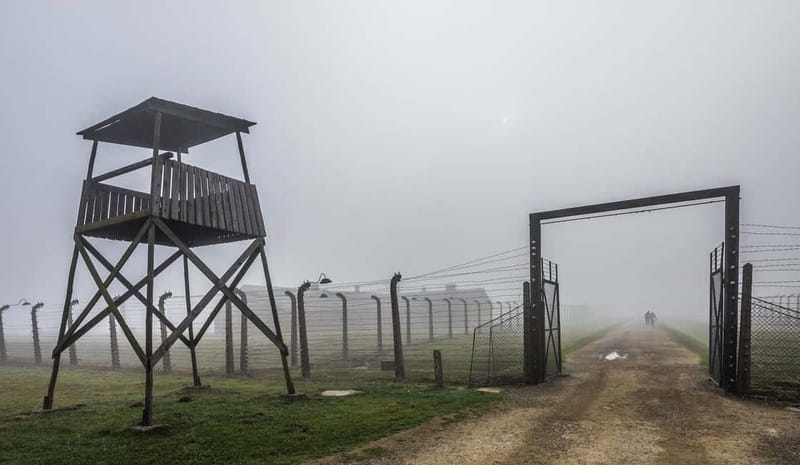
The tour’s strongest ingredient is not just the site access. It is the way the day stays organized while still respecting the subject.
People praise the overall organization as very smooth and respectful, including pickup timing and how the group is guided through the flow of the day. One example that stands out: when flight problems happened for a past group, the team was described as accommodating and helpful while keeping the plan alive.
On the guide side, the names mentioned as standout include Per, Martin, Konrad, Paul, and Anna. The consistent theme in the praise is that guides are clear, informative, and willing to answer questions. That is exactly what you want here, because you are going to have moments where your brain asks, what am I looking at, and why does this matter.
If you want value in a guided Auschwitz-Birkenau day, this is it. You are paying for someone to guide your attention in a place where skipping context can leave you with facts but not understanding.
Price and value: is $80 a fair deal for this kind of day?
At about $80 per person, this tour is positioned as an all-in bundle for a high-demand experience. What you get is meaningful: round-trip Krakow transport by van, pickup and drop-off in central spots, a licensed guide, and the Auschwitz-Birkenau entry ticket cost is covered.
What you do not get is lunch. Since lunch is not included, it becomes a straightforward add-on, or you can pack your own food and drinks. One of the practical tips that keeps popping up with this sort of day is to bring something so you can control hunger during the long, emotionally heavy schedule.
Is it cheaper than doing it on your own? Sometimes, but the real comparison is convenience and clarity. If you do not want to coordinate transport, entry tickets, and a guide timeline yourself, paying for this bundle often feels like a good trade.
The key is that the value holds only if the logistics click for you. So pick a pickup point near your lodging, and remember you will still stand in line to collect tickets.
What to bring, what to leave behind, and how to stay within the rules
For documents, bring your passport or ID card. A student card is listed too, in case it applies to your needs.
For bags, keep it small. Large bags and backpacks are not permitted in the museum, and the maximum size allowed is 20 x 30 centimeters. If you arrive with something larger, you risk stress right at the start.
For food, lunch is not included, and the recommendation is to bring lunch and drinks. On a day like this, being hungry can distract you at exactly the moments you want to be present.
Also, the tour requires that your full name and contact details are submitted as part of booking, and the name cannot be changed later. Double-check spellings so you do not create last-minute problems you cannot fix at the door.
Who should book this Auschwitz-Birkenau guided tour from Krakow
This tour works best for people who want a guided day without handling the moving parts. If you like having a plan, getting picked up in Krakow, and being carried to the memorial with a guide, this fits your style.
It also helps if you are traveling in a language that matches the guide options. Tours are offered in English, French, German, Italian, and Spanish, with the live guide language matching those options.
If you are sensitive to timing and want to stretch the day slowly at your own pace, this might feel too structured. The memorial controls pacing, and you only have limited time at each major area.
And if you use a wheelchair, this is not suitable, since it is not available for wheelchair users. If accessibility is a concern, you’ll want to choose a different option.
Should you book it? My honest call
I would book this tour if you want a well-run day trip from Krakow that hands you the essentials: pickup, transport, tickets, and a licensed guide for both Auschwitz I and Birkenau. For most people, the $80 price feels like paying for access plus interpretation, not just transportation.
I would hesitate if you hate lines or you need a very free-form schedule. Because you must stand in line to collect tickets and the pacing is set by the memorial, it is not the kind of outing where you can “wing it” or build in extra personal time.
If you are doing Auschwitz-Birkenau once, and you want it guided and organized, this is a solid way to make the day count.
Recently reviewed around Krakow
- Krakow: City Golf Cart Tour and Schindler’s Factory Museum★ 5.0 · 4 reviews
- Krakow: City Sightseeing Tour by Shared or Private Golf Cart★ 4.4 · 21 reviews
- Krakow beer review with a local guide★ 5.0 · 4 reviews
- Kraków: Romantic Candlelight Chopin Piano Concert★ 4.9 · 8 reviews
- From Krakow: Chocholow Hot Springs Evening or Daytime Ticket★ 4.7 · 72 reviews
- From Krakow: Zakopane, Tatra Mountains & Thermal Baths Tour★ 4.9 · 52 reviews
- Kraków: VIP Candlelight Concert The Music of Fryderyk Chopin★ 4.8 · 8 reviews
- Krakow: Bottomless Brunch with 3-Course Meal and Drinks★ 3.8 · 30 reviews