
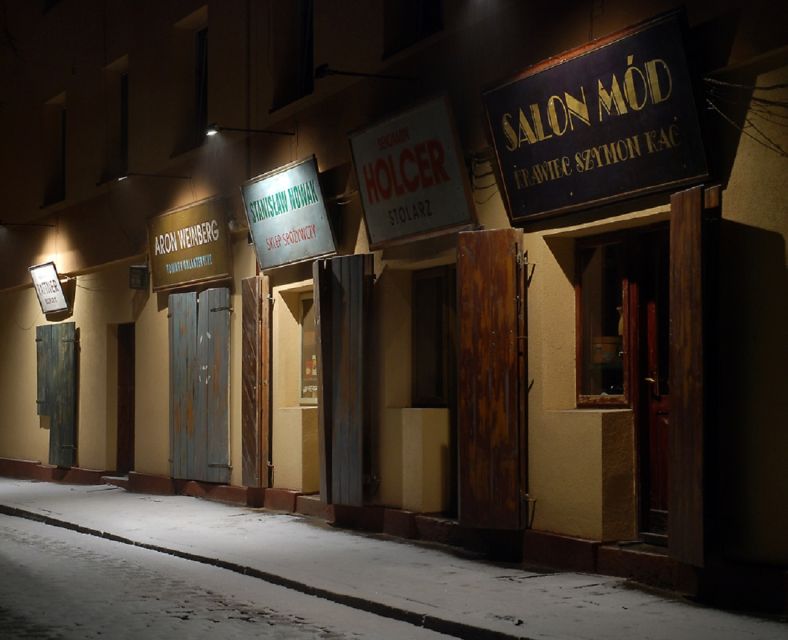
Reviewed · JEWISH QUARTER & HERITAGE TOURS
Krakow: Kazimierz Jewish District Private Guided Tour
Kazimierz has a way of making history feel close to the street, not trapped in a textbook. What I like most about this private tour is that you follow the Jewish monuments trail in real walking order, and you also get a strong focus on the synagogues complex and the old quarter around Szeroka Street. The only real drawback to consider is tone: you will spend time on Holocaust-era history, so this is not a light, casual stroll.
If you want Krakow’s Jewish quarter explained with context, a private guide helps you ask follow-up questions instead of racing through points. You start at the Jewish Cultural Center, meet your guide with a sign, and then move through Kazimierz at a comfortable pace with a clear 4-hour structure.
For practical travelers, the setup is simple: comfortable shoes, weather gear, and a guide who can tailor the walk to your rhythm. The tour is also wheelchair accessible, and it runs with live interpretation in several languages.
Key highlights you should care about
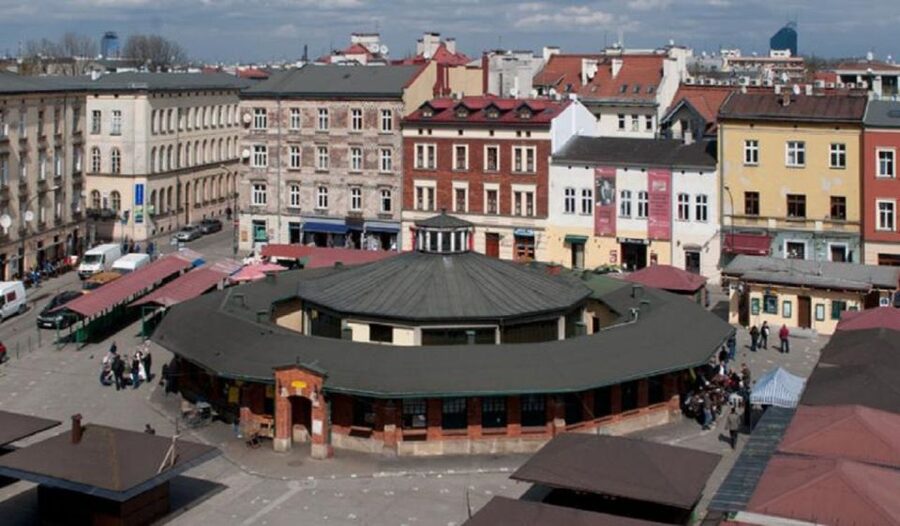
- Seven main synagogues on one route, including the biggest synagogue complex in Europe
- Szeroka Street time, the heart of the old Jewish quarter where daily life once concentrated
- Remu Synagogue, the old cemetery, and the Jewish Museum, key stops for understanding community life
- Ghetto wall remnants, with historical explanation that stays grounded and human
- Schindler’s List film-famous scenes, shown as part of the neighborhood story, not just photo stops
- Private guide flexibility, including adapting the pace to what you want to prioritize
Kazimierz, Schindler’s List, and Why This Part of Krakow Matters
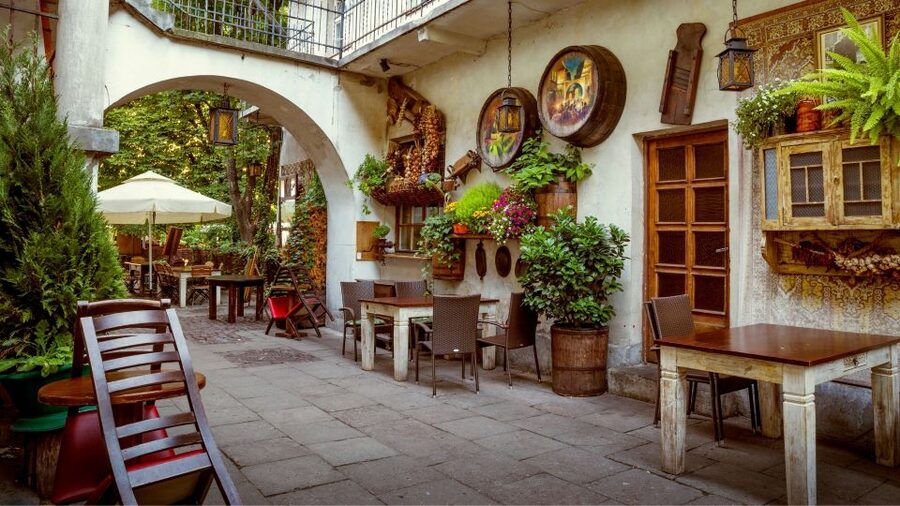
Kazimierz is UNESCO World Heritage territory for a reason. It is not just a pretty old district, it is a living place where you can still read the shape of Jewish communal life in the streets, buildings, and sacred spaces. This kind of private guided walk works because it stitches the past to the present in a way you can actually follow on foot.
Two things make it especially compelling. First, the tour is built around the main Jewish landmarks, so you do not leave Kazimierz with a vague sense of where things were. Second, you get Schindler’s List connections as part of the neighborhood route, which helps you understand why certain corners and facades became famous through film.
A note for your expectations: parts of the story are heavy, including the ghetto and the Holocaust. Your guide can frame it in a way that is factual and understandable, but it will still land emotionally. If you prefer only architectural sightseeing and nothing about war history, you might want a lighter focus in Krakow instead.
Meeting at the Jewish Cultural Center and Getting Oriented Fast
Your tour begins at the Jewish Cultural Center. Your guide waits holding a sign with your name, which makes the start painless, especially if you are arriving from another part of the city and do not want to hunt around.
In the first stretch, you get orientation that matters. Kazimierz can feel like a maze of alleys and squares until someone points out the logic of the area, like where communal life concentrated and how the district’s landmarks connect. With a private guide, you can ask quick questions like what you are seeing and why it mattered, instead of trying to decode everything from your phone.
This also matters because the tour is 4 hours. That is long enough for real context and multiple stops, but it is not long enough for slow wandering. The guide’s job is to keep the walk flowing, so you spend time at the places that explain the neighborhood best.
You will also want to come ready for walking. Comfortable shoes are essential, and dress for the weather. Kazimierz streets can be uneven, and you will be on your feet throughout.
Following Szeroka Street, Markets, and the Old Quarter Pulse
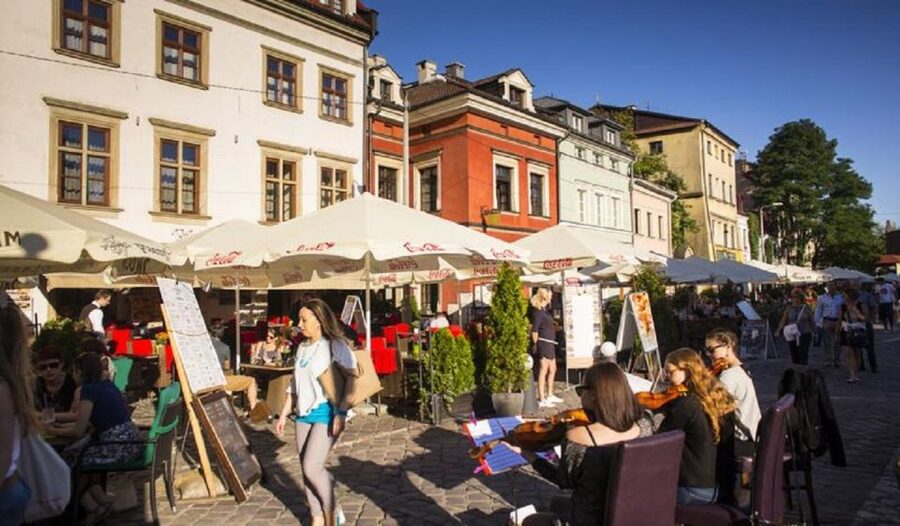
Once you move deeper into Kazimierz, Szeroka Street becomes your backbone. It is described as the heart of the old Jewish quarter for a reason: it is where you can understand how the community’s daily rhythm took shape around commerce, gathering, and public life.
A good guide here does not treat Szeroka Street like a backdrop. You learn how the Jewish community shaped the district’s character, what life was like before the war, how the war changed everything, and what happened afterward. That sequence is important because it turns the streets into a story you can feel.
You will also pass through the vibe of Kazimierz as a real neighborhood, not a museum corridor. That includes the kinds of shops and markets that give the area its current personality. Even when you are focused on history, these present-day textures help your brain place the past in a real environment.
One practical thought: if you want extra time for photos, ask your guide early. In a private tour, those minutes can often be worked in without derailing the whole plan. Guides in this program are known for being adaptable, with some, like Catherine or Marzena, praised for explaining a lot clearly and keeping the tour easy to follow.
Seven Main Synagogues and the Big Picture of Jewish Krakow
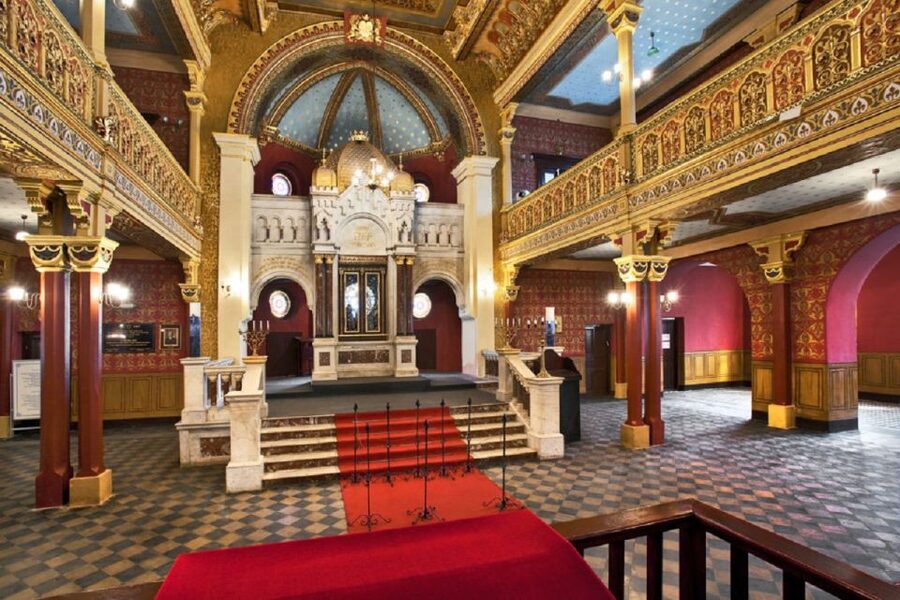
One standout promise is that you will see the seven main synagogues, part of the largest synagogue complex in Europe. Even if you are not deeply religious, synagogue architecture is a language. It tells you about community structure, tradition, and how Jewish life organized itself in space.
This stop category is not just about checking buildings off a list. A strong guide connects the synagogues to the neighborhood’s story, explaining what each place represented and why multiple synagogues mattered in everyday communal life. When you understand the role of these synagogues, the street names and surrounding buildings start to click.
Here is what you should watch for. Synagogues can look similar at a quick glance, but details often signal function, history, and how a community expressed identity. Your guide can point out what is worth noticing and what is easy to miss on your own.
Because the tour is private, you are not stuck with a rigid script. In recent tours, guides like Agnieszka and Nargarita have been noted for being very prepared and for handling the full route without rushing you. If you have questions about what you see, this is one of the easiest parts of the tour to ask, because the guide can explain the meaning behind architectural choices while you are right in front of them.
Remu Synagogue, the Old Cemetery, and the Jewish Museum Experience
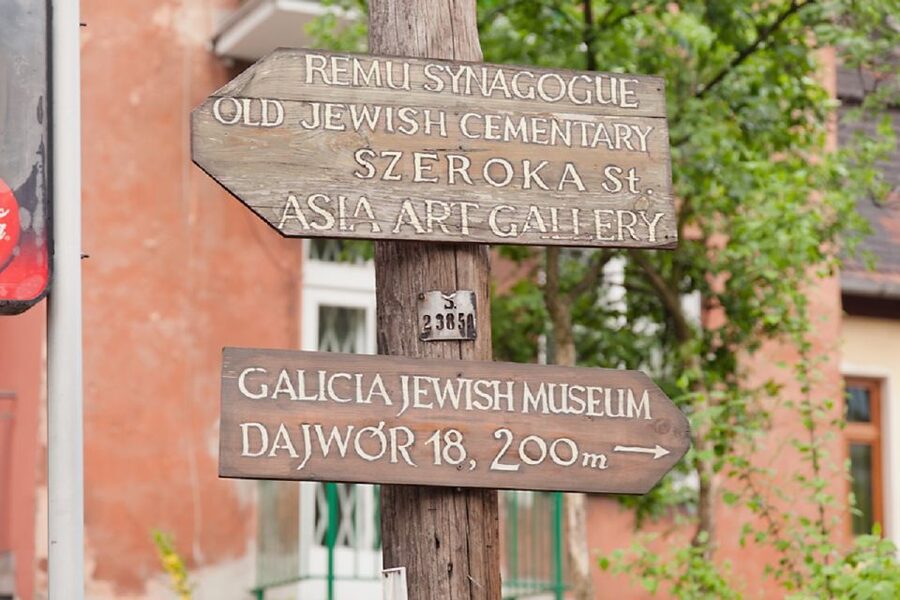
A major emotional anchor on this tour is the area around the old Remu Synagogue and its adjoining spaces. Synagogues are one layer of understanding, but the cemetery and museum layer adds another. It shifts from what people built for communal life to what they left behind when life ended, and how memory is kept.
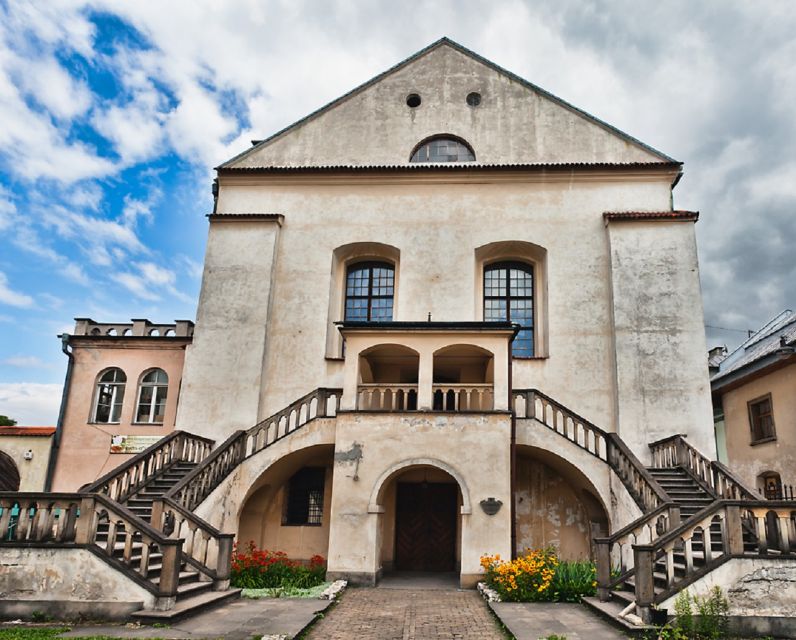
You will visit the old Remu Synagogue, see the adjoining old cemetery, and learn about the Jewish Museum housed in the former Old Synagogue. That museum stop is key because it helps you organize the story you are hearing. Instead of just hearing facts, you get a curated way to understand how Jewish life in Krakow worked across time, including how people lived before the war and what the community endured during and after.
Cemeteries are quiet places. They tend to slow your pace naturally, which is why they work well in a structured 4-hour tour. They also change the way you see the surrounding neighborhood. After you see a cemetery, the history around the war and ghetto becomes less abstract.
Practical tip: this is a good time to pause and look closely, not just snap photos. If you feel rushed, tell your guide. Private tours are built for adjusting your pace, and guides on this route have been praised for helping groups move at a rhythm that feels right.
Ghetto Wall Remnants and Holocaust History on the Street
You will also see the remains of the ghetto walls. This is one of the most important parts of any Kazimierz tour because it shows how violence and confinement were not only events, but also physical changes to a district.
The value here is getting context that connects the wall remnants to the larger story of what happened to the Jewish community. Your guide will explain the history of the Holocaust and what life under those constraints meant. A well-led tour does not sensationalize, it explains clearly and keeps your focus on what you can understand from the place itself.
Because this tour includes both sacred sites and Holocaust-era remnants, it can feel intense. If you need a reset, a private guide can often adjust the pace, for example adding a few minutes of walking or a short pause where your group can regroup.
If you are sensitive to difficult topics, it can help to know that this tour is designed to cover them. You should go in expecting that part of the experience is serious. Many people find that the synagogues and museum context make the ghetto history more understandable, not less.
Schindler’s List Film Stops, Without Losing the Real Neighborhood
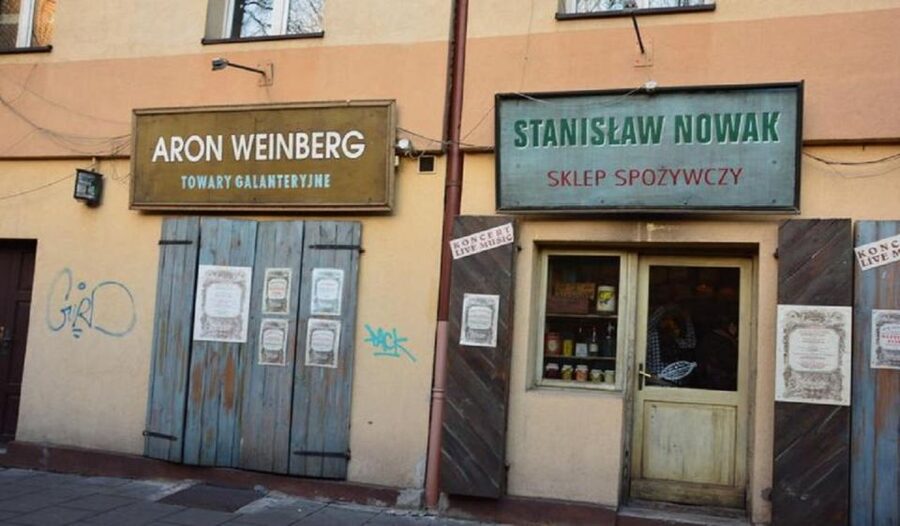
Kazimierz became globally known through Schindler’s List, and this tour helps you connect the movie’s famous moments back to the neighborhood that created the scenes. Instead of treating film locations like trivia, the guide shows hidden places made famous by the movie as part of Kazimierz’s real geography and history.
This is a smart approach. Film can pull you toward a simplified version of a place. When you see those corners in the context of synagogues, cemeteries, and ghetto wall remnants, the movie connection becomes a doorway into understanding the district itself.
One thing you can do to get more out of this portion: watch for how the guide ties the film moments to what you have already seen. If the guide connects the scene to a larger neighborhood story, you will remember it longer than if you treat it as just a photo stop.
Guides known for being energetic and thorough, including people named Nargarita and Catherine, are often singled out for explaining a lot and keeping the walk organized. That matters here because film-famous spots can be crowded with people trying to recognize facades. A private guide keeps your focus on meaning, not only recognition.
Price and Value for a 4-Hour Private Tour
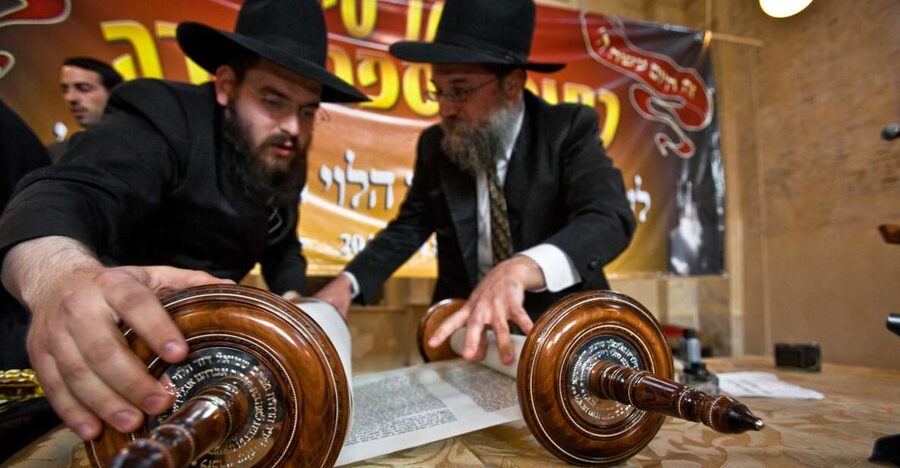
At $16 per person for a 4-hour guided private walk, the value can be surprising. Private touring is usually priced higher, especially when the guide is doing active interpretation across multiple major stops. Here, the price suggests you are paying mostly for the guide time and the expertise, not for extra add-ons.
What you do not get included is food and drinks. That is normal for a city walk, but it means you should plan your own timing. If you are pairing this with lunch in Krakow, build in a bit of buffer so the tour does not rush you. A simple snack and water can also make the ghetto history segment easier to handle, since emotional topics can drain energy.
Because the tour is private, you also benefit from flexibility. You can focus on the details you care about most, whether that is architecture, historical context, or connecting the story of Jewish Krakow across time.
The duration is another reason it feels like good value. Four hours gives you time to see major monuments and still ask questions. Short tours can leave you with only a skim. Longer tours can become tiring. This length tends to hit a workable middle, especially with a guide who can keep the route on track.
Languages, Private Groups, and How to Use the Guide Well
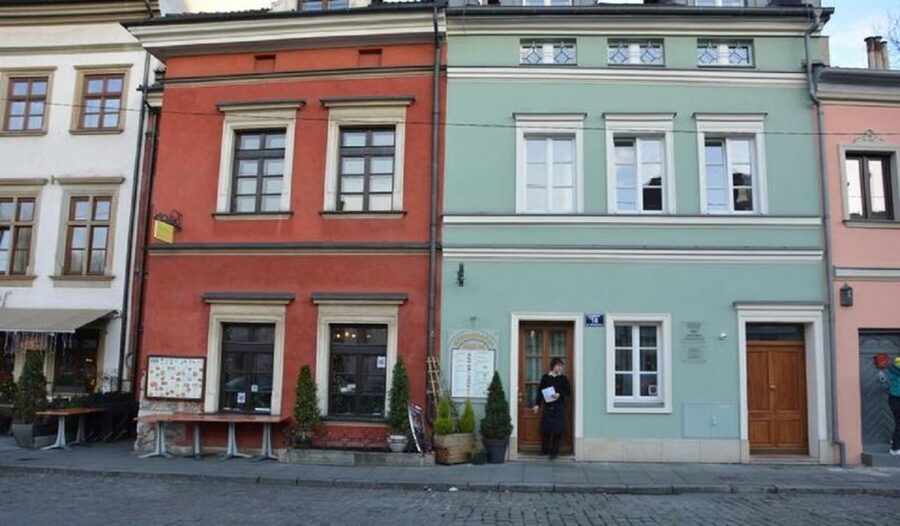
This tour runs with live tour guides in multiple languages: French, Italian, Portuguese, English, Spanish, German, Russian, and Polish. That is a practical advantage. It means you can choose the language that keeps you comfortable, and you can understand the historical explanations without relying on guesswork.
The tour is also explicitly private, which is not just a buzzword. In practice, private guiding means your pace can match your energy. It also means your guide can adapt content if you lean more toward museum context or more toward street-level monuments and walking routes.
If you want to get the most value from the time you pay for, come with two or three questions. For example:
- What did Kazimierz’s Jewish community look like before the war, in everyday terms?
- What am I looking at on the synagogue route, beyond the obvious?
- How should I understand the ghetto wall remnants in relation to the rest of the district?
Guides on this route are praised for being prepared and for explaining a lot, with examples like Agnieszka being described as friendly and well cultured, and Marzena being noted for kindness and preparation. Those qualities matter, because this tour is history heavy, and you want clarity, not just facts.
Who This Tour Fits Best in Krakow (and Who Might Want a Different Plan)
This is a strong choice if you want a structured introduction to Kazimierz that covers both memorial history and the everyday geography of the neighborhood. It also fits well if you are planning to see Krakow beyond Kazimierz and you want this portion to be organized and coherent.
It is especially suitable if you care about:
- Jewish monuments and synagogue architecture
- Holocaust-era history placed into the context of the district
- Schindler’s List connections explained in the right place
It may be less ideal if you prefer only lighter sightseeing or if you are not comfortable with Holocaust history. Also, since food and drinks are not included, you should plan meals separately, especially if you have dietary needs.
One last thought: bring your curiosity. Kazimierz rewards attention. Even at a walking pace, you will notice more when you understand what you are looking for.
Should You Book This Krakow Kazimierz Private Tour?
If your goal is to understand Kazimierz with a guide, this is an easy yes. The route covers the big monuments, including seven main synagogues, the Remu Synagogue area with the adjoining old cemetery and Jewish Museum, ghetto wall remnants, and Schindler’s List film-famous places, all within a 4-hour private format.
The price also makes it hard to overthink it, especially when the tour includes live interpretation and the guide work is the main product. Just go in knowing you will face difficult history, and you should bring comfortable shoes and weather-appropriate clothing so you can focus on the experience.
FAQ
How long is the Krakow Kazimierz Jewish District private guided tour?
The tour lasts 4 hours.
Where does the tour meet?
You meet at the Jewish Cultural Center, where your guide will be waiting with a sign with your name.
Is this a private tour or a group tour?
It is a private group tour.
Which languages are available for the live guide?
The live guide is available in French, Italian, Portuguese, English, Spanish, German, Russian, and Polish.
Is food and drinks included?
No. Food and drinks are not included.
Is the tour wheelchair accessible?
Yes, the tour is wheelchair accessible.
How much does the tour cost?
The price is listed as $16 per person.
Is there free cancellation?
Yes. You can cancel up to 24 hours in advance for a full refund.
More Jewish Quarter and Heritage Tours to Compare
- Krakow: Schindler’s Factory & Ghetto Guided Tour
★ 4.7 · 1,694 reviews - Krakow: Jewish Quarter and Former Ghetto Tour
★ 4.9 · 1,441 reviews - Krakow: Bike Tour of Old Town, Jewish Quarter and the Ghetto
★ 4.9 · 1,155 reviews - Krakow: Kazimierz Jewish Quarter Walking Tour
★ 4.8 · 571 reviews