
Reviewed · JEWISH QUARTER & HERITAGE TOURS
Krakow: Former Concentration Camp Plaszow Guided Tour
Plaszow is one of those places that can look deceptively ordinary at first glance, so a guided visit matters. I love how the tour anchors the site in the real camp story, not just general WWII talk, and I love the way it connects the camp to Schindler’s List and Oskar Schindler. One possible drawback: you are walking through an emotionally heavy space, and parts of the site are outdoors, so weather-appropriate clothing is a must.
I also like that you do not get stuck in only one angle. You learn how Plaszow opened in 1940 as a forced labor camp, then became a concentration camp in 1941, and you understand what Nazi rule meant locally, including the deportation of Jews from the Krakow ghetto starting in 1942. On tours I’ve heard about, guides such as Olga bring a steady, human approach, with clear explanations and a calm sense of respect.
In about two hours, you cover the main parts of the former camp, pause at memorials dedicated to victims, and then see a Spielberg-linked film replica nearby. If you want a focused way to make sense of Plaszow without trying to figure everything out on your own, this is a strong option.
Key things to know before you go
- Plaszow’s transformation: from forced labor camp (1940) to concentration camp (1941)
- Ghetto deportations explained: what started in 1942 and how it changed lives
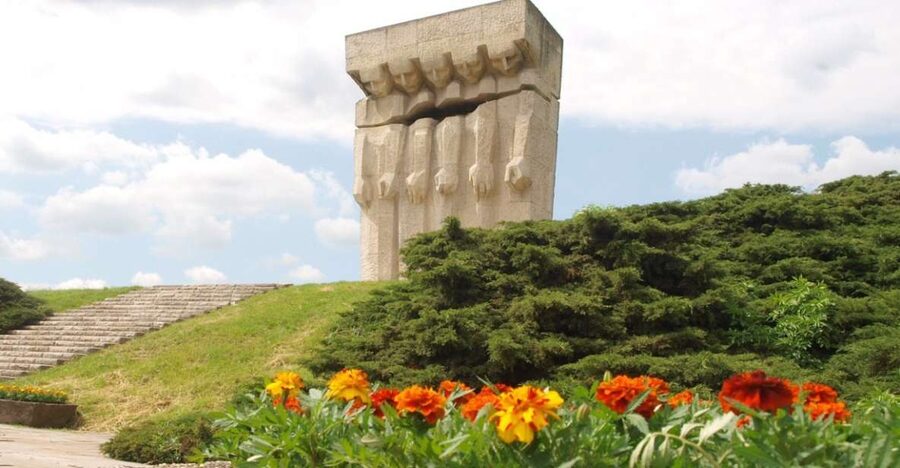
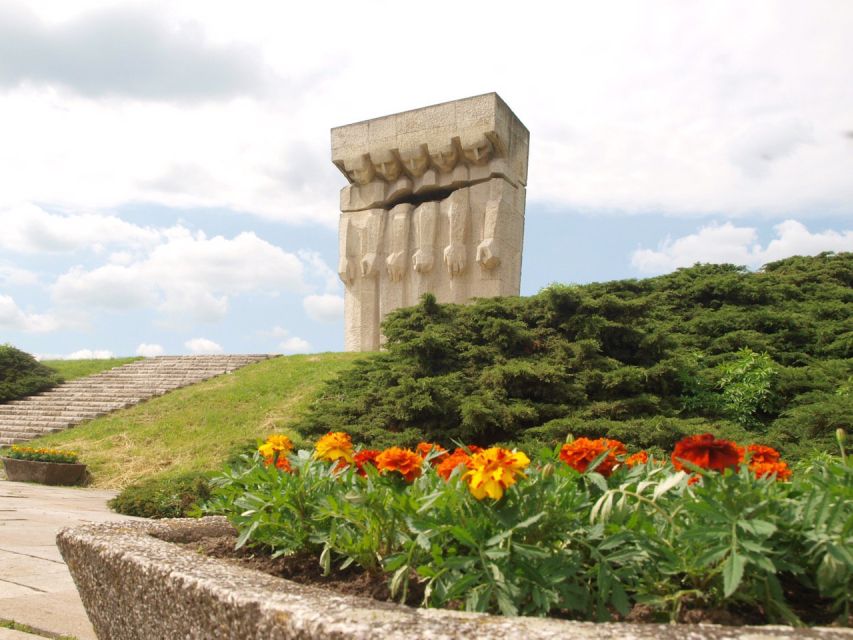
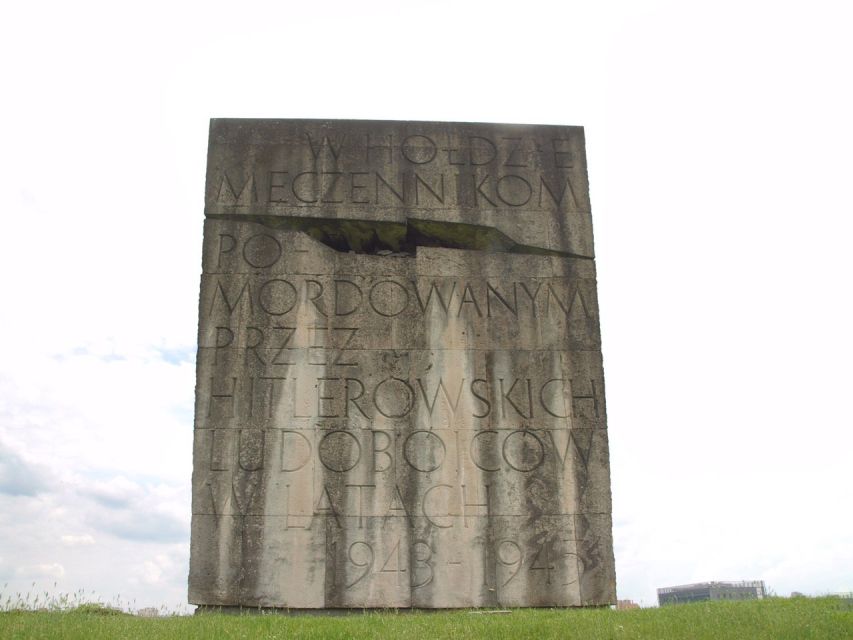
- Memorials first: you stop at multiple remembrance sites, not just ruins
- Work sites on the agenda: learn how labor was used at the quarry and in military factories
- Schindler’s List connection: Oskar Schindler and where the film replica was built (Liban Quarry)
Plaszow looks strange today, and that is why you go with a guide
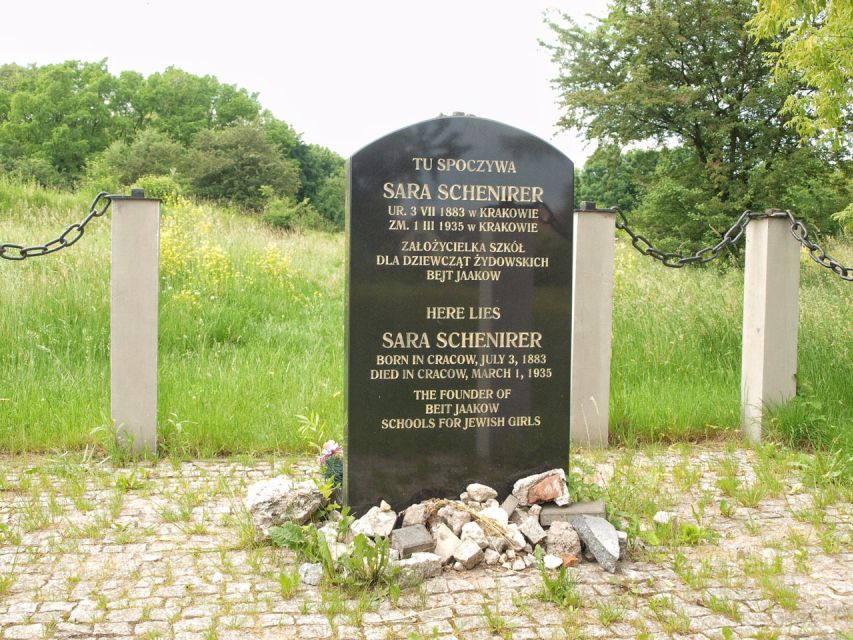
Plaszow is one of the toughest visits in Krakow because it does not feel like a traditional museum. Parts of the former camp area are now open public space with information boards, memorials, and ruins. That means your brain keeps trying to treat it like a park or viewpoint. A licensed guide helps you slow down, read the site correctly, and connect what you are seeing to what happened here.
I like that the tour gives you a straight path through the story: where the camp began, how it expanded, and how the Nazis used forced labor as part of their system. You also get reminders that the purpose of the visit is remembrance, not sightseeing. You’ll see memorials dedicated to victims, and those stops matter because they keep the focus where it belongs.
There is also a movie-shaped doorway here. If Schindler’s List is part of what brought you to Krakow, this tour uses that familiar thread carefully, so you understand how fiction and film technique relate to the real historical setting, and where Oskar Schindler fits into the bigger picture.
More Jewish quarter and heritage tours to compare:
- Krakow: Schindler’s Factory & Ghetto Guided Tour
★ 4.7 · 1,694 reviews - Krakow: Jewish Quarter and Former Ghetto Tour
★ 4.9 · 1,441 reviews - Krakow: Bike Tour of Old Town, Jewish Quarter and the Ghetto
★ 4.9 · 1,155 reviews
From forced labor camp to concentration camp: the timeline that makes the site click
The tour’s foundation is the camp’s timeline. Plaszow opened in 1940 as a forced labor camp, and in 1941 it became a concentration camp. Those two dates are not just trivia. They explain why Plaszow has multiple layers, both in how the camp was organized and in how prisoners were treated.
Once you have that timeline, the rest of the visit makes more sense. When your guide points out specific areas, you can mentally place them into the camp’s evolution, instead of treating every ruin as a separate mystery. You also hear how Nazi rule took hold in the region and how that control escalated.
A key part of the story is what happened to Krakow’s Jewish population. The tour covers the deportation of Jews from the Krakow ghetto beginning in 1942. That is one of the moments where many visitors realize the camp was not an isolated event. It was tied to a larger machinery of persecution that moved people from urban life into confinement and forced labor.
Memorials and remembrance stops: what you should focus on
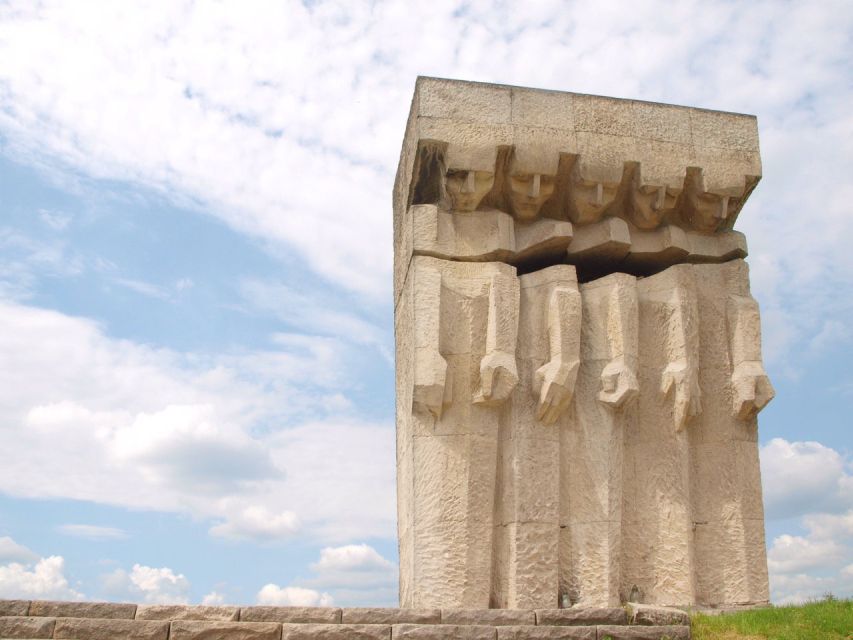
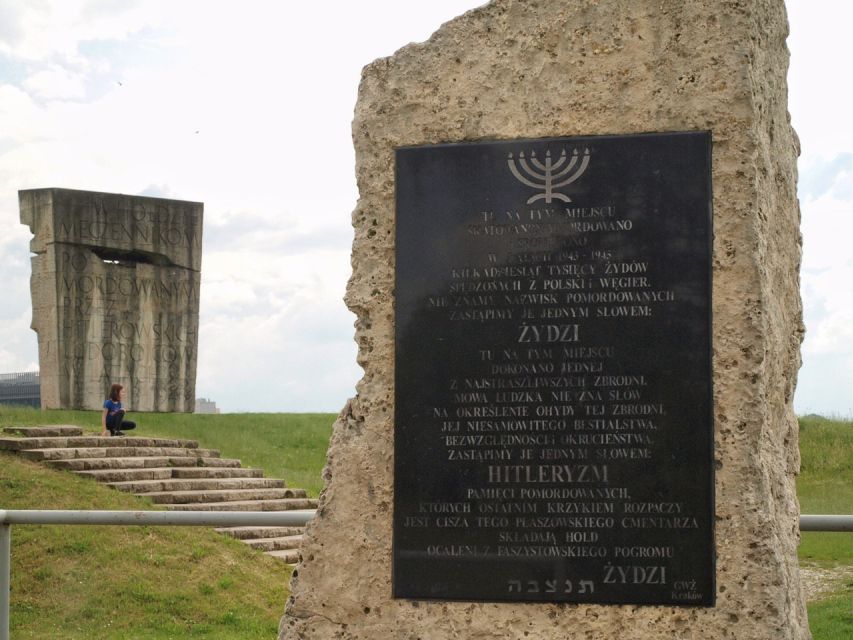
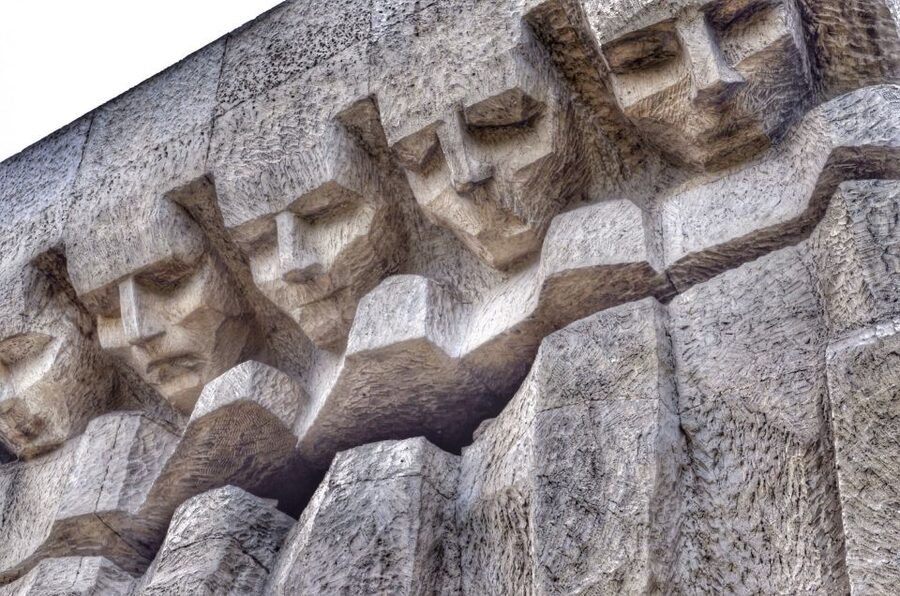
This tour is built around respect. You visit several memorials dedicated to remembering the victims. In a place like Plaszow, memorial design can feel subtle, especially if you are expecting a dramatic monument. Don’t let that fool you. These markers do real work, because they tell you who is being remembered and why the site still matters.
When you arrive at remembrance points, I suggest you take a full moment before you start reading. Let the setting and the guided context land first. Then read the information slowly. A good guide will help you connect what the memorials say to the camp’s functions and to the people who were trapped here.
From what I’ve learned about tours like this, the most impactful guides also keep the tone steady. Olga, for example, is often mentioned for enthusiasm and strong knowledge, but more importantly, for the way she makes visitors feel safe and welcomed while staying serious about the subject. That balance helps you learn without feeling rushed or dismissed.
Quarry and military factories: forced labor is the heart of Plaszow
One of the most practical lessons this tour offers is how Plaszow functioned day to day. The camp included intensive labor at the quarry and in military factories. That focus matters, because many visitors arrive thinking first about guard towers and barbed wire. Those exist, but the Nazis ran the camp as part of an economic and military system, using prisoners as labor.
As the tour moves through the different parts of the camp, you should listen for how your guide explains the logic behind the labor. Quarry work suggests harsh physical strain and constant exposure to dangerous conditions. Factory work suggests control through schedules, production pressure, and the systematic dehumanization of people treated as work units.
Even if you are not a history buff, these labor sites help you understand the machinery behind the horror. It is easier to grasp why victims were not only imprisoned, but used, exploited, and destroyed through a brutal routine. That is also why this tour spends time on camp layout and different areas, not just a single highlight.
A few more Krakow tours worth comparing
- From Krakow: Auschwitz-Birkenau Guided Tour & Hotel Pickup
★ 4.5 · 33,358 reviews - From Krakow: Auschwitz-Birkenau Guided Tour & Hotel Pickup
★ 4.5 · 29,340 reviews - Krakow: Auschwitz Guided Tour with Optional Hotel Pickup
★ 4.5 · 15,280 reviews - Krakow: Auschwitz-Birkenau Guided Tour with Pickup & Lunch
★ 4.5 · 9,800 reviews
Schindler’s List in Krakow: what you’ll learn about Oskar Schindler
If you’ve seen Schindler’s List, you’ll know that the film is not only about the camp. It is also about people trying, in imperfect and limited ways, to survive and to affect outcomes. This tour addresses that by discussing Oskar Schindler and how the film portrayed Plaszow in 1993.
You’ll hear about the life of Oskar Schindler, and the connection to the camp story. Even if you already know the broad outline, it helps to hear the guide tie the character to the historical setting. The film can sometimes compress time and characters into a story-shaped form. A guided visit gives you the chance to separate what the movie shows from what the real site represents.
And because Plaszow is physically present here, the movie connection feels less abstract. You are not just watching scenes in a theater. You are standing in the region and learning what the film drew from, and where the film recreated elements nearby.
The Spielberg film replica at Liban Quarry: close enough to feel real
One of the most unique parts of this experience is the visit to the replica of the camp built under the direction of Steven Spielberg in the Liban Quarry, a short walk from the main camp area. The tour includes this stop, and it adds a different type of context.
A replica can feel confusing if you expect authenticity in every detail. But in this case, it can also help you understand how film-makers used built spaces to tell a story. You get a chance to compare what you learned about Plaszow’s real functions with how a film recreated the look and feel of confinement.
This stop is also useful for pacing. After moving through memorials and ruins, the replica gives you a more structured environment. You can step back for a minute and process what you’ve heard. Just remember, it is a reenactment, so keep the emphasis on your guide’s historical framing.
Meeting at Apteka Pod Orlem, and how the 2-hour pace works
The tour starts at the entrance of Apteka Pod Orlem. Look for the guide with the excursions.city sign. The activity ends back at the same meeting point, which makes it easier to plan the rest of your Krakow afternoon.
Duration is listed as 2 hours, with starting times based on availability. That time window is ideal for most people who want a meaningful introduction. You get enough time to cover the key parts of Plaszow, hit the memorial stops, and include the Spielberg-linked replica visit.
One small practical note: tram tickets are not included. If you are planning to move afterward, budget a bit of time to sort transport.
Value for $23: what you are really paying for
At about $23 per person, this tour is not expensive for a licensed English guide, and the value comes from what the guide supplies. With Plaszow, the challenge is not finding information. The challenge is making sense of what you see without turning it into a self-guided scavenger hunt.
This experience gives you:
- a clear timeline (1940 forced labor, 1941 concentration camp, deportations starting in 1942)
- structured stops at memorials for victims
- explanations of intensive labor at the quarry and military factories
- the historical bridge to Oskar Schindler and Schindler’s List
- the film replica stop at Liban Quarry to anchor how the story was represented
If you are the type who reads every sign carefully, a self-guided visit could seem tempting. Still, a good guide helps you connect the dots faster and keeps your attention on remembrance, not just details. For many visitors, that is worth every dollar.
Who this tour is best for
This is a strong fit if:
- you want a focused Plaszow visit in about two hours
- you are visiting WWII sites in Krakow and want context that actually connects
- you have seen Schindler’s List and want Oskar Schindler and the filming connection explained properly
- you appreciate a guide who can balance factual clarity with respect
It can also work for people who are not “history people,” because the tour explains how the camp operated, including labor at the quarry and factories, and it keeps memorials part of the route.
Should you book the Krakow-Plaszow guided tour?
I think you should book this tour if you want your Plaszow visit to feel guided, respectful, and understandable without requiring you to be a specialist. The combo of memorial stops, forced labor and camp timeline, and the Schindler’s List connection is a practical way to get meaning from what is otherwise a difficult and visually confusing site.
Skip it only if you know you want a purely self-paced experience, or if emotionally heavy history is going to overwhelm you right now. For everyone else, this is a solid use of time in Krakow, and it helps you leave with a clearer grasp of what happened here and why the place still matters.
FAQ
Where does the tour start?
The tour starts at the entrance of Apteka Pod Orlem. Look for the guide with the excursions.city sign.
How long is the Krakow-Plaszow guided tour?
The tour duration is 2 hours.
What language is the guide?
The live tour guide is in English.
Is a guide included?
Yes, the tour includes a licensed guide.
What is the price?
The price is listed as $23 per person.
Is public transport included?
Tram tickets are not included.
Do I need to bring anything?
You should bring weather-appropriate clothing, since parts of the visit are outdoors.
What history does the tour cover?
It covers the camp’s dark history, including that Plaszow opened in 1940 as a forced labor camp, became a concentration camp in 1941, and the deportation of Jews from the Krakow ghetto starting in 1942.
Does the tour include memorials?
Yes, the tour includes memorials dedicated to remembering the victims of the Holocaust at the camp.
What about Schindler’s List and Oskar Schindler?
The tour discusses the life of Oskar Schindler and how the camp was portrayed in the 1993 movie Schindler’s List. It also includes a visit to a Spielberg-directed replica at Liban Quarry.
What is the cancellation policy?
You can cancel up to 24 hours in advance for a full refund.
Recently reviewed around Krakow
- Wawel Castle and Cathedral Guided Tour★ 4.6 · 44 reviews
- Walking Tour: Kazimierz, Jewish Quarter – 2-Hours of Magic!★ 4.7 · 35 reviews
- Wawel Castle and Cathedral Guided Tour★ 5.0 · 8 reviews
- Kraków Holocaust Tour★ 4.9 · 5 reviews
- Wadowice and Kalwaria: John Paul II Route★ 4.8 · 5 reviews
- VIP Club Entry and Booth Booking★ 5.0 · 4 reviews
- Walking Tour of Krakow: Old town – 2-Hours of Magic★ 4.7 · 5 reviews
- Krakow: Zakopane, Thermal Baths and Gorce Park Treetop Walk★ 5.0 · 3 reviews