
Reviewed · JEWISH QUARTER & HERITAGE TOURS
Guided Tour of Plaszow Concentration Camp, Kraków
Plaszow Concentration Camp is one of the toughest places you can visit in Krakow, and it also has a rare kind of honesty. There are few preserved buildings, so the tour leans on memory, open ground, and silence instead of staged sights.
I especially like the reflection-first pacing. You are not pushed along, and you get time to absorb what each location means. I also like how the guide links the camp to Oskar Schindler and even brings in filming locations connected to Schindler’s List.
One possible drawback is that Plaszow does not offer the comfort of a tidy museum walk. You are dealing with mass graves, ruined spaces, and difficult history, so come prepared for an emotional visit and steady walking for the full 2 hours.
Key Things I’d Plan for on This Plaszow Tour
- A licensed, English live guide who explains what you see, including how the camp was organized into living, hospital, administrative, and industrial areas
- Grey House and pre-burial hall ruins as real anchor points when almost nothing is standing
- Roll-call square and other places tied to daily control, not just major memorials
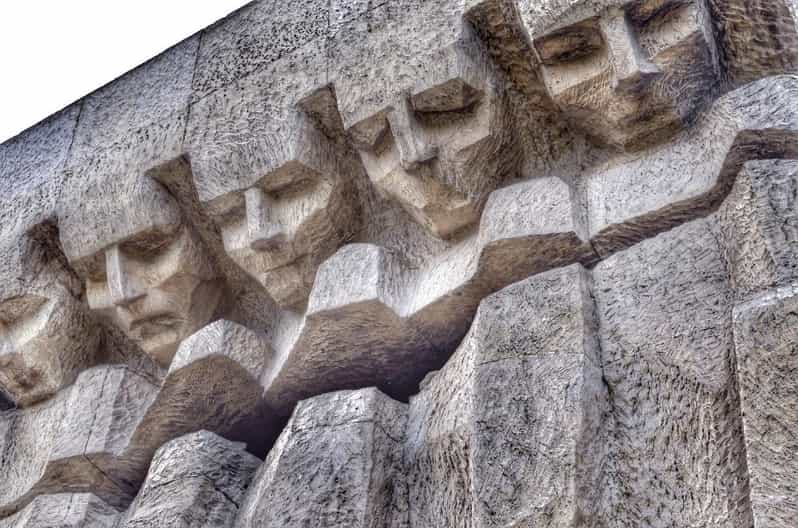
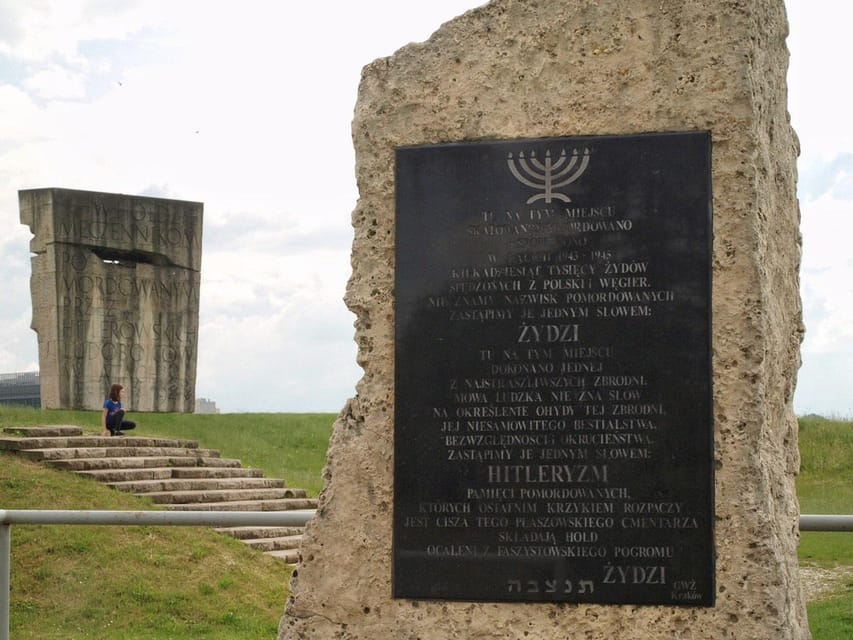
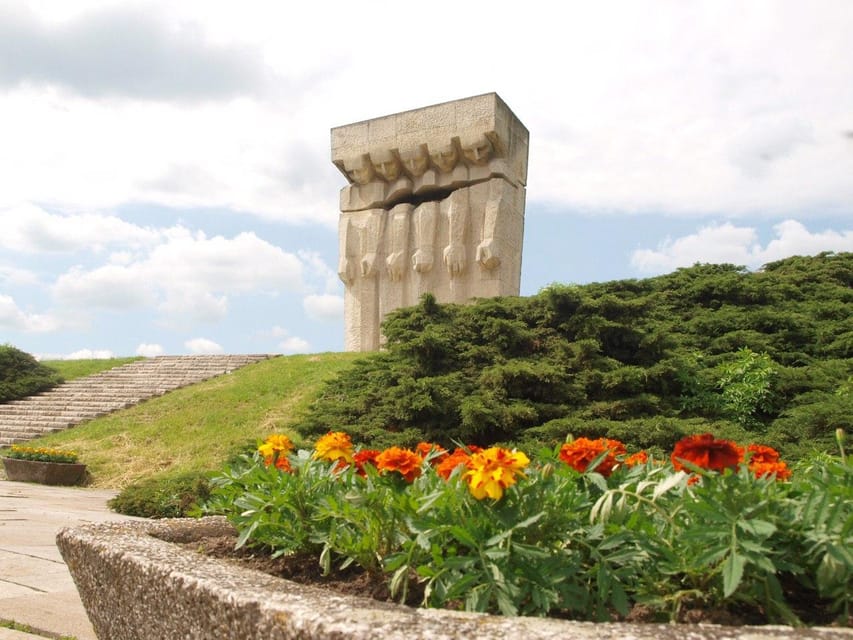
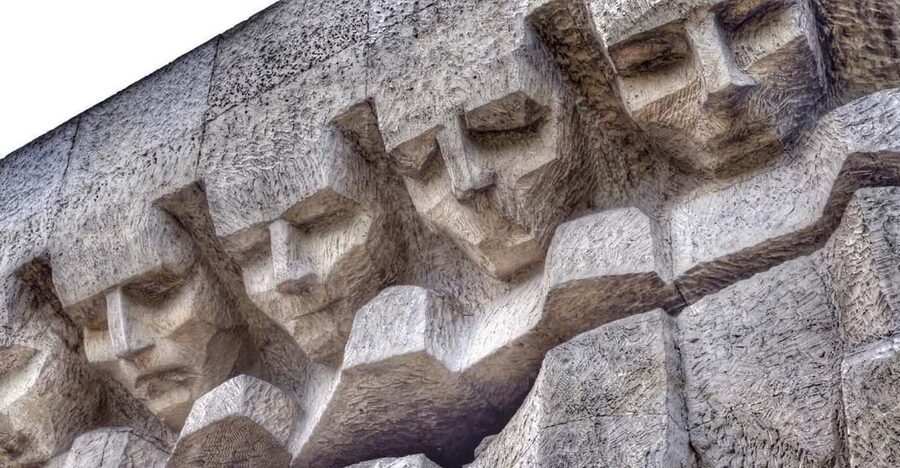
- Memorial stops for quiet pauses, including the Monument of Torn-Out Hearts
- Schindler’s List filming-location context plus Oskar Schindler’s work permits and Brünnlitz transfers
- A route paced for reflection, not rush, which matters more at Plaszow than at most sites
Why Plaszow Feels Different Than Other Krakow Memorial Visits
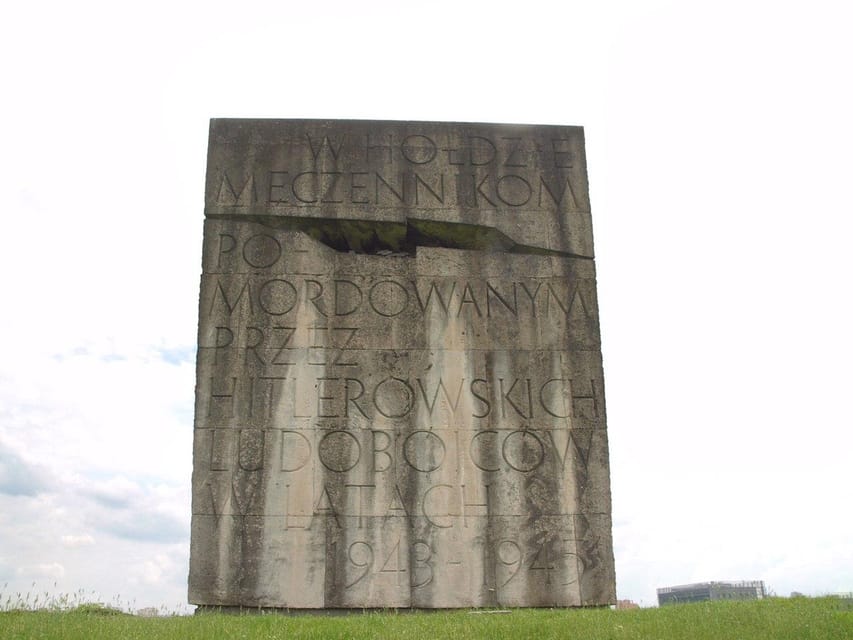
Plaszow was built by Nazi German occupiers in October 1942, on the grounds of two Jewish cemeteries in Krakow. A forced-labor camp started there, then the system expanded into penal labor for Poles, and later the camp’s role shifted again as it became redesignated as a concentration camp.
What makes this visit so gripping is that the site is mostly open space. Today, mass graves and memorials mark the landscape, while many structures are gone or reduced to traces. That changes your experience. You are not looking at preserved rooms and acting like history is frozen in time. You are looking at what remains, and your mind has to do the rest.
This is also why the pace matters. Plaszow asks for attention, not speed. A tour that moves too fast can feel disrespectful here, so I like that this walk is specifically paced for reflection, not rush.
More Jewish quarter and heritage tours to compare:
- Krakow: Schindler’s Factory & Ghetto Guided Tour
★ 4.7 · 1,694 reviews - Krakow: Jewish Quarter and Former Ghetto Tour
★ 4.9 · 1,441 reviews - Krakow: Bike Tour of Old Town, Jewish Quarter and the Ghetto
★ 4.9 · 1,155 reviews
Meeting in Krakow and Settling Into a 2-Hour Guided Walk
The tour starts with a clear meeting point. Look for the guide with the excursions.city sign. Plan to arrive about 10 minutes early, because once the group departs, latecomers cannot join and tickets can’t be refunded.
The tour itself lasts about 2 hours, and it is designed as a walking experience across open ground. Because there are few physical remains, you will rely on your guide to connect the dots between ruined spaces and the camp’s real-world functions.
One practical benefit is that the tour includes a single tram ticket. That means you can focus on getting to the meeting point and then spend your time with the story, not hunting for transit mid-visit.
Grey House, Pre-Burial Hall Ruins, and the Camp as a Physical Layout
A big strength of this tour is that it reads like a guided reconstruction. The guide pieces together the camp from what remains, so you understand the place as a system, not just a set of memorial plaques.
You begin with the Grey House, a key point in how the camp worked. Even if you are not a history buff, a good guide makes these anchors click. You start to see how daily life and control moved through specific buildings and spaces.
From there, you visit the ruins of the pre-burial hall. This is one of those stops where the lack of intact structures actually helps. The emptiness makes you notice scale, and it forces you to grasp how much was done through forced processing and brutal routine.
The tour also tracks the traces of the Jewish cemeteries that once stood there. That detail is not a footnote. It is part of why Plaszow is so heavy. You are seeing how sacred ground was repurposed within the machinery of occupation and persecution.
Roll-Call Square, Paths With Gravestone Fragments, and Daily Control
Plaszow is often discussed in terms of major events and memorials. This tour does something more useful. It shows how the camp’s organization shaped everyday behavior.
A major stop is the roll-call square. This area matters because roll calls were not just logistics. They were a method of control, a daily enforcement of who belonged, who counted, and who suffered.
You also walk paths that were once paved with fragments of gravestones. That detail is hard to shake because it connects death and displacement to the ground under your feet. It turns the abstract idea of destroyed community into something literal.
The guide explains how the camp was organized into sections that included living, hospital, administrative, and industrial zones. Once you understand that layout, it becomes easier to follow the timeline and to see why the camp expanded. Different functions were crammed into the same brutal space.
A few more Krakow tours worth comparing
- From Krakow: Auschwitz-Birkenau Guided Tour & Hotel Pickup
★ 4.5 · 33,358 reviews - From Krakow: Auschwitz-Birkenau Guided Tour & Hotel Pickup
★ 4.5 · 29,340 reviews - Krakow: Auschwitz Guided Tour with Optional Hotel Pickup
★ 4.5 · 15,280 reviews - Krakow: Auschwitz-Birkenau Guided Tour with Pickup & Lunch
★ 4.5 · 9,800 reviews
Monument of Torn-Out Hearts and Other Places Built for Remembrance
Plaszow has memorials, and you are meant to use them. The tour includes reflection at major sites, including the Monument of Torn-Out Hearts.
Stops like this are valuable because they give you a way to pause when the facts get too heavy to hold all at once. A memorial does not replace understanding, but it helps you honor people without turning the visit into a quick photo stop.
You will also reflect at areas tied to executions within the camp. Today, mass graves and memorials mark where people were murdered. That phrase can sound clinical until you stand near it and realize it describes real bodies and real families.
Because the site has few preserved buildings, the emotion comes from space and silence as much as it does from objects. I like tours like this that lean into respectful pacing. You are not being entertained. You are being guided toward remembrance.
The Camp’s Timeline You’ll Understand, From Kraków Ghetto to Auschwitz Transit
Part of what makes this tour worth doing with a guide is that it connects Plaszow’s changing roles across time. Without that context, you might only absorb isolated facts. With it, you see the pattern.
Plaszow began in October 1942 on cemetery grounds, and it started as a forced-labor camp for Jews from the liquidated Kraków Ghetto. From July 1943, it also included a penal-labor section for Poles.
In January 1944, it was redesignated as a concentration camp. Later, it functioned as a transit camp for Hungarian Jews being sent to Auschwitz.
Those transitions matter because they show how the Nazi system adapted. Plaszow did not remain one thing. It moved from forced labor, to broader concentration-camp function, to a stop in the transit chain toward Auschwitz.
The scope is also important to know. Over its existence, more than 35,000 people were imprisoned here, and about 6,000 were murdered. Those numbers do not cover every individual story, but they help you understand why the entire site feels like it is soaked in consequence.
Oskar Schindler, Work Permits, and Brünnlitz as a Life-Saving Thread
One of the most distinctive parts of this experience is the connection to Oskar Schindler. This story is not an add-on. The guide treats it as a thread that runs through Plaszow’s narrative.
Schindler’s enamelware business helped him obtain work permits for Jewish prisoners who were registered through Plaszow. That mattered because work permits could shield people from further transport.
Later, Schindler organized the transfer of many of those protected workers to his wartime plant in Brünnlitz. That transfer saved over a thousand lives, a figure that gives the story a sharp, human center.
You will also learn about the filming locations connected to Schindler’s List. That part can help you separate movie memory from historical geography. You start to recognize where the film points, and you connect the cinematic framing to the real terrain and its tragic purpose.
I like this approach because it prevents a common mistake. Some visitors come away only thinking about the famous name. This tour links Schindler’s actions to the actual system around him, and it shows why his interventions mattered inside a place designed to destroy.
Schindler’s List Context Without Turning It Into a Movie Tour
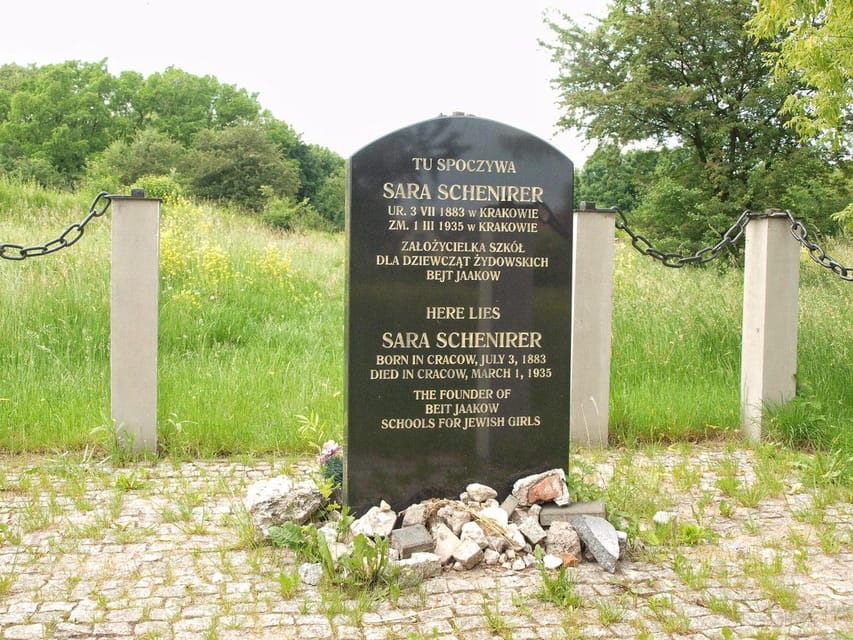
You might worry that a Schindler’s List connection turns the visit into a film stop. With this tour, the emphasis is on what the camp did and how it worked.
Yes, you will hear about Schindler’s List filming locations. But you will also be learning how Plaszow operated across living, hospital, administrative, and industrial sections. You will understand executions took place at several sites and that today the mass graves and memorials are what remain.
That balance is what makes the Schindler context helpful instead of distracting. The film becomes a map tool, not the main event. And the guide’s reflection-paced route keeps the focus where it belongs: honoring victims and understanding the machinery of persecution.
Price, Value, and What You Get for $29 in Kraków
At about $29 per person for a 2-hour guided experience, this tour is priced in a way that is easy to justify if you want more than a self-guided walk.
The value is not just the ticket cost. You get a licensed guide who can explain the camp’s layout and shifting roles, plus the guide can connect key remains like the Grey House and roll-call square to what they represent. That is hard to do well on your own when so much is gone.
You also get a single tram ticket included. For a city visit, small inclusions like that can shave off hassle and make the timing simpler.
And the pacing is part of the value. A reflection-first route is especially important at Plaszow. You want time to absorb, ask questions, and stay respectful.
Who This Tour Suits Best, and Who Might Prefer Something Else
This guided walk is a strong fit if you want a structured understanding of Plaszow’s purpose, layout, and timeline. You’ll likely enjoy it if you care about details such as how the camp shifted from forced labor for Jews from the Kraków Ghetto to a penal-labor phase for Poles, and then to a concentration camp and transit role for Hungarian Jews.
You should also consider it if you want help connecting Schindler’s actions to the real geography of Plaszow. The work-permit and Brünnlitz transfer story provides a concrete thread that helps some people process the scale of the tragedy.
It may not be the best choice if you mainly want preserved buildings or museum-style exhibits. Plaszow is open space and memorials, so the experience is memory-driven, not sightseeing-driven.
Final Call: Should You Book the Plaszow Guided Tour?
I think this is a smart booking decision if your goal is understanding plus remembrance in one respectful package. The combination of a licensed English guide, a reflection-paced route, and specific stops like the Grey House, roll-call square, and the Monument of Torn-Out Hearts makes it easier to leave with clarity instead of just sadness.
If you are sensitive to heavy historical sites, schedule it when you can handle quiet afterward. If you want an informed guide to connect Plaszow’s remains to the camp’s real functions, this tour hits that target.
Given the consistently high guide-focused ratings and the tour’s design for reflection, I’d book it rather than rely on guesswork.
FAQ
How long is the Plaszow Concentration Camp guided tour in Kraków?
The tour lasts about 2 hours.
What is the price for the tour?
The price is $29 per person.
What is included in the ticket?
It includes a licensed guide and a single tram ticket.
Where do I meet the guide?
Meet the guide by looking for the excursions.city sign.
Is the tour wheelchair accessible?
Yes, the tour is wheelchair accessible.
What language is the tour offered in?
The live tour guide speaks English, and the group tour is only in 1 language.
When should I arrive?
Please arrive 10 minutes before the tour begins. Latecomers will not be able to join once the group has departed, and tickets cannot be refunded.
Can I cancel for a full refund?
Yes. You can cancel up to 24 hours in advance for a full refund.
Is there a reserve now, pay later option?
Yes. You can reserve now and pay later, keeping your plans flexible.
Recently reviewed around Krakow
- Krakow: City Golf Cart Tour and Schindler’s Factory Museum★ 5.0 · 4 reviews
- Krakow: City Sightseeing Tour by Shared or Private Golf Cart★ 4.4 · 21 reviews
- Krakow beer review with a local guide★ 5.0 · 4 reviews
- Kraków: Romantic Candlelight Chopin Piano Concert★ 4.9 · 8 reviews
- From Krakow: Chocholow Hot Springs Evening or Daytime Ticket★ 4.7 · 72 reviews
- From Krakow: Zakopane, Tatra Mountains & Thermal Baths Tour★ 4.9 · 52 reviews
- Kraków: VIP Candlelight Concert The Music of Fryderyk Chopin★ 4.8 · 8 reviews
- Krakow: Bottomless Brunch with 3-Course Meal and Drinks★ 3.8 · 30 reviews