
Reviewed · AUSCHWITZ-BIRKENAU MEMORIAL VISITS
From Krakow: Auschwitz-Birkenau Tour
This is one of those experiences that stops you cold, because it is not just history on a page. Auschwitz-Birkenau is preserved for remembrance, so you see the physical place where terror happened, and you learn how the system worked. I love that the tour combines Auschwitz I and Auschwitz II-Birkenau with a live guide, not just a bus ride and free time. I also like the practical setup, transport from Krakow plus skip-the-line entry, so your day stays focused. One drawback to plan for: the day is heavy, and timed visits mean breaks can be tight, including very short toilet stops when lines get long.
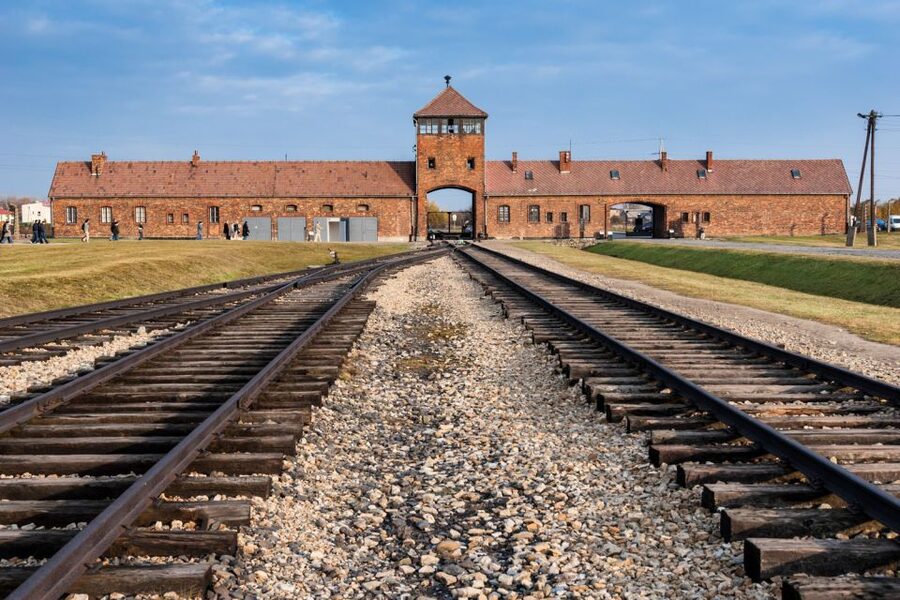
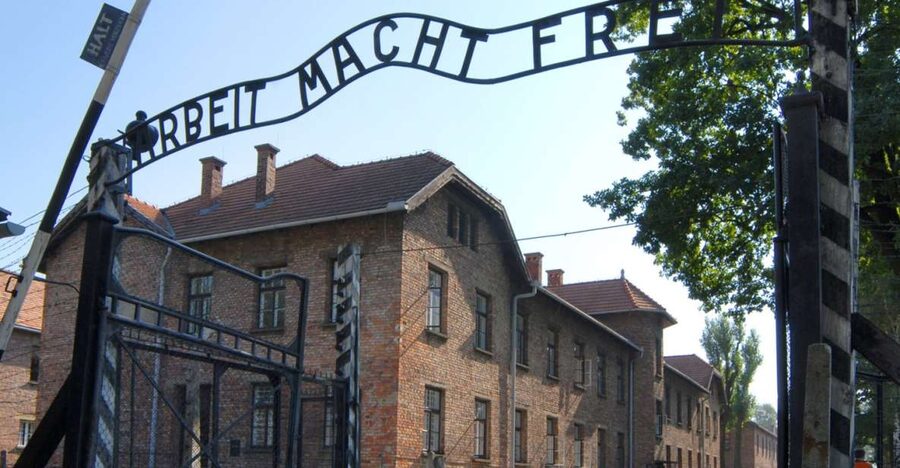
On the route, you head about 60 km west of Krakow to Oswiecim, where the German camp network was established in 1940. Auschwitz-Birkenau grew into the largest German concentration camp, and during World War II more than 1.5 million people were murdered and tortured there. The museum keeps ruins and artifacts like crematoria remains, gas chamber sites, and the railway platform, so the story is grounded in real geography.
If you are looking for a calm, light, “wander at your own pace” kind of trip, this is not that. If you want context, respectful structure, and a guide who helps you understand what you are seeing, you will likely find this tour deeply worthwhile.
Key things I’d circle before you go
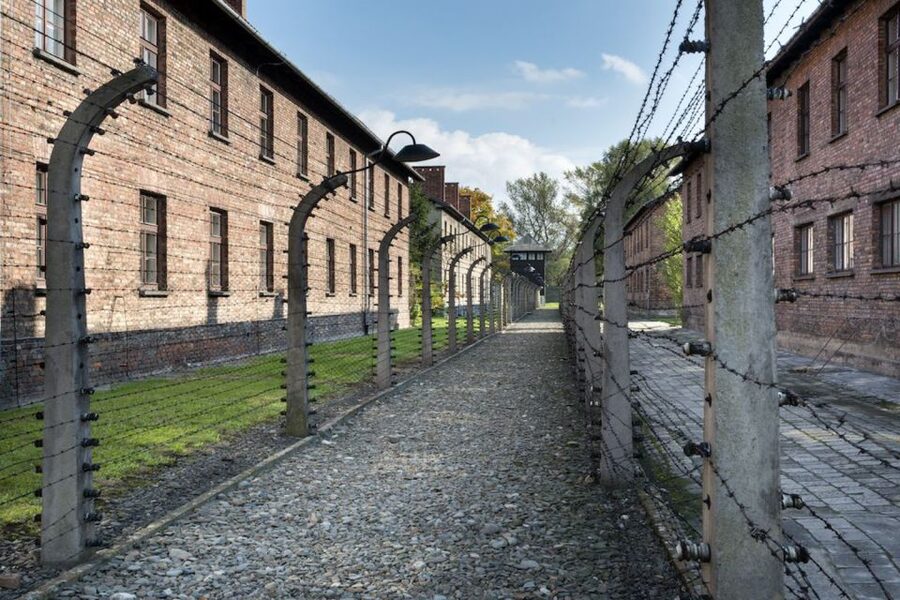
- Two sites in one day: Auschwitz I and Auschwitz II-Birkenau, so you get the full progression of the camp system.
- A live guide matters: you get explanation in Dutch, English, French, or Italian, not just signs.
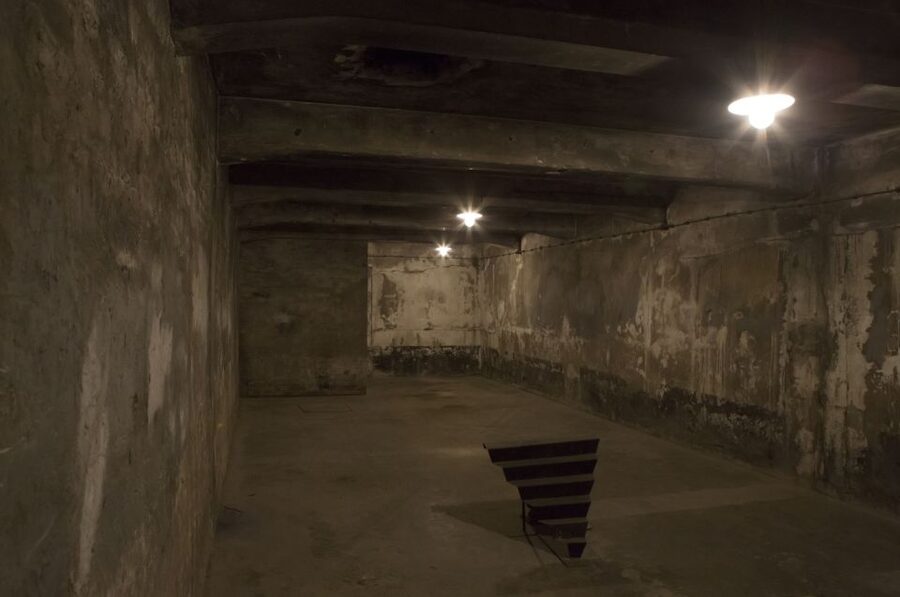
- You see preserved evidence: ruins, former gas chambers area, crematoria remains, and the railway platform.
- Transport is handled: included round-trip transfer from Krakow keeps logistics simple.
- Plan for rules and limits: ID matching requirements and a max bag size (30x20x10 cm) shape what you bring.
Auschwitz-Birkenau from Krakow: what you’re really signing up for
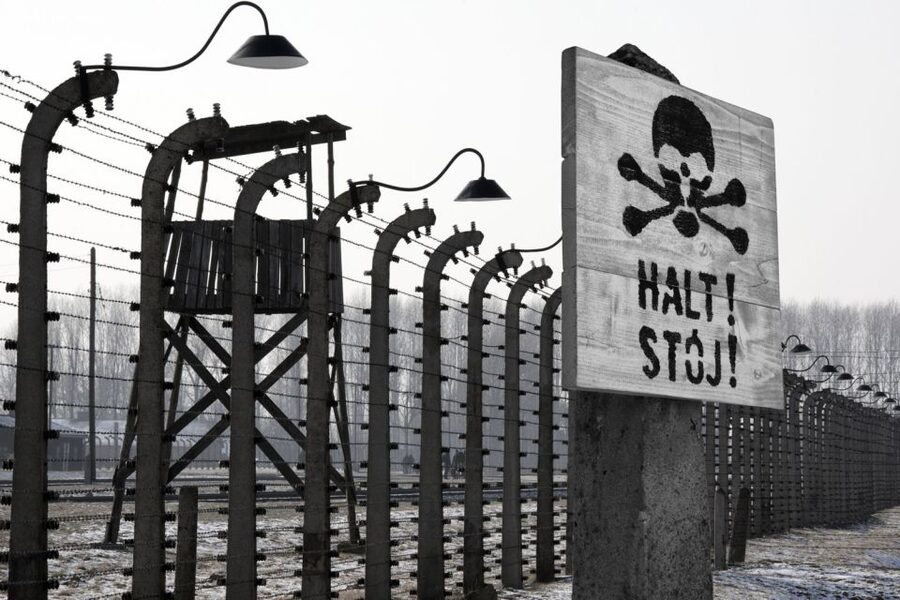
This tour is about remembrance and understanding, not entertainment. The memorial and museum preserve Auschwitz-Birkenau as a warning and a record, so you will spend your time looking at preserved structures and learning what each part meant in the machine of persecution.
The best value here is the “guided” piece. Walking through Auschwitz-Birkenau without context is possible, but a good guide helps you slow down mentally, connect the dots, and understand what you are looking at. In at least one group, the English guide Beata was noted for clear, calm delivery, which is exactly the tone you want in a place like this.
The route from Krakow is straightforward. You travel about 60 km to Oswiecim, with the tour lasting around 7 hours total. That duration is long enough to cover two major sections and still keep the day coherent, but short enough that you are not stuck for an entire afternoon without a plan.
More Auschwitz-Birkenau memorial visits from Krakow:
- From Krakow: Auschwitz-Birkenau Guided Tour & Hotel Pickup
★ 4.5 · 33,358 reviews - From Krakow: Auschwitz-Birkenau Guided Tour & Hotel Pickup
★ 4.5 · 29,340 reviews - Krakow: Auschwitz Guided Tour with Optional Hotel Pickup
★ 4.5 · 15,280 reviews
The 7-hour flow: how the day tends to move
Expect a classic half-day excursion rhythm: pick-up option if you choose it, then a drive out of Krakow, entry to the memorial, guided walking, and a return transfer to the city.
Because the schedule is built around a guided visit to both Auschwitz I and Auschwitz II-Birkenau, your time is usually spent in focused blocks, not free roaming. That is helpful because the site can feel overwhelming. You are given an order for what to see and what it represents, rather than trying to self-navigate through locations that are emotionally intense and historically complex.
Also plan your stamina. The memorial sites involve lots of walking on uneven ground, and the experience carries emotional weight. If you tend to rush through places, you will probably need to slow your pace. If you tend to stop a lot and read everything, you may still finish with enough time to see the highlights, but you may not have time to linger for long in every spot.
Auschwitz I: the museum section that explains the system
Auschwitz I is often the “orientation” part of the experience, where you understand that this was not a single event but a structured camp system. The museum includes preserved ruins and historical objects that help explain how the camp operated and why it was built the way it was.
What I like about visiting Auschwitz I as part of a guided tour is that the guide can connect themes that are otherwise hard to connect on your own. You start to see how documentation, forced confinement, and infrastructure were used to implement a brutal policy at scale.
You will also encounter the stark evidence that remains in place, including elements tied to the camp’s machinery of death. The museum preserves what it can, including ruins of crematoria areas and other objects that reflect the camp’s function.
One practical consideration: museum rules govern what you can bring in and how you move. So arrive prepared so you spend less time at the entrance and more time inside listening and looking.
Auschwitz II-Birkenau: seeing scale, and feeling the weight of it
Auschwitz II-Birkenau is known for its scale and layout, and that scale is part of the lesson. Here, you are not just looking at one building or one type of exhibit. You are seeing a whole industrialized camp design, with surviving features that help explain how prisoners were processed and controlled.
The memorial preserves key areas including the railway platform, which is central to understanding how people arrived. You also see ruined crematoria areas and the gas chambers sites, kept as evidence and warnings, not as staged attractions.
This is where a clear guide can make the largest difference. If you understand the purpose of what you are seeing, the preserved remains become part of a coherent explanation rather than random-looking structures. And since the tour is guided through Auschwitz I and then Auschwitz II-Birkenau, the comparison is built in. You start to grasp how the system expanded.
There is also an emotional intensity here that you cannot rush. If you have a “checklist mindset,” this is the wrong match. I suggest treating this as a respectful visit where your pace is guided by the moment, not by your phone timer.
Another way to spend a day around Krakow:
- Krakow–Zakopane: Cable Car, Chocholow Baths, Cheese & Vodka
★ 5.0 · 10,720 reviews - Krakow: Auschwitz-Birkenau Guided Tour with Pickup & Lunch
★ 4.5 · 9,800 reviews - From Krakow: Wieliczka Salt Mine Tour
★ 4.6 · 9,393 reviews - Krakow: Auschwitz-Birkenau Guided Tour Pickup/Lunch Options
★ 4.5 · 9,057 reviews
Skip-the-line entry and transport: small logistics, big impact
From Krakow, the tour includes transport to and from the memorial and includes entrance tickets. It also notes skip-the-ticket-line. That sounds minor, but in a high-demand site it matters.
The skip-the-line helps you use your day for the guided walk instead of waiting outside. Still, remember the memorial has entry requirements and security checks. So build a mental buffer that there may be delays even with skip-the-line access.
Pickup is optional, and you meet at a point that can vary depending on what you booked. If you use hotel pickup, plan to be ready on time. The driver waits no more than 15 minutes after the stated departure time, so “close enough” does not work.
What you will feel at the start of the day is that the logistics are designed to keep you moving. That is good, because once you get into the museum flow, you want minimal friction.
Price and value: is $81 a good deal?
For about $81 per person, you get a lot in one package: round-trip transport from Krakow, entrance tickets, and a guided visit of both Auschwitz I and Auschwitz II-Birkenau. Meals are not included.
So what makes the value here? You are paying for three things that are hard to coordinate alone on a short visit:
1) reliable transport between Krakow and Oswiecim,
2) museum entry and access, and
3) a live guide who helps you understand what you are seeing.
If you tried to piece it together yourself, you might end up spending time coordinating schedules, arranging transport, and figuring out how to get a coherent guided explanation at both sites. Here, the experience is packaged so you can focus on the main event.
That said, this is a non-refundable ticket. So only book if you are confident about your date and you know you will be able to follow the ID and name matching rules.
What to bring, bag limits, and the ID matching rule
This tour is very clear on paperwork and what you can carry. Bring your passport or ID card. The memorial requires that you provide your full name and contact details when booking.
There is a key rule that affects entry: entrance may be refused if the name on your booking does not match the name on the ID you present when entering. This is not the time to rely on a nickname, a different spelling, or a travel document mismatch.
Bag limits also matter. Backpacks or handbags brought into the museum cannot exceed 30x20x10 cm. If you have a larger bag, plan to leave it in your car or bus, or use the lockers available.
Also note that pets are not allowed. And the tour is listed as not suitable for pregnant women.
These rules are not there to be difficult. They help keep the site manageable and moving, and they reduce bottlenecks. If you follow them, the day feels smoother.
A note on pace, breaks, and emotional stamina
You should expect the day to feel structured and at times intense. In one recent review, a very practical complaint came up: toilet visits were extremely short, and long queues made them even shorter. Even if your day is managed well, you cannot count on long breaks in a tour that covers two major sites.
So bring patience. If you need a restroom, go quickly when the moment appears. Wear shoes that handle long walking, and keep your daypack small so you are not slowed down.
Emotionally, give yourself permission to take breaks mentally. Looking at preserved evidence and ruins can hit hard. A guided pace helps, but you can still step back, breathe, and process.
If you are traveling with someone who wants to push through quickly, I would suggest setting expectations now: this is not the site for “let’s just get photos.”
Language and guide style: why it matters in Auschwitz
The tour offers live guides in Dutch, English, French, and Italian. Language choice affects more than comprehension. It affects tone.
A place like Auschwitz needs calm, precise explanations. One review highlighted that the guide spoke English clearly and at a steady pace. That is a big deal. When the guide’s delivery is clear, you spend less effort decoding meaning and more effort absorbing what you are seeing.
If you have limited confidence in the offered languages, you may still follow with signs, but you will miss the nuanced context. I would choose the language you are most comfortable with, even if it means selecting a specific departure option.
Who this tour is best for
This is best for people who want a guided, structured visit with context and who are ready for a serious historical site.
It tends to suit:
- first-timers to Auschwitz who want an organized explanation across both major areas,
- visitors who prefer transport and tickets handled for them,
- travelers who value clarity and careful interpretation over self-guided wandering.
It may be a poor fit for:
- anyone who cannot manage the physical walking involved,
- people who are pregnant, since it is listed as not suitable,
- anyone who expects a casual, entertainment-style outing.
If you are unsure, ask yourself what you want most: convenience and interpretation, or independence and flexible timing. This tour leans hard toward structured interpretation.
Should you book the Auschwitz-Birkenau tour from Krakow?
I think you should book if you want a respectful, guided day that covers Auschwitz I and Auschwitz II-Birkenau with transport included and a live guide in your language. The price feels reasonable for a packaged day of entry and guidance, especially when you factor in the logistics from Krakow and skip-the-line access.
I would not book if you can’t follow the entry requirements, or if your date is uncertain, because tickets are non-refundable. Also, if you are hoping for long, flexible free time, the guided structure will feel tight.
My practical recommendation: read the rules one more time before you go. Match your name exactly to your ID, keep your bag within 30x20x10 cm, and choose your guide language carefully. If you do that, you remove stress and give yourself the mental space the day deserves.
FAQ
How long is the Auschwitz-Birkenau tour from Krakow?
The duration is about 7 hours.
What is included in the price?
Transport to and from Krakow, entrance tickets, and a guided tour of Auschwitz I and Auschwitz II-Birkenau are included.
Are meals included?
No. Meals are not included.
Do I need a passport or ID?
Yes. You should bring your passport or ID card.
What languages are the live guides available in?
The live tour guide is available in Dutch, English, French, and Italian.
Can I bring a large backpack or handbag?
There is a size limit for bags entering the museum: 30x20x10 cm. Larger items should be left in the car or bus, or you can use lockers.
Are pets allowed?
No, pets are not allowed.
What if my name on the booking does not match my ID?
Entrance may be refused if the name provided on the booking is not identical to the name on the ID you use when entering.
Is hotel pickup available?
Pickup is optional. If you choose it, wait in the hotel lobby by reception or in front of the main entrance if there is no reception, and be punctual. The driver waits no more than 15 minutes after the specified departure time.
Is the tour suitable for pregnant women?
No, it is listed as not suitable for pregnant women.
Recently reviewed around Krakow
- Krakow: City Golf Cart Tour and Schindler’s Factory Museum★ 5.0 · 4 reviews
- Krakow: City Sightseeing Tour by Shared or Private Golf Cart★ 4.4 · 21 reviews
- From Krakow: Chocholow Hot Springs Evening or Daytime Ticket★ 4.7 · 72 reviews
- Krakow beer review with a local guide★ 5.0 · 4 reviews
- Kraków: Romantic Candlelight Chopin Piano Concert★ 4.9 · 8 reviews
- From Krakow: Zakopane, Tatra Mountains & Thermal Baths Tour★ 4.9 · 52 reviews
- Kraków: VIP Candlelight Concert The Music of Fryderyk Chopin★ 4.8 · 8 reviews
- Krakow: Bottomless Brunch with 3-Course Meal and Drinks★ 3.8 · 30 reviews