
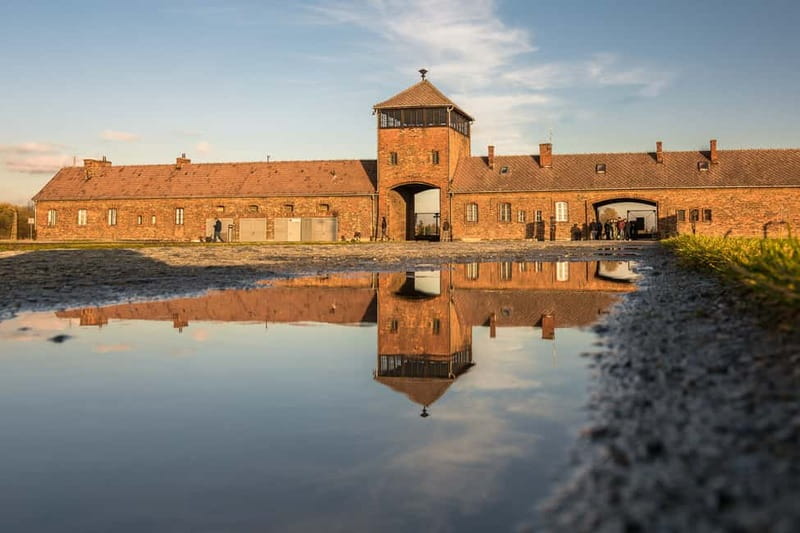
Reviewed · AUSCHWITZ-BIRKENAU MEMORIAL VISITS
From Krakow: Auschwitz-Birkenau Tour with Transportation
Visiting Auschwitz-Birkenau from Krakow is interesting because you go from a lively Polish city to one of the most sobering historical places on Earth in a single, well-managed day. I like that this trip gives you transport that removes the stress and skip-the-ticket-line entry, so you can focus on the visit instead of logistics. One thing to consider: the time you have inside both camps is limited, so you may not be able to see everything if you want a slow, deep reading of every exhibit.
What I especially like is the human, practical support. From meeting point guidance at Pawia Street 18 (the Kiss and Ride across from Mercure Hotel) to the way hosts such as Ollie, Paul, and Peter have helped people get through the first steps smoothly, the day usually feels organized. Another plus is the presence of permanent exhibitions on the grounds, not just a quick stop, with enough structure to help you make sense of what you’re seeing.
The possible drawback is timing. Departure times can shift, sometimes by several hours, and the memorial controls the pacing once you’re there. If you’re the type who wants maximum time inside every building, plan for that trade-off before you book.
Key Things I’d Bet You’ll Appreciate
- Skip-the-ticket-line entry for both Auschwitz and Birkenau
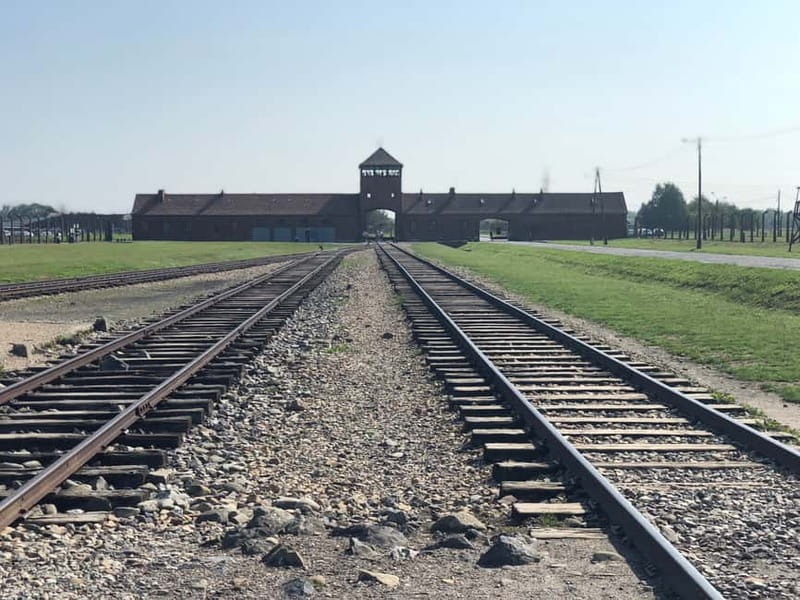
- Judenrampe stop (about 20 minutes) early on, giving context before you move deeper
- Up to 2.5 hours of museum and memorial time where you can explore on your own
- Multilingual informational booklets available in 19 languages
- Air-conditioned coach plus a centrally located Kiss and Ride meeting point in Krakow
- Clear rules for entry, including matching your booking name to your ID
Krakow to Oświęcim: the coach ride, the meeting point, and timing
This is a long day in the best way, 7 to 8 hours total, and it starts with a real commute. You leave Krakow by air-conditioned vehicle for about 1.5 hours toward Oświęcim, and you’ll usually see the return trip is the same 1.5 hours back. That matters because the camps are the emotional center of the day, but the travel time shapes your energy and how quickly you’re ready to process what you’ll see.
The meeting point is specific: Kiss and Ride on Pawia Street 18, directly opposite Mercure Hotel. You’ll wait at the street side, not inside the hotel or shopping center. Tour leaders call guests by name, often arriving around 5 minutes early, sometimes exactly at departure time. If you want to avoid the scramble, arrive a few minutes before and stay close to the curb where your group will gather.
From the experience I’ve seen described by guests, things tend to run smoothly, but delays do happen. Departure times can change, potentially by several hours, due to operational or scheduling adjustments, and you’re told one day in advance if that occurs. My practical advice: don’t stack other tight plans for the same day in Krakow. If you have a later dinner reservation, choose one with flexibility, or move it to the next day.
You’ll pass landmarks on the way back, and the ride is when the emotional pressure drops. It’s not a “fun excursion” kind of tour. It’s more like a guided day in transportation and entry flow, with your own time for reflection once you’re inside.
More Auschwitz-Birkenau memorial visits from Krakow:
- From Krakow: Auschwitz-Birkenau Guided Tour & Hotel Pickup
★ 4.5 · 33,358 reviews - From Krakow: Auschwitz-Birkenau Guided Tour & Hotel Pickup
★ 4.5 · 29,340 reviews - Krakow: Auschwitz Guided Tour with Optional Hotel Pickup
★ 4.5 · 15,280 reviews
Judenrampe and Auschwitz Museum: how the day starts inside the story
The trip is built to get you into Auschwitz early enough to orient yourself. After the bus ride, there’s a stop at Judenrampe for about 20 minutes. That short window can be powerful because it’s a moment where you’re not yet bouncing between exhibits. You’re stepping into a key part of the camp’s functioning, then moving on with context rather than confusion.
Then comes the Auschwitz Museum and memorial area. You get a short break of about 30 minutes. This is usually the part of the day where you can reset your body, use the bathroom, and decide what you want to prioritize once you’re back in the main exhibition spaces. It’s also where having a booklet can help, because you can quickly check what you’ll see next, rather than wandering in a fog of information.
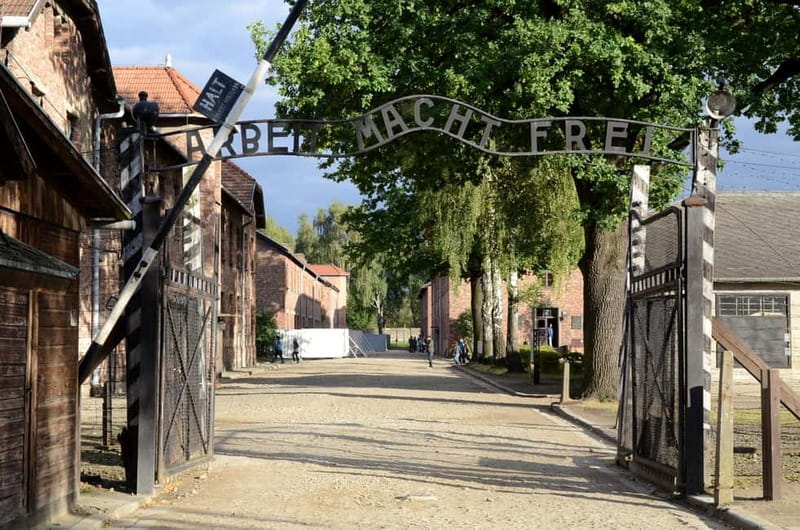
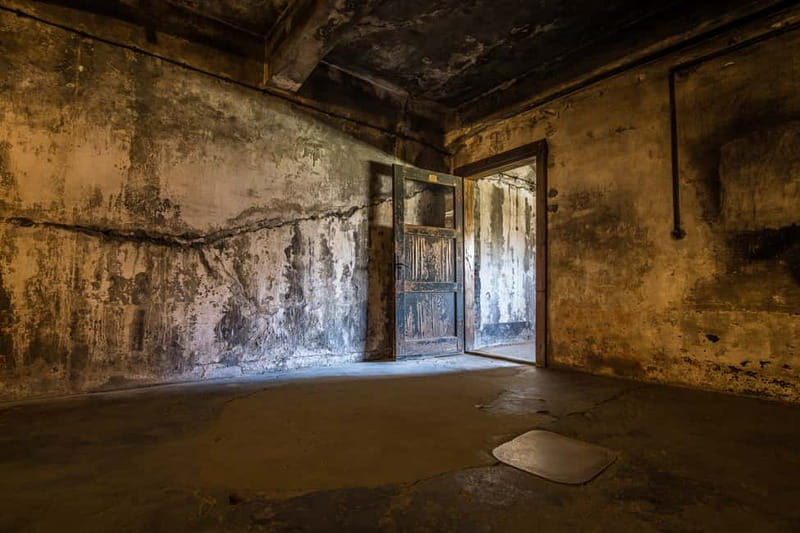
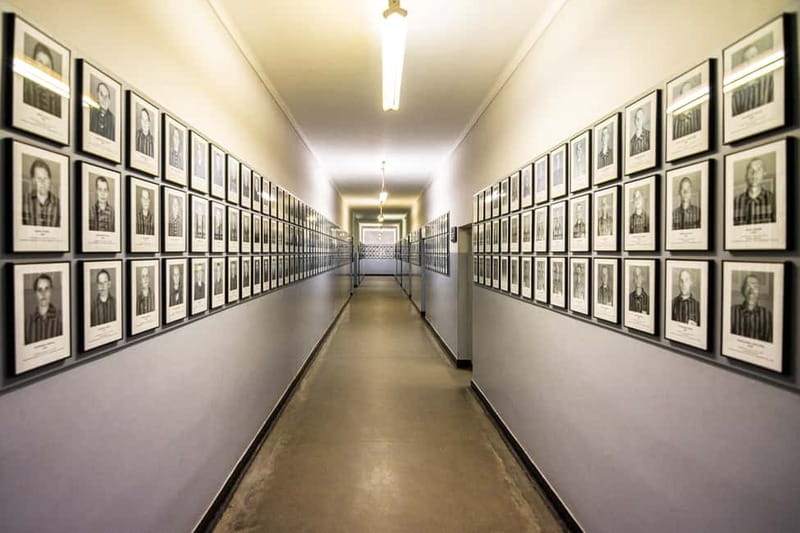
The museum time is where the permanent exhibitions do their job. You’ll see remnants of prisoner barracks and the notorious gas chambers. The key benefit of going to Auschwitz first, even on your own, is that the scale of the subject is easier to grasp when you start with the museum’s narrative structure. You don’t have to read every sign to get value, but you do need to give yourself enough attention to absorb what each section is explaining.
Even when you visit independently, you’re not totally on your own. You’ll receive the important information before you enter, and hosts often help with practical guidelines so you don’t lose time hunting for directions. I’ve read accounts of hosts and drivers, including Ollie and Peter, who helped guests understand rules and timing clearly. You’ll also want to remember that the memorial sets the pace once you’re in, so your plan should be “follow the flow,” not “I’m going to see every single building.”
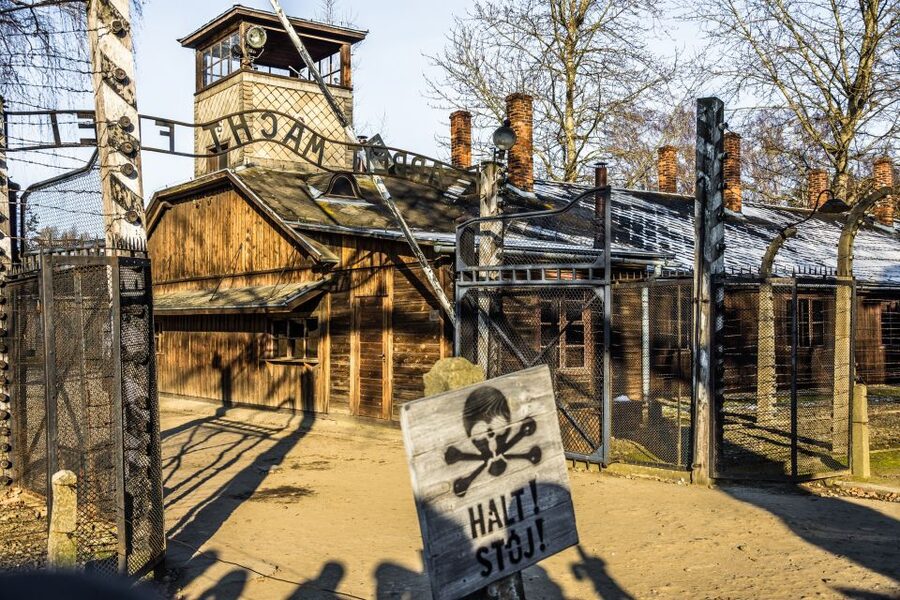
One more detail that affects how you experience Auschwitz: photography is not allowed in certain spots. You’ll need to be alert to posted signs and follow the rules on the ground.
Birkenau Memorial: why you’ll feel the shift in space and scale
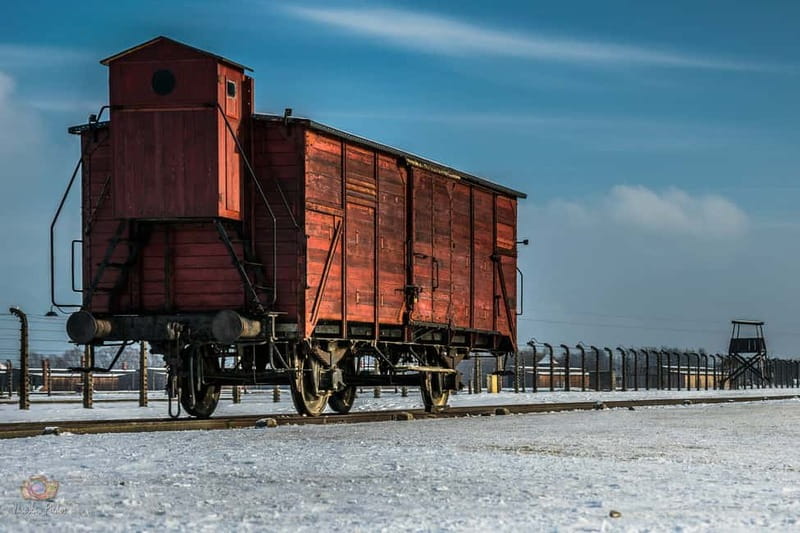
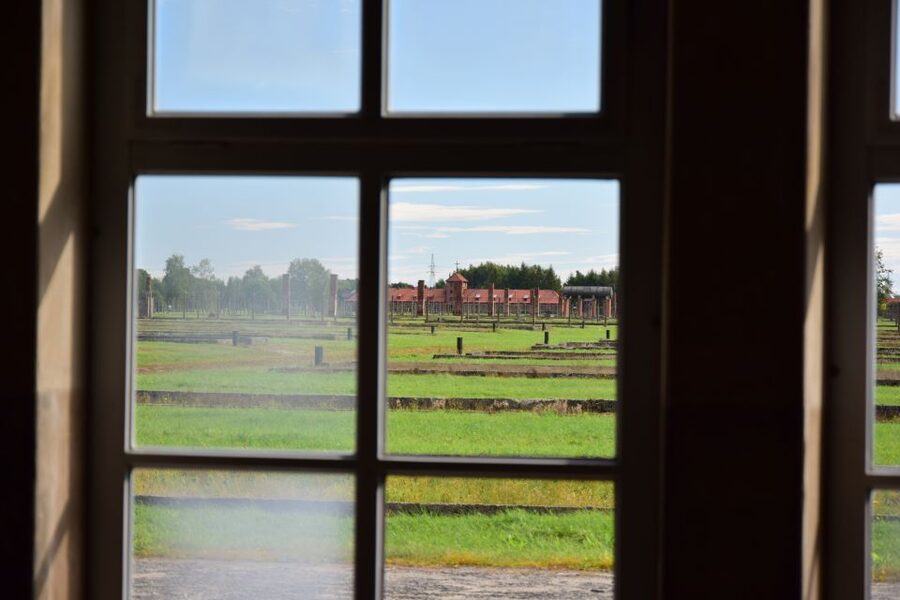
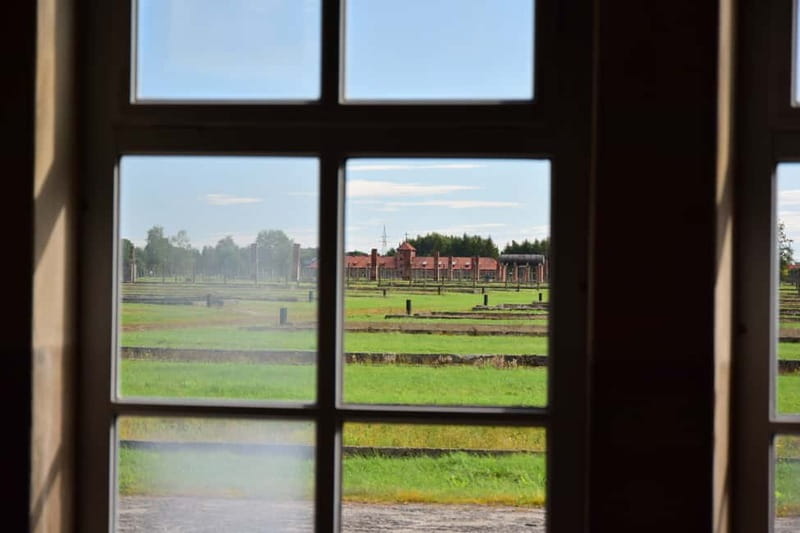
After Auschwitz, you move on to Birkenau. This is the camp where the environment and layout hit you differently. If Auschwitz feels like an organized presentation of events and evidence, Birkenau can feel more exposed, because it’s so much open space. You’ll be walking, and the day’s emotional weight can come faster when you can see how vast the camp grounds are.
The time you have here is included in the overall museum and memorial visit window, with about 2.5 hours allocated for the combined memorial and museum experience time block. That’s enough to understand the basics and follow the core exhibits, but it’s not enough to do everything slowly if you’re the type who reads every board carefully and wants extra time at each major location.
You will explore on your own. That’s a big deal. Some people love guided tours for the structure and the narrative. Others prefer self-guided time because you can stop, look longer, and process at your own pace. I think this setup works best when you come prepared to make choices. If you’re trying to do everything start to finish, you’ll feel rushed. If you pick your priorities, you’ll get more out of the time you have.
Birkenau also benefits from the booklet system. Informational booklets are available in 19 languages (depending on options), and that helps if you want to cross-check what you’re seeing while you walk. If you’re traveling with teens or you’re worried about understanding the buildings and sections, having language support in-hand is a real advantage.
A final practical note: because this is self-guided, it’s easy to wander too far or spend too long at one area. Keep an eye on time, and don’t be shy about asking the host for reminders about when to regroup. The day is designed to get you in, not to let you disappear for hours in reflection.
Self-guided time with booklets: getting the most from a limited schedule
Here’s the honest trade-off: you’re paying for transportation and entry, not for unlimited time inside the camps. Still, the structure makes sense if you want to visit and understand without spending an entire day only at Auschwitz, then another day only at Birkenau.
The most useful part of the “independent tour” approach is that you can set your own pace inside the memorial areas. For many people, that matters more than adding a live guide. I’ve seen guests describe preferring self-guided time because it lets you take longer stops exactly where you feel you need them.
That said, you should plan for the museum rules and physical flow. There are spaces where photography is restricted, and dress guidance is specific. You’ll need a passport or ID card, and you must provide your full name and contact details when booking as required by the memorial. Entrance may be refused if the name on your booking does not match the name on your ID when you enter. That’s not a “small admin detail.” It can block you at the entrance, so double-check your booking data.
Dress code also matters. Sleeveless shirts are not allowed. That’s the kind of rule people only notice when it’s too late, so I recommend you pack a light layer just in case.
In at least one account, a guest mentioned being provided an audio guide for Auschwitz II. That’s not something I’d treat as guaranteed, but it points to the kind of in-camp support you might encounter. If you do get any audio or added materials, use them as a tool for understanding. If you don’t, you’ll still have the printed booklets and the exhibition signage.
For timing, remember that break duration and exact pacing inside are determined by the memorial’s visitor service. Your operator can’t control those internal timing rules, which is why “7 to 8 hours total” should be treated as a real schedule, not a loose suggestion.
Another way to spend a day around Krakow:
- Krakow–Zakopane: Cable Car, Chocholow Baths, Cheese & Vodka
★ 5.0 · 10,720 reviews - Krakow: Auschwitz-Birkenau Guided Tour with Pickup & Lunch
★ 4.5 · 9,800 reviews - From Krakow: Wieliczka Salt Mine Tour
★ 4.6 · 9,393 reviews - Krakow: Auschwitz-Birkenau Guided Tour Pickup/Lunch Options
★ 4.5 · 9,057 reviews
Price and value: what $38 buys you, and what it doesn’t
At around $38 per person, the main value comes from bundle pricing: transportation from a central Krakow meeting point, entrance to both Auschwitz and Birkenau, and booklets available in multiple languages. You’re also getting help with the early steps at arrival, including skip-the-ticket-line entry, which can save time and reduce cold-weather friction if you’re going in early.
What you’re not getting is food. You’ll want to bring snacks or plan for the stop structure on the route. Guests have described situations where the driver made a stop so people could buy drinks and snacks at a more reasonable cost compared to paying inside the camp areas. That’s not promised in the core description, but it’s a helpful pattern to know: if you want cheaper snacks, a pre-arranged stop can matter.
Also, museum tickets are not refundable because of the memorial requirements. If you’re booking and your schedule is tight, protect your day. One operational change, departure shift, or personal plan conflict can be enough to make you lose flexibility, so choose a date you can commit to.
Finally, there’s the value question most people really mean: is this enough time? If you’ve never been before, you will learn a lot and see the major sites, even with a shorter time window. If you’re expecting to read everything at a slow pace at both camps, you might feel rushed. That doesn’t mean it’s bad value. It means you’re buying a visit, not a marathon.
Practical do’s and don’ts before you go
A few rules affect your smooth entry and your comfort:
- Bring a passport or ID card. Don’t travel without it.
- Make sure your full name on your booking matches your ID. If it doesn’t, entrance can be refused.
- No pets.
- No sleeveless shirts.
- Expect that some areas won’t allow photos.
What to wear: keep it simple and practical. The day can involve walking between sections, and the camps are exposed. You’ll feel it most in colder months because waiting lines and walking surfaces do not care about your itinerary.
What to pack mentally: the camps are not “educational entertainment.” The exhibits are permanent, the evidence is direct, and the atmosphere will slow your thoughts down. It helps to accept the emotional impact and plan your day around that, not around finishing quickly.
For people with mobility impairments, this trip is not suitable. That’s because the visit involves walking and navigating the memorial grounds.
Should you book this Auschwitz-Birkenau day trip from Krakow?
I’d book it if you want a straightforward, low-stress way to make the trip from Krakow, with entrance handled and a structured flow that still lets you explore on your own. It’s a good fit if you like self-paced visits, appreciate multilingual booklets, and want to avoid ticket-line hassles.
I’d think twice if you need maximum time at each site. With about 2.5 hours for the museum and memorial time block, and the memorial controlling the pacing, you’ll likely have to choose what you focus on most. If you want a slower, more interpretive experience and you know you’ll struggle with the time limit, look for options that offer a live guide and more time in-camp, if available to you.
I’d also book with care if you have other commitments the same day. Departure times can change, potentially by several hours, and you’ll get notice one day in advance. Build your Krakow schedule with that reality in mind.
FAQ
Where is the meeting point in Krakow?
The meeting point is at the Kiss and Ride (K+R) stop on Pawia Street 18, directly opposite the Mercure Hotel. Wait at the stop on the street side.
How long is the Auschwitz-Birkenau trip from Krakow?
The duration is about 7 to 8 hours, depending on the starting time and the flow set by the memorial.
What does the tour include?
It includes transportation from a centrally located meeting point, hotel pickup and drop-off depending on the selected option, entrance to both Auschwitz and Birkenau, up to about 2.5 hours on site, and informational booklets in 19 languages depending on the option.
Is there a live guide?
A live guide is not included unless a guided tour option is selected. You may have a host or greeter in English or Polish.
Do I need a passport or ID?
Yes. You must bring a passport or ID card.
Are there dress code rules?
Yes. Sleeveless shirts are not allowed.
Are photography rules flexible?
No. There are spots where taking pictures is not allowed.
What happens if my booking name does not match my ID?
Entrance may be refused if the name provided on the booking is not identical to the name on the ID when entering.
Brief answer: Book it or skip it?
Book it if you want organized transport and entry, plus the freedom to walk and read at your own pace with multilingual booklets. Skip it or choose a different format if you need more time inside than the allocated visit window allows, or if mobility is a concern.
Recently reviewed around Krakow
- Krakow: City Golf Cart Tour and Schindler’s Factory Museum★ 5.0 · 4 reviews
- Krakow: City Sightseeing Tour by Shared or Private Golf Cart★ 4.4 · 21 reviews
- Krakow beer review with a local guide★ 5.0 · 4 reviews
- Kraków: Romantic Candlelight Chopin Piano Concert★ 4.9 · 8 reviews
- From Krakow: Chocholow Hot Springs Evening or Daytime Ticket★ 4.7 · 72 reviews
- From Krakow: Zakopane, Tatra Mountains & Thermal Baths Tour★ 4.9 · 52 reviews
- Kraków: VIP Candlelight Concert The Music of Fryderyk Chopin★ 4.8 · 8 reviews
- Krakow: Bottomless Brunch with 3-Course Meal and Drinks★ 3.8 · 30 reviews