
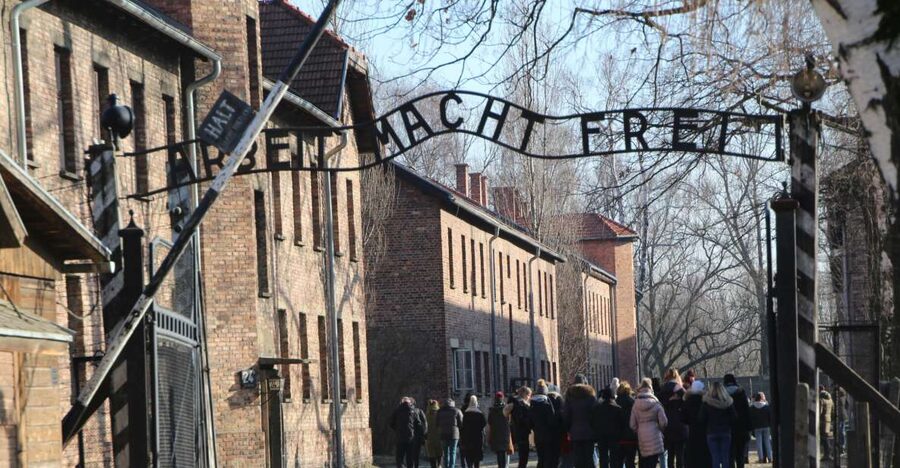
Reviewed · AUSCHWITZ-BIRKENAU MEMORIAL VISITS
From Krakow: Auschwitz-Birkenau and Self-Guided Day Tour
Auschwitz-Birkenau is one of those places that stays in your head long after you go. What makes this trip practical is the mix of organized transport and self-guided wandering once you arrive, so you can follow the parts that hit you most. I also like that you get a brochure in English, plus help from staff at the key handoff points, so you are not stuck guessing where to go.
The main consideration is time. Your day moves quickly, especially at Birkenau, and some people find the walk between sections can cut into that short window. If you want lots of slow time in Birkenau, you may feel a little rushed.
Key highlights worth planning for
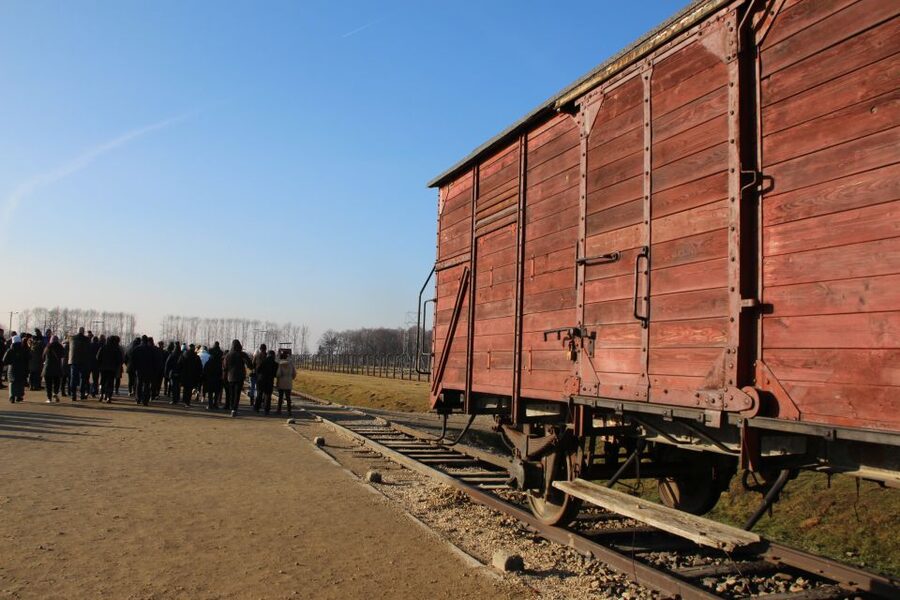
- Judenrampe first, so you see the selection area early and understand what comes next
- Self-guided Auschwitz and Birkenau, meaning your pace, your route, your questions
- Brochure support in your language (English offered here), with prompts for what matters
- Auschwitz I plus Birkenau on one day, a full spread of the camp complex
- Tour assistant available on-site, so you can still get help when needed
- Ticket handling is streamlined, but you should still be ready for some waiting in peak hours
Auschwitz-Birkenau from Krakow: the smart version of self-guided
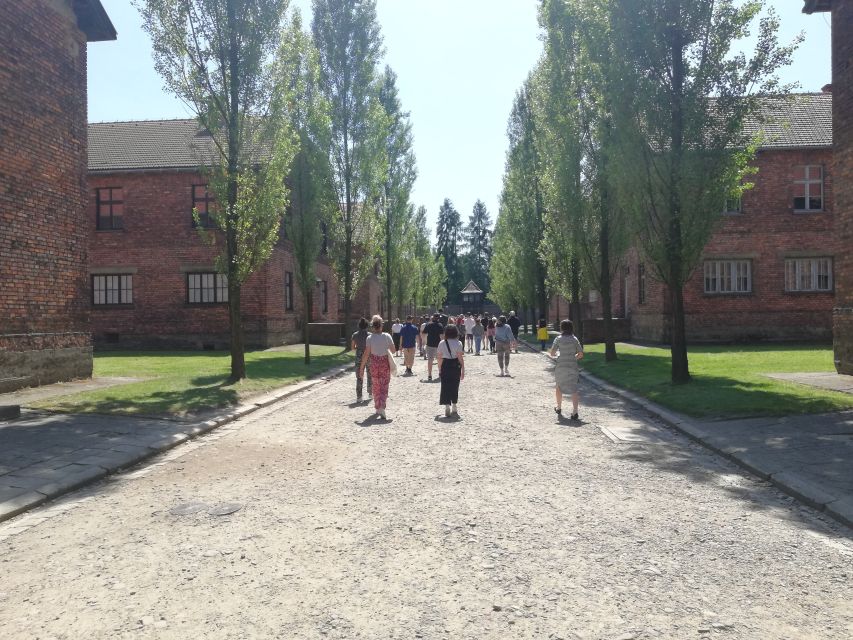
This is not a lecture tour. It is a guided-on-rails day for getting in the right order, with self-guided time once you are inside. The trip starts in Krakow, then runs the classic, emotionally heavy path: Auschwitz I first, then Auschwitz II-Birkenau where mass killings took place.
What I like most is how the schedule protects you from the biggest headaches. You get round-trip bus from Krakow, organized drop-offs at Pawia 18b, Pawia 18B, and Wielopole 2, and assistance for collecting tickets. Once you are at Auschwitz-Birkenau, the brochure format helps you keep moving without losing context.
The other big plus is that “self-guided” here is not code for do-it-alone. A tour leader helps with admission ticket timing, and a tour assistant supports you throughout your museum visit. In the real world, that matters because the camps are huge and signage can be overwhelming when you are trying to process what you are seeing.
More Auschwitz-Birkenau memorial visits from Krakow:
- From Krakow: Auschwitz-Birkenau Guided Tour & Hotel Pickup
★ 4.5 · 33,358 reviews - From Krakow: Auschwitz-Birkenau Guided Tour & Hotel Pickup
★ 4.5 · 29,340 reviews - Krakow: Auschwitz Guided Tour with Optional Hotel Pickup
★ 4.5 · 15,280 reviews
Getting to Auschwitz: pickup times, bus ride, and how to stay sane
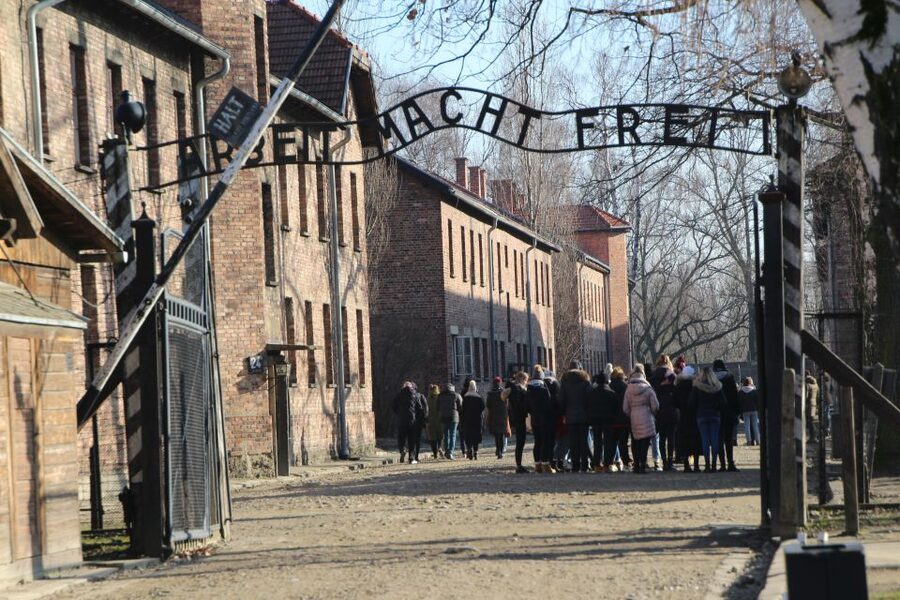
This tour runs from Krakow with multiple pickup options. You can choose one of three bus stops: Kraków, Pawia 18b, or Kraków, Wielopole 2. Starting times vary, with the possible start window between 05:30 AM and 01:30 PM, so you will want to treat your day like a flexible early start, not a lie-in day.
The bus ride time is about 1.5 hours each way, and the day includes a 40-minute break at a local café. Realistically, this is a long day, from roughly 7 to 11 hours depending on the selected timing option. If you are prone to “I’ll be fine” comfort math, plan to be tired by the end, because you will be walking.
Also, show up early to your pickup spot. Some communication notes say the pickup time is approximate and can shift, and staff confirm details by WhatsApp, email, or phone the day before. The best way to make the day smooth is to assume there will be small timing adjustments, then build in buffer.
Judenrampe: the selection point, and why 45 minutes can feel intense
The first major museum moment is the Judenrampe, where prisoners were selected. Your time there is listed as a self-guided block of about 45 minutes, which sounds neat on paper but can feel heavy in your body. You are stepping into a part of the site that connects directly to the machinery of deportation and separation.
Because this is self-guided, you are not listening to a single narrative voice the entire time. Instead, the brochure helps you focus on what you are looking at, and you can linger on the items or details that demand your attention. That is especially helpful here, because selection and its consequences are hard to “just glance at.”
The short Judenrampe stop is a trade-off. If you want a full guided interpretation, a live guide format might suit you better. But if you want to control your own pace and make sense of the space with written prompts, this structure can work well.
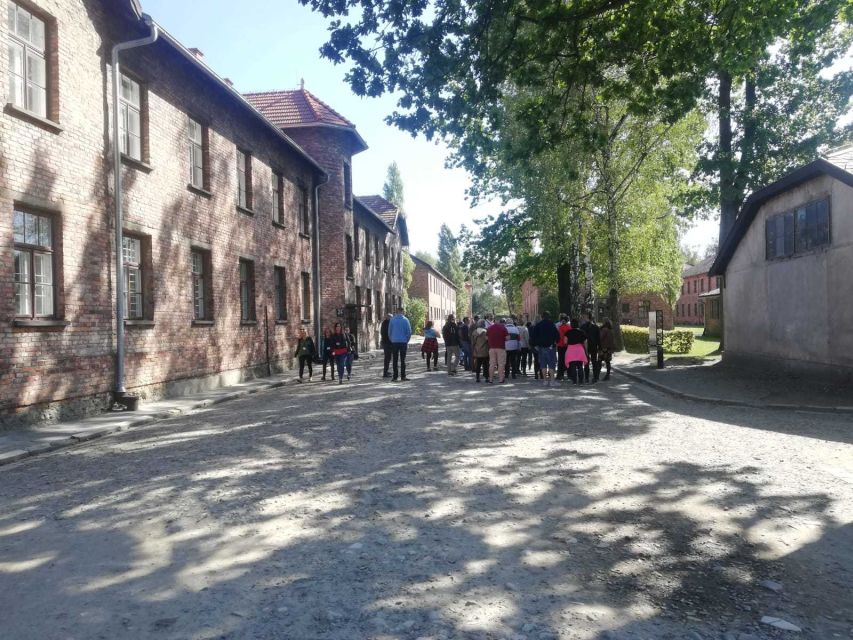
Auschwitz I (1.5 hours): concentration camp reality, organized walking, your own rhythm
Next comes Auschwitz I, your self-guided visit time listed as about 1.5 hours. This section matters because it shows the camp’s structure as it developed as a Nazi concentration camp, and the remains and personal artifacts you encounter here can be among the most haunting parts of the day.
In practice, the value of Auschwitz I time is that it is long enough for a meaningful scan plus a couple of deeper pauses. Since you do not have a live guide walking you block-by-block, your brochure becomes your anchor. I recommend you use it like a checklist, not a novel.
A staff member assists you early on with ticket steps, and once you are in, you keep the independence. That combination tends to work better than either extreme. A fully guided tour can make you feel swept along, while a fully independent visit can make it easy to miss what you should not miss.
One more practical note: the day is built around getting you to Birkenau in time, so Auschwitz I is not set up for a “spend the afternoon here” plan. Think of it as your grounding section before the much larger second camp.
A few more Krakow tours worth comparing
- Krakow: Auschwitz-Birkenau Guided Tour with Pickup & Lunch
★ 4.5 · 9,800 reviews - Krakow: Auschwitz-Birkenau Guided Tour Pickup/Lunch Options
★ 4.5 · 9,057 reviews - Krakow: Auschwitz-Birkenau and Salt Mine Guided Tour
★ 4.7 · 9,020 reviews - Krakow to Auschwitz Birkenau Guided Tour with Transfer and Ticket
★ 5.0 · 8,197 reviews
Auschwitz II-Birkenau (about 40 minutes): what you get, and where the time goes
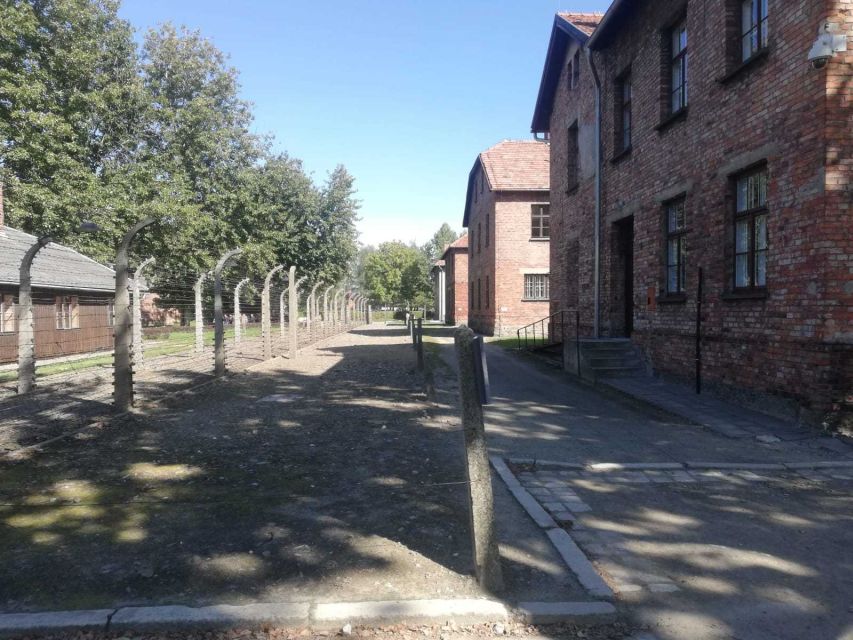
Birkenau is the part most people imagine, and it is also the part where timing becomes the biggest issue. Your Birkenau visit is listed as a self-guided time block of about 40 minutes, plus the day includes short transfers between sections.
Several people noted that a walk between areas can eat into viewing time, and if you have limited stamina, that matters. If you are traveling with elderly family members or anyone who tires quickly, this is the moment to plan for slower movement, because Birkenau’s scale punishes rushed feet.
That said, 40 minutes can still be powerful if you approach it strategically. I suggest you decide in advance what you want to see, and use the brochure to guide your priorities. Since you are not tied to a group voice, you can spend your time in the spots that hit hardest rather than trying to keep up with a pace you did not choose.
The tour format is designed so you see Auschwitz I, then Birkenau, then return by bus. If you want longer time at Birkenau, this self-guided version may feel tight. But if you want one full day that still includes both main areas, it is a solid compromise.
The “self-guided” part, how you should actually use the brochure
You get an informative brochure for your self-guided visit, and it is part of what makes this tour work. The brochure approach is important because the Auschwitz-Birkenau grounds are not intuitive in the moment, and the camp layout can feel like a puzzle when you are overwhelmed.
The staff support structure is also worth noticing. You should expect help obtaining admission tickets when you arrive, and a tour assistant available during your museum time. In other words, you are self-guided inside the site, but you are not abandoned.
In the real-world flow, communication is a big deal. Some guides and coordinators named in the experience include Adriana, Andrianna (spelled in different ways), Martin, Simon, and drivers like Peter. The common thread in that kind of support is simple: they help you keep your place, find practical points like where free toilets are, and share quick directions so you do not burn time wandering.
If you want to get the most out of 40 minutes at Birkenau, your strategy is to skim the brochure before you reach the busiest areas and then use it as a map for decisions. Do not try to read everything word-for-word on site. Use it to locate the key elements, then let the artifacts and spaces do the rest.
Transport, ticket handling, and why “skip the line” still needs a reality check
This trip includes entry tickets, and it is described as skipping the ticket line. It also states that entry passes for individual visitors without educators are free and can be provided, but tickets are booked in advance by the tour operator when possible. If advance booking is not possible, tickets may be collected individually with help from the tour leader.
So here is the honest planning takeaway. Even if the process is improved, you should still expect some waiting at peak times. One common frustration pattern is waiting in cold early morning conditions to receive paper tickets. The good news is that the tour is built to reduce the worst delays, and multiple people reported smooth entry and efficient ticket pickup.
What you can control is preparation. Dress for cold lines even if you are not expecting it. Bring a warm layer, and keep your ID accessible. This is especially true because pickup can start very early depending on the schedule option.
Also, there is a big rule for the day: do not bring luggage or large bags. If you travel with bulky items, you will need a plan before you arrive at the meeting point.
Value for money: what $21 buys, and what it does not
At around $21 per person, the value is real, mainly because the price bundles things you would otherwise pay for or arrange yourself. You get round-trip bus from Krakow, entry access to Auschwitz-Birkenau Memorial and Museum, and the brochure for self-guided exploration. The day also includes assistance and visits to Judenrampe and the key camp sections.
What you should not expect at this price is a live, full-time educator guiding you through the exhibits. Live guide is not included, and audio guides are not included. That means you rely on the brochure and on any short guidance provided by staff at transitions.
If you can handle self-guided learning for a heavy topic, this format is efficient and cost-effective. If you want a narrative explanation to carry you through every room and building, you may want to pair this kind of tour with additional independent reading afterward, or choose a different tour type that includes a live guide.
One more value angle: the bus organization and the ticket facilitation reduce logistics load on your shoulders. Many people find that the hardest part of an Auschwitz day is not the destination, it is the coordination. This trip aims to remove that stress.
Practical rules: what to bring, what not to bring, and what to wear
Bring a passport or ID card, and bring food and drinks. The schedule includes a 40-minute break at a local café, but that is not a long meal window, so having your own snacks can save you from decision fatigue.
Wear shoes you can walk in for hours. Even when the planned self-guided time blocks sound reasonable, the day includes transfers, lines, and walking between sections. Some visitors also recommend packing sun protection when weather is warm, because the tour length adds up and you can spend time outside.
For bags: luggage or large bags are not allowed. Keep things light so you are not slowed down at checkpoints.
Who this tour fits best, and who might want a different format
This tour is best for adults who want a structured Auschwitz-Auschwitz II day without paying for a live guide for every minute. If you like having control over how long you pause, and you can process important information from a brochure and on-site materials, you will likely appreciate the format.
It can also work for people who want less friction than going fully independent from Krakow, because the meeting point, pickup, and ticket steps are handled for you. The experience is designed to prevent you from losing time trying to figure out entry logistics.
But it is not suitable for wheelchair users, and it is not recommended for mobility impairments. It also lists age limits, including children under 2, 3, 4, and 5, so it is clearly geared toward adults and older teens.
If you are sensitive to rushing, pay attention to the Birkenau time constraint. If you need longer reflection time in Birkenau, consider a tour format that includes more hours there or a live guide with deeper pacing.
Should you book this Auschwitz-Birkenau self-guided day from Krakow?
I think you should book this tour if you want both Auschwitz I and Birkenau in one day, you prefer self-guided pacing once inside, and you value having transport and tickets handled. At this price point, it is a pragmatic way to do the trip without turning your day into a logistics project.
I would not book it if your top goal is spending lots of slow time in Birkenau, or if your group needs extra time to move comfortably between sites. In that case, a longer Birkenau-focused schedule will probably feel kinder.
If you do book, do yourself a favor and plan for a long, emotionally intense day: dress for cold lines, bring ID, keep your bag small, and use the brochure to choose your priorities early. You will still leave with the weight of the place, but you will walk out feeling like you used your time well.
FAQ
Is this tour completely self-guided after pickup?
After pickup and ticket assistance, you explore Auschwitz and Birkenau at your own pace using an information brochure in English. A tour assistant is available to support you during your visit.
Do I need a live guide or audio guide?
A live guide is not included, and audio guides are not included. You rely on the brochure and the support from staff at transitions and on-site.
How long is the trip from Krakow?
The duration is listed as 7 to 11 hours, depending on the starting time option you select.
What are the main site time blocks?
Your self-guided time at Judenrampe is about 45 minutes, Auschwitz I is about 1.5 hours, and Auschwitz II-Birkenau is about 40 minutes.
Where can I get picked up and dropped off?
Pickup and drop-off options include Kraków, Pawia 18b, Kraków, Pawia 18B, and Kraków, Wielopole 2.
What should I bring and what is not allowed?
Bring a passport or ID card, plus food and drinks. Luggage or large bags are not allowed.
Is the tour suitable for wheelchair users or mobility impairments?
No. The tour is listed as not suitable for people with mobility impairments and for wheelchair users.
Recently reviewed around Krakow
- Krakow: City Golf Cart Tour and Schindler’s Factory Museum★ 5.0 · 4 reviews
- Krakow: City Sightseeing Tour by Shared or Private Golf Cart★ 4.4 · 21 reviews
- From Krakow: Chocholow Hot Springs Evening or Daytime Ticket★ 4.7 · 72 reviews
- Krakow beer review with a local guide★ 5.0 · 4 reviews
- Kraków: Romantic Candlelight Chopin Piano Concert★ 4.9 · 8 reviews
- From Krakow: Zakopane, Tatra Mountains & Thermal Baths Tour★ 4.9 · 52 reviews
- Kraków: VIP Candlelight Concert The Music of Fryderyk Chopin★ 4.8 · 8 reviews
- Krakow: Bottomless Brunch with 3-Course Meal and Drinks★ 3.8 · 30 reviews