
Reviewed · JEWISH QUARTER & HERITAGE TOURS
Cracow: Jewish Quarter and Ghetto Sightseeing Golf Cart Tour
This is an efficient, respectful way to experience Krakow’s Kazimierz and the former Jewish ghetto areas without spending the whole day walking. I like the electric golf cart format, because it helps you cover more ground, and you still get to pause for the key sights. I also like that the vehicles are heated, so winter sightseeing stays bearable.
The main tradeoff is that it’s a group audio-guide tour, not a live guide. If you want deep, live back-and-forth, you may miss that. Also, you can’t bring luggage or large bags, so pack light.
Key highlights at a glance
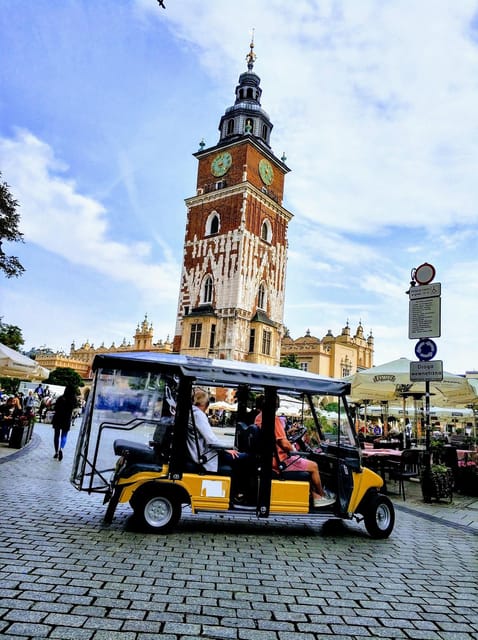
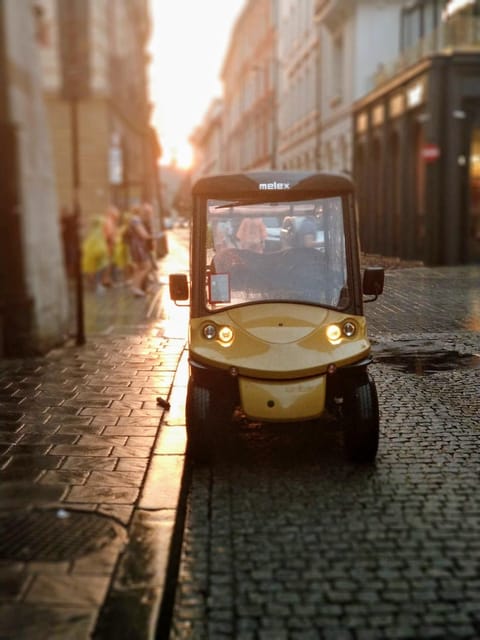
- Electric, eco-friendly cart rides for faster sighting in a historic neighborhood
- Heated vehicles to make the 90 minutes more comfortable
- Over 20 monuments across Kazimierz and ghetto-area locations
- Historic pharmacy Pod Orłem plus visible traces like a ghetto wall fragment
- Ghetto Heroes Square and its memorial focus
- Art stops (paintings and sculptures) and a chance to taste Polish cuisine on a lunch break (food not included)
Krakow’s Jewish Quarter and Ghetto by Golf Cart: A smart way to see a lot
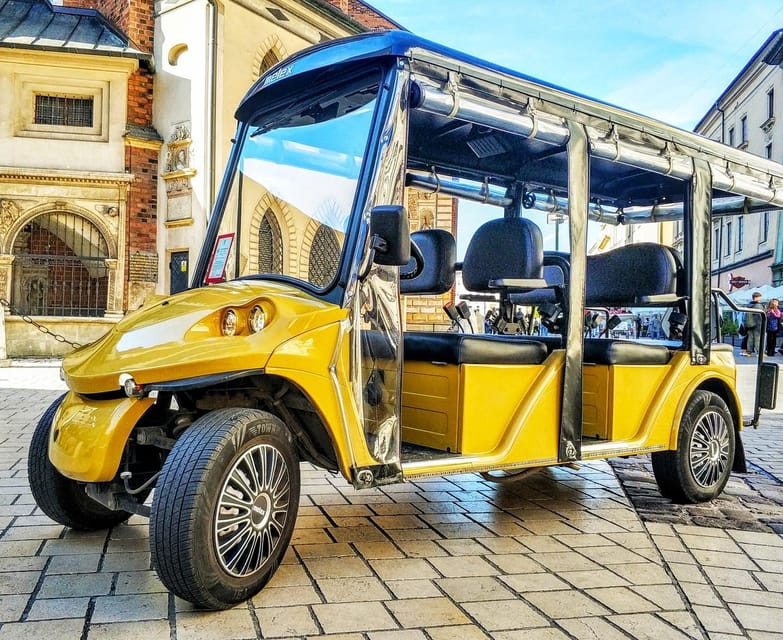
Kazimierz is the old Jewish Quarter of Krakow, and it still feels like a place with its own rhythm. You’ll tour it as part of a former separate city, with Christian and Jewish cultures woven into everyday streets and landmark spots. That “layered neighborhood” feeling is exactly what works well in a 90-minute format.
The cart matters. When you’re crisscrossing an area like this, time can evaporate fast if you’re walking every segment. An electric golf cart keeps you moving through the streets of Kazimierz, so you can actually reach the ghetto-related sites without turning the day into a marathon. And because the tour includes an audio guide, you can spend less time staring at maps and more time looking at what matters.
You’re also not just bouncing between plaques. The tour is designed around points of view, including art you can admire (paintings and sculptures) as you go. That helps you shift from “checklist sightseeing” to “understanding place.”
More Jewish quarter and heritage tours to compare:
- Krakow: Schindler’s Factory & Ghetto Guided Tour
★ 4.7 · 1,694 reviews - Krakow: Jewish Quarter and Former Ghetto Tour
★ 4.9 · 1,441 reviews - Krakow: Bike Tour of Old Town, Jewish Quarter and the Ghetto
★ 4.9 · 1,155 reviews
The 90 minutes: what it feels like and how to plan your day
This tour runs for 90 minutes, and it starts at the scheduled time. That means you’ll want to arrive early enough to park yourself, find your cart, and settle in before departure. The meeting point is Parking Kiss&Ride, in front of the Zabka store, at 2 Mikołaja Zyblikiewicza street. Look for a golf cart labeled excursions.city.
Because it’s a group tour, you should expect a steady pace. You’ll be listening, moving, and stopping in a way that fits multiple people at once, not a private stroll. That’s not bad, it’s just a different style than a slower, foot-only wander.
If you’re planning the rest of your Krakow day, think of this as a “get your bearings fast” experience. You’ll leave with a mental framework for Kazimierz and the WWII ghetto context, which makes it easier to choose what to visit more deeply later. If you only have one short window and want the big picture, this format is well suited.
Kazimierz streets and the “old city” feeling
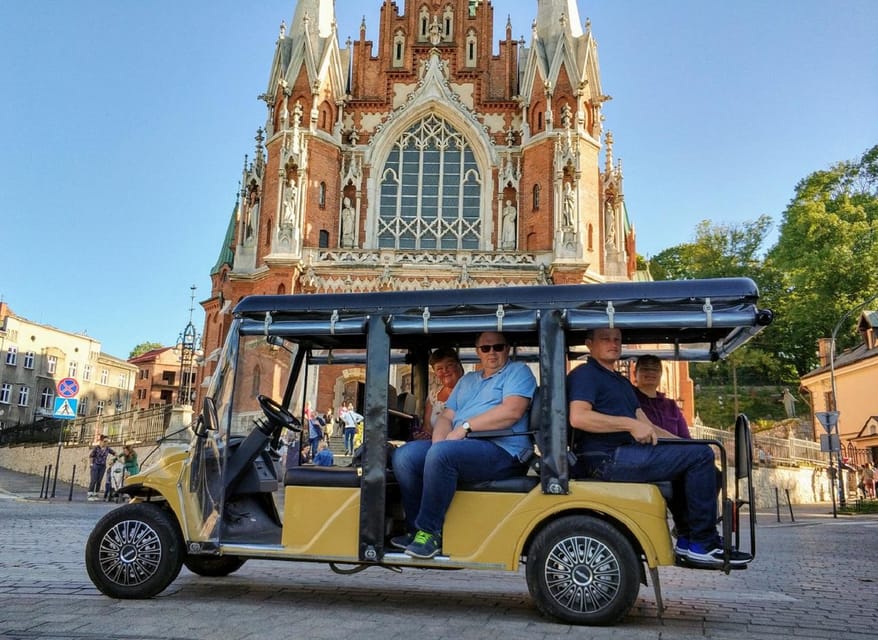
Kazimierz was once a separate city, and you’ll see that character in the streets and the way the neighborhood is organized. The tour focuses on more than one angle at a time: everyday neighborhood life, cultural coexistence, and later, the wartime disruption that changed everything.
You’ll ride along picturesque streets and learn about the history of its inhabitants. The tour also references over 20 monuments, so you’re not limited to a couple of famous spots. That matters because Kazimierz is not a theme park. It’s a neighborhood with real landmarks, real textures, and real places where history shows up in stone, in architecture, and in name.
One practical point: even though you’re on a cart, you’ll still need to stay alert during stops. You’ll be close enough to take in details like sculptures or the look of a historic building, but you’re not on a bus tour where you never get out of motion. Wear shoes you’re comfortable standing in, and keep your camera ready, but don’t run around the cart when the group is pausing.
Art stops: paintings and sculptures you can actually enjoy
The highlights mention admiring works of art, including paintings and sculptures. That’s an important clue about what the tour is trying to do. Instead of treating Kazimierz as only a historical worksheet, it uses art to help you read the neighborhood. When you pause to look at a sculpture or notice a painting, you’re training your eye for the visual storytelling that’s all around Krakow.
I like this approach because it keeps the pace from becoming purely explanatory. Even on an audio-guide tour, you can still make space for yourself to see. You’re not just collecting dates and names. You’re looking at objects that reflect local culture and how people interpret identity and memory.
If you’re someone who enjoys architecture and public art, you’ll probably find these stops more satisfying than a straight “top attractions” drive-by. And if you’re not an art person, these moments still help break up the heavier WWII content that comes later.
More electric buggy and golf-cart tours to compare:
- Krakow: City Sightseeing Tour by Electric Golf Cart
★ 4.5 · 3,264 reviews - Krakow: City Sightseeing Tour Eco Electric Buggy Golf Cart
★ 4.7 · 3,143 reviews - Krakow: Extended City Sightseeing Tour – Eco Buggy Golf Cart
★ 4.7 · 794 reviews - Krakow: Electric Car Sightseeing Tour
★ 4.4 · 450 reviews
Former Jewish ghetto traces: wall fragments, displaced homes, and Pod Orłem
The core of the experience is the journey from Kazimierz toward the former Jewish ghetto area. This is where the tour shifts tone, and it does it by pointing you to traces you can still recognize.
You’ll view remnants connected to the wartime period, including:
- a fragment of the ghetto wall
- houses where displaced Jews lived
- the historic pharmacy Pod Orłem
- the monument focus at Ghetto Heroes Square
That wall fragment is the kind of detail that hits harder in person than in photos, because it turns the idea of the ghetto from abstract to material. The same is true for the houses tied to displaced living. The tour design encourages you to connect the historical story to physical locations, which is exactly what helps comprehension.
Pod Orłem, the historic pharmacy, is a standout because it isn’t only about suffering or loss. It’s also about how daily life continued around institutions that people depended on. Seeing a specific place tied to ordinary needs adds realism. It helps you understand that the ghetto was not just a concept, it was a lived reality where people still had to navigate health, supplies, and routines.
A quick expectation-setting note. The tour is built around stops and audio commentary, so you should be prepared for “glimpse viewing” rather than a long, slow museum-style session. If you want extended time inside any particular site, plan to do that separately.
Ghetto Heroes Square: the memorial moment you shouldn’t rush
At Ghetto Heroes Square, the tour centers on a monument tied to the ghetto story. This is the moment where you’ll likely feel the weight of the entire route.
I recommend giving yourself a full few minutes here. Even if the group moves on quickly, you can still pause, take in the monument, and let the audio guide finish its points before you start looking for the next stop. In my view, memorial areas are the spots where you get the most from a structured tour, because they force a pace shift from “viewing” to “noticing.”
If you’re traveling with kids or teens, this is where it can help to talk beforehand about why the tour exists. The tour is respectful by design, but your own framing can make it easier for younger visitors to process what they’re seeing.
Heated cart, multilingual audio: comfort with a lot of language support
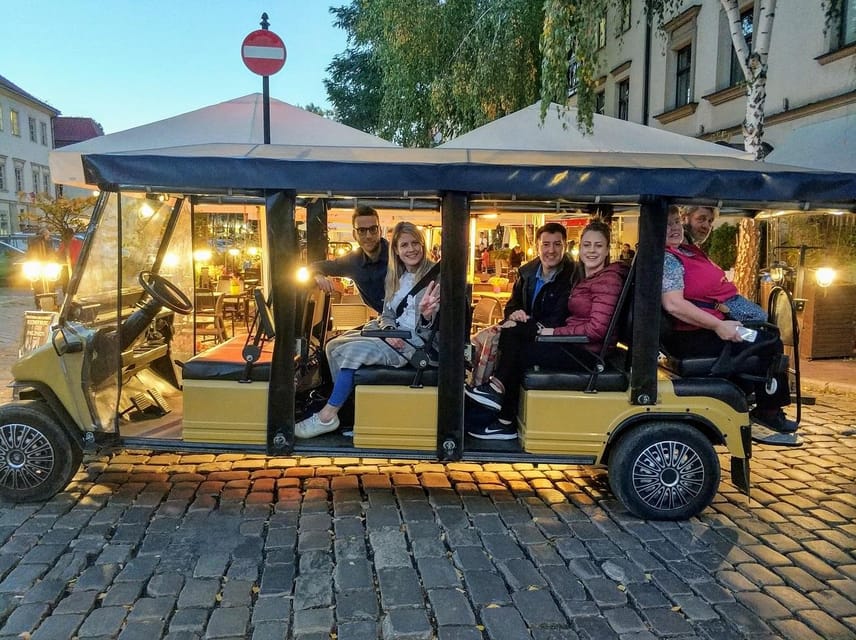
One of the smartest practical features is that the vehicles are heated and equipped with an audio guide. That means you’re not relying on cold weather comfort to keep going, and you’re not stuck reading tiny labels while standing in the wind.
The audio guide coverage is very broad. You can expect languages that include English, German, French, Spanish, Polish, Hebrew, Russian and other options listed in the tour materials. So no matter your language comfort, there’s a good chance you’ll hear commentary you can follow.
Also, the audio-guide format changes how you experience the city. Instead of a live guide talking over everyone, you hear the story from your seat. That can be a benefit if you like control, because you can focus, listen, and look at the sights at the same time. The downside is that it won’t answer your personal questions the way a live guide could.
Another small comfort factor: the cart transport is included, and you’re not paying extra for the “moving part” of the sightseeing. That keeps your overall budget predictable.
Price and value: why $34 can make sense for this route
At $34 per person for 90 minutes, you’re mostly paying for two things:
1) transportation by golf cart through Kazimierz and the ghetto-area viewpoints
2) a multilingual audio guide system for the route
Entrance tickets are not included. Food and drink are not included too. So the price is best seen as “paid sightseeing movement plus audio context,” not as an all-in museum package.
When this kind of route costs a bit, it’s often because it replaces a lot of walking time with guided structure. Here, that trade works in your favor. If you try to recreate this yourself by mixing transit, walking, and map reading under time pressure, you often spend more than you expect in effort and lost time. Even if the cart is not a private experience, the format can save you from the chaos of trying to cover everything on your own.
My advice: treat this as a “first chapter” tour. Pay for the big orientation and key sight markers. Then, if you want to go deeper, you can choose any entrance sites separately based on what you found most meaningful.
Who this tour fits best, and who might want a different option
This is a strong choice if you:
- want to cover Kazimierz and former ghetto-area sights in a short window
- prefer audio guidance and want to control your focus from the cart
- enjoy art in public spaces and want those stops included
- like efficient sightseeing that still makes room for looking
It might be less ideal if you:
- want a live guide who can respond to questions in real time
- need lots of time at one single stop, like a museum-style deep visit
- plan to carry luggage or large bags, since those are not allowed
Families can still consider it, especially since children 0-6 can ride free on their parent’s lap. That can make the tour easier to budget for younger kids, as long as the “group pace” works for your family.
Lunch and Polish food: what to expect when food is not included
The highlights mention a chance to taste traditional Polish cuisine during lunch. At the same time, food and drink are not included.
So here’s the practical way to handle it: expect there may be a lunch stop or scheduled break where you can grab something Polish. Budget extra for your meal. If you have dietary needs, plan ahead since the tour operator is not providing food as part of the price.
If your goal is sampling local food as a bonus, this tour can work well because the day already has a cultural focus. You get sights and context first, then food as part of the experience. Just don’t assume the meal is covered.
Should you book the Cracow Jewish Quarter and Ghetto Golf Cart Tour?
Book it if you want a time-smart, respectful introduction to Kazimierz and the former ghetto area, with transport and audio guidance included. The combination of a heated electric golf cart, multilingual listening, and clearly identified sites like Pod Orłem and the ghetto wall fragment makes the route feel practical, not scattered.
Skip it or consider another option if you want a live guide experience, or you’re hoping the price includes entrance tickets and meals. This tour is built for orientation and key stops, not for long museum sessions.
My final take: if your Krakow schedule is tight, this is one of the best ways to get the story straight and still have moments to see art and architecture, without exhausting yourself.
FAQ
How long is the Krakow Jewish Quarter and Ghetto golf cart tour?
The duration is 90 minutes.
What is included in the tour price?
Transport by golf cart and a multilingual audio guide are included.
Are entrance tickets included?
No, entrance tickets are not included.
Where is the meeting point for the tour?
Meet at Parking Kiss&Ride (2 Mikołaja Zyblikiewicza street) in front of the Zabka store. Look for a golf cart labeled excursions.city.
Is food or drink included?
Food and drink are not included.
Are luggage or large bags allowed?
No, luggage or large bags are not allowed.
Does the tour use a group format and start on time?
Yes, it is a group tour, and it starts at the specified time, so you should arrive on time.
What languages are available on the audio guide?
The audio guide includes many languages such as English, Polish, Hebrew, German, French, Spanish, Portuguese, Italian, Ukrainian, Swedish, and more listed in the tour materials.
Recently reviewed around Krakow
- Krakow: City Golf Cart Tour and Schindler’s Factory Museum★ 5.0 · 4 reviews
- Krakow: City Sightseeing Tour by Shared or Private Golf Cart★ 4.4 · 21 reviews
- Kraków: Romantic Candlelight Chopin Piano Concert★ 4.9 · 8 reviews
- From Krakow: Chocholow Hot Springs Evening or Daytime Ticket★ 4.7 · 72 reviews
- Krakow beer review with a local guide★ 5.0 · 4 reviews
- From Krakow: Zakopane, Tatra Mountains & Thermal Baths Tour★ 4.9 · 52 reviews
- Kraków: VIP Candlelight Concert The Music of Fryderyk Chopin★ 4.8 · 8 reviews
- Krakow: Bottomless Brunch with 3-Course Meal and Drinks★ 3.8 · 30 reviews