
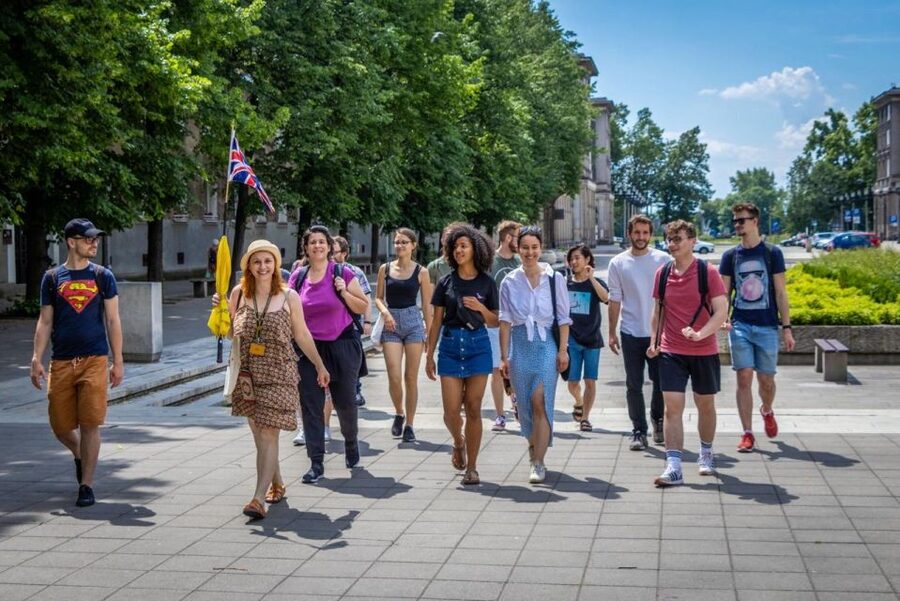
Reviewed · COMMUNISM & NOWA HUTA TOURS
Communist Krakow – Nowa Huta Walking Tour in English
This experience is interesting because it takes you to Nowa Huta, a planned “New Steelworks” district that shows how communist power shaped everyday space. I love the way the tour connects big political stories to real neighborhoods and daily routines. I also like the emphasis on architecture, especially the Ark of Lord church, where faith was openly pressured but not erased. One thing to consider: the tour is history-heavy, so if you want only quick site stops and no context, you may feel the pace is more talk than walk.
You’ll spend about 150 minutes moving through the parts of Nowa Huta that were designed to symbolize socialism. You also get a guide-led narrative, not just a self-guided wander, which helps you read what you’re seeing. In the best moments, your guide makes the buildings and monuments feel like living symbols, not museum objects.
The drawback is practical, not dramatic. This is a walking tour, so comfortable shoes matter, and the conversation style can be broader political context plus local detail depending on the guide and the day’s group.
Key highlights you should not rush
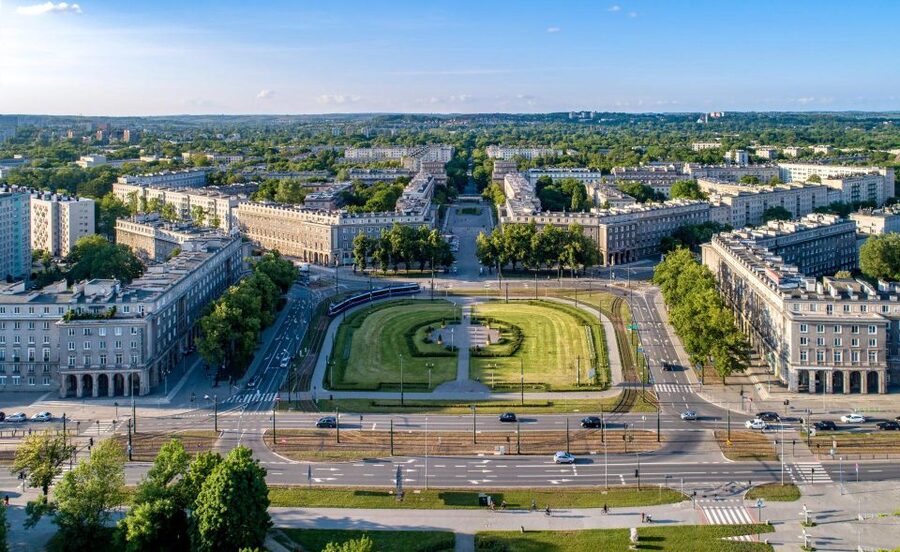
- Monumental Central Square and the planned city center, designed to project ideology
- Avenue of Roses, a surprisingly human-feeling street inside an overall rigid plan
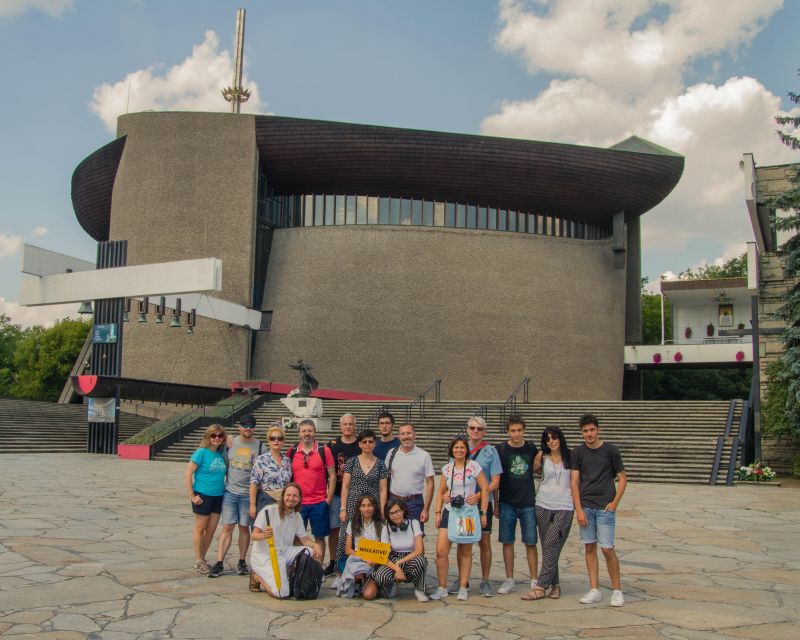
- Ark of Lord church, known for standout architecture and resistance linked to Catholic workers
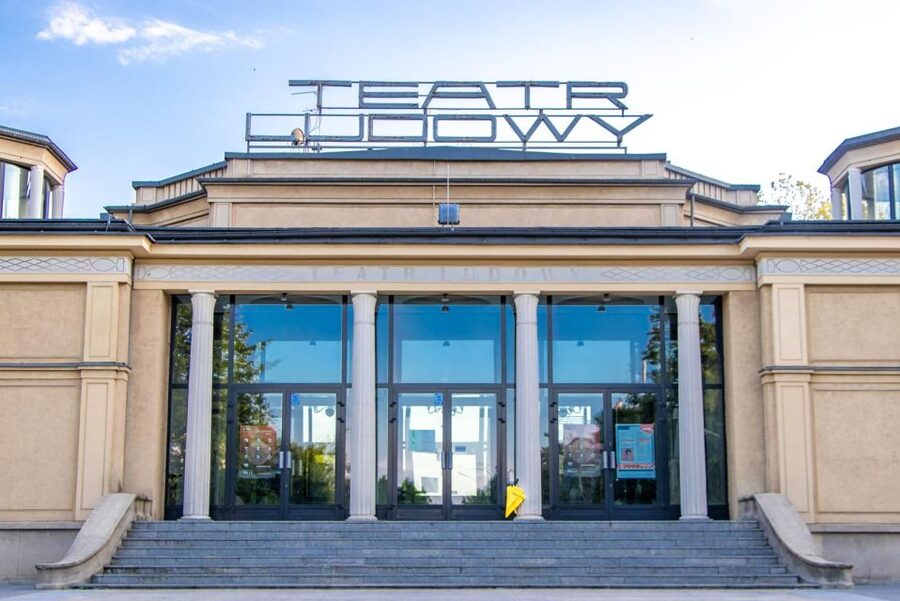
- Nowa Huta Cultural Centre, a key cultural stop tied to the district’s public life
- English storytelling with a local guide, built around one clear narrative arc
Why Nowa Huta feels like a real alternative to Krakow Old Town
Most first-timers in Krakow spend their limited time in the medieval core, and that’s fair. But Nowa Huta is a different kind of lesson. It’s not about royal families and cobblestones. It’s about post-World War II industrial ambition, political engineering, and the lived reality of people who had to make a life under pressure.
The heart of the story is the meaning of the name Nowa Huta. It literally points to “New Steelworks,” and the district was designed around heavy industry as part of a socialist-era experiment. In plain terms, the city plan was meant to produce a certain kind of citizen: organized, productive, and visibly aligned. That is why you’ll hear the same buildings described as both infrastructure and propaganda tools.
What I appreciate is that the tour does not treat Nowa Huta as a dead exhibit. You get a sense of what remains of that era, what changed, and what the neighborhood is today. The experience is especially appealing if you like architecture with context, not architecture as scenery.
More Nowa Huta and communist-era tours to compare:
- Krakow: Nowa Huta Guided Tour in Vintage Car
★ 4.9 · 277 reviews - Legendary Private Nowa Huta Communism Tour with Crazy Guides
★ 5.0 · 262 reviews - Nowa Huta: Steelworks Administration Buildings/Shelters Tour
★ 4.9 · 160 reviews
Entering the planned city: Central Square, the Avenue of Roses, and the big message
The tour’s structure takes you through representative parts of Nowa Huta that show how communist urban design aimed at control, identity, and rhythm. You start by orienting yourself in the district’s logic. The sites are not random. They’re positioned like chapters.
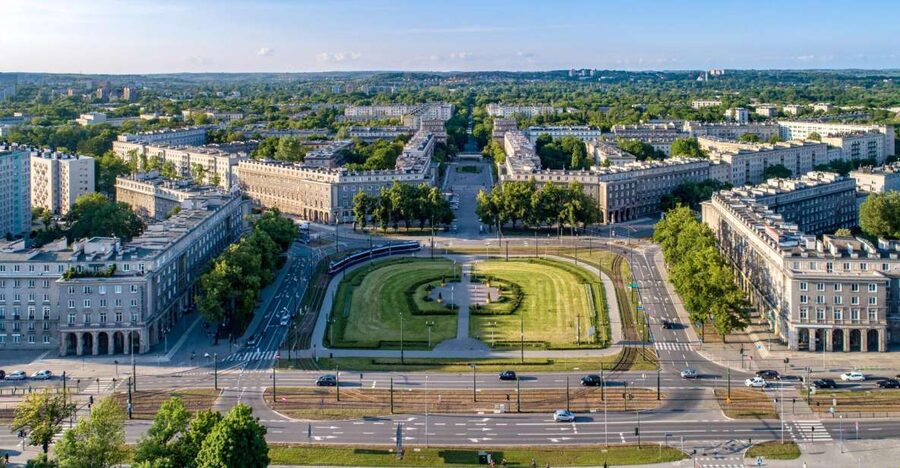
One stop that matters is the Monumental Central Square. It’s the kind of space that makes you understand why grand public areas were part of ideology. Wide-open sightlines, strong geometry, and a focus on communal scale are a reminder that leaders wanted people to gather, watch, and belong to a system bigger than themselves.
From there, you move along the Avenue of Roses. This is where the district surprises you. A street named for flowers can sound like the soft side of a hard plan, and walking it helps you see the contrast between propaganda-style planning and human-scale everyday life. Even if you’re not a “rose person,” the street name is a clue that the planners were trying to craft an environment that felt attractive and orderly, not just functional.
If you’re the type who enjoys reading a place as a system, this part is the payoff. You start noticing how the district’s layout guides movement, creates visibility, and supports the story the city was designed to tell.
The workers’ struggle story, without making it feel like a lecture
The tour highlights the heroic struggle of Polish workers. That framing changes the tone. Instead of treating communism like a distant political headline, you hear it through human pressure: factories, livelihoods, and the clash between state goals and ordinary needs.
In many Krakow history tours, communism gets summarized in a few minutes and then the route moves on. Here, the narrative stays anchored in why the district mattered during the communist period. The “New Steelworks” idea was not just about steel. It was also about demonstrating that the system could rebuild society quickly and dramatically.
One of the most praised parts of this experience is how guides shape that story. People describe guides like Jakob as strong storytellers who build a clear picture of Poland’s history, and others such as Ania, Chris, and Damian as both engaging and balanced. There’s also a consistent theme that guides keep an eye on the group’s wellbeing, which matters more than you’d think on a 150-minute walk.
A practical note: one guide might lean harder into general context about the era, while another may keep returning to specifics of Nowa Huta. If you prefer only local, you may want to ask your guide early in the tour to point out what is unique to Nowa Huta rather than the broader political background.
The Ark of Lord church: architecture with a moral edge
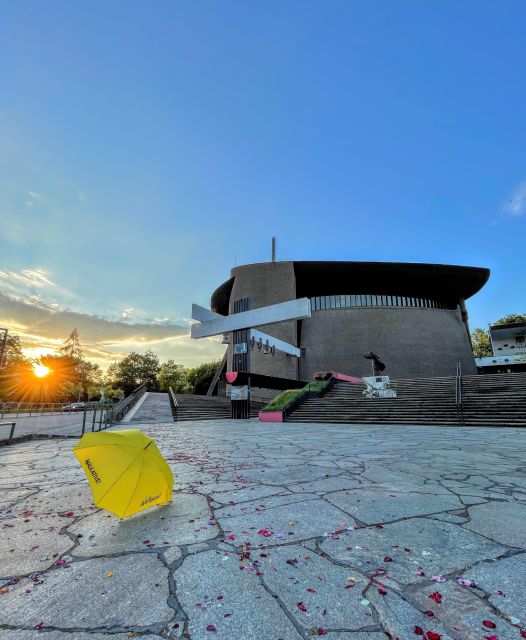
The standout spiritual stop on this walking tour is the Ark of Lord church. It’s not described as simply beautiful. It’s presented as architecturally unique, and also as a symbol of spiritual resistance tied to Catholic workers against the communist party.
Even if you don’t know a lot about Polish church history, you’ll likely understand the idea quickly when you stand in front of it. Under communism, religion often faced pressure and limits. So a church like this can become more than a building. It becomes a visible boundary line. Faith persists, even when the state tries to shrink its public role.
Architectural design also helps you read what you’re seeing. The Ark of Lord is known for being different in form, and that physical difference supports the symbolism. You’re not only looking at stone and design. You’re being guided to interpret why that design mattered to people living through the period.
If you’re drawn to places where architecture reflects conflict and identity, this part is worth the whole afternoon. It’s the moment where the tour’s political story and its human story connect most clearly.
More walking tours in Krakow:
- Old Town Krakow & Wawel Castle Walking Tour
★ 5.0 · 1,508 reviews - Creepy Krakow: 2-Hour City Walking Tour
★ 4.7 · 1,131 reviews - Krakow: The Old Town Walking Tour
★ 4.8 · 794 reviews - Krakow: Kazimierz Jewish Quarter Walking Tour
★ 4.8 · 571 reviews
Nowa Huta Cultural Centre and the rhythm of public life
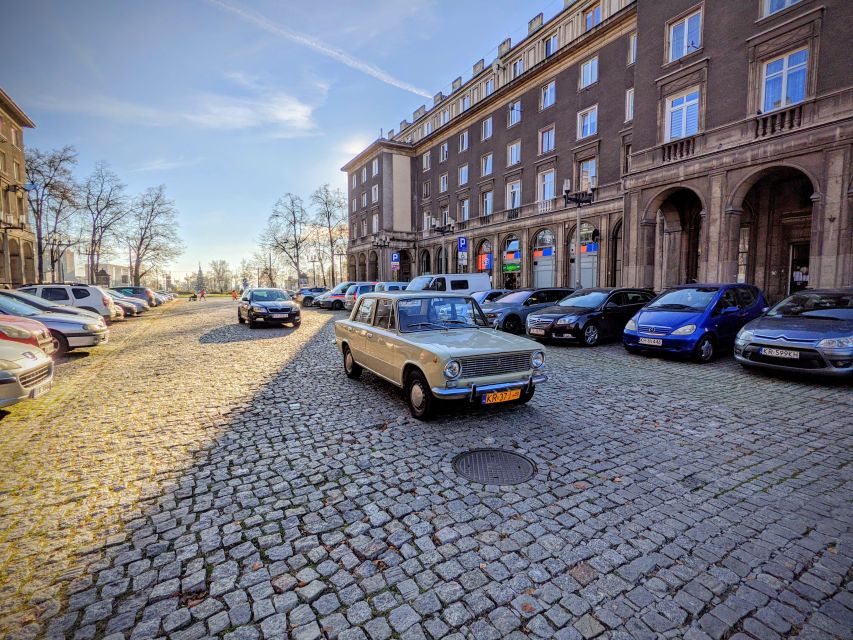
The route includes the Nowa Huta Cultural Centre, a stop that helps you shift from monuments to civic life. Cultural centres were often treated as official channels for education, entertainment, and approved public messaging. But even after political systems change, these buildings tend to keep serving community needs.
That’s why I like including this stop. It helps you understand the district as lived-in space. You can see how public institutions were used, then you can also notice how the neighborhood continues after the communist era.
This is also where you may feel the tour’s final theme: the transformation of Nowa Huta from an experiment tied to dictatorship and propaganda into a district with its own everyday energy. Some guides bring in personal perspective from having grown up in the area, which turns the Cultural Centre and surrounding streets into something more than a photo-op background.
What you should expect during the 150-minute walk
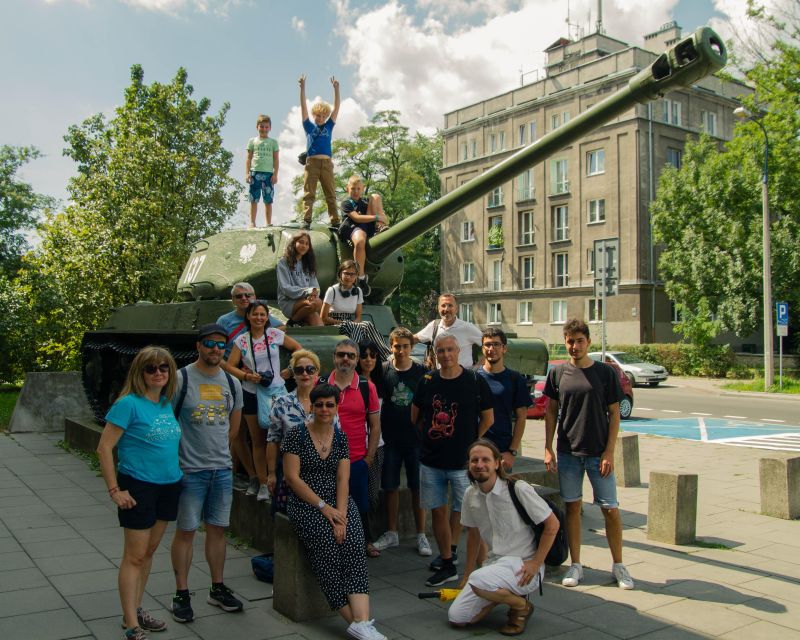
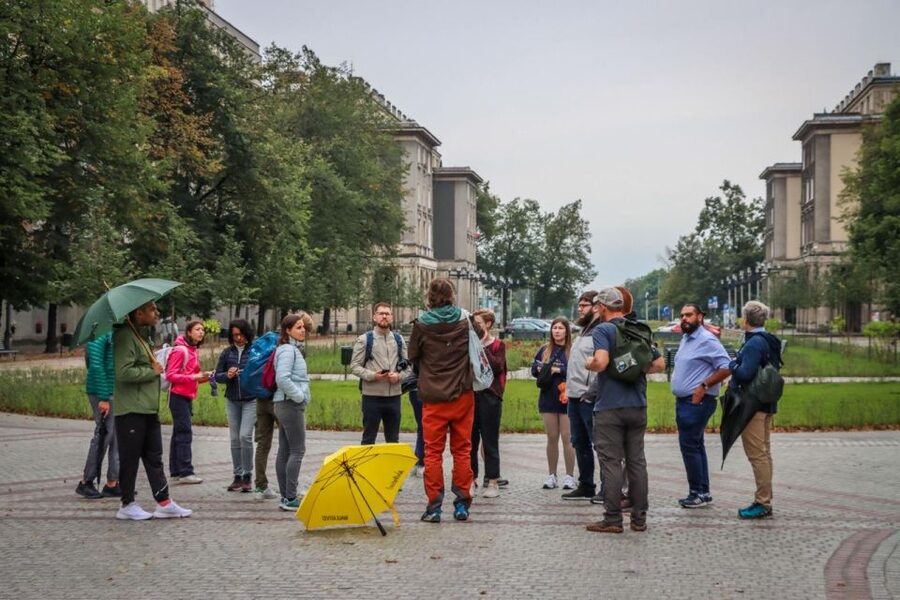
This tour runs for 150 minutes, and it is led in English by an expert local guide. The pacing usually works best if you’re ready to listen and walk at the same time. You’re not just collecting facts. You’re building a narrative map of why Nowa Huta exists and why its design choices were so loaded.
The route includes storytelling and history built as one constructed arc: creation of the district, its meaning during communism, then how things shifted into the neighborhood you can visit today. Because it’s narrative-driven, you’ll often understand what you see right as you see it. That’s a big advantage over wandering on your own and hoping you interpret the clues correctly.
In terms of comfort, treat it like a real sightseeing walk. Wear shoes that handle uneven pavement and plan for some standing around at key points. If you get tired easily, ask your guide to pause. The tour is designed with group wellbeing in mind, and guides have a track record of adjusting to their group.
Price and value: what $26 gets you in practice
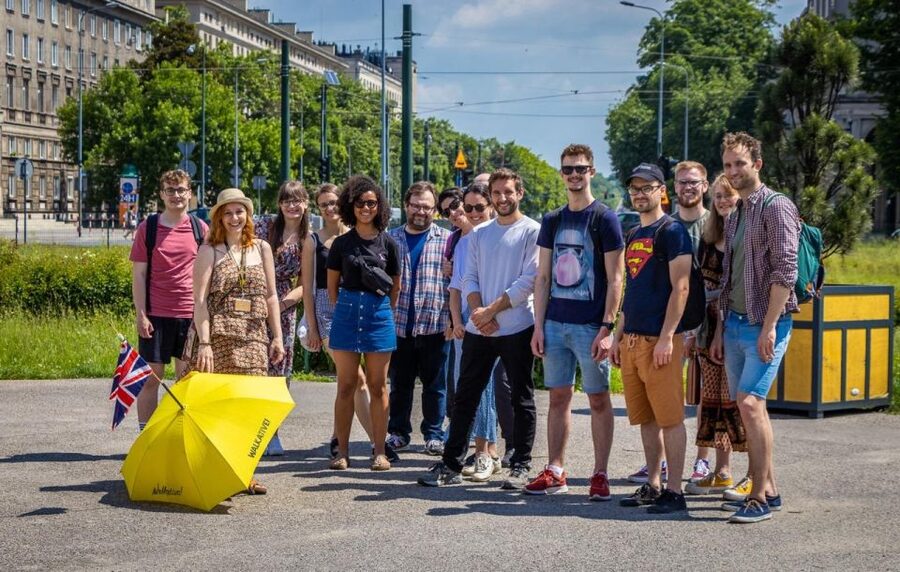
At $26 per person for about 150 minutes, this is one of those tours that can feel like good value if you’re the kind of traveler who hates “drive-by sightseeing.”
Here’s what you’re buying for the money. You’re paying for an English-speaking guide plus a constructed narrative that links architecture to political history and worker experiences. The inclusion list is simple: expert local guide and storytelling structure. That means you should show up with the right expectations. Bring your questions. Use the guide’s context to turn what could be just buildings into meaning.
One key detail to understand: by booking you join a general pay as you wish style format. Your payment covers a reservation fee and the guide’s payment. If you want a smaller private tour, you can ask the provider to organize one. That flexibility can matter if you’re traveling with friends and want more room for questions.
Also note: there’s no hotel pickup or drop-off. So you’ll want to get to the meeting point and start on time. There are no snacks included either, so plan a quick meal before or after unless you know you’ll be fine on the walk.
Who this tour suits best, and who might want a different plan
This is a strong match if you like:
- Architecture with meaning, not just architecture as background
- History that centers workers and how power affects daily life
- A calmer pace than the medieval core, with a district that feels less staged
It may be less ideal if you:
- Want a quick hits tour where you mostly take photos and move on
- Prefer very local anecdotes only, with minimal broader context
- Do not enjoy guided storytelling during a long walk
There’s another reason I think it works well for many people: it changes your Krakow experience without feeling like a detour. You get the contrast. You see what “city planning as ideology” looks like in person.
Tips to get the most out of the Ark, squares, and streets
If you want to walk away with real understanding, do these simple things:
- Arrive a bit early. It helps you start with context instead of rushing.
- Listen for the pattern. The guide is connecting locations to a single narrative about creation, propaganda, resistance, and transformation.
- Pay attention to the space. In places like Central Square, the scale is part of the story.
Also, if your guide offers a more general framing at first, don’t worry. That groundwork is often what makes the Ark of Lord symbolism and the district’s public spaces click.
Should you book Communist Krakow, Nowa Huta walking tour?
Yes, if you want Krakow beyond the old town bubble. This tour is a smart way to spend 150 minutes seeing one of the only still-existing ideal communist cities anywhere in the world, while also learning the worker-focused struggle that sits underneath the architecture.
I’d book it if you care about the human side of ideology. The Ark of Lord stop alone makes it stand out. And the best sessions, led by guides such as Jakob, Ania, Chris, Damian, and Maciek, are praised for storytelling, balancing serious and lighter moments, and making sure the tour works for the group.
Skip it or choose a different format if you want minimal talking or only highly specific Nowa Huta micro-stories. You can still enjoy the district on your own, but you would miss the interpretation that ties the sites together.
FAQ
How long is the Nowa Huta walking tour?
The tour duration is 150 minutes.
What language is the tour in?
The tour is available in English.
Is the tour wheelchair accessible?
Yes, the tour is wheelchair accessible.
Where do I need to meet and when should I arrive?
Please arrive at the meeting point 10 minutes before the activity starts.
What is included in the ticket price?
It includes an expert local tour guide and a thoroughly constructed narrative with history and storytelling.
What is not included?
Hotel pickup and drop-off are not included, and snacks are also not included.
Is there free cancellation?
Yes. You can cancel up to 24 hours in advance for a full refund.
Is hotel pickup available?
No, the tour does not include hotel pickup and drop-off.
How does the pay as you wish part work?
Booking joins a general pay as you wish tour format. The amount you pay covers the reservation fee and the guide’s payment, and if you want a smaller private tour you can ask to have it organized.
Recently reviewed around Krakow
- Krakow: City Golf Cart Tour and Schindler’s Factory Museum★ 5.0 · 4 reviews
- Krakow: City Sightseeing Tour by Shared or Private Golf Cart★ 4.4 · 21 reviews
- Krakow beer review with a local guide★ 5.0 · 4 reviews
- Kraków: Romantic Candlelight Chopin Piano Concert★ 4.9 · 8 reviews
- From Krakow: Chocholow Hot Springs Evening or Daytime Ticket★ 4.7 · 72 reviews
- From Krakow: Zakopane, Tatra Mountains & Thermal Baths Tour★ 4.9 · 52 reviews
- Kraków: VIP Candlelight Concert The Music of Fryderyk Chopin★ 4.8 · 8 reviews
- Krakow: Bottomless Brunch with 3-Course Meal and Drinks★ 3.8 · 30 reviews