
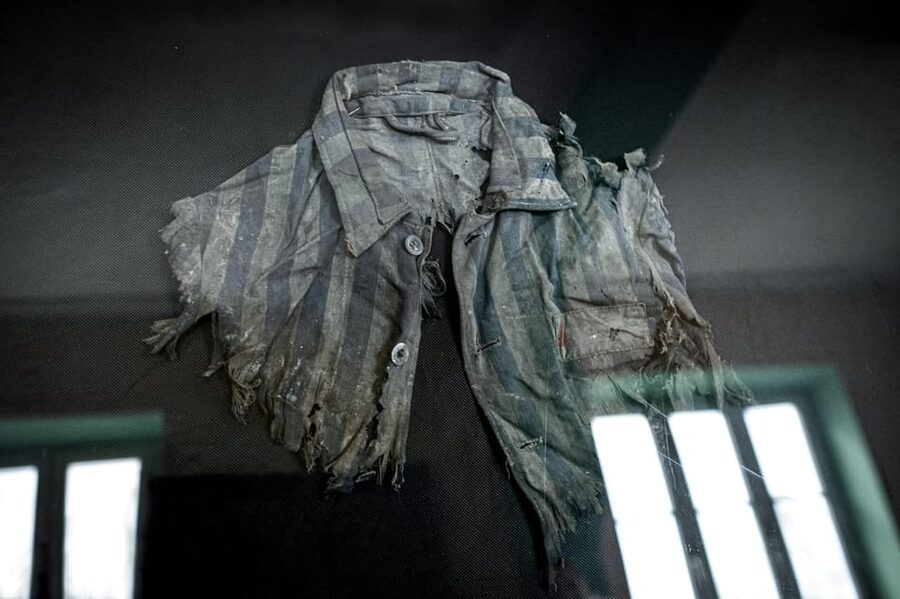
Reviewed · AUSCHWITZ-BIRKENAU MEMORIAL VISITS
Auschwitz Subcamps from Krakow
This Auschwitz subcamps day trip from Krakow is interesting because it shifts your focus away from the best-known museum routes and toward the outlying camp areas that made the Nazi system run. You’ll spend your time where many visitors never linger, with stops tied to the camp’s logistics, labor, and control. Auschwitz subcamps are often talked about in theory, but here you see the places themselves.
Two things I really like about this tour are the guided stop at Judenrampe and the visit to camp-related sites such as the SS Canteen. The guide also covers the general history of Auschwitz-Birkenau, which helps you connect what you’re seeing to the bigger system.
The main drawback to consider is scope. You will not visit Auschwitz I or Auschwitz II on this program, and with the time limits the day can feel tight for the price you pay. Not seeing Auschwitz I or II is the big decision point.
Key points before you go
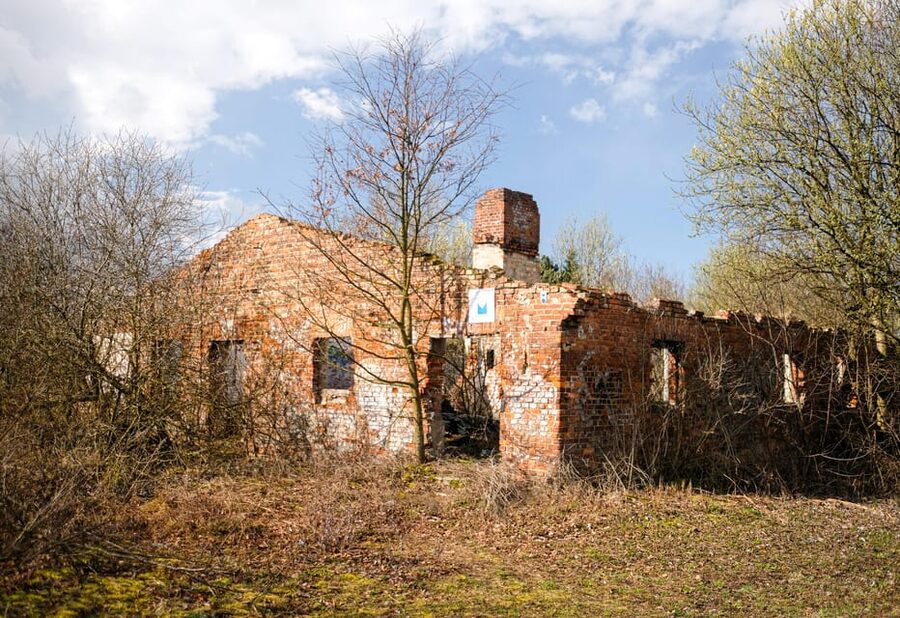
- Judenrampe focus: you get guided time at the arrival ramp, centered on how people were processed
- Multiple subcamp sites: you visit places tied to storage, daily camp life, and specific labor areas
- Monowitz included: the Auschwitz III (Monowitz) area and exhibitions are part of the itinerary
- Fast day, limited viewing time: it’s structured for an efficient route, so the pacing matters
- Admission to subcamps is included, not Auschwitz Birkenau Museum: plan for what you do and do not get
- English live guide with private transport: comfortable bus from Krakow and express security screening
Auschwitz subcamps from Krakow, what you’re really signing up for
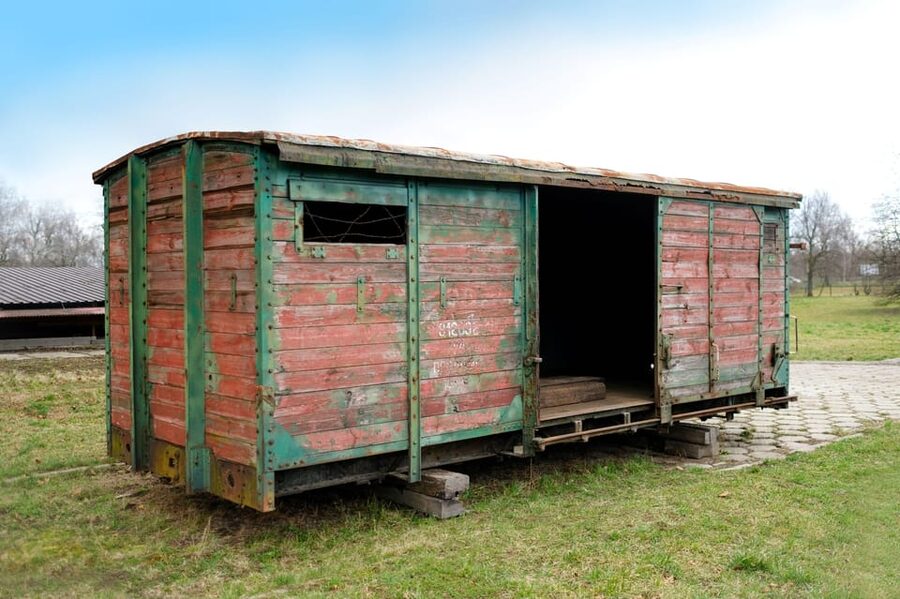
If your Auschwitz visit plan usually equals Auschwitz I and Auschwitz II, this tour will feel like a different chapter. Instead of concentrating on the main memorial complex, you go to Auschwitz subcamps around the wider system, the places built for forced labor and the practical machinery of the regime. That shift matters.
The tour also gives you a guided thread through the day. You start with general context about Auschwitz-Birkenau, then you move into specific sites linked to processing, storage, camp services, and labor. Even when you’re standing in silence, the guide’s framing helps you understand what each location was used for.
One important reality check: this program is not a substitute for Auschwitz I and II museum admission. If you want the standard must-see routes, you’ll need a different day trip or add-on plans. This tour is for people who specifically want the subcamp story.
More Auschwitz-Birkenau memorial visits from Krakow:
- From Krakow: Auschwitz-Birkenau Guided Tour & Hotel Pickup
★ 4.5 · 33,358 reviews - From Krakow: Auschwitz-Birkenau Guided Tour & Hotel Pickup
★ 4.5 · 29,340 reviews - Krakow: Auschwitz Guided Tour with Optional Hotel Pickup
★ 4.5 · 15,280 reviews
Meeting at Straszewskiego 14, and how the day runs on the clock
The day starts with pickup at Floriana Straszewskiego 14, at the K+R bus bay next to Hotel Maltański. Arrive about 15 minutes early so you can find your group and get through any pre-departure steps smoothly.
You’re looking at roughly 7 to 8 hours total, with bus time on both ends and a guided portion totaling about 3.5 hours. There is a break built into the schedule, but lunch is not included, so come prepared with a snack plan or money for your own food.
The bus ride from Krakow is part of the experience’s rhythm. You’ll have about 75 minutes by coach early in the day, then more driving on the return, around 105 minutes. That means the on-site stops need to be efficient, and you should mentally prepare for guided visits rather than leisurely wandering.
The Auschwitz-Birkenau context you get before the subcamps
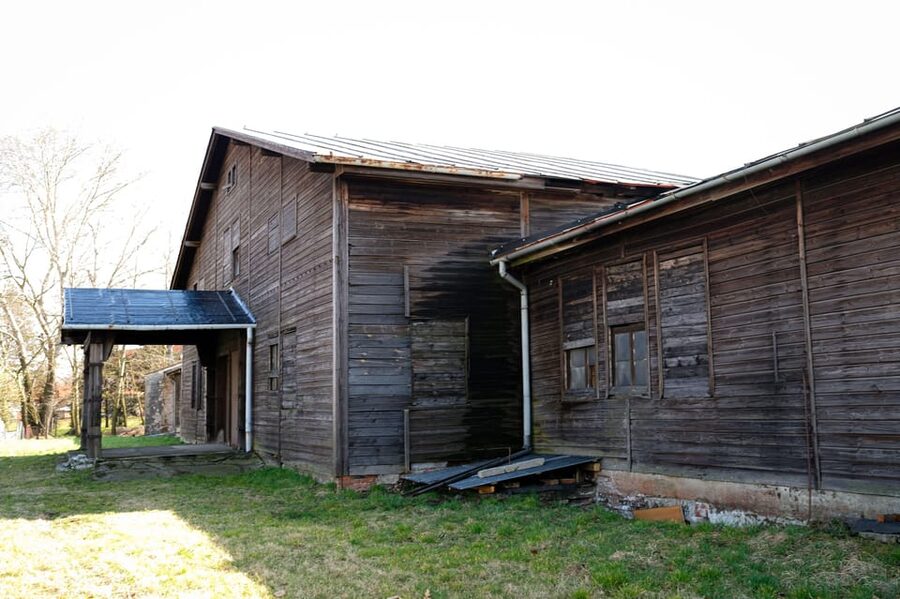
This tour doesn’t throw you into the outlying sites without context. You’ll receive the general history of Auschwitz-Birkenau as part of the guided structure.
That matters because the subcamps weren’t random satellite locations. They were part of the Nazi concentration camp system operating during World War II, set up for economic, industrial, and strategic purposes. Forced labor wasn’t just an outcome, it was the plan.
In practice, having that framing helps you see the subcamps as part of a functioning system, not as isolated ruins. You’ll be more likely to connect what you notice on the ground to what the guide explains in plain terms.
Stop 1 at Judenrampe, arrival and processing made visible
The highlight start is your guided visit to Judenrampe, also referred to as the arrival ramp. You’ll have about 30 minutes here with a guide.
This stop is powerful because it centers on the first moments of confinement and control, before the system distributes people into different pathways. Even if you’ve read about Auschwitz before, seeing the arrival concept through a guided walkthrough can make the history feel more concrete.
You’ll want to use that half hour intentionally. Wear comfortable shoes, keep your focus, and let the guide’s explanation do the heavy lifting. The time is fixed, so you’ll get the most out of it by staying close and listening rather than trying to read every detail on your own at the same pace.
Another way to spend a day around Krakow:
- Krakow–Zakopane: Cable Car, Chocholow Baths, Cheese & Vodka
★ 5.0 · 10,720 reviews - Krakow: Auschwitz-Birkenau Guided Tour with Pickup & Lunch
★ 4.5 · 9,800 reviews - From Krakow: Wieliczka Salt Mine Tour
★ 4.6 · 9,393 reviews - Krakow: Auschwitz-Birkenau Guided Tour Pickup/Lunch Options
★ 4.5 · 9,057 reviews
The in-between guided hour, where daily camp life takes center stage
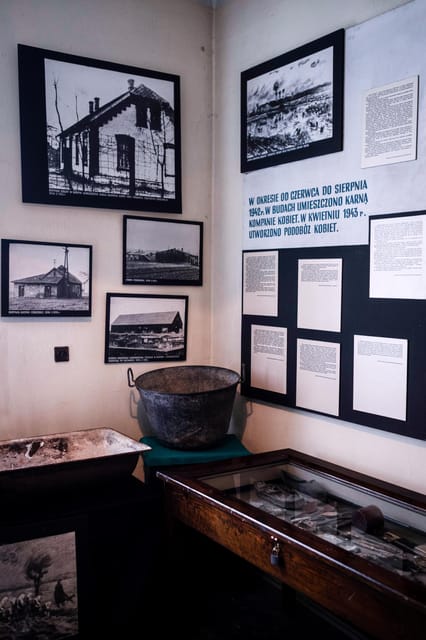
After Judenrampe, the itinerary includes another guided segment of about 1 hour. During this portion, you visit key subcamp-linked locations such as the SS Canteen and the Potatoes and Cabbage Warehouse, plus the Subcamps Exhibition.
This part of the tour is where you see how the camp system functioned on a practical level. The SS Canteen is not just a building, it’s a clue about who ate well and who didn’t, and how the infrastructure served the perpetrators’ daily routines.
The Potatoes and Cabbage Warehouse points to the logic of provisioning and storage. Again, it’s not about food in a normal sense. It’s about how supplies and labor were organized to keep the machine running.
If you’re the type who likes to connect moral outrage to concrete systems, this hour can be a strong payoff. If you want lots of time at each spot to absorb every structure, the compressed schedule may feel like a compromise.
Auschwitz III Monowitz (Oswiecim), the industrial camp story
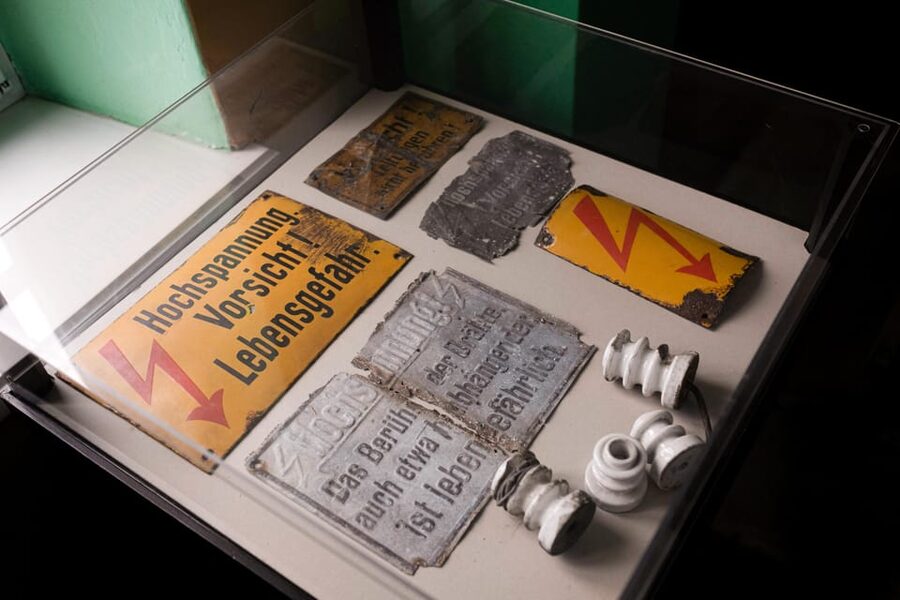
The next major stop is Auschwitz III (Monowitz) in Oswiecim, with about 1 hour for guided touring. You’ll visit the Auschwitz III Monowitz Exhibition during this segment.
Monowitz is where the “industrial and economic purposes” idea becomes more than a phrase. This is the part of the Auschwitz story that links forced labor to production and work demands. The guide’s explanations aim to show how subcamps fed the larger system.
This stop is often the most helpful for understanding why Auschwitz subcamps existed beyond the main camp sites. The goal was not only imprisonment. It was exploitation at scale.
You’ll likely feel the weight of the site in a different way here. Rather than focusing only on arrival and containment, Monowitz brings you closer to the labor logic and the infrastructure behind it. If the guide does a good job, this hour can pull the entire day together.
Women Subcamp Bor-Budy, why it’s included
The tour also includes a visit to the Women Subcamp Bor-Budy. That’s an important inclusion because it signals that the system affected different groups in different ways.
You might find that the guide’s framing helps you understand how gender-specific camp spaces were part of the overall operation. This isn’t just about adding another location. It supports a more complete picture of how the subcamp network worked across different prisoner categories.
Because the itinerary is time-limited, this is not a slow, standalone deep visit. Still, having Bor-Budy on the route gives you a chance to connect Auschwitz’s broader narrative to how the subcamp system organized people.
How much of Auschwitz you see, and what you miss on purpose
Here’s the clearest decision point before you book: this program does not include admission to Auschwitz-Birkenau Museum, and it does not visit Auschwitz I or Auschwitz II.
That’s not a small detail. If you’re doing Auschwitz for the first time and you want the best-known memorial routes, this tour may leave you feeling like you only got part of the picture.
On the other hand, if you specifically want the subcamp story, the outlying sites, and the industrial and provisioning aspects of the system, then you’ll appreciate the focus. It’s built around Judenrampe, SS camp-related spaces like the canteen and warehouses, and the Monowitz area.
So the right fit depends on your goal. Want the headline Auschwitz landmarks? This may not be the best match. Want a subcamp-centered interpretation? It can be a smart choice.
The guide and logistics, what “skip the line” really means here
The tour includes an English live tour guide. It also includes entrance tickets to the Auschwitz subcamps.
You’ll also have an express security check designed to help you get moving faster. That’s useful on a day trip because it reduces the time lost to bottlenecks before the tour even begins.
Transport is provided from Krakow in a comfortable private bus, which matters if you want less hassle on the day. You don’t have to figure out timing for buses, transfers, or where to queue. You simply show up at the meeting point and follow the schedule.
One thing to keep your expectations aligned: this is a structured route. It’s not built for long independent time inside each site. If your ideal museum day involves slow reading and unhurried pacing, you might prefer a less time-crunched option.
Price and value: where $99 can feel fair, or not
The price listed is $99 per person. That can sound reasonable only if the tour’s focus matches what you want. You are paying for guided time at multiple subcamp sites plus private bus transport from Krakow, plus included tickets for the subcamp access.
But the pacing matters here. The schedule covers several sites in an 8-hour day, and guided stops are time-boxed. If you come in expecting lots of time at each location, you may feel rushed.
There’s also the scope issue again. Because you don’t visit Auschwitz I or II on this program, you are paying for the subcamps specifically, not for the standard memorial complex experience. If those main sites are what you’re most curious about, $99 might feel high for what’s included.
My practical advice is simple: decide first what you want to see, then judge the price. This tour is strongest when you care about the subcamps themselves and want guided interpretation rather than solo wandering.
Practical tips so you get the most from a heavy day
This isn’t the kind of tour where you can wing it with flimsy shoes and a short attention span. The right preparation makes a big difference.
- Wear comfortable shoes and clothes suited for weather, because you’ll spend time walking outdoors and moving between sites.
- Bring your ID or passport. You’ll need a valid ID for check-in.
- Plan for no lunch included. There is a break, but meals are not part of the package, so have a snack plan.
- Respect the rules: alcohol and drugs are not allowed, and no alcoholic drinks are allowed in the vehicle.
- Arrive early. Being on time helps the entire group start smoothly.
Also, consider your mindset. This is a history visit tied to suffering and cruelty. You’ll likely absorb more if you let the guide’s structure guide you, rather than trying to cram in extra reading or speed up your own pace.
Who should book Auschwitz subcamps from Krakow
This tour is a good fit for you if:
- You already know you want the subcamp story, not only the best-known memorial routes
- You like guided context that explains how parts of the camp system connected
- You prefer organized transportation from Krakow and a set itinerary
It may not be the best fit if:
- You’re doing Auschwitz for the first time and want Auschwitz I and II included in your day
- You dislike tight schedules and limited stop times
- You need a lot of unscheduled time for independent memorial reading
Should you book this Auschwitz subcamps tour?
Book it if your goal is specifically Auschwitz subcamps, and you want guided stops at Judenrampe, Monowitz, and other subcamp-linked locations like the SS Canteen and storage sites. The private bus and included subcamp access also make the logistics easier.
Skip or reconsider if you want the standard Auschwitz I and Auschwitz II memorial experience within the same day, because this program does not include those areas and does not include Auschwitz-Birkenau Museum admission. In that case, your money is better spent on a tour that covers the main memorial sites, or you should pair this idea with a separate Auschwitz I and II plan.
If you’re clear about your priorities, this tour can be a meaningful way to see the system’s wider footprint, not just its most famous faces.
FAQ
How long is the Auschwitz subcamps tour from Krakow?
The total duration is about 8 hours, with the guided portion lasting around 3.5 hours plus bus transfers and a break.
Where do we meet in Krakow?
You meet at Floriana Straszewskiego 14, at the K+R bus bay next to Hotel Maltański.
What Auschwitz subcamp sites does the tour include?
The included visits include Judenrampe, the Potatoes and Cabbage Warehouse, the Auschwitz III Monowitz Exhibition, the SS Canteen, and the Women Subcamp Bor-Budy. The tour also includes a Subcamps Exhibition as part of the day.
Is Auschwitz-Birkenau Museum admission included?
No. Admission to Auschwitz-Birkenau Museum is not included.
Does the tour include Auschwitz I or Auschwitz II?
The tour focuses on Auschwitz subcamps and does not include Auschwitz I or Auschwitz II as part of this program.
Is there a guided tour, and what language is it in?
Yes, there is a live guided tour in English.
Do I need a ticket in advance for the subcamps?
Entrance tickets to Auschwitz subcamps are included with the tour.
Is there a security line, and is it handled for the group?
There is an express security check included as part of the tour setup.
What should I bring or wear?
Bring comfortable shoes and clothes, and dress for the weather. You should also carry a valid ID or passport, and student ID if applicable.
What is the cancellation and payment flexibility?
Free cancellation is available up to 24 hours in advance for a full refund. You can reserve now and pay later, meaning you pay nothing today.
Recently reviewed around Krakow
- Krakow: City Golf Cart Tour and Schindler’s Factory Museum★ 5.0 · 4 reviews
- Krakow: City Sightseeing Tour by Shared or Private Golf Cart★ 4.4 · 21 reviews
- Krakow beer review with a local guide★ 5.0 · 4 reviews
- Kraków: Romantic Candlelight Chopin Piano Concert★ 4.9 · 8 reviews
- From Krakow: Chocholow Hot Springs Evening or Daytime Ticket★ 4.7 · 72 reviews
- From Krakow: Zakopane, Tatra Mountains & Thermal Baths Tour★ 4.9 · 52 reviews
- Kraków: VIP Candlelight Concert The Music of Fryderyk Chopin★ 4.8 · 8 reviews
- Krakow: Bottomless Brunch with 3-Course Meal and Drinks★ 3.8 · 30 reviews