
Reviewed · AUSCHWITZ-BIRKENAU MEMORIAL VISITS
Auschwitz-Birkenau: Memorial Entry Ticket and Guided Tour
Auschwitz-Birkenau is one of those places that you cannot really understand from photos. It is heavy, direct, and organized in a way that lets you follow the story step by step. I like that this ticket comes with a live English guide and headsets, so you do not miss key details even in crowded spaces. The main drawback to plan for is timing: the visit is about 210 minutes, but late starts or rushed pacing can make part of the tour feel compressed.
You will go first through Auschwitz I, the older camp area, then take a short bus ride to Auschwitz II-Birkenau. You are also not left to figure things out alone, because you start with tickets in hand and you meet your guide at Auschwitz I at a specific spot near the parking gate.
Key things I’d notice before you go
- Skip-the-line entry means you skip the usual ticket delay and move straight into the memorial’s visitor flow.
- Live English guide with headsets helps a lot when you are walking between buildings and groups.
- Auschwitz I then Auschwitz II-Birkenau keeps the story in the right order, instead of jumping around.
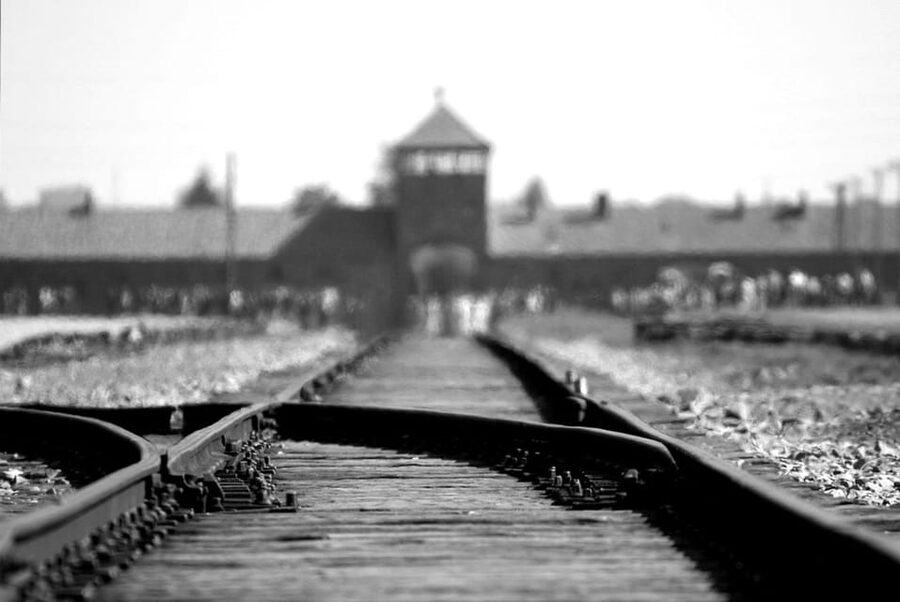
- Railway walk in Birkenau is a central part of how the transports are explained on-site.
- Rules are strict on clothing and bag size, and getting it wrong can slow you down at the entrance.
- On-the-ground pacing is controlled by the memorial’s visitor service, so you should not expect to linger.
Auschwitz-Birkenau: what this guided entry really covers
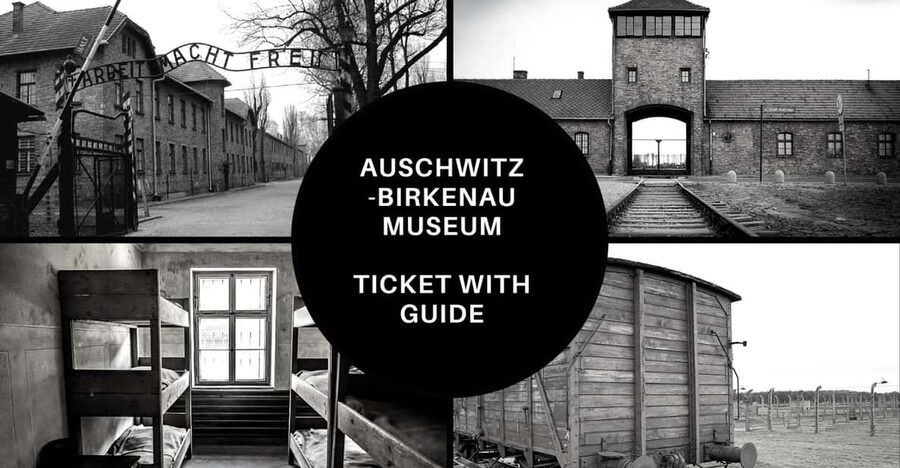
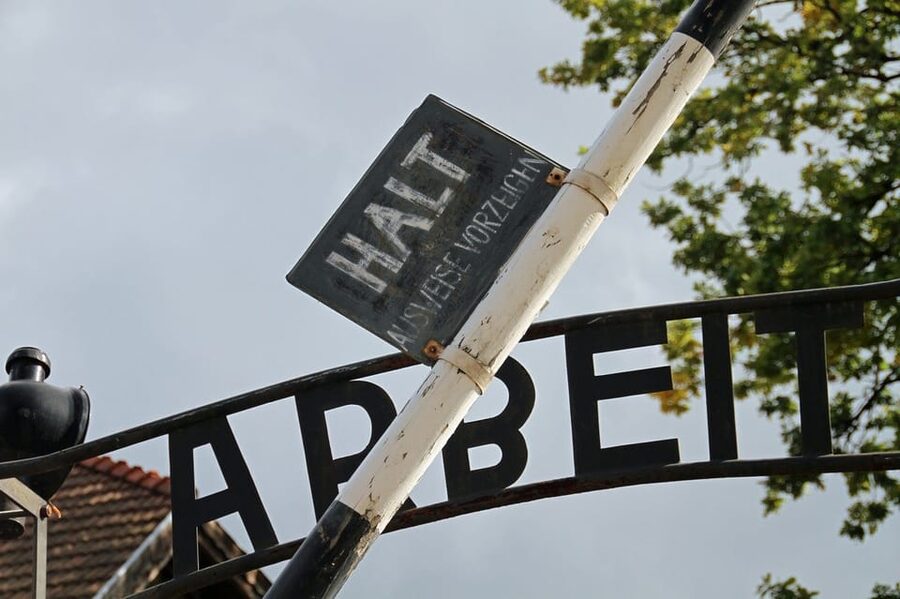
This is a guided group visit designed to hit the essentials of both camps without cutting corners. You start at Auschwitz I, where the guide leads you along the former camp grounds built in 1940 in the suburbs of Oswiecim. You will have a chance to see the entrance area, walk past barracks, and understand how the camp functioned day to day through museum exhibitions set in spaces used by prisoners.
A big part of why this format works is the order. You are not handed a map and told to read plaques. Instead, you follow a route that connects buildings to explanations, which helps the information actually stick.
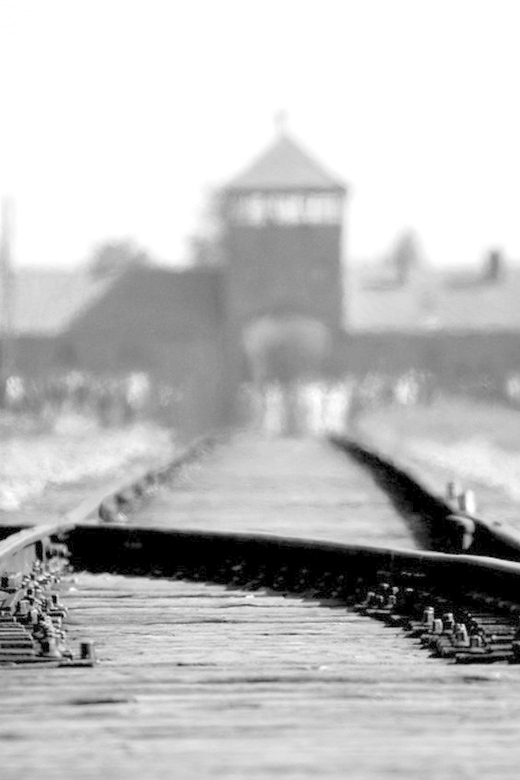
Then you move on to Auschwitz II-Birkenau. This is where the visit turns from preserved buildings into a wide, open landscape of ruins and traces. You will walk along the railway that facilitated transports into the camp, then see the ruins of the gas chambers, where people were murdered on a mass scale. It is not a comfortable walk, but it is an important one, because it shows how the system worked in practice.
More Auschwitz-Birkenau memorial visits from Krakow:
- From Krakow: Auschwitz-Birkenau Guided Tour & Hotel Pickup
★ 4.5 · 33,358 reviews - From Krakow: Auschwitz-Birkenau Guided Tour & Hotel Pickup
★ 4.5 · 29,340 reviews - Krakow: Auschwitz Guided Tour with Optional Hotel Pickup
★ 4.5 · 15,280 reviews
Price and value of the $55 skip-the-line guided tour
$55 per person is not cheap, but it is fairly realistic for what you are getting: skip-the-line ticketing, a live guide in English, and headsets included. The value is in reducing friction. You get your tickets already, so you arrive and go directly to the meeting spot rather than hunting around for offices, lines, or confirmations.
The guide component matters more than most people expect here. Auschwitz-Birkenau is set up to guide your attention, but it is also complex. A good live guide helps you connect what you are seeing to the broader story, and it keeps the group from turning the visit into random photo stops.
The tradeoff is that you are paying for a structured experience, not private time. If you want to take your time in silence, or you hate group pacing, this may feel tight. Still, with a 210-minute total duration, this route is built to see both camps, not just one.
Getting there on your own, and why the meeting spot is the anchor
This experience does not include hotel pickup or drop-off. You use your own transport to get to Auschwitz and back. That choice keeps the tour affordable, but it puts you in charge of timing.
You meet your authorized live guide at the Memorial and Museum Auschwitz I, right by the gate leading to the parking. Look for the information boards. That last detail matters. If you arrive and wander, you can miss the moment your guide is scanning names and leading the group in.
Because the tour start time can be approximate and may change by up to 2 hours, I suggest treating your day like it has two clocks: your plans outside the memorial, and the memorial’s on-site flow. Keep a flexible buffer for the rest of the day, especially if you have other bookings close by.
Also, you are not getting help from pickup, so plan your arrival with extra margin. Even if you think you are early, people can take longer at entrances due to bag checks and rules.
Auschwitz I route: gate, barracks, exhibitions, and clear headsets
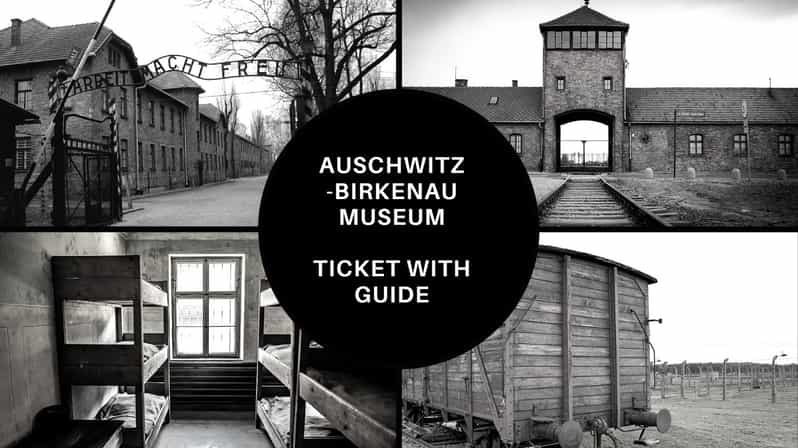
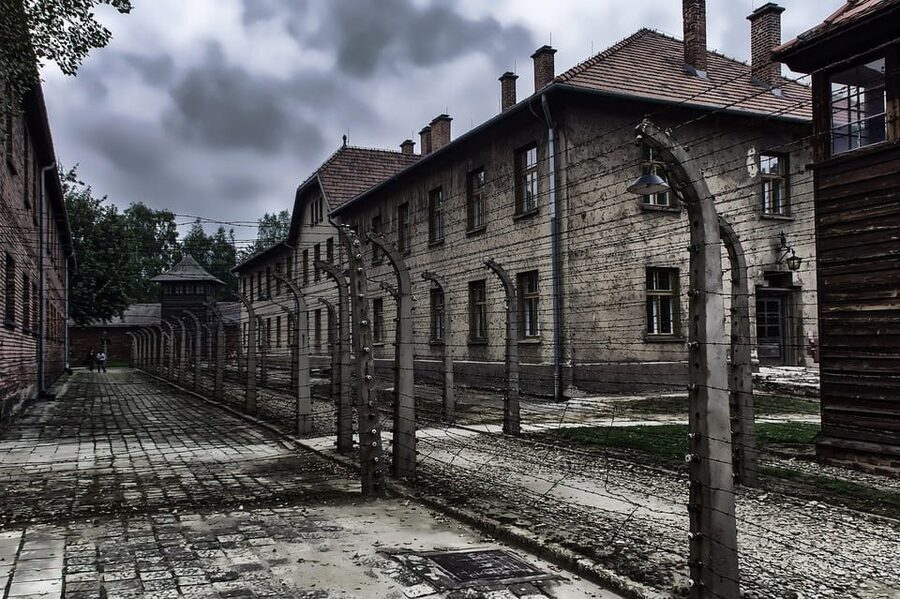
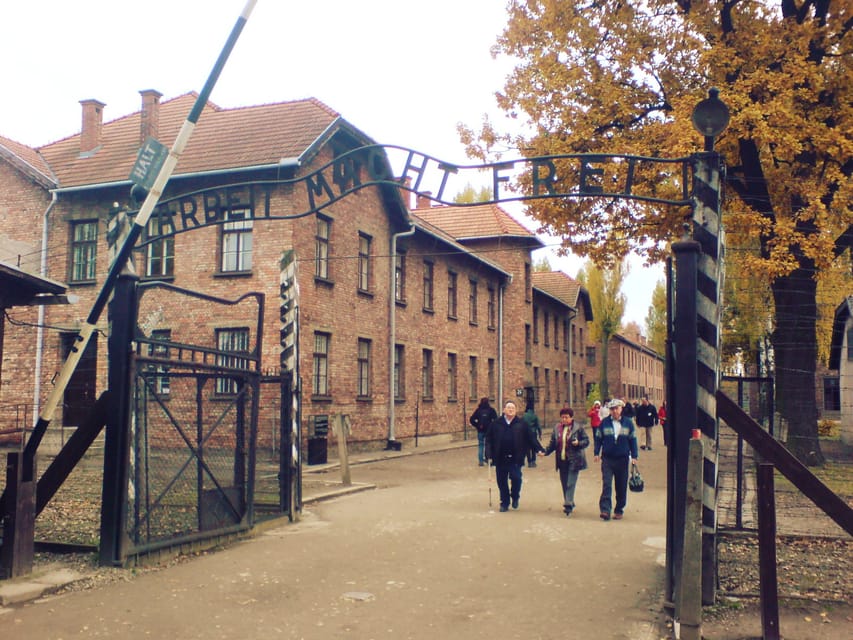
Auschwitz I is the start of the story. It is the older camp area, built in 1940 in the suburbs of Oswiecim. Your guide brings you into the camp grounds and you follow a walking route that typically includes the famous gate area and the barracks blocks.
The headsets are one of the best practical parts of this tour. In a place like this, you are walking and sometimes turning corners where sound carries poorly. With headsets provided, you can hear the guide’s explanations clearly even if the group spreads out.
Inside the barracks and exhibition spaces, the tour shifts from walking to understanding. You are shown exhibitions presented in barracks that prisoners used to live in. That one step changes the experience. You are not just reading history panels. You are standing inside the structures where daily confinement happened, which makes the explanations hit harder.
You will also hear the scale of the tragedy. The total number of deaths is estimated at over 1.5 million people, representing 28 nationalities, and nearly 90 percent of them were Jews. The guide’s job is to connect those numbers to what you are actually seeing along the route.
A consideration: Auschwitz I can feel emotionally intense quickly. If you need quiet moments, keep them short and steady. You do not want to drift too far from the group, because headsets are helpful but the guide still needs you to follow the route.
A few more Krakow tours worth comparing
- Krakow to Auschwitz Birkenau Guided Tour with Transfer and Ticket
★ 5.0 · 8,197 reviews - Krakow: Wieliczka Salt Mine Fast-Track Ticket & Guided Tour
★ 4.5 · 5,872 reviews - Auschwitz Birkenau Guided Tour with Ticket Hotel Pickup Small Van
★ 5.0 · 4,769 reviews - From Krakow: Wieliczka Salt Mine Tour & Skip the Line Ticket
★ 4.4 · 3,925 reviews
Auschwitz II-Birkenau: the railway walk and gas chamber ruins
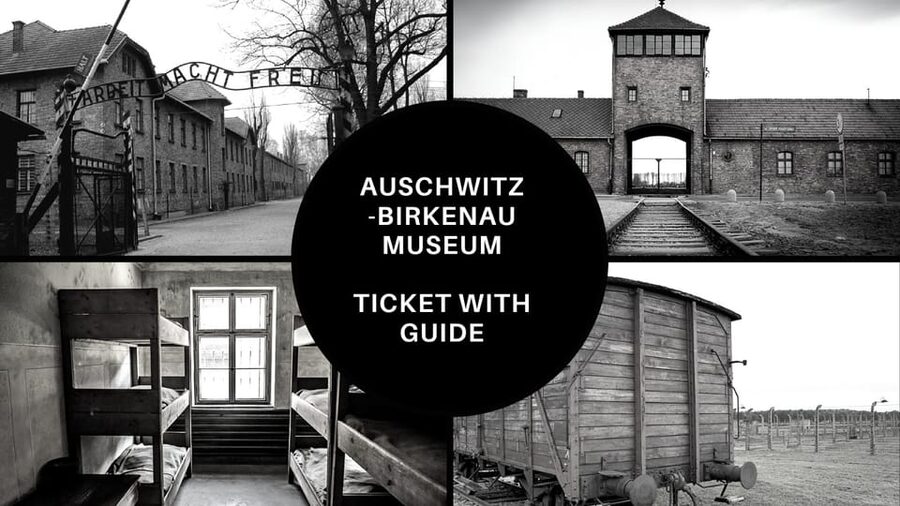
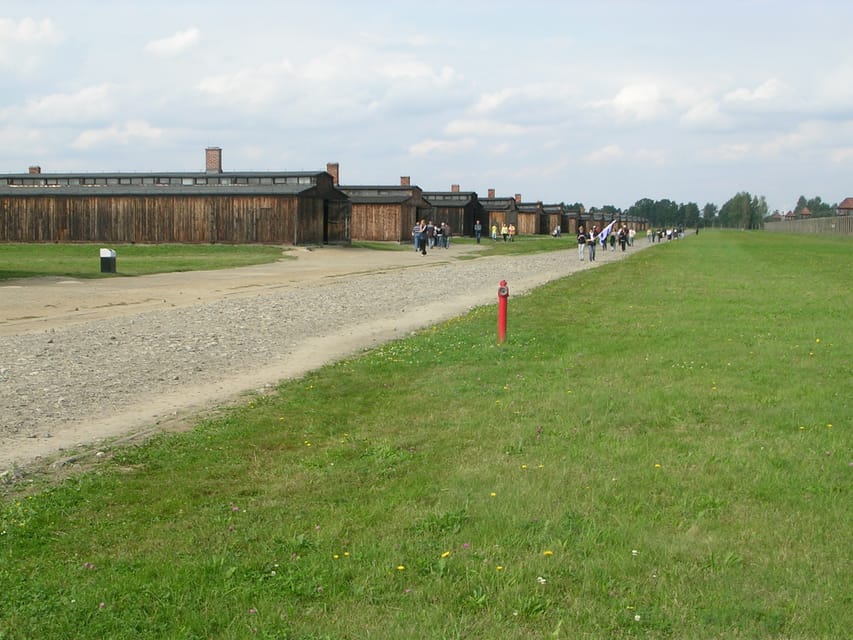
After finishing Auschwitz I, you take an on-site bus for a few minutes to Auschwitz II-Birkenau, and the guide continues from there. The bus transfer is short, but it still helps reset your attention. You are moving from the older camp setting into the massive, more ruinous Birkenau space.
Birkenau is where the logistics of the genocide become more visible. The tour includes a walk along the railway line that facilitated transports into the camp. That walk matters because it turns an abstract idea into a physical route. You can see how people arrived and how the space was used to process them.
Then comes one of the hardest sights: the ruins of the gas chambers. These remains are part of the memorial’s mission to keep the memory of the atrocities from being diluted or misunderstood. The guide explains what happened there on a mass scale, and you see the remains in context.
You might expect this section to feel like the emotional peak of the day, and it often does. My practical advice is to prepare for it by wearing footwear you can handle for a long walk and by keeping your camera use gentle. You are there to learn and remember, not to turn it into a photo contest.
Timing and the 210-minute structure: how to avoid feeling rushed
The total duration is 210 minutes. That is about 3.5 hours, including the guided walking, headset time, and the bus ride between camps. The pace is also determined by the memorial’s visitor service, which means you cannot politely bargain your way into extra time.
This is where the mixed experiences show up most often. When everything runs on time, this schedule works well because it lets you cover both camps in a single guided flow. When the group starts late, the later segment can feel compressed, and you might have less time than you hoped for in Birkenau.
So your best defense is simple: arrive early and stay ready. Aim to be at the Auschwitz I meeting point with time to spare, not rushing in at the last second. If your day is built around tight connections, leave slack. You do not want to spend the most intense hours of your trip worrying about missing something else.
Also, keep in mind that the given starting time is approximate and can change up to 2 hours. If you have a hard deadline after the tour, make it a flexible one.
What to wear and pack: the rules that can actually affect entry
The memorial has clear entry rules, and you should treat them as real. Bring your passport or ID card, and wear comfortable shoes because you will walk.
Clothing matters. Shorts and sleeveless shirts are not allowed. That can be a surprise on warmer days, so plan your outfit accordingly even if the weather looks mild.
Bags are another area where people get snagged. There is a maximum allowed size for luggage or large bags, purse, or backpack of 30x20x10 cm. If your bag is larger, you may have trouble bringing it in under the tour rules.
Do not bring weapons or sharp objects. Keep things simple: essentials only, and keep your bag within the limit.
One more detail that can cause real problems: names need to be identical to the names on your ID or passport. If they do not match, entrance might be refused. Before you travel, double-check the spelling in your booking against your ID, including middle names if they appear on your document.
Who should book this Auschwitz-Birkenau tour, and who should reconsider
This tour is in English, and it uses a headset system to help you follow the guide. That makes it a solid choice if you want an organized explanation in a language you understand well.
It is not suitable for children under 14. It is also not recommended for people with mobility impairments, based on the on-site walking and the memorial’s pace requirements.
If you are going because you want both camps, this format is efficient. You get Auschwitz I first, then Auschwitz II-Birkenau, so you can follow the progression instead of trying to piece it together alone.
If you are very sensitive to crowds or cannot handle a group pace, you might find this tour frustrating. That does not mean you should avoid the memorial entirely, but it may point you toward a different style of visit with more flexible timing.
Should you book this Memorial Entry ticket with guided tour?
I think booking is a good idea if you want a guided, structured experience that covers both camps in a single outing and you value hearing the explanations clearly with headsets. At $55, you are paying mostly for the on-site guide, the skip-the-line access, and the time saved versus figuring everything out.
My only caution is about execution. Some people report problems tied to meeting details and timing, like late starts or confusion about where the guide should be. You can lower that risk by arriving early, confirming your exact meeting point near Auschwitz I’s parking gate by the information boards, and keeping your schedule flexible for the up-to-2-hours time adjustment window.
If you want a calm self-paced visit, this is probably not the best match. But if you want the clearest route through the two main camp sites, with a live English guide and headsets, this is a practical way to do it.
FAQ
How long is the Auschwitz-Birkenau guided tour with entry tickets?
The total duration is 210 minutes, which is about 3.5 hours. Starting times depend on availability.
Is the entrance ticket skip-the-line?
Yes. Your ticket is described as skip-the-line entrance to Auschwitz-Birkenau Memorial and Museum.
Do I need to arrange my own transport to Auschwitz?
Yes. Hotel pickup and drop-off are not included, so you use your own transport to get to Auschwitz and return.
Where do I meet the guide?
Meet your guide at the Memorial and Museum Auschwitz I, right by the gate leading to the parking. Look for the information boards.
Is the tour available in English?
Yes. The live guide tour is listed as English.
Are headsets provided?
Yes. Headsets are included to help you hear the guide clearly.
What items are not allowed?
Shorts are not allowed. Weapons or sharp objects are not allowed, and luggage or large bags are limited by a maximum size of 30x20x10 cm. Sleeveless shirts are also not allowed.
What should I bring?
Bring your passport or ID card and comfortable shoes.
Is this tour suitable for children or people with mobility impairments?
No. It is not suitable for children under 14 and it is not suitable for people with mobility impairments.
Is food and drink included?
No. Food and drinks are not included.
What happens if my name on the ticket does not match my ID?
Names need to be identical to the names on your IDs or passport. Entrance might be refused if the names do not match.
Recently reviewed around Krakow
- Krakow: City Golf Cart Tour and Schindler’s Factory Museum★ 5.0 · 4 reviews
- Krakow: City Sightseeing Tour by Shared or Private Golf Cart★ 4.4 · 21 reviews
- Krakow beer review with a local guide★ 5.0 · 4 reviews
- Kraków: Romantic Candlelight Chopin Piano Concert★ 4.9 · 8 reviews
- From Krakow: Chocholow Hot Springs Evening or Daytime Ticket★ 4.7 · 72 reviews
- From Krakow: Zakopane, Tatra Mountains & Thermal Baths Tour★ 4.9 · 52 reviews
- Kraków: VIP Candlelight Concert The Music of Fryderyk Chopin★ 4.8 · 8 reviews
- Krakow: Bottomless Brunch with 3-Course Meal and Drinks★ 3.8 · 30 reviews