
Reviewed · SCHINDLER'S FACTORY TOURS
Krakow: Schindler’s Factory, Jewish Ghetto & Salt Mine Tour
Schindler’s Factory, the former Jewish Ghetto, and the Wieliczka Salt Mine in one 7-hour loop is an intense combo, and it makes you see Krakow in a way most visitors miss. I like that the first half is led by a live museum guide so the story stays grounded, and you are not just collecting facts.
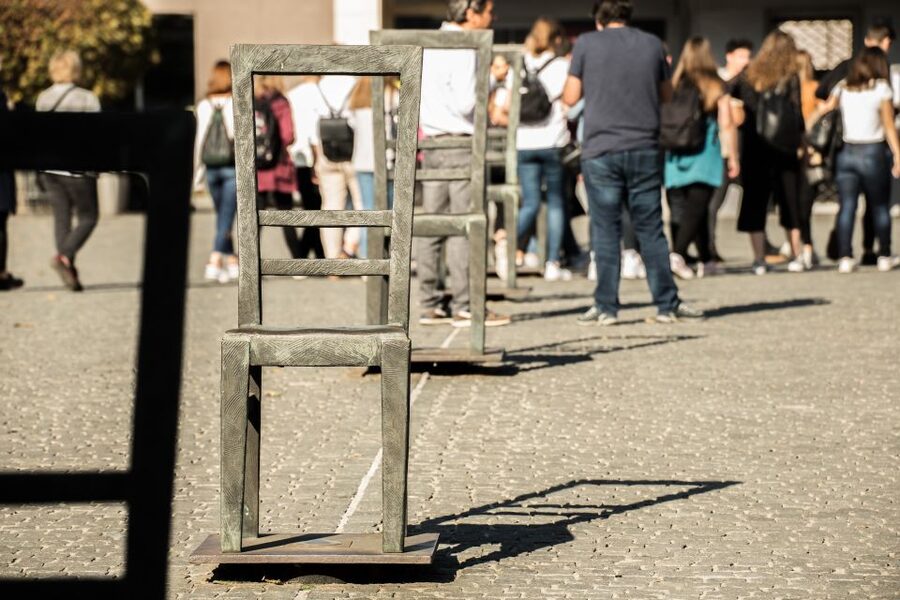
I also like how the day moves from history you can read on walls to history you can walk through. The Empty Chair Monument in Heroes’ Square, tied to the ghetto story, is the kind of stop that sticks with you after the tour ends.
The main thing to consider is the pacing and schedule. This is a strictly timed group day, and the Schindler’s Factory Museum does not admit late arrivals, so you’ll want to show up early and avoid rushing in at the last second.
Quick, Useful Highlights
- Small group of up to 15 keeps the experience personal while still covering three major sites
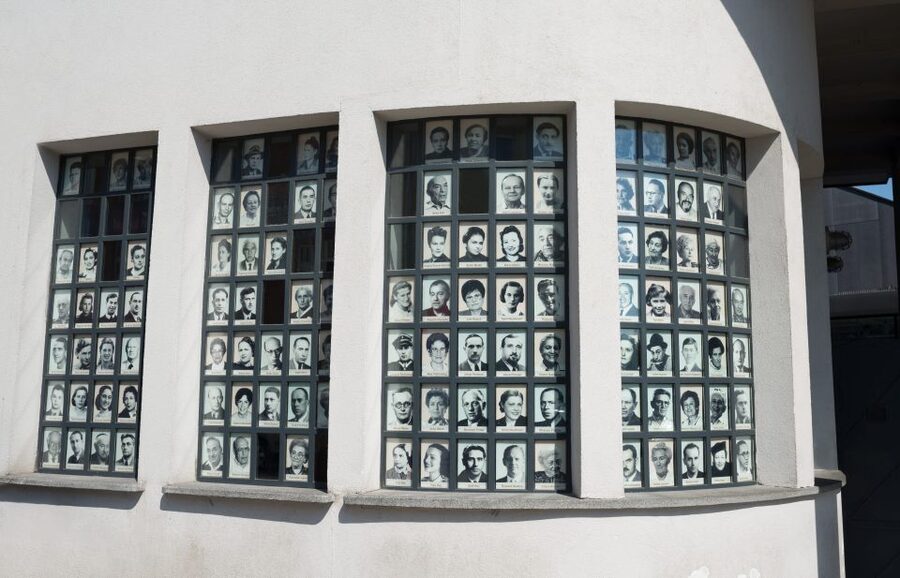
- Museum guide for Schindler’s Factory gives you the context behind what you see at the former enamel factory
- Podgórze walk includes the undestroyed ghetto wall section, the Under the Eagle pharmacy, and the Empty Chair Monument with 68 chairs
- Wieliczka Salt Mine visit features a 3+ km walking route, 20 halls, and the famous salt-carved underground church
- St. Kinga’s Church and chandeliers show you how the mine became a place of worship, not just mining
- You explore the mine at your own pace after the group portion, which helps if your energy levels vary
Why This Krakow Combo Works in a Single 7-Hour Day
This is the kind of tour that fits real travel life. You’re in Krakow for a limited amount of time, and you want three big stops without changing your plans every hour. You get round-trip transport between central Krakow and Wieliczka, plus guided time for the parts that benefit most from storytelling.
The logic of the day is smart. Schindler’s Factory and the ghetto area are about learning, reflecting, and understanding what the city endured. Then you shift into a different kind of human creativity underground at Wieliczka, where centuries of mining turned into a network of corridors, halls, and even a salt-carved church.
One practical note: because it is a tightly scheduled group day, your best move is to plan your energy. Go in mentally ready for a heavier first half, then allow your eyes and legs to reset during the self-paced mine walk.
More Schindler's Factory tours to compare:
- Krakow: Schindler’s Factory, Jewish Ghetto & Salt Mine Tour
★ 5.0 · 3 reviews - Krakow: Oskar Schindler’s Factory Entry Ticket & Guided Tour
★ 4.2 · 3,793 reviews - Krakow: Schindler’s Factory Tour with Entrance Ticket
★ 4.5 · 3,182 reviews
Schindler’s Factory Museum: A Guided Start That Keeps the Story Clear
The day starts at the entrance to the Oskar Schindler’s Enamel Factory Museum, and you’ll spot your guide holding an excursions.city sign. Showing up on time matters here, because the museum enters groups punctually and does not accept late arrivals for this tour.
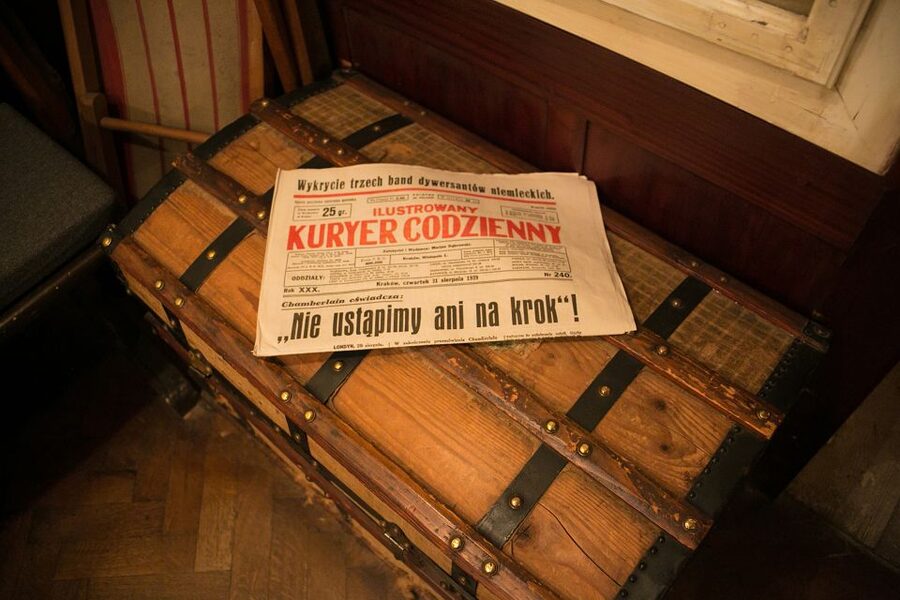
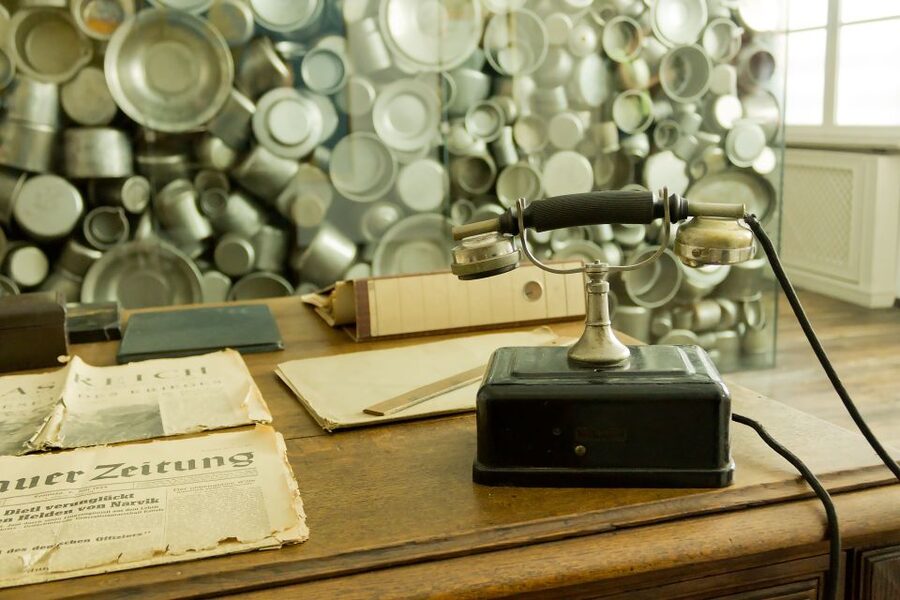
Once you’re in, you’re not wandering through artifacts like you would on a self-guided visit. You’ll go with a live English museum guide, and the focus stays on the story made famous through Schindler’s List. That movie connection is real, but what you’ll get from a guide is the historical layer: who Oskar Schindler was, and the broader idea of how one German entrepreneur used his position and influence to help many Jews during the war.
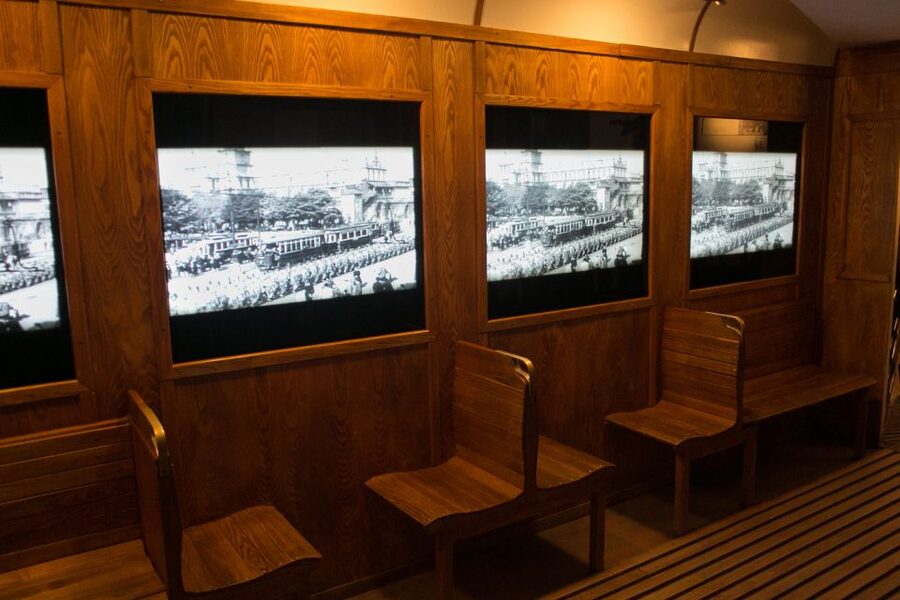
I like this guided approach because it prevents the story from becoming just a montage. You get explanations tied to what you’re seeing, and that helps you understand the significance of the exhibits rather than just recognizing the names.
Also, the guide format makes a big difference if you prefer conversation over reading. You can ask questions, and your guide can adjust to what the group is picking up. Since the tour is small, you tend to get more direct attention than on big bus tours.
Podgórze and the Former Jewish Ghetto: Streets, Surviving Walls, and the Empty Chair
After Schindler’s Factory, you move into the former Jewish Ghetto area around Podgórze. This portion is a walking experience with stops that show you physical traces of events from the Second World War. Even if you know the basics already, seeing the geography in person changes the way you feel the history.
Here are the key stops you should expect, and why each one matters:
You’ll see part of the undestroyed wall around the ghetto. That kind of survival is hard to overstate. Many places are gone or rebuilt beyond recognition, so a remaining section of wall gives you an honest boundary line, like the city still holding its breath.
You’ll also visit the area of houses where thousands of displaced Jews lived. This is not just about names on a sign. It is about understanding how ordinary space became forced living space, with displacement shaping every day.
One very specific stop is the pharmacy called Under the Eagle. This helps break the heaviness into something more tangible. Instead of thinking only about transport and violence, you’re reminded that daily life included shops and services, even in a world being actively crushed.
Then comes Heroes’ Square and the Empty Chair Monument. It uses a symbolic set of 68 chairs, which is designed to represent the lives impacted in a way that you can recognize quickly, even on a busy street. This is one of those monuments where looking is only the first step. After you have the number in your head and you stand with it in your body, it hits harder.
I like that this part of the tour stays on foot. Walking helps your brain connect what you learned earlier in Schindler’s Factory to the streets where the story unfolded. You are not switching off and moving on too fast.
Wieliczka Salt Mine by Daylight Plan: 700 Years Underground, Plus a Microclimate
In the second half, you are driven from Krakow to Wieliczka, about 10 kilometers away. The transport is included, and it is one of those practical wins that saves you time and nerves. After the bus ride, you shift into a totally different world.
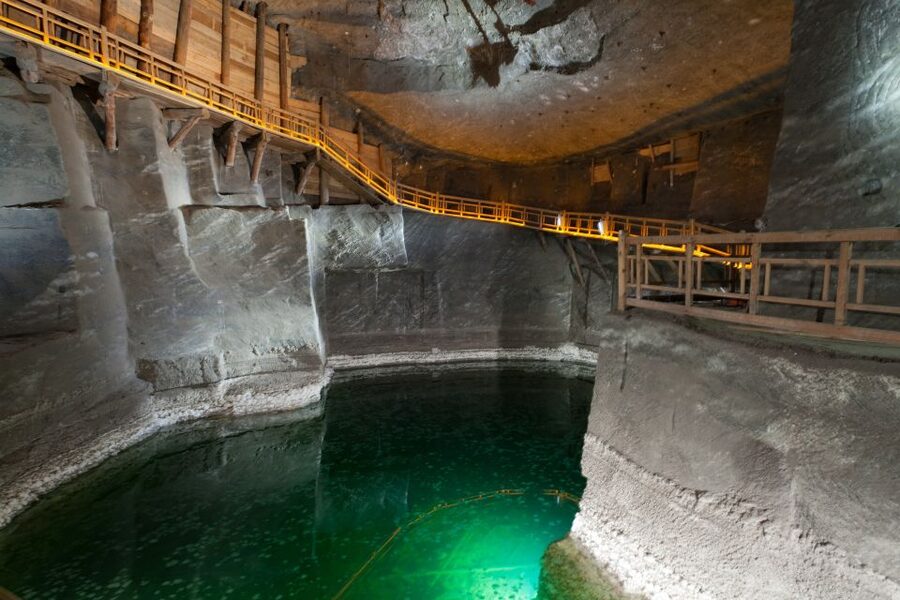
Wieliczka is described as one of Europe’s largest old salt mines, and it is built on numbers you can actually picture. The mine dates back about 700 years, and it goes to a depth of around 340 meters. The underground system includes corridors and tunnels totaling more than 245 kilometers.
What you do underground is also structured. You’ll walk a route of more than 3 kilometers and see 20 halls. That means you are not just taking a short loop. You’ll have enough time to enjoy the changing spaces and the feeling of being inside a working landscape that also became a cultural one.
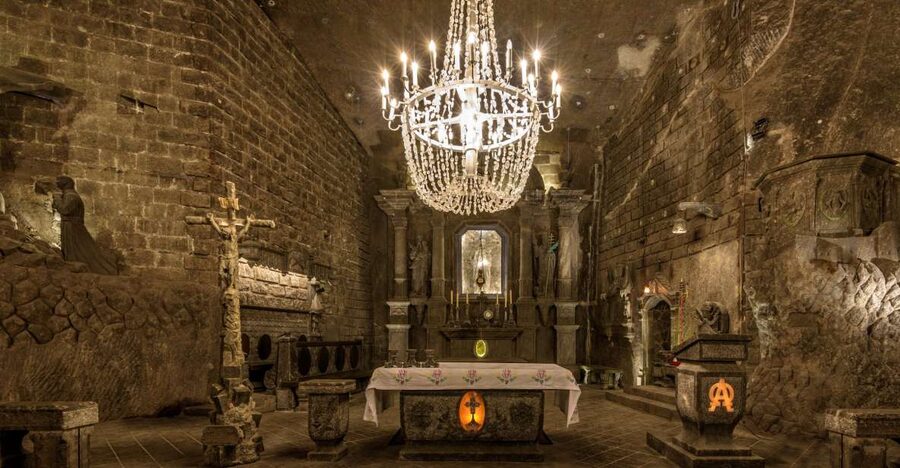
The highlight is St. Kinga’s Church, named for the patroness of miners. This is where the mine turns into something close to a cathedral experience. You can see the church interior, including chandeliers and sculptures of saints carved out of salt. The fact that this is salt carved into meaningful forms is what makes it such a memorable stop, even if you are not usually a big fan of religious sites.
Another unique aspect is the curative microclimate and the sanatorium story. You’ll learn that the sanatorium was located about 135 meters below ground. The mine is not just a spectacle. It has been used in ways tied to health and healing, which adds another layer to why people traveled there.
One more good point for your comfort: after the group portion, you explore the mine at your own pace. That gives you control. If you want longer at the biggest halls, you can slow down. If you need to conserve energy, you can keep your steps steady.
More Jewish quarter and heritage tours to compare:
- Kraków: Jewish Quarter, Auschwitz, And Salt Mine 3-Day Tour
★ 4.8 · 5 reviews - Krakow: Schindler’s Factory & Ghetto Guided Tour
★ 4.7 · 1,694 reviews - Krakow: Jewish Quarter and Former Ghetto Tour
★ 4.9 · 1,441 reviews - Krakow: Bike Tour of Old Town, Jewish Quarter and the Ghetto
★ 4.9 · 1,155 reviews
What to Expect From the Pace, Timing, and Small Group Size
This is a small group experience limited to 15 participants, and that shows up in how you move. You’re not packed in a crowd. You’re more likely to hear the guide clearly, and there is less waiting time between stops.
The schedule is strict. The Schindler’s Factory Museum does not accept late arrivals. That is not meant to be harsh, it is just how timed group entry works, especially when museums run controlled access.
For your day planning, think of it like a two-act show:
- Act 1: guided learning and a focused walk in the ghetto area
- Act 2: transport to Wieliczka, then a longer self-paced underground walk
Because food and drinks are not included, you’ll want to plan a simple snack strategy. You do not need a fancy meal, but having water and something small in your bag helps a lot when you are busy moving between sites for about 7 hours.
Also, dress for comfort. The mine requires walking and stairs, and your first half includes outdoor streets. Layers help because Krakow weather can shift fast, and underground spaces feel cooler.
Price and Value: Is $136 Reasonable for This Much Included?
At $136 per person, this tour is not the cheapest way to see Krakow. One caution from a practical point of view is that it can feel a bit pricey if you compare it to self-guided options.
But the value story is stronger when you look at what you are paying for. Your money covers:
- Admission tickets to Schindler’s Factory Museum
- Admission tickets to Wieliczka Salt Mine
- A live guide for Schindler’s Factory, and guide support tied to the mine visit
- Round-trip transportation between Krakow and Wieliczka
- A small group size, up to 15 people
- Skip-the-ticket-line access
When a tour bundles admissions plus transport plus a guide, it reduces decision fatigue. You don’t have to line up at multiple ticket desks. You don’t have to coordinate transit on your own between Krakow and Wieliczka. And the guide time at Schindler’s Factory is genuinely useful, because it keeps the context clear while you walk through the museum.
If you are the type of traveler who likes to read quietly on your own and you already know the story well, you might prefer a self-guided plan. But if you want your day to be organized and meaningfully guided in the hardest-to-scan parts, the price feels fair for what you receive.
Who This Tour Suits Best (And Who Might Want Something Else)
This tour is a strong fit if you:
- Want a one-day hits-most plan without juggling logistics
- Enjoy guided museum time for context and explanation
- Want to see Jewish history in Krakow in a physical, street-level way, not just from a screen
- Are comfortable with a heavier first half and then a more playful underground experience
It may not be the best fit if you:
- Need total flexibility to stop and start whenever you want
- Hate rigid timing and timed-entry rules
- Prefer fully self-guided experiences with no structured schedule
If you have limited time in Krakow, this is one of the cleanest ways to pack in two of the city’s most important historical stops plus the best-known salt mine outside the city center.
Should You Book This Krakow Tour?
I’d book this if your priority is clarity and convenience. The combination works because Schindler’s Factory is handled with a live museum guide, then you walk the ghetto area thoughtfully, and finally you get Wieliczka with enough structure to make it easy and enough freedom to make it yours.
I would hesitate only if you know you’ll struggle with strict timing, or if you are trying to keep costs very low. This tour is built around a schedule, and the museum entry rules are real.
If you can handle a long day, show up early, and bring water and a simple snack, you’ll leave with three very different perspectives on Krakow, all tied together by how people shaped their world, even in extreme circumstances.
FAQ
How long is the Krakow Schindler’s Factory, Jewish Ghetto, and Salt Mine tour?
The tour lasts about 7 hours.
What sites are included in this day tour?
You visit Schindler’s Factory Museum, the former Jewish Ghetto area including Heroes’ Square and the Empty Chair Monument, and the Wieliczka Salt Mine.
Is the tour guided?
Yes for Schindler’s Factory with a live museum guide in English. The mine visit includes a guide component, and you also explore parts of the salt mine at your own pace.
What is included in the price?
Included are admission tickets to Schindler’s Factory Museum and the Wieliczka Salt Mine, a museum guide for Schindler’s Factory and the Salt Mine, and round-trip transportation between Krakow and Wieliczka.
Is food and drinks included?
No. Food and drinks are not included.
Where does the tour start?
The meeting point is in front of the entrance to the Oskar Schindler’s Enamel Factory Museum. Your guide waits holding an excursions.city sign.
What time matters the most for this tour?
Show up on time. Schindler’s Factory Museum does not accept late arrivals for the tour, and late persons will not be admitted without the possibility of returning the money.
How big is the group?
The group is limited to a small size, up to 15 participants.
What are the cancellation options?
You can cancel up to 24 hours in advance for a full refund.
How do timed-entry tickets work here?
The tour offers skip-the-ticket-line entry, but you still need to arrive punctually since group access is controlled by the scheduled entry time.
More Wieliczka Salt Mine Tours to Compare
- Krakow: Wieliczka Salt Mine Skip-the-Line Live Guided Tour
★ 4.5 · 462 reviews - From Krakow: Wieliczka Salt Mine Guided Tour
★ 4.4 · 323 reviews - From Krakow: Wieliczka Salt Mine Half-Day Trip with Pickup
★ 4.5 · 140 reviews - From Krakow: Wieliczka Salt Mine Guided Tour
★ 4.5 · 115 reviews
Recently reviewed around Wieliczka
- Krakow: Wieliczka Salt Mine and Auschwitz-Birkenau Tour★ 4.3 · 34 reviews
- Krakow: Wieliczka Salt Mine Tour with Private Transfers★ 4.7 · 6 reviews
- Krakow: Vistula River Cruise and Wieliczka Salt Mine Tour★ 4.6 · 3 reviews
- Kraków: Street Food and Historical Adventure★ 4.8 · 3 reviews
- Krakow: Schindler’s Factory, Jewish Ghetto & Salt Mine Tour★ 5.0 · 3 reviews
- Krakow: River Cruise and Wieliczka Salt Mine Group Tour★ 1.7 · 3 reviews
- Krakow: River Cruise and Wieliczka Salt Mine Group Tour★ 3.9 · 5 reviews
- Kraków: Jewish Quarter, Auschwitz, And Salt Mine 3-Day Tour★ 4.8 · 5 reviews