
Reviewed · SCHINDLER'S FACTORY TOURS
Krakow: Schindler’s Factory & Ghetto Guided Tour
What makes this tour so interesting is how it connects one man’s choices to the wider, daily reality of Nazi occupation in Krakow. You start inside Schindler’s former enamel factory, then you walk out into the ghetto area where history is pinned to specific streets and sites. I especially like the way Kraków under Nazi Occupation 1939-1945 is taught through rooms, artifacts, and tight storytelling.
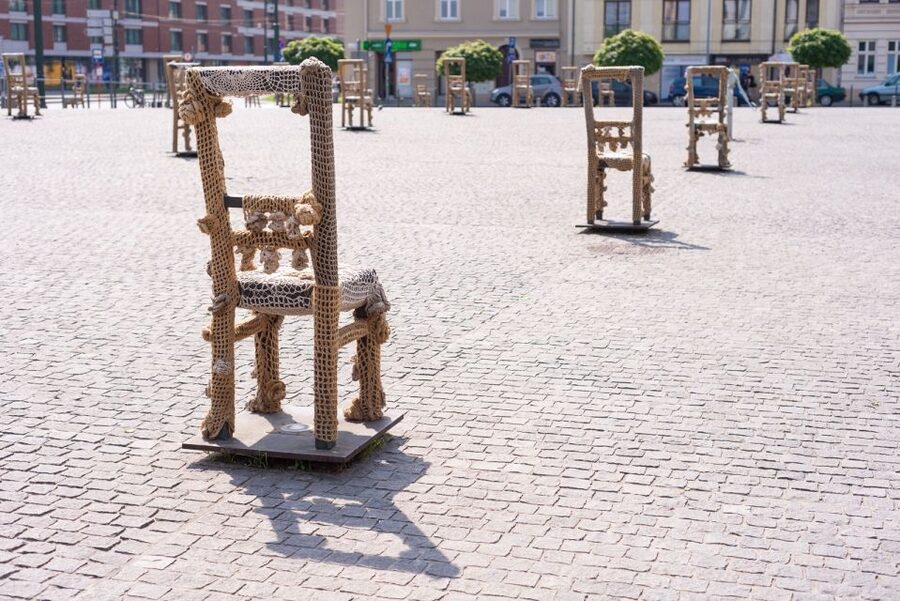
I also love the ghetto walk with its clear, meaningful targets. The shift from the remains of the Ghetto Walls to Ghetto Heroes Square gives you a strong sense of confinement, deportation, and loss, and the symbolism of the Chair Memorial sticks with you. The Under the Eagle Pharmacy stop adds a human, resistance-focused thread through the chaos.
One possible drawback to consider: this is a time-pressed, guided experience in small spaces. The museum uses narrow corridors and dim lighting to recreate fear and pressure, so if you need extra time to read or look slowly, you may wish for a slower pace inside.
Key things to know before you go
- Skip-the-line entry to Schindler’s Factory so you lose less time waiting
- Kraków under Nazi Occupation 1939–1945 taught through the former enamel factory setting
- Ghetto Walls remains early on, then a direct route to the most important memorial space
- Ghetto Heroes Square Chair Memorial for a clear visual reminder of lives lost
- Under the Eagle Pharmacy and the story of Tadeusz Pankiewicz and his staff aiding residents
- One language per tour with options including English, French, Spanish, German, and Italian
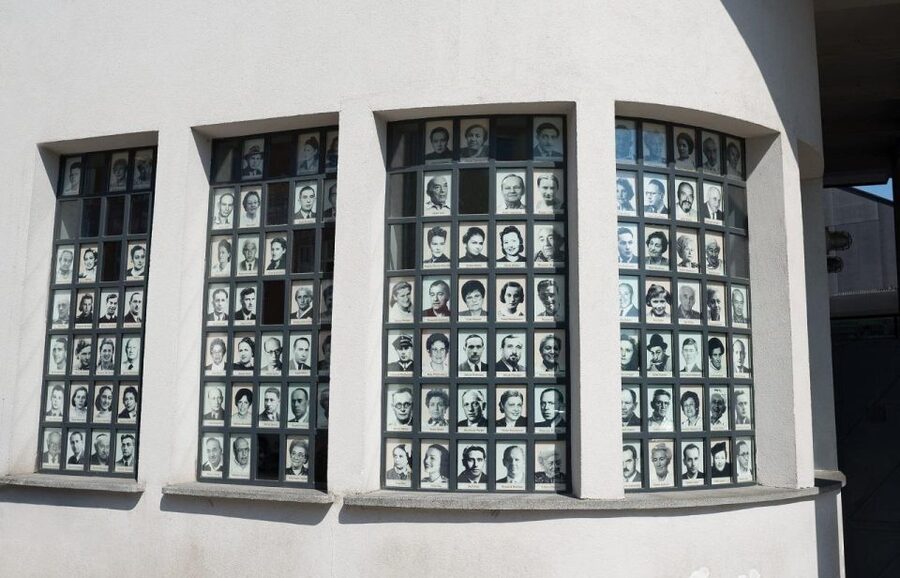
Entering Schindler’s Factory in Krakow, where the building tells part of the story
If you’ve ever walked through a museum and thought, okay, I’m learning facts, but I’m not feeling context, this tour solves that problem. Schindler’s Enamel Factory Museum is set up so you experience wartime Kraków as a sequence of pressure-filled moments, not just a timeline on a wall. You see how Nazi occupation changed ordinary life for both Jewish and non-Jewish residents.
What I like most is that the museum does not treat Schindler as a standalone hero story. You learn about him, including the fact that his factory provided refuge to more than a thousand Jewish workers, but you also get the bigger frame: persecution, deportations, and the destruction of the Kraków Jewish community. That makes the emotional impact feel earned, not tacked on.
Also, manage your expectations about what the factory looks like. The building once housed Schindler’s factory, but today it’s a museum without original machinery. You are walking through an exhibition and history, not touring a working industrial floor. One review even flagged this as a moment of adjustment, and honestly, knowing that ahead of time helps you enjoy it more.
More Schindler's Factory tours to compare:
- Krakow: Oskar Schindler’s Factory Entry Ticket & Guided Tour
★ 4.2 · 3,793 reviews - Krakow: Schindler’s Factory Tour with Entrance Ticket
★ 4.5 · 3,182 reviews - Krakow: Schindler’s Factory Skip-the-Line Ticket
★ 4.4 · 3,105 reviews
Meeting point and timing: show up early for a smooth start
You meet your guide in front of the main entrance to the Schindler’s Factory Museum, on the right-hand side. The guide will hold an excursions.city sign.
This is one of those tours where arriving late can cost you the day. You’re asked to arrive 10 minutes early, and once the group departs, latecomers can’t join and tickets can’t be refunded. So I’d treat that early arrival like a mini training session for your future self: you want to be calm and ready before the museum starts pushing emotional weight.
The tour duration is listed as 3 hours. In real terms, that usually means you get solid time inside the museum, then a structured walk through the ghetto area. If you want extra time for photos or reading every label, you should plan to do that either before or after your guided visit on your own.
Inside the Schindler’s Enamel Factory Museum: why the exhibition feels so tight
The big piece of your experience is the museum visit with a licensed guide and skip-the-line admission. Instead of wandering and hoping the story clicks on its own, you get a guided path through the exhibition “Kraków under Nazi Occupation 1939-1945.”
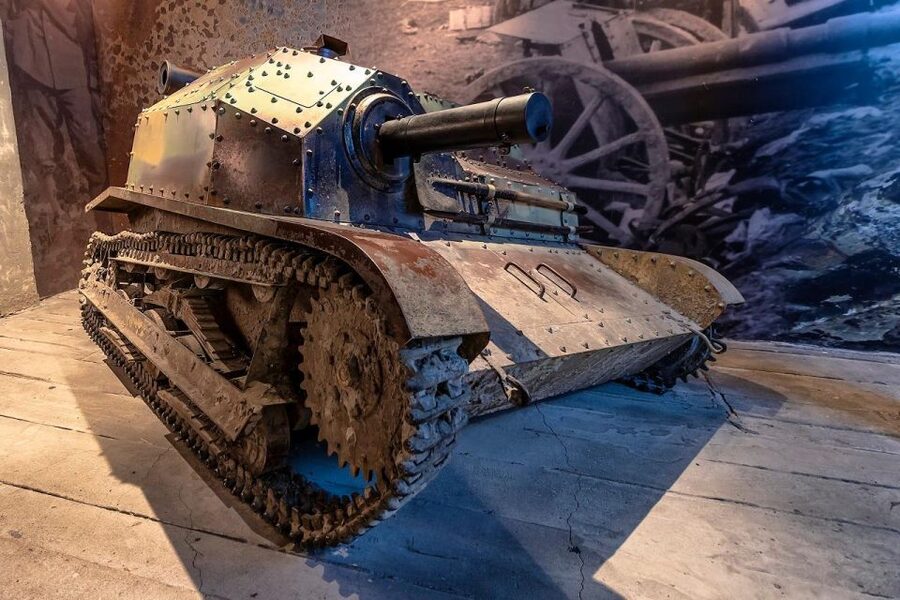
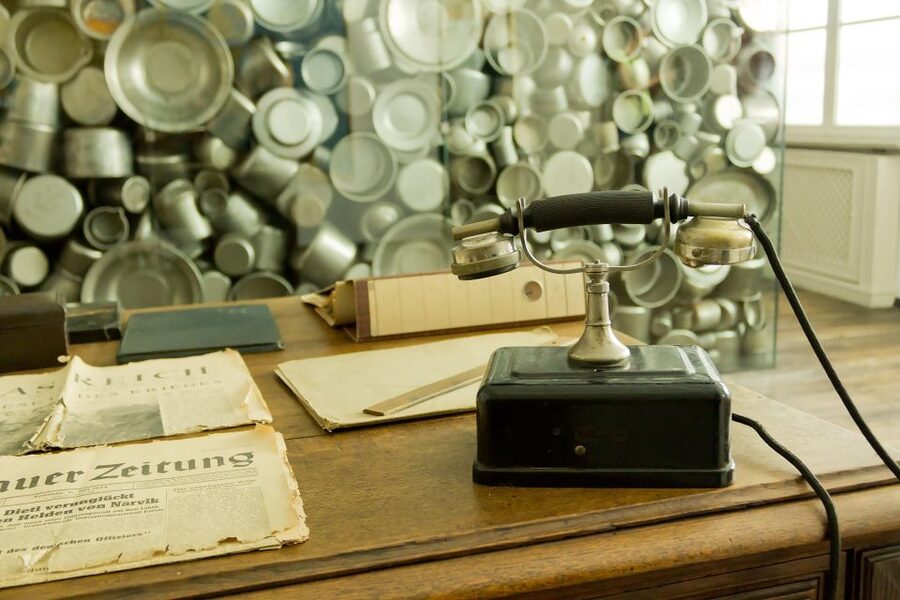
The museum is set in narrow, dimly lit rooms, intentionally designed to recreate the fear and uncertainty of the time. That design choice matters. It’s one thing to read about pressure. It’s another to move from room to room in an atmosphere that makes you feel constrained, even if only for a short visit. You’ll see original artifacts, photographs, and reconstructions, and the guide helps connect them into a coherent picture.
Here’s the balanced takeaway: the museum layout is powerful, but it can be mentally demanding. Some people felt the pace was fast and wanted more quiet time to absorb everything. If you’re the type who loves reading every plaque, you might feel rushed in certain rooms. The upside is that a good guide keeps the information digestible and organized, so you leave with more understanding than you’d likely get from going alone.
The guided path through wartime Krakow: what you learn besides Schindler
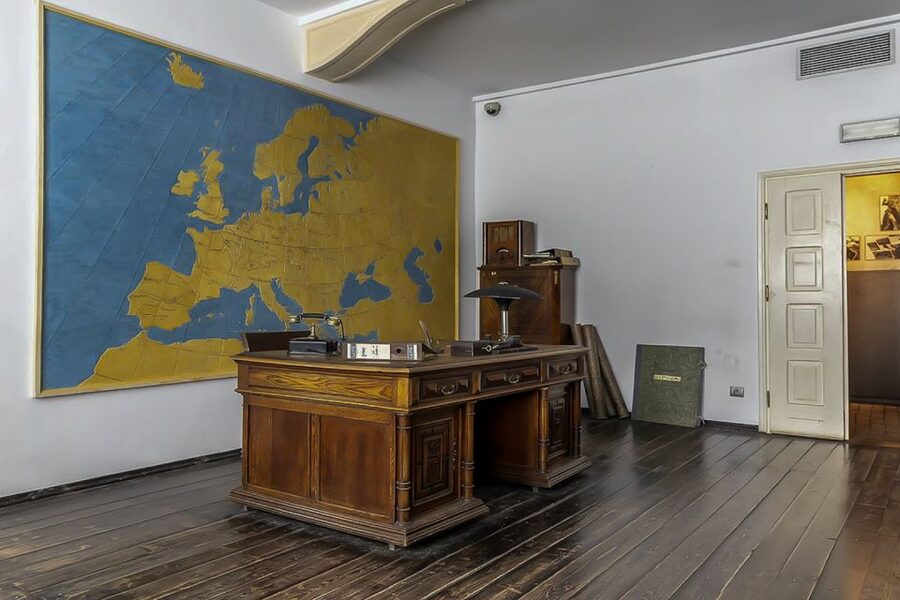
This tour’s strength is that it uses Schindler’s story as a doorway into Krakow’s wartime reality. You hear how his factory became a refuge for Jewish workers, yes, but the guide also ties that to the broader machinery of occupation.
As you move through the museum, you’ll learn that Jewish and non-Jewish residents experienced Nazi control in different ways, but both were trapped in a system that grew harsher over time. The exhibition’s focus is daily experience, not just major events. That’s why it can feel more personal than a typical biography-style museum.
It also helps that you’re not just passively listening. In many tours like this, guides use audio support so you can hear clearly even in tight rooms. Some visitors noted the guide wearing a microphone and using a closed-loop audio system, which makes a difference in small spaces where sound can bounce or get muffled. If you’re hard of hearing, bring any assistive devices you use, but the guide setup here is designed to help most people keep up.
More Jewish quarter and heritage tours to compare:
- Krakow: Jewish Quarter and Former Ghetto Tour
★ 4.9 · 1,441 reviews - Krakow: Bike Tour of Old Town, Jewish Quarter and the Ghetto
★ 4.9 · 1,155 reviews - Krakow: Kazimierz Jewish Quarter Walking Tour
★ 4.8 · 571 reviews - Krakow: Kazimierz, Schindler’s Factory & Ghetto Guided Tour
★ 4.8 · 460 reviews
From Ghetto Walls to Chair Memorial: seeing the ghetto as a map, not a concept
Once you finish the museum portion, you transition to a walking tour of the Kraków ghetto area. The first major stop is the remains of the Ghetto Walls. That sounds simple, but it’s a powerful beginning. You see the physical edge of separation right away, and it becomes easier to understand what confinement meant when you’re literally standing near the boundary.
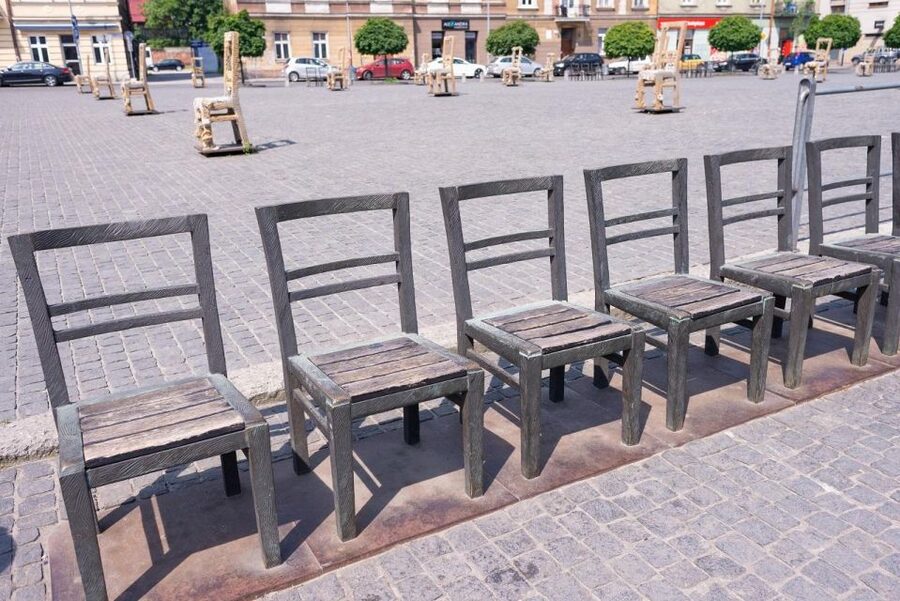
Next you head to Ghetto Heroes Square, described as the heart of the ghetto and the place tied to deportations to extermination camps. This is where the tour’s symbolism becomes very concrete. The Chair Memorial marks lives lost, with chairs representing the people who were murdered. Even if you already know the story from school or film, placing that symbolism in the real street layout changes how it lands in your mind.
This is also a point where you should expect emotional heaviness. The tour is respectful and factual, but it isn’t trying to make the topic comfortable. If you’re someone who gets overwhelmed, it helps to wear steady shoes, take one slow breath when you need it, and let the guide’s structure carry you through.
Under the Eagle Pharmacy and Tadeusz Pankiewicz: the courage thread
One of the most moving stops on the ghetto route is the Under the Eagle Pharmacy. The guide connects this location to Tadeusz Pankiewicz and his staff, who aided ghetto residents by preserving medicine and hope.
This stop matters because it shifts your attention from destruction to resistance and care. You still carry the weight of what happened around you at earlier points in the tour, but you also see how people used practical skills, networks, and risk-taking to keep others alive.
Practically, it’s also a good “story anchor” during the walk. When the tour goes from walls to memorials, it can feel like you’re moving through layers of tragedy. The pharmacy story gives you a different angle: what it took to keep living things functioning in a system designed to crush life.
About the guides: why the right host changes everything
A major theme in the experience is how much the guide matters. The tour is designed to be digestible in about 3 hours, but that only works if the guide can handle both structure and emotion without turning it into a lecture.
More than one guide has been praised by name in English-language reviews, including Alexandra, Fil (Phil), Joanna, Alice, Eva, Helena, Magdelena, Anna, and Elise. While you can’t guarantee which guide you’ll get, it’s a good sign that multiple different leaders have done well at explaining details clearly and answering questions.
If you’re choosing a time slot, also think about your own learning style. People who like clear chronological flow often benefit most from a tightly run museum route plus a focused walking segment. People who love unstructured exploration may find the museum’s pacing limiting. For you, the “right” guide can be the difference between learning a lot and feeling like you only skimmed.
Pace, room size, and photo reality in the Schindler museum
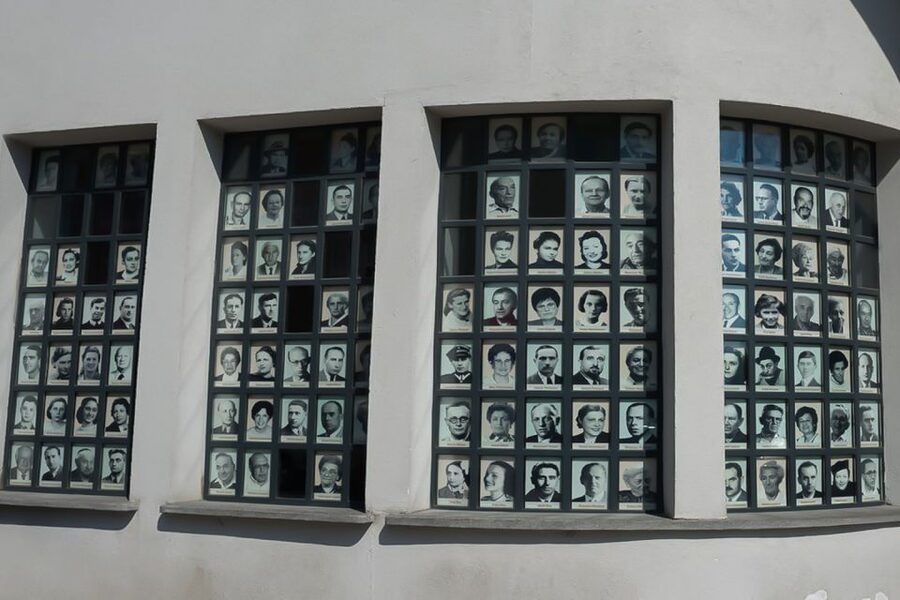
The museum uses narrow corridors and dim lighting to recreate the atmosphere of wartime Kraków. That design supports the story, but it creates a practical challenge: group movement and sightlines.
Some visitors said the small rooms can feel cramped when groups are larger, and they wished for a bit more time in certain areas. Even with skip-the-line entry, this is still a museum with other visitors and scheduled access. So don’t plan your photo hunt as if you’re touring at your own pace.
Here are my practical tips to get the best result:
- Bring layers. The ghetto walk is weather-dependent in comfort even if the tour runs in rain or shine.
- Wear shoes that handle uneven sidewalks and short stops.
- If you care about photos, decide one or two “must get” moments inside the museum before you start, then trust the guide for everything else.
Also consider the time of day. One reviewer warned that an evening schedule can make it harder to see surroundings clearly. If you have a choice between morning or afternoon, that’s usually the safer bet for enjoying streetscapes as you walk between key sites.
Price and value for a 3-hour guided history tour at $57
At $57 per person for a 3-hour experience, the value comes from three things working together: (1) guided interpretation, (2) skip-the-line admission, and (3) the pairing of museum history with an on-foot ghetto segment.
If you tried to do this on your own, you’d spend time figuring out how to connect Schindler’s factory to the ghetto sites in a meaningful way. You’d also likely lose time in ticket lines at the museum. The guide reduces both friction and confusion.
Included items are straightforward: guide, skip-the-line admission to Schindler’s Factory, and a walking tour of Krakow Ghetto. Not included: hotel pickup and drop-off, plus food and drinks. That means you’re free to eat when you want, but you should budget time for meals separately.
For me, the value is strongest if you want context quickly. This is not a “wander and hope” kind of museum. The architecture and layout make it easier to feel the setting when you have a narrative guide. If you’d rather read everything at your own pace without timing pressure, you might prefer a self-guided museum visit plus a separate ghetto walk. But if you want the story connected in one compact window, this pricing is fairly in line with that kind of high-impact, guided experience.
Who should book this tour, and who might want a different plan
You should strongly consider booking if:
- You want to understand how Nazi occupation shaped everyday life in Kraków, not just major headlines.
- You like structured guidance in emotionally heavy settings.
- You want a clear set of ghetto sites, not a vague “Jewish quarter” stroll.
This tour may feel like a lot if:
- You get anxious in tight, dimly lit spaces.
- You need long pauses to read every display.
- You prefer lighter historical topics for the first day in a new city.
If you’re pairing your schedule, this one fits well as part of a focused Kraków day. The emotional intensity also makes it a good idea to plan something calmer later, like a relaxed dinner or an easy walk away from memorial sites.
Should you book Krakow: Schindler’s Factory & Ghetto Guided Tour?
Yes, if you want your Kraków history to feel specific and grounded in real places, not just names and dates. The combination of Schindler’s Enamel Factory Museum plus a guided walk that hits the Ghetto Walls remains, Ghetto Heroes Square Chair Memorial, and Under the Eagle Pharmacy gives you a complete arc in just 3 hours.
My final advice is simple: go with the mindset that this is meant to be emotionally serious, and prepare for a guided pace. If you do that, you’ll get a powerful, well-structured understanding of Kraków under occupation, and you’ll leave knowing what to look at next time you see these sites on your own.
Recently reviewed around Krakow
- Krakow: City Sightseeing Tour by Shared or Private Golf Cart★ 4.4 · 21 reviews
- Krakow: City Golf Cart Tour and Schindler’s Factory Museum★ 5.0 · 4 reviews
- Krakow beer review with a local guide★ 5.0 · 4 reviews
- Kraków: Romantic Candlelight Chopin Piano Concert★ 4.9 · 8 reviews
- From Krakow: Chocholow Hot Springs Evening or Daytime Ticket★ 4.7 · 72 reviews
- From Krakow: Zakopane, Tatra Mountains & Thermal Baths Tour★ 4.9 · 52 reviews
- Kraków: VIP Candlelight Concert The Music of Fryderyk Chopin★ 4.8 · 8 reviews
- Krakow: Bottomless Brunch with 3-Course Meal and Drinks★ 3.8 · 30 reviews