
Reviewed · SCHINDLER'S FACTORY TOURS
Krakow: Oskar Schindler’s Factory Entry and Guided Tour
Krakow’s Oskar Schindler’s Factory tour is interesting because it turns WWII history into something you can see, hear, and walk through, inside the very industrial building where Schindler’s story began. It follows how Nazi occupation smashed daily life in Krakow, and how ordinary people faced impossible choices.
I love how smoothly the skip-the-line entry gets you into the museum without wasting time, and I love the way the exhibits mix factory details with firsthand material like photographs, eyewitness accounts, films, and multimedia. One drawback to plan for: if the group is large, some rooms feel tight, and it can be harder to get close enough to follow the guide’s explanation.
Key Takeaways Before You Go
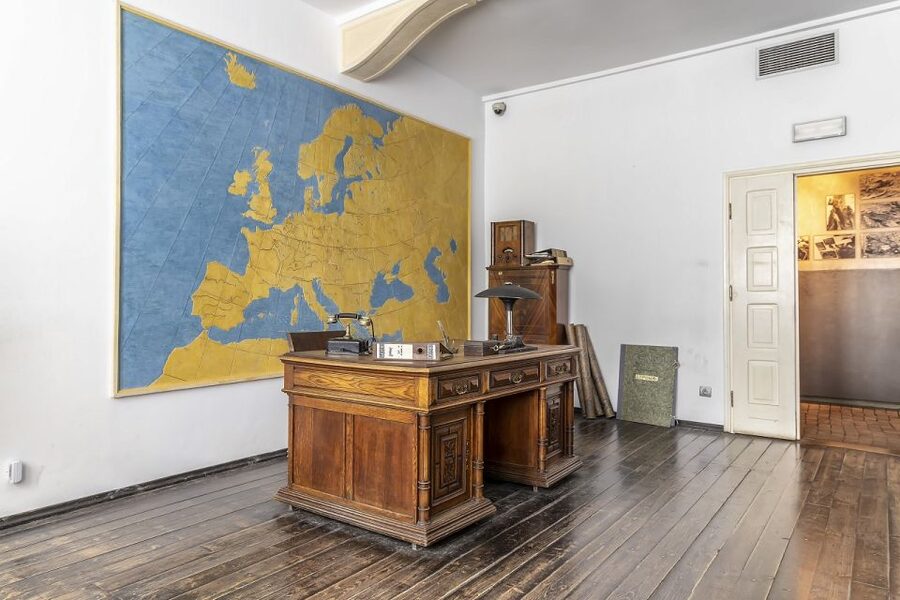
- Schindler’s office is preserved inside the factory’s administrative building
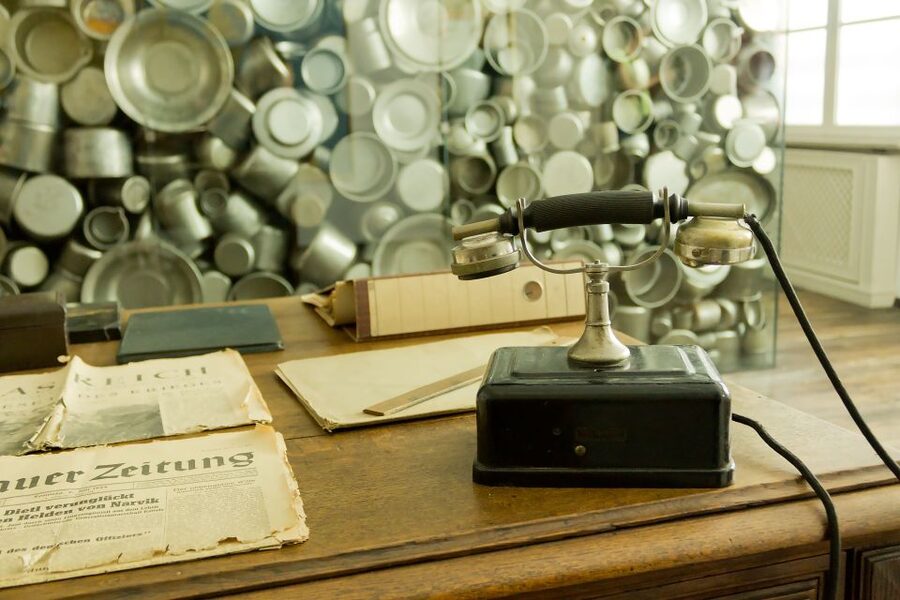
- The Survivor’s Ark is made from thousands of enamel pots, built from the factory’s own craft legacy
- You’ll see eyewitness accounts, documentary photographs, and films that make the timeline feel real
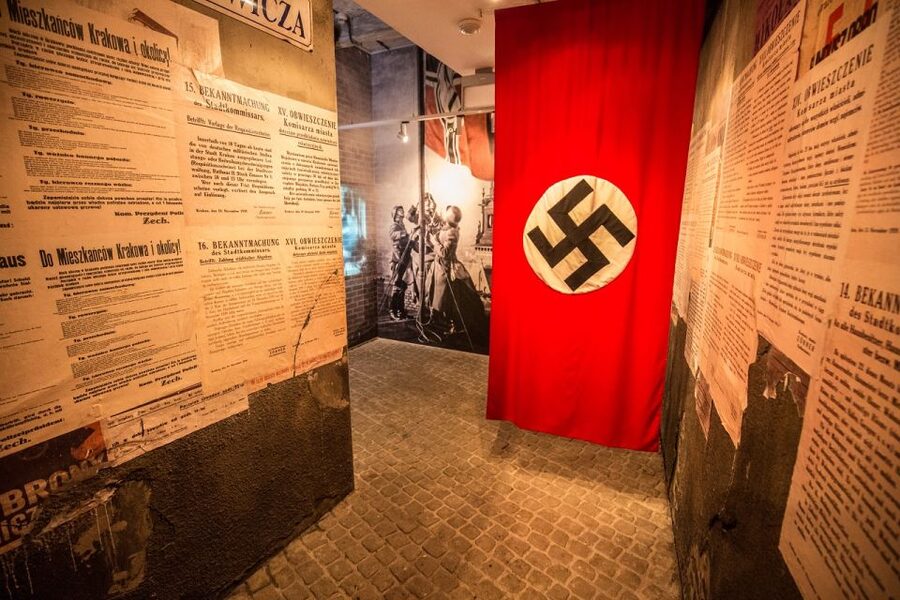
- The tour recreates parts of Nazi-occupied Krakow, including a typical Jewish apartment and tram scenes
- You’ll encounter artifacts connected to Plaszow camp and a powerful “Hall of Choices” installation
- Tours run with a live guide in multiple languages, so you can match your comfort level
Entering the Story at Lipowa 4
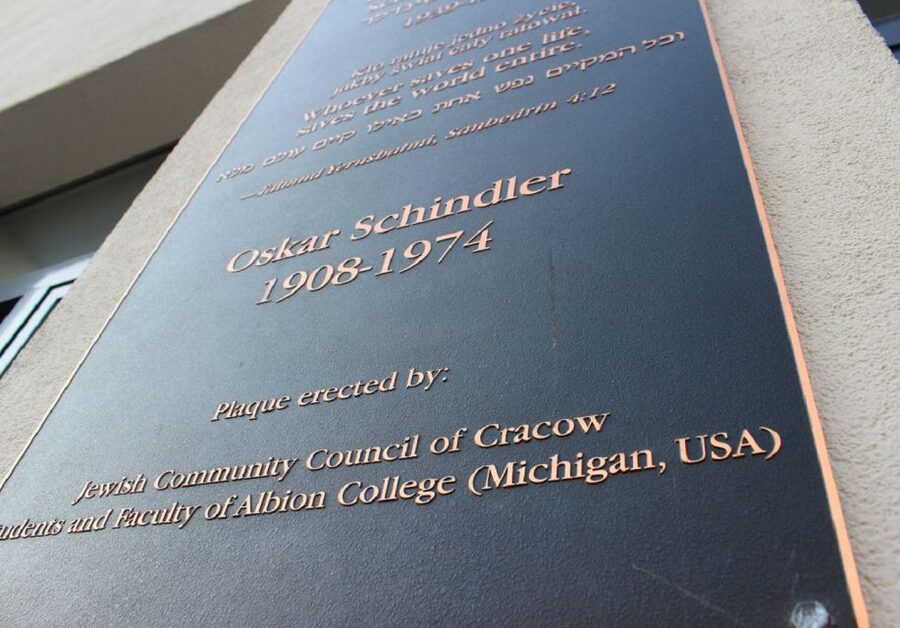
This tour starts at Lipowa 4, at the front of the main entrance of the museum. Your guide will be holding an excursions.city sign, and you return to the same meeting point when the 1.5-hour visit ends. If you like to be punctual and stress-free, arrive a few minutes early, because the group comes together quickly.
Once you’re gathered, you move from the street into a place that feels half museum, half evidence room. The tone is serious, but the structure is practical: you get guided context first, then you watch, read, and move through scenes built to help you understand what war did to both the city and the people inside it.
The big idea is simple. You are not only learning what happened. You are learning how people lived before it, during it, and what decision points forced people toward moral risk every day from 1939 to 1945.
More Schindler's Factory tours to compare:
- Krakow: Oskar Schindler’s Factory Entry Ticket & Guided Tour
★ 4.2 · 3,793 reviews - Krakow: Schindler’s Factory Tour with Entrance Ticket
★ 4.5 · 3,182 reviews - Krakow: Schindler’s Factory Skip-the-Line Ticket
★ 4.4 · 3,105 reviews
The Factory Building and Why It Matters
The Oskar Schindler’s Enamel Factory is not a generic “WWII site.” It is a former enamel works complex, and the museum is set in that world on purpose. That matters because factories were not only backdrops. They were parts of the system that occupied cities, employed workers, and shaped who had access to survival.
Inside, you follow a guided route that feels like walking through a carefully sequenced story. The exhibit focuses on Krakow under Nazi occupation and explains how the war disrupted centuries-long Polish-Jewish relations. You also get an emphasis on multiple perspectives: the exhibition tells the story of Poles and Jews, not just one group, and it includes the Nazi occupiers who violently changed the city.
I like this approach because it keeps you from turning history into a single-label tragedy. It also helps you notice the everyday details, like how housing and jobs worked, and how those details shifted under occupation.
Skip-the-Line Entry: What You Gain With 1.5 Hours
You are paying for more than a museum ticket. The tour includes entrance and a professional guide, and one of the practical advantages is skip-the-line access. In a popular city like Krakow, that can be the difference between “waiting around” and “starting the visit already in motion.”
With only 1.5 hours, time discipline matters. Skipping the ticket line helps you spend your limited window on the exhibits themselves, not on logistics. It also means you can stay mentally present. You get a guided walk while your attention is still sharp.
Here’s a realistic note. Even with skip-the-line access, the guided format is timed. If you want to linger with documents, photos, or specific rooms, plan to add extra independent time on another day or later, if you have it.
Stop Inside Schindler’s Office: Preserved Details That Hit Hard
One of the most striking segments of the tour is the preserved Schindler’s office within the factory’s administrative building. This part works because it anchors the story to a real location, not just a name on a panel.
You do not just see a room. You get context for what the office represented in the war system, and you connect that space to the way survival strategies formed under pressure. The guide’s job is to connect the exhibit artifacts to what they meant to people at the time, and the office segment is a key anchor for that.
If you are the type of traveler who likes to understand motives and constraints, this is a strong moment. You are forced to think about how paperwork, labor, and power intersected, especially when life depended on who could act and who could not.
A few more Krakow tours worth comparing
- From Krakow: Auschwitz-Birkenau Guided Tour & Hotel Pickup
★ 4.5 · 33,358 reviews - From Krakow: Auschwitz-Birkenau Guided Tour & Hotel Pickup
★ 4.5 · 29,340 reviews - Krakow: Auschwitz Guided Tour with Optional Hotel Pickup
★ 4.5 · 15,280 reviews - Krakow: Auschwitz-Birkenau Guided Tour with Pickup & Lunch
★ 4.5 · 9,800 reviews
The Survivor’s Ark: Enamel Pots as a Visual Argument
Another unforgettable feature is the “Survivor’s Ark,” built from thousands of enamel pots similar to those produced in the factory. This exhibit is visually arresting, but the point is more than aesthetics. It turns the factory’s ordinary craft into a memorial.
I like that the museum uses material culture in a deliberate way. Instead of keeping everything at the level of text, it shows you how the same production that made everyday items became part of a survival story. That contrast is part of why the exhibit can feel emotionally heavy without losing clarity.
The “Survivor’s Ark” also gives you a break from reading panels. It is a moment where your brain gets to process without language buffering the impact.
Eyewitness Accounts, Photos, Films, and Multimedia
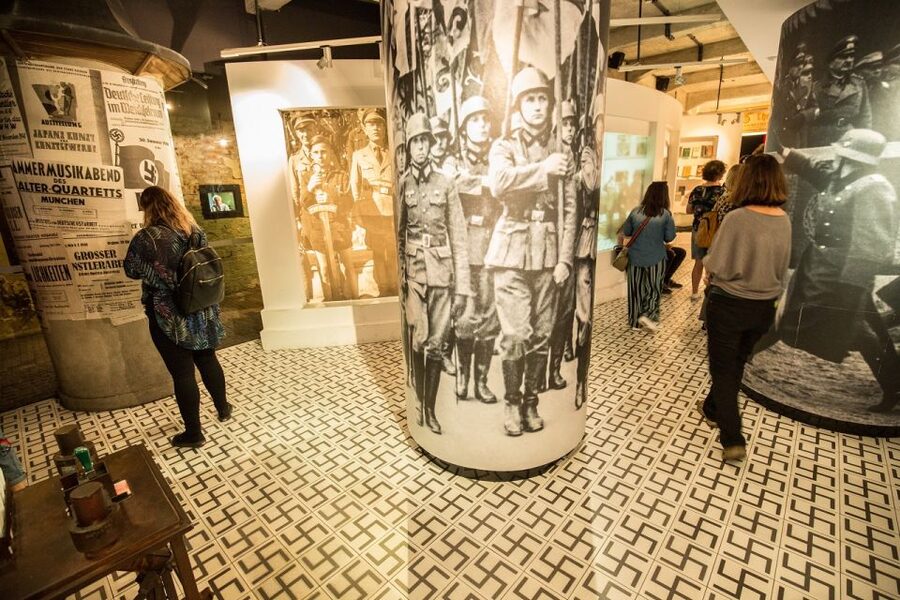
A good guided museum tour does something subtle. It gives you a map for what to look at, and then it helps you interpret what you see. This tour leans hard into that with documentary photographs, eyewitness accounts, film documentaries, and multimedia presentations.
As you move from room to room, you keep running into evidence types, not just one format. That variety helps if you have different learning styles. Some people connect best with photos. Others need video or guided narration. Here, the museum uses all of them.
Also, the guide does not just recite dates. You’re guided through everyday life in Krakow during the Nazi occupation years, 1939 to 1945. That’s important. It helps you understand the war not as a single catastrophic event, but as a sequence of lived changes, including fear, restrictions, displacement, and moral compromise.
A Theatrical Krakow Space and a Tram Ride Through Daily Life
Part of the experience includes a theatrical recreation of historical city space. Think of it as a guided way to feel how the city looked and worked before the war crushed routines.
Then you board a tram and watch a documentary that portrays everyday life in the city. For many people, this is one of the most effective emotional tools on the tour. The tram segment turns “history class” into “I can picture it.”
If you like city-level storytelling, you will probably appreciate this section. It helps you remember that Krakow was not only a site of tragedy, it was a functioning urban community, with streets, rhythms, and routines that war interrupted.
If you dislike scripted or theatrical museum elements, this still might work for you, because the goal is context, not spectacle.
Typical Jewish Apartment: Small Spaces, Big Consequences
The tour also includes a visit to a typical Jewish apartment. This is where the museum makes the war feel personal. You see the kinds of domestic spaces people lived in, then you understand how occupation policies turned those spaces into sites of vulnerability.
I like that the apartment segment stays tied to the wider story rather than standing alone. The guide’s role is key here, because the apartment is not only about objects. It is about how living conditions changed and how family life could be crushed by external control.
If you tend to get lost in “big picture” history, this stop brings you back to scale. You start thinking about what daily life meant, and what it cost to keep living.
Plaszow Camp Artifacts and the Moral Weight of Evidence
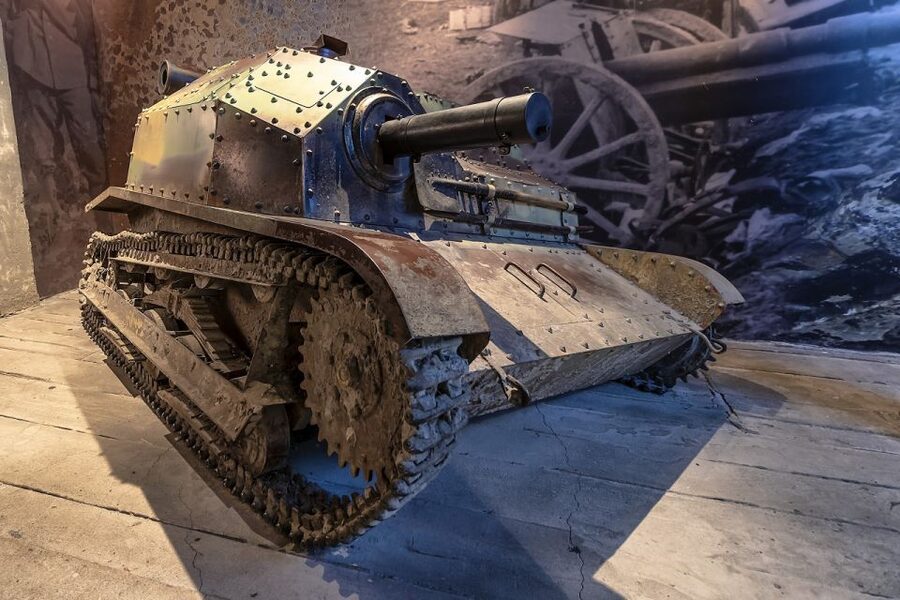
The tour includes artifacts from Plaszow camp. This is not a casual viewing moment. It carries a heavy moral charge because it turns the camp concept from a distant geographic label into something tangible and immediate.
Even if you know the outline of Holocaust history, artifacts like these can change how the story lands. They can also raise the emotional intensity quickly. Plan to take your time mentally here. If you need a pause, it is okay to step back for a minute and regroup.
This segment also reinforces the exhibition’s approach: it does not treat the war as an abstract “event.” It shows how systems worked on bodies and lives.
The Hall of Choices: Ethical Dilemmas With No Easy Answers
One of the most talked-about parts of this museum experience is the “Hall of Choices,” a sculptural installation symbolizing the ethical dilemmas people faced during the war.
This is where the tour shifts from explanation to reflection. You are not only learning what happened. You are confronting the kind of decisions that war forces on humans, including decisions that could hurt someone even when the person making the choice was trying to survive.
I appreciate that the exhibit does not present the war as a simple good versus evil spreadsheet. It pushes you to recognize how pressure works, how fear works, and how human behavior can change under catastrophic conditions.
Be ready for this section to feel intense. It can be one of those “quiet after” moments when you walk out thinking longer than you expected.
What the Guide Actually Does (and Why It Matters)
A guided tour lives or dies by the guide. The strongest part of this experience is the way the guide explains the museum so you can follow what’s in front of you, not just what the museum wants you to read.
You get professional guidance that connects the factory setting to the WWII timeline, then ties the exhibits back to everyday life in Krakow. That is what makes the museum go from information to understanding.
One practical note from experience with similar guided formats: room layout can affect your ability to see and hear. If you are closer to the front during explanations, you’ll probably get more out of it. If the group is large, the aisles can feel tight, and you may find yourself at a distance from the key objects or visuals.
Group Size and Room Crowding: Plan for the Real World
This tour can get busy, especially in peak times. When groups are large, narrow corridors and tight exhibit spaces reduce your ability to focus on details. You might also have less space to pause near objects that matter to you.
So here’s my practical advice. Choose a start time that fits the day’s rhythm, not the busiest-looking hour. When you arrive, look for the spots that put you closest to the guide during explanations. If you can, position yourself early rather than trying to move later.
Even if you cannot avoid crowds completely, you can still make the visit work. Set your goal. Pick one or two sections you care most about, like the office, the “Survivor’s Ark,” or the “Hall of Choices,” and give those your full attention. When you do that, the tight-room problem hurts less.
Price and Value: Is $45 Worth It?
At $45 per person, you are paying for three things: guided interpretation, entrance, and time savings from skip-the-line entry. For an experience that packs multiple exhibit formats into 1.5 hours, the value is in efficiency.
A museum alone can feel overwhelming, especially with WWII topics that demand careful context. The guide saves you from wandering room to room without a timeline or a sense of what to prioritize. You also get structured viewing that keeps the story coherent.
If you are a self-guided traveler who likes to read every label, you might want a separate un-guided visit to linger. But as a first encounter with Schindler’s Factory, a guided visit usually gives you the best payoff per hour.
What This Tour Is Best For
This tour is a great match if you:
- want a guided explanation that connects the factory setting to WWII in Krakow
- prefer museum storytelling that uses photos, films, and staged scenes
- like ethical and human-behavior questions, not only dates and facts
- want a compact 1.5-hour plan that still covers the core exhibits
It may be less ideal if you:
- hate tight spaces and crowded museum rooms
- need extra time to study objects up close with no group pressure
- expect a relaxed pace with lots of wandering
Who Should Skip This Day and Do Another Visit
If you are visiting on an extremely packed day, it could be worth checking the schedule and picking a calmer time. Crowding is the main downside to plan around, and it can affect both hearing the guide and your ability to see exhibits clearly.
Also, if you tend to feel overwhelmed by heavy WWII content, prepare yourself emotionally. This is a powerful museum. It’s not casual.
That said, if you can handle intense subject matter, this tour delivers a focused, guided path through some of the most memorable parts of the museum.
Should You Book Oskar Schindler’s Factory Guided Tour?
Yes, I would book it if this is your first time in Schindler’s Factory or if you want to understand the story without guessing what to focus on. The combination of skip-the-line entry, a live guide, and high-impact exhibits like Schindler’s office, the “Survivor’s Ark,” the tram documentary segment, and the “Hall of Choices” makes it a strong use of 1.5 hours.
My only caution is realistic: go in expecting crowds and tight spaces. If you can choose a less busy time and position yourself well during explanations, you’ll get far more out of the tour.
If your schedule allows, consider adding extra independent time later to revisit the rooms that hit hardest.
FAQ
How long is the Oskar Schindler’s Factory guided tour?
The tour lasts about 1.5 hours.
Where do I meet the guide?
Meet at the front of the main entrance of the museum at Lipowa 4. The guide will be holding an excursions.city sign.
Does the tour include entrance fees?
Yes. Entrance fees are included.
Can I skip the ticket line?
Yes. The tour includes skip-the-line entry.
What languages are offered?
The tour is available in English, French, German, Italian, Spanish, and Polish.
What is the price per person?
The price is $45 per person.
Is free cancellation available?
Yes. You can cancel up to 24 hours in advance for a full refund.
Recently reviewed around Krakow
- Walking Tour: Kazimierz, Jewish Quarter – 2-Hours of Magic!★ 4.7 · 35 reviews
- Wawel Castle and Cathedral Guided Tour★ 5.0 · 8 reviews
- Wawel Castle and Cathedral Guided Tour★ 4.6 · 44 reviews
- Kraków Holocaust Tour★ 4.9 · 5 reviews
- Wadowice and Kalwaria: John Paul II Route★ 4.8 · 5 reviews
- VIP Club Entry and Booth Booking★ 5.0 · 4 reviews
- Walking Tour of Krakow: Old town – 2-Hours of Magic★ 4.7 · 5 reviews
- Krakow: Zakopane, Thermal Baths and Gorce Park Treetop Walk★ 5.0 · 3 reviews