
Reviewed · AUSCHWITZ-BIRKENAU MEMORIAL VISITS
Auschwitz-Birkenau: Guided Tour and Skip-The-Line Ticket
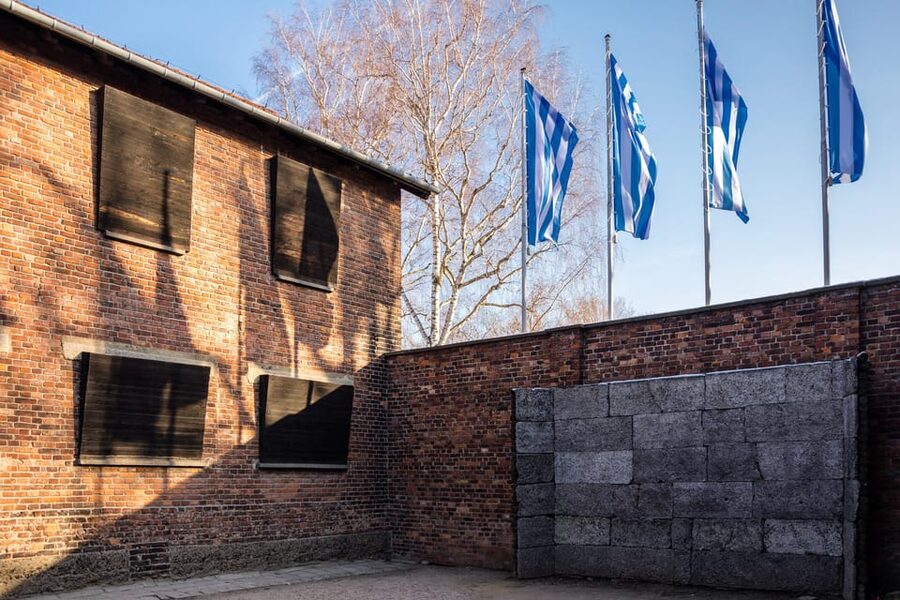
A visit to Auschwitz-Birkenau is heavy, and what makes it different from a quick stop is the need for a clear route and a guide who can explain what you are looking at. This guided, skip-the-line experience gets you into the memorial with less waiting, then walks you through both Auschwitz I and Auschwitz II.
Two things I really like are the professional licensed guide and the way the day is structured to keep the focus on what matters. You get museum time at Auschwitz I, then about an hour at Auschwitz II Birkenau to see the barracks area, plus the places tied to mass murder, like the gas chambers and crematoriums.
One possible drawback is that the schedule is not built for lingering. You will have short breaks, and the move from Auschwitz I to Birkenau means you are doing a quick transfer yourself, a detail that even a visitor who needed help getting around (with help from a bus guide named Joanna in one case) still found worth planning carefully for.
Key highlights to know before you go
- Skip-the-line entry after you meet your host outside Auschwitz I and pass the security check
- Professional licensed guide leading the whole route with explanations in multiple languages
- Auschwitz I museum visit (about 1h20 to 1h50) before you take a short break for lunch
- A short break that also supports the 2 km Brzezinka move using your own transport
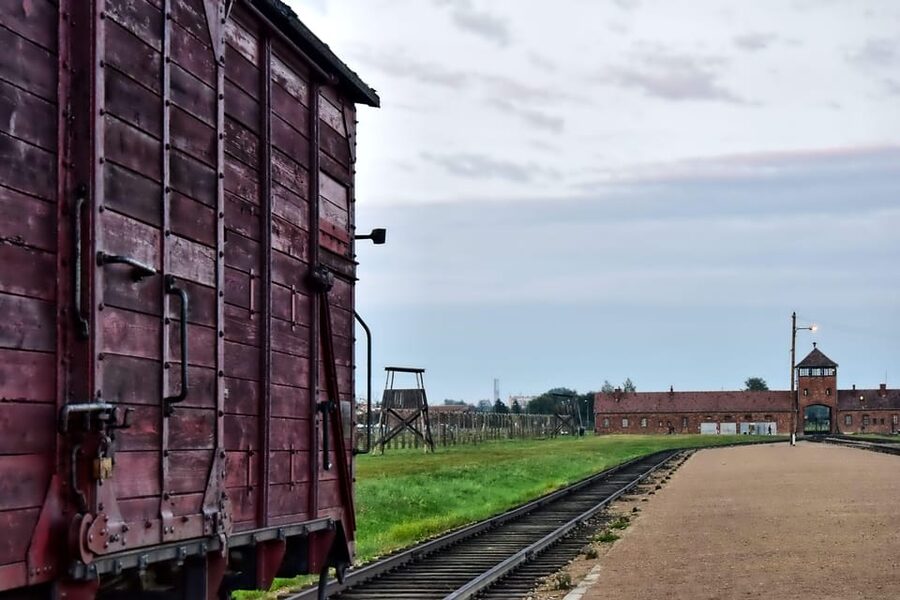
- About one hour at Auschwitz II Birkenau to see the key parts of the camp layout
- Built-in limits that keep things respectful and calm, like restrictions on large bags and flash photography
Auschwitz-Birkenau is not a DIY museum day
This is one of those places where “wing it” often turns into confusion and awkward silence. You will see serious things, and you deserve context while you are standing in the right locations. A guided route helps you connect the dots fast, so you are not just reading plaques without understanding.
Also, the setting works against slow tourism. The memorial controls the pacing, and you will move through timed segments. The result is that you get a structured visit, even though the subject is anything but structured.
The good news is that the guided format makes the experience more human. Your guide is not just reciting facts, they are helping you understand why these specific buildings and spaces exist in the story of WWII and the Holocaust.
More Auschwitz-Birkenau memorial visits from Krakow:
- From Krakow: Auschwitz-Birkenau Guided Tour & Hotel Pickup
★ 4.5 · 33,358 reviews - From Krakow: Auschwitz-Birkenau Guided Tour & Hotel Pickup
★ 4.5 · 29,340 reviews - Krakow: Auschwitz Guided Tour with Optional Hotel Pickup
★ 4.5 · 15,280 reviews
Skip-the-line entry and meeting at Auschwitz I
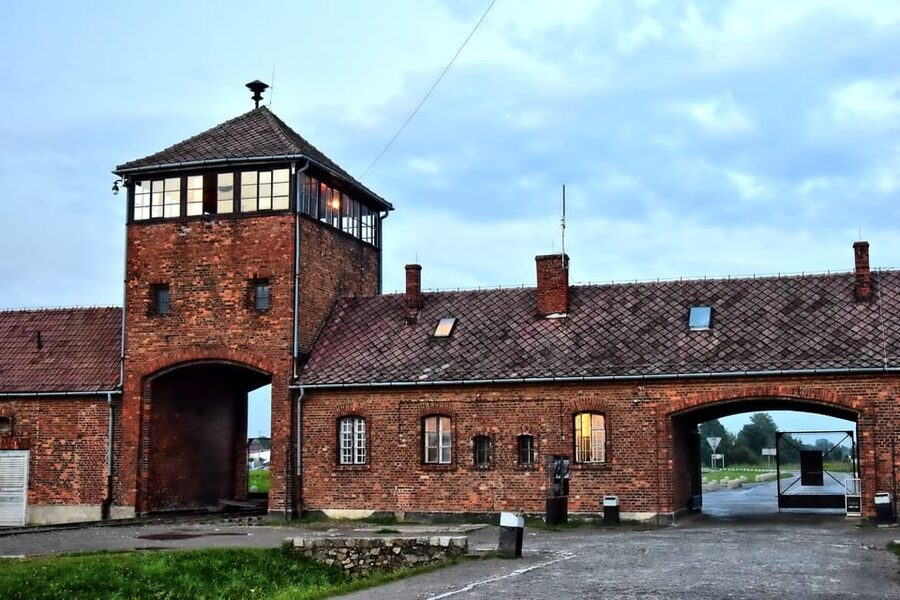
Your tour starts at the Auschwitz I entrance, where you meet your host outside and get your ticket. From there, you enter through security, so you are not avoiding that step, but you are reducing the usual ticket-line friction.
Expect the day to feel organized right away. The pre-booked ticket matters here, because it sets up a smoother arrival into the museum route. You will also want to have your ID ready, since you are expected to bring your passport or ID card.
If you are the type who likes to arrive early “just in case,” do it. Not because you will get extra time inside, but because the front end can still take a bit of effort with security and group assembly.
Auschwitz I museum segment: what you’ll focus on, and why it’s timed
The first part of the visit runs roughly 1 hour 20 minutes to 1 hour 50 minutes. That length is short enough to keep momentum, but long enough for a meaningful museum walkthrough with a guide.
This is the phase where you learn the big picture: how the camp operated and what the history of Auschwitz as the largest concentration camp from WWII looks like on the ground. You will be guided through the museum areas, with your guide explaining what you are seeing and why it matters.
A key value here is interpretation. Many people can read exhibit text, but text does not always tell you what to notice first. With a guide, you learn what details connect, which makes the visuals start to click.
One tradeoff is that you will not have a long “sit with it” pause for every stop. Even when the explanations are excellent, the next segment is waiting, and another group may be moving through at the same time. One reason this matters is emotional processing takes time, and the route is designed for schedules.
The short break: lunch, then the 2 km move to Brzezinka
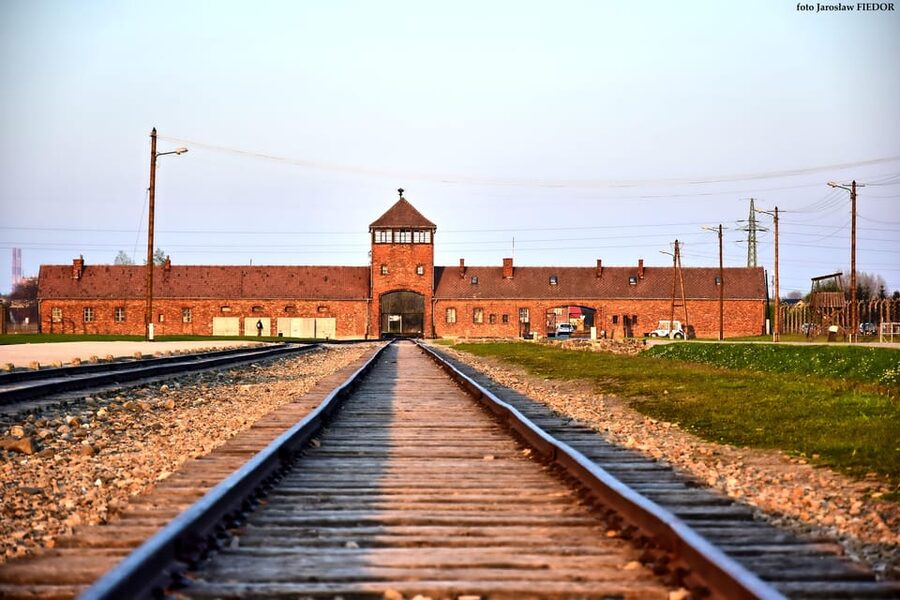
Between the Auschwitz I portion and the Auschwitz II portion, there is a break. You should plan for 10 to 15 minutes for lunch, and also factor in the practical requirement to reposition yourself to the Birkenau area.
After completing Auschwitz I, you are given a 15-minute break and you are expected to go to the car parking area in Brzezinka on your own transport, covering about 2 km. If you are using public transport, tell your tour leader before you start, because they can help you connect the dots for how to get there during the short window.
This is not a “wander around and clear your head” break. It is more like a controlled reset. If you arrive thinking you will eat slowly, you might feel rushed.
So here is the simple move: pack lunch and drinks. Food and drinks are not included, and you are specifically advised to bring them. If you do, the break stays useful instead of stressful.
A few more Krakow tours worth comparing
- Krakow to Auschwitz Birkenau Guided Tour with Transfer and Ticket
★ 5.0 · 8,197 reviews - Krakow: Wieliczka Salt Mine Fast-Track Ticket & Guided Tour
★ 4.5 · 5,872 reviews - Auschwitz Birkenau Guided Tour with Ticket Hotel Pickup Small Van
★ 5.0 · 4,769 reviews - From Krakow: Wieliczka Salt Mine Tour & Skip the Line Ticket
★ 4.4 · 3,925 reviews
Auschwitz II Birkenau: the layout, the buildings, and the moral weight
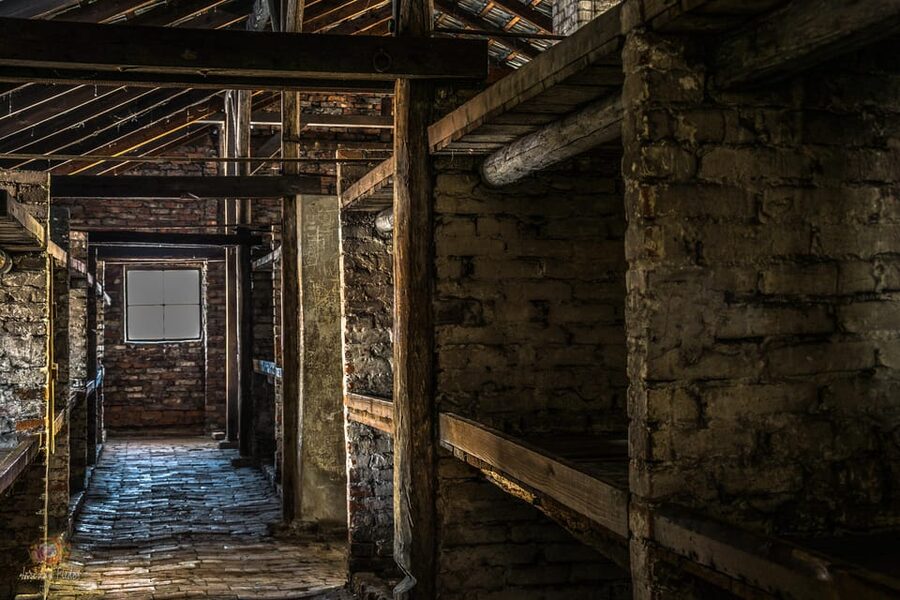
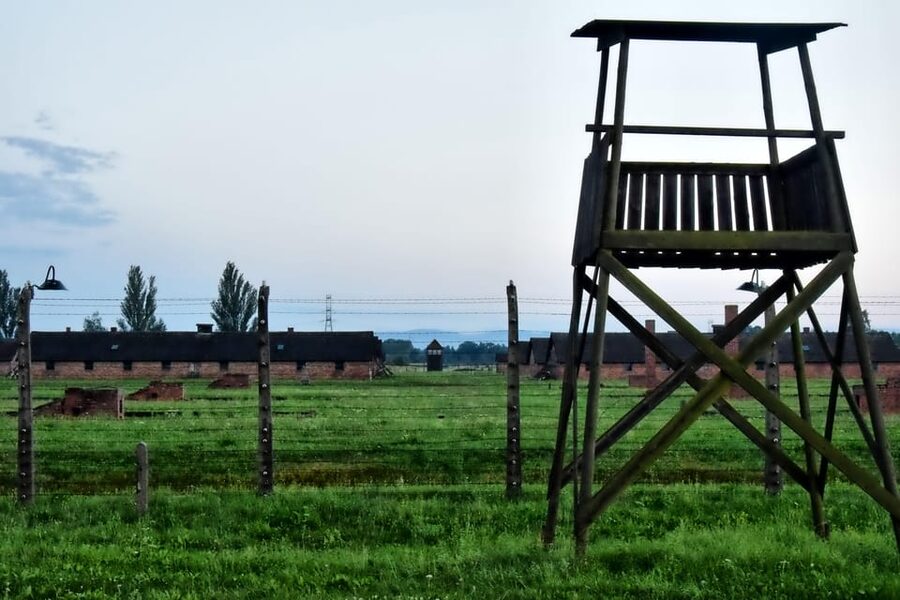
After the repositioning, you spend around one hour at Auschwitz II Birkenau with the same guide. This portion is essential because Birkenau is where you see much of the camp scale and structure that is tied to mass murder.
This is also where the highlights you came for tend to be most visible, including the barracks, the gas chambers, and the crematoriums. Those words are heavy, and on site they become more than vocabulary. You see how the camp was designed to function, and your guide helps you connect what you are observing to the historical reality.
I like this segment because it is focused. Unlike a museum where you might drift between galleries, Birkenau is experienced as a route through space. The guide keeps the story anchored to place, so you are not just staring at buildings. You are seeing how the camp layout worked.
The drawback is unavoidable: one hour is not long. It is enough to understand the key points, but not enough to process everything at your own pace. If you want extra time for personal reflection, you will likely find that the schedule limits your ability to do that fully during the official visit.
The licensed guide: what makes this tour worth it
This tour is built around a professional licensed guide, and that is the real engine. When the guide is strong, you stop treating the visit like a checklist, and start treating it like a guided, structured education in what you are seeing.
One of the best signals from experience summaries is how much the guides can explain in a short window. You do not have to be a WWII expert to follow along, because the guide helps you build context step by step.
Also, you get continuity. The same guide does both Auschwitz I and Birkenau, so you are not getting one explanation in one place and a totally different framing elsewhere. That continuity matters for accuracy and for keeping your brain organized.
I will add one practical point: language matters here. The tour is offered in English, Italian, French, Spanish, and German. If you are fluent, you will likely feel more steady and less overwhelmed. If not, you might still follow a lot visually, but the emotional weight of the topic makes clear communication a real advantage.
Price and value: why the guide matters more than the ticket cost
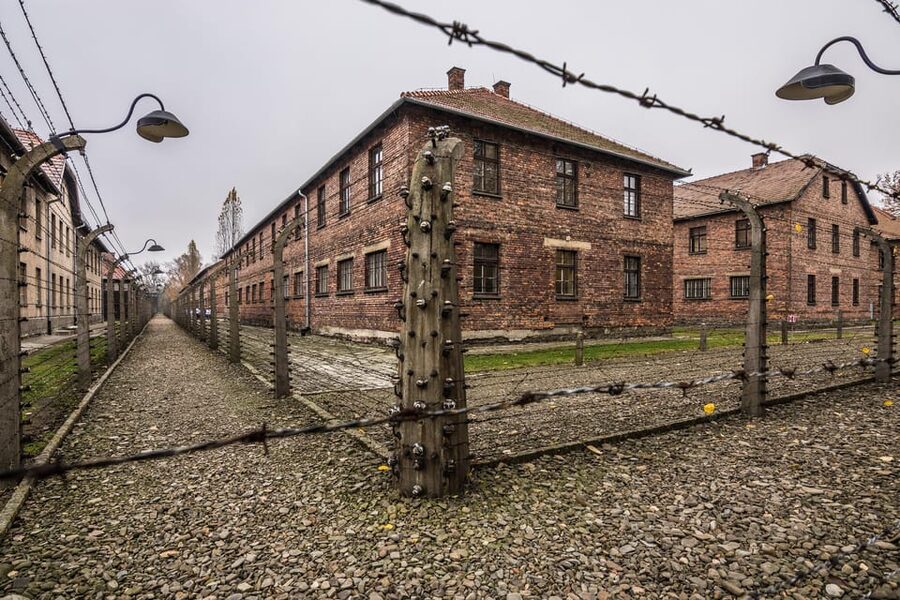
The price listed is about $10 per person, which can feel almost unreal for a skip-the-line ticket plus a licensed guide. Here is how I think about the value.
First, you are paying for the entry and the guided interpretation, not for transportation or food. Those things are not included, and you should budget for them separately if you need to move around on your own.
Second, skip-the-line helps, but it is not magic. You still go through security. The value is that you spend less time waiting around and more time with a guide in the route that the memorial expects.
Given what is included, this can be a strong deal if you care about learning instead of just walking. If you were considering a self-guided visit to save money, the guide is what keeps you from turning the day into a fog of names and buildings.
Who this tour suits, and who should think twice
This experience is described as not suitable for children under 12, pregnant women, or people with mobility impairments. That matters because the day includes a long on-foot route across sensitive ground, plus the need to manage the transfer between Auschwitz I and Birkenau during a tight break.
If you are traveling with a teenager or adult who can handle intense subject matter, the guided format helps. It provides direction and context, and it keeps the visit from becoming random.
If you have mobility limitations, it is better to look for alternatives that match your needs. The key reason is not just discomfort, it is that the pacing and route are not described as adjustable for mobility constraints.
And if you are sensitive to historical trauma and strong emotions, plan for that. You will likely feel it. The guide does not soften the subject, they help you face it with clarity.
Practical stuff that can save your day
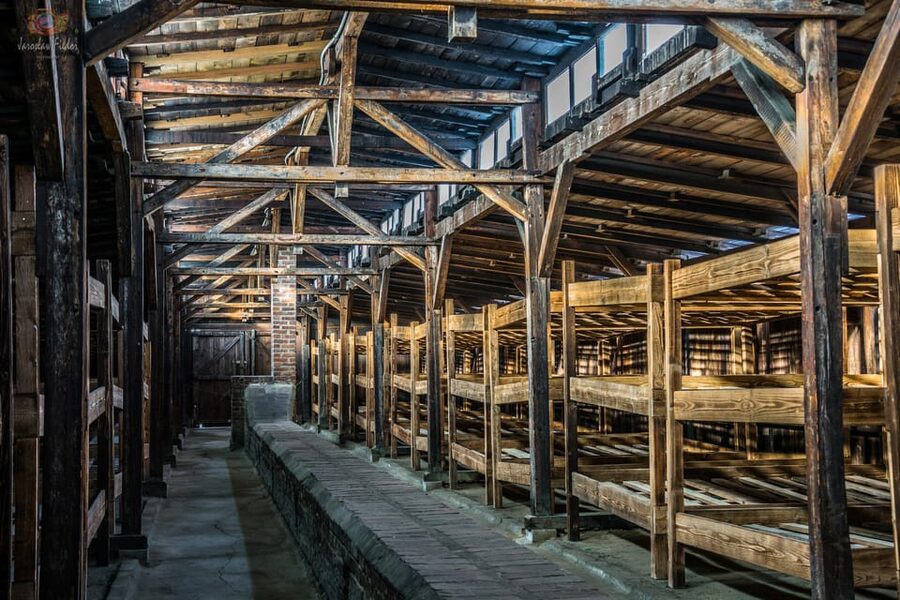
A few small rules can cause big stress if you ignore them.
- Bring your ID: passport or ID card is required.
- No big bags or backpacks. The maximum size permitted is 20 x 30 cm.
- No flash photography.
- Food and drinks are on you. Bring lunch and water so the break stays workable.
Also, plan around the time window. The tour can run between 7:30 AM and 3:00 PM, and the exact starting time is sent to you the day before. That means you should keep your schedule open and avoid booking other “must be there by” plans right around the tour.
Finally, remember that transportation to and from your accommodation is not included. If you were assuming pickup, meet the host correctly outside Auschwitz I entrance and plan the Brzezinka repositioning during the short break.
Should you book this Auschwitz-Birkenau guided skip-the-line tour?
If you want a straightforward, respectful visit with the structure that helps you understand what you are seeing, I would book it. The combination of skip-the-line entry and a licensed guide is the key value, especially for a site where you really benefit from context.
If you are hoping for a slow, self-paced walk or long pauses to process at your own speed, you might find the schedule a little tight. Also, if you need mobility accommodations, this specific setup is not recommended.
My advice is simple: if you can handle the subject matter and you show up prepared with the right ID and minimal bags, this tour is a smart way to do Auschwitz-Birkenau without wasting time or losing the thread.
FAQ
How long is the Auschwitz-Birkenau guided tour?
The duration is listed as 210 minutes, which covers the Auschwitz I visit, the break, and the Auschwitz II Birkenau visit.
Is there an entry ticket and a guide included in the price?
Yes. The ticket for the Auschwitz-Birkenau Museum entry and a professional licensed guide are included.
What languages is the live guide available in?
The live tour guide is available in English, Italian, French, Spanish, and German.
Where do I meet the host?
Meet your host who gives you the tickets outside the Auschwitz I entrance.
What do I need to bring with me?
Bring your passport or ID card.
Are backpacks and large bags allowed?
No. Luggage or large bags are not allowed. The maximum size permitted is 20 x 30 cm, and backpacks are also restricted.
Is this tour suitable for young children or people with mobility impairments?
No. It is not suitable for children under 12, pregnant women, or people with mobility impairments.
Recently reviewed around Krakow
- Krakow: City Golf Cart Tour and Schindler’s Factory Museum★ 5.0 · 4 reviews
- Krakow: City Sightseeing Tour by Shared or Private Golf Cart★ 4.4 · 21 reviews
- Krakow beer review with a local guide★ 5.0 · 4 reviews
- Kraków: Romantic Candlelight Chopin Piano Concert★ 4.9 · 8 reviews
- From Krakow: Chocholow Hot Springs Evening or Daytime Ticket★ 4.7 · 72 reviews
- From Krakow: Zakopane, Tatra Mountains & Thermal Baths Tour★ 4.9 · 52 reviews
- Kraków: VIP Candlelight Concert The Music of Fryderyk Chopin★ 4.8 · 8 reviews
- Krakow: Bottomless Brunch with 3-Course Meal and Drinks★ 3.8 · 30 reviews