
Reviewed · AUSCHWITZ-BIRKENAU MEMORIAL VISITS
From Krakow: Auschwitz-Birkenau Camp Complex Guided Day Trip
Auschwitz-Birkenau is the kind of place that rearranges how you see the world, and this 7-hour day trip is built to help you understand it, not just tour it. You get a guided look at the camp’s history and purposes, plus a close, careful view of the everyday items people left behind at arrival.
I especially like the way the tour turns broad history into specific scenes, from the camp setup and roles to what life looked like at Monowitz. Second, I like the built-in rhythm: walk, look at artifacts, listen, and then pause to reflect at the memorials around the complex.
The main drawback to plan for is the emotional weight plus lots of walking in cold or bad weather. Comfort matters here, because you will move through memorial spaces for hours, and the visit asks you to pay attention the whole time.
Key things I’d watch for on this tour
- Private Krakow pickup and transport keeps the day smooth, and you return to Krakow after the visit.
- Italian live guide (and optional Italian audio) means the explanation is guided, not just self-guided.
- Auschwitz I focus on belongings and documents helps you see the machinery of deportation up close.
- Birkenau time at gas chambers and crematoria brings you to the center of the killing system, with memorials for reflection.
- Includes entry tickets and on-site assistance, so you spend less time on logistics and more time on the visit itself.
Leaving Krakow early, getting there without fuss
This trip is designed for one clean, full day: pickup in Krakow, a direct ride into the Lesser Poland area, the visit, and then the return to Krakow. The drive is about 45 kilometers to Auschwitz, and having private transportation usually means you are not juggling multiple departure points or waiting around for late connections.
The practical win is time. You have a 7-hour total window, so the day is paced for getting to Auschwitz first and then continuing to Birkenau afterward, without turning the whole trip into travel. If you are trying to see Auschwitz-Birkenau during a short Krakow stay, this is a sensible way to do it.
A small detail that matters: you receive a photo of the vehicle picking you up the day before. The exact departure time is communicated via WhatsApp by 6:30 pm the day before. That kind of clarity cuts down stress, especially if you are coordinating with others or you are unfamiliar with Krakow meeting points.
More Auschwitz-Birkenau memorial visits from Krakow:
- From Krakow: Auschwitz-Birkenau Guided Tour & Hotel Pickup
★ 4.5 · 33,358 reviews - From Krakow: Auschwitz-Birkenau Guided Tour & Hotel Pickup
★ 4.5 · 29,340 reviews - Krakow: Auschwitz Guided Tour with Optional Hotel Pickup
★ 4.5 · 15,280 reviews
Auschwitz drive and orientation: context before the gate
Before you even reach the camp, the guide helps you understand what you are walking into. You will hear the story of Auschwitz-Birkenau’s origins and roles, including how the camp complex was set up and what each area was used for. That context is important because Auschwitz is not just a single building or one photo. It is a system, and it changed over time.
One specific thing you will hear is that the area was used as barracks for the Polish military before Auschwitz took shape. That matters because it reminds you the camp did not appear from nowhere. It was created by people in a real place, with real buildings repurposed for something horrific.
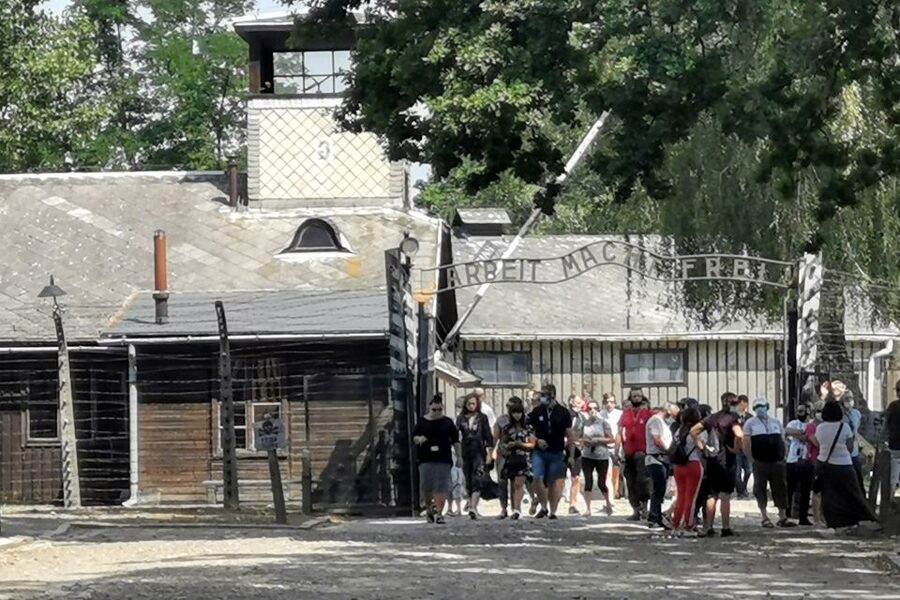
Then you arrive at Auschwitz and see the entrance gate with Arbeit macht frei. Seeing it in person, over the actual entry point, hits differently than reading about it. The guide’s job is not to sensationalize. It is to ground you in what the site is and what it was used for.
Auschwitz I: the prisoner blocks and the belongings that force you to look
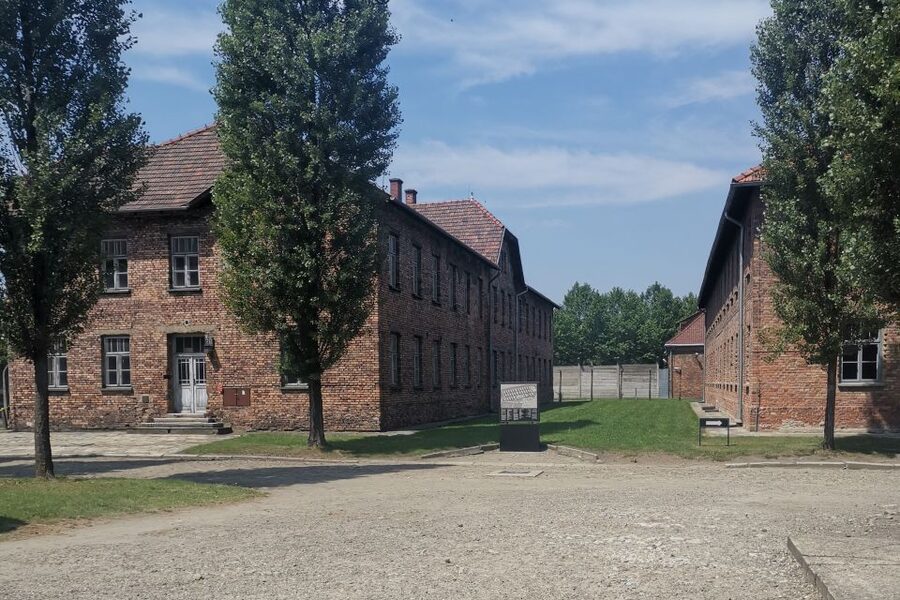
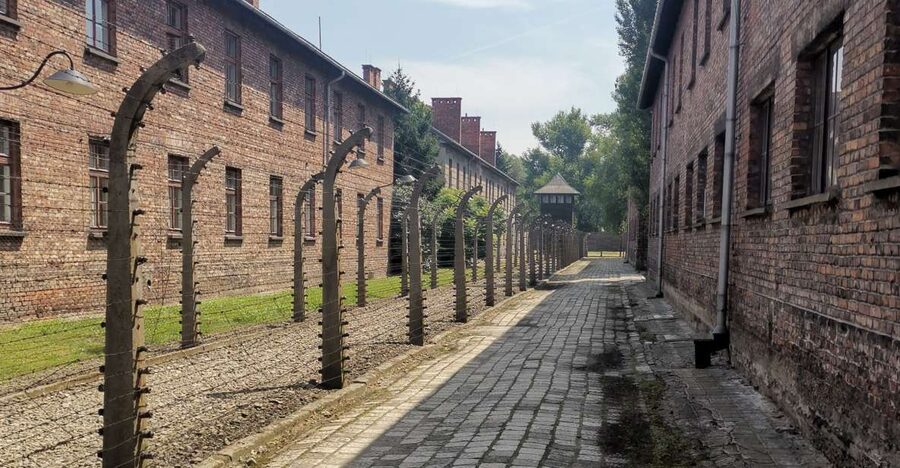
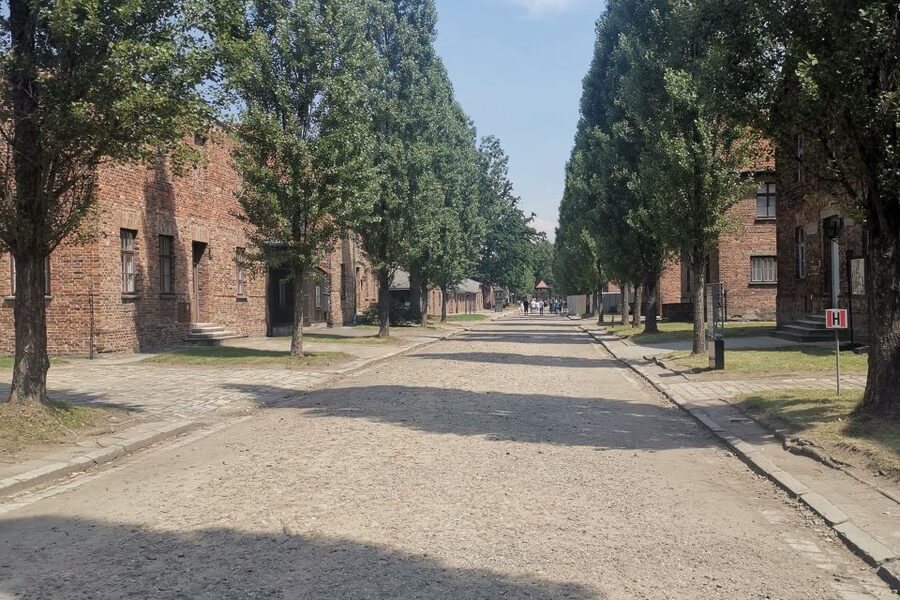
At Auschwitz, the heart of the visit is Auschwitz I, the former main camp area. You move through prisoner blocks that now house artifacts and belongings left behind by people deported to the camp.
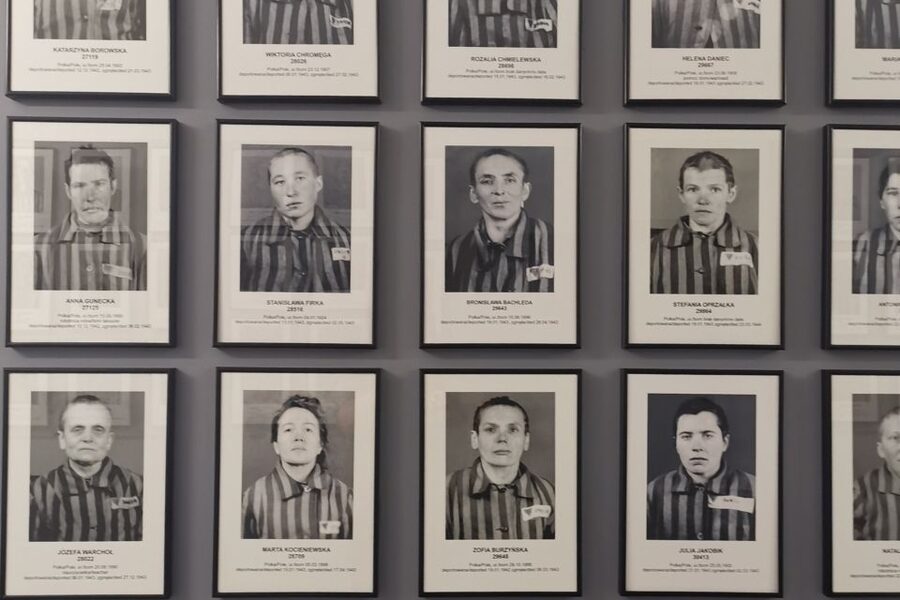
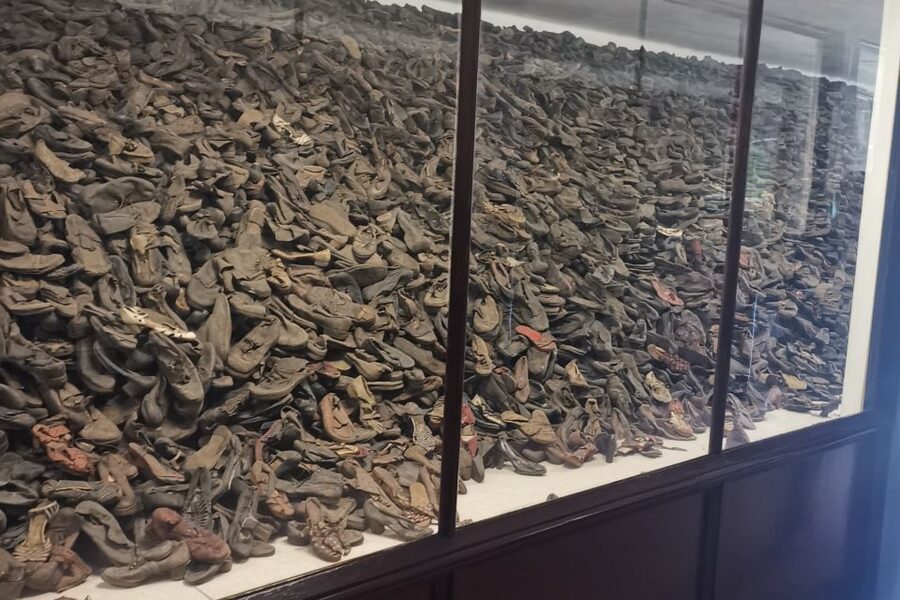
This part is where the tour earns its keep. The artifacts are presented in a way that helps you connect objects to people. The camp left a paper trail and it left material traces. You will see photographs and documents, and you will also see items like shoes, suitcases, and glasses. These are everyday objects, and that is why they land so hard. They are not abstract. They are what someone brought, what someone carried, what someone used.
I also like that the guide ties what you see to how the camp worked as a system. If you only read a few facts beforehand, it is easy to imagine the Holocaust as a set of dates. A guided visit makes it about process and purpose: transport, selection, forced labor, confinement, and the slow stripping away of identity.
There is a real practical benefit to having an on-site guide here. The layout can feel big, and memorial spaces are emotional. When you have a guide pointing out what to pay attention to, you spend less time guessing and more time absorbing.
Monowitz and everyday survival: the part most people miss
Auschwitz-Birkenau was not just one camp. The complex included other sites tied to forced labor and imprisonment. On this tour, you gain insight into how people survived in their day-to-day lives at Monowitz.
This is a crucial addition because it prevents the visit from becoming only about arrival and death. Auschwitz’s purpose included labor exploitation, and survival depended on tiny choices and impossible conditions. Even when you know the general facts, hearing how daily life functioned there helps you understand the machinery of oppression in a more complete way.
The best tours do not try to make this easy to carry. They do not rush it. They connect the dots between what you see in one block and what the camp system demanded somewhere else. This one aims for that connection, and the “why” behind each area is part of what makes the experience more than a checklist.
More day trips from Krakow:
- Krakow: Auschwitz-Birkenau Day Trip with Tour Leader
★ 4.3 · 5,452 reviews - Day Trip: Auschwitz-Birkenau and Wieliczka Salt Mine from Krakow
★ 4.5 · 4,282 reviews - Krakow: Zakopane, Funicular, Cheese, and Highland Day Trip
★ 4.7 · 1,489 reviews - Krakow to Zakopane: Funicular, Tasting and Thermal Baths Day Trip
★ 5.0 · 1,189 reviews
Birkenau: gas chambers, crematoria, and memorial spaces for reflection
After Auschwitz I, the tour continues to Birkenau, where the scale and purpose feel even more chilling. The transfer is short, and you shift from the main camp area to the former camp at Birkenau.
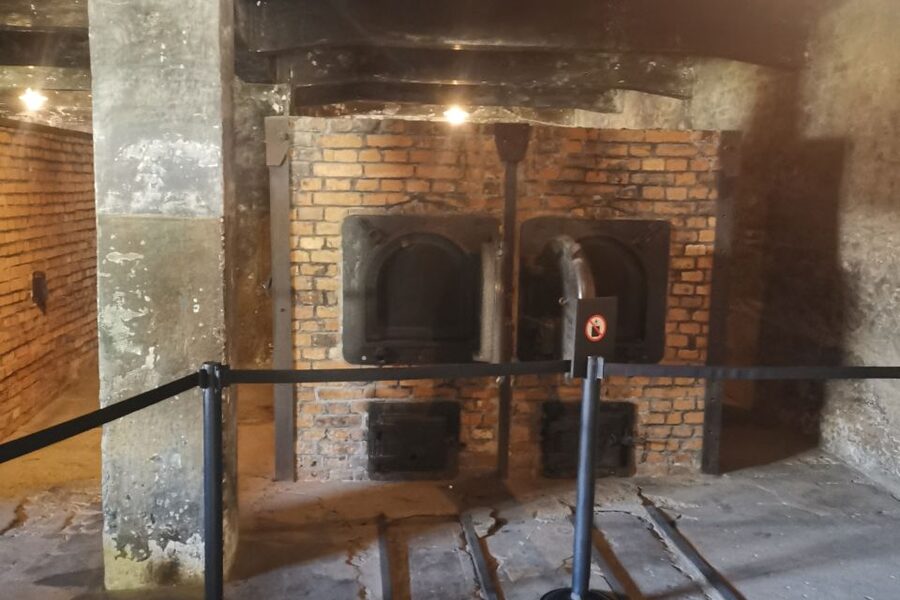
Here you will find the gas chambers and crematoria. Seeing those spaces with a guide’s explanation helps because you understand what they were built to do and how that connected to the broader camp system. It is not just architecture. It is intent made physical.
Then you move through memorials built around the complex. This is where the tour’s structure matters again. You do not just walk from point to point. You have time to reflect, and the memorial design encourages that pause. It is a rare moment in travel to feel that you should slow down and let the place affect you.
If you visit in winter or cold weather, it can make the whole experience feel even more intense. One of the best pieces of advice I can give is to expect that. Dress for comfort. Your body will remember the cold, and that can sharpen the mind in a way that makes the history feel less distant.
What the 7-hour timeline really means for your day
A 7-hour tour is long enough to do it properly, but it is not a full-day marathon. You start in Krakow, you cover Auschwitz I, you then go to Birkenau, and you return to Krakow. That means your schedule is pretty tight, and you should plan your day around it.
The good news is the tour includes entry tickets, guided tour time, private transportation, and on-site assistance. So you are not spending half a day solving ticket problems or getting stuck in confusing lines.
That said, you should still expect security checks and a general slow pace at memorial sites. The guide’s job is to keep you moving in the right order and help you interpret what you are seeing. In one review, the group entered early and avoided long waiting, which can happen on departures timed well with entry logistics. Even if you do not get an “early entry” advantage, the included structure should help keep the day organized.
Also note that opening hours can change. If you are traveling close to an event or a holiday, you might find the exact timing adjusted by the site schedule. Your guide and operators will adapt, but you should keep that in mind when planning other activities in Krakow.
Italian guide and audio: how to make the most of it
This tour runs with a live tour guide in Italian. There is also an optional audio guide, also in Italian. So the experience is very much language-guided.
If you speak Italian, you will likely enjoy the narration style and the way it connects objects and locations. If you do not, you can still follow much of the physical story, especially at the artifact displays, but your understanding will depend on what you already know and what you can catch from the guide.
Practical tip: bring a basic familiarity with key concepts before you go. Even a small amount of reading or watching helps you understand what the guide is pointing out. In a place this complex, context makes the walking feel less like wandering.
Getting ready: what to bring (and what to leave behind)
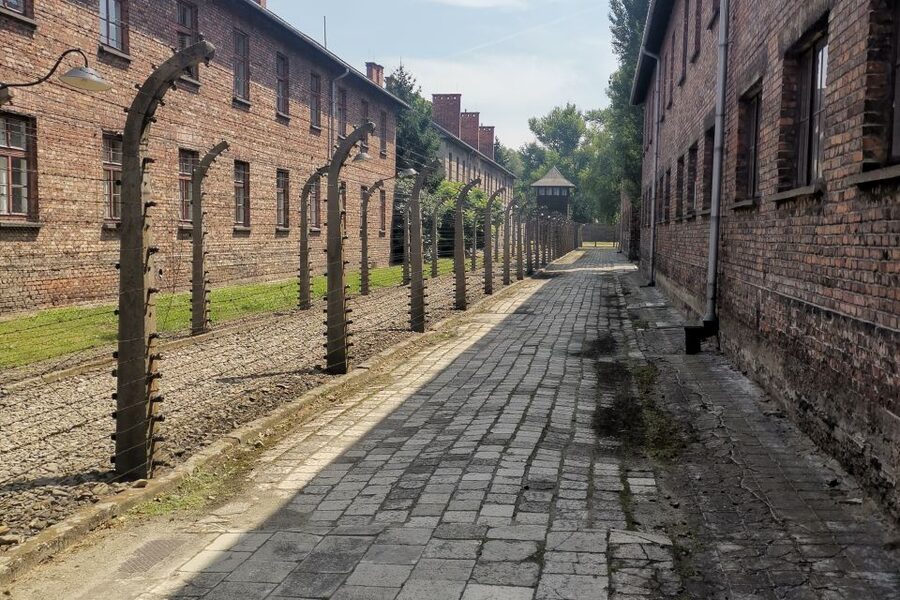
This is one of those days where packing right is not about convenience. It is about access and focus.
Bring:
- Your passport or ID card
- Comfortable shoes (you will be on your feet)
Do not bring:
- Oversize luggage
- Large bags
- Smoking
- Pets (assistance dogs allowed)
- Flash photography
- Alcohol and drugs
The no flash rule is common at sensitive memorial sites, and it makes sense. It also means you should plan your photos with regular lighting. If you are trying to photograph artifacts, keep in mind that the exhibit lighting and the rules may limit what you can capture.
The big thing is to travel light. A day of heavy history plus heavy logistics is a bad combo if you are wrestling with bulky bags. Traveling with a small daypack usually makes the visit easier.
Price and value: is $83 a good deal from Krakow?
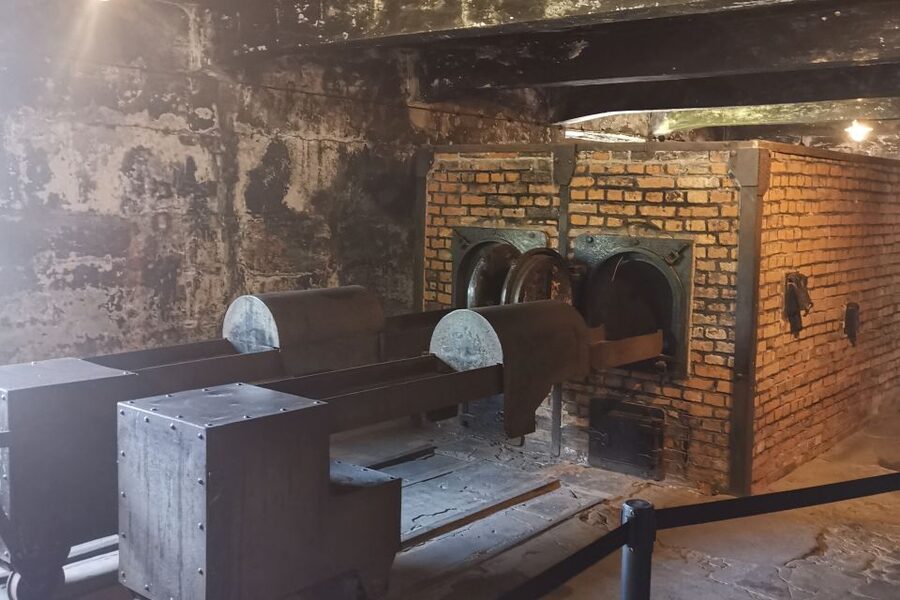
At $83 per person, this day trip sits in a reasonable range for Auschwitz-Birkenau when you consider what is included. You get:
- Entry tickets
- Private transportation
- Guided tour
- On-site assistance
Food and drinks are not included, so you should budget for at least a simple meal or snacks. But even with that added cost, the value can still feel solid because the biggest time sinks are removed. You do not have to coordinate your own transport to the sites, and you have a guide to help you interpret what you are seeing.
Another value factor is the day length and structure. You are getting both Auschwitz and Birkenau in one go, within a defined 7-hour visit. That is a practical way to use limited time in Krakow.
Who this tour suits best
This is a heavy, serious visit. If you want a guided experience with enough structure to understand what you see, this fits well. The inclusion of Monowitz context plus the Auschwitz I artifacts plus Birkenau memorial time makes it a complete overview of the camp system’s different functions.
You will also appreciate this style if you prefer to not handle logistics on your own. Pickup in Krakow, private transport, and on-site assistance reduce friction.
Who might think twice: if you need a fully flexible schedule with long stops at a slow pace, or if you struggle with heavy walking in potentially cold weather. This tour is built for a planned flow and a set duration.
Should you book this Auschwitz-Birkenau trip from Krakow?
If your goal is to see Auschwitz-Birkenau with an organized plan, included entry, and a guide to explain the camp system, I think this is worth booking. The value is clearer than it looks at first glance: you are paying for interpretation, not just transportation, and the day is paced to cover both Auschwitz and Birkenau within 7 hours.
Book it if you are ready for a moving, sober experience and you want to do it thoughtfully, not casually. Choose another approach only if language and walking time are major constraints for you.
Finally, prepare your expectations. This is not a sightseeing day. It is a day for witness, understanding, and reflection.
FAQ
How long is the Auschwitz-Birkenau day trip from Krakow?
The duration is 7 hours.
What is included in the price?
Entry tickets, private transportation, a guided tour, and on-site assistance are included.
Is food and drinks included?
No. Food and drinks are not included.
What language is the tour guide?
The live tour guide is in Italian. There is also an optional audio guide in Italian.
Where does the tour start and end?
Pickup is included in Krakow, and the tour ends with your return to Krakow.
What do I need to bring?
Bring your passport or ID card and comfortable shoes.
What is not allowed during the visit?
Oversize luggage and large bags are not allowed. Flash photography is not allowed. Smoking is not allowed. Pets are not allowed (assistance dogs are allowed). Alcohol and drugs are not allowed.
Recently reviewed around Krakow
- Krakow: City Golf Cart Tour and Schindler’s Factory Museum★ 5.0 · 4 reviews
- Krakow: City Sightseeing Tour by Shared or Private Golf Cart★ 4.4 · 21 reviews
- Krakow beer review with a local guide★ 5.0 · 4 reviews
- Kraków: Romantic Candlelight Chopin Piano Concert★ 4.9 · 8 reviews
- From Krakow: Chocholow Hot Springs Evening or Daytime Ticket★ 4.7 · 72 reviews
- Krakow: Bottomless Brunch with 3-Course Meal and Drinks★ 3.8 · 30 reviews
- From Krakow: Zakopane, Tatra Mountains & Thermal Baths Tour★ 4.9 · 52 reviews
- Kraków: VIP Candlelight Concert The Music of Fryderyk Chopin★ 4.8 · 8 reviews