
Reviewed · SCHINDLER'S FACTORY TOURS
Krakow: Jewish Quarter and Schindler’s Factory Guided Tour
What makes this outing special is the way Kazimierz and Schindler’s Factory fit together as one connected story, medieval life to modern Krakow, then the shock of WWII. You get a guided walk through the neighborhood’s surviving Jewish sites, plus a ticketed visit to a museum built for reflection and facts. For many people, it feels less like sightseeing and more like understanding how a place was shaped.
I love that the tour is led by a live guide who can answer questions and adjust to your pace, with guides like Margaux and Filipe specifically praised for taking time and knowing their material. I also like that you get Schindler’s Factory Museum entry included, which keeps your schedule moving.
One consideration: you should plan for a fair amount of walking. The route is around 5 to 6 km in total, so good shoes matter.
Key highlights you should know before you go
- UNESCO-listed Kazimierz time travel, from the 14th century through 19th-century change
- Synagogues and old cemeteries as real, in-place reminders, not just photos
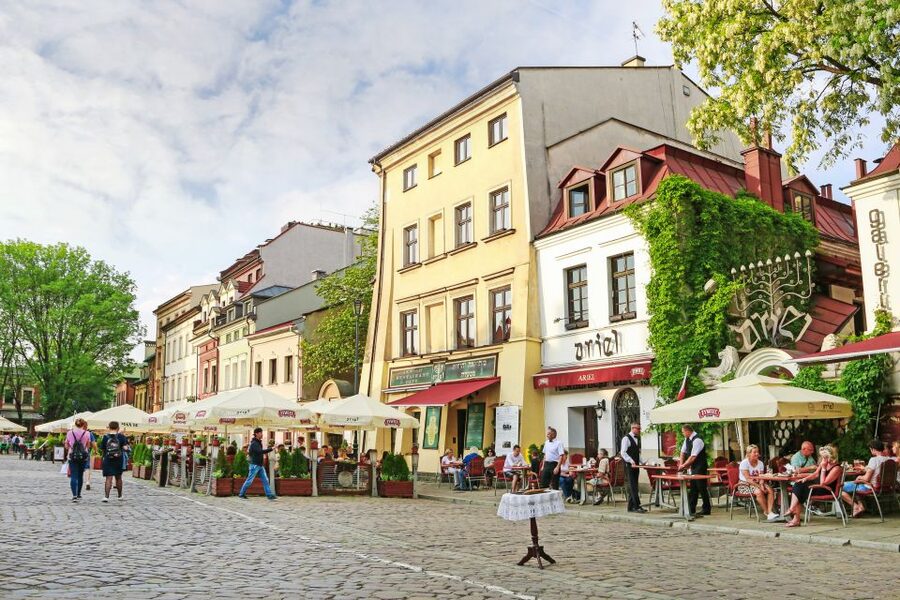
- Modern Kazimierz energy you can feel in art shops and cafés
- Schindler’s Factory Museum with a modern exhibition you visit with a guide
- Skip-the-line ticketing, so you spend more time learning
- Strong guide performance, with Margaux and Filipe named in standout reviews
Why Kazimierz plus Schindler’s Factory hits differently
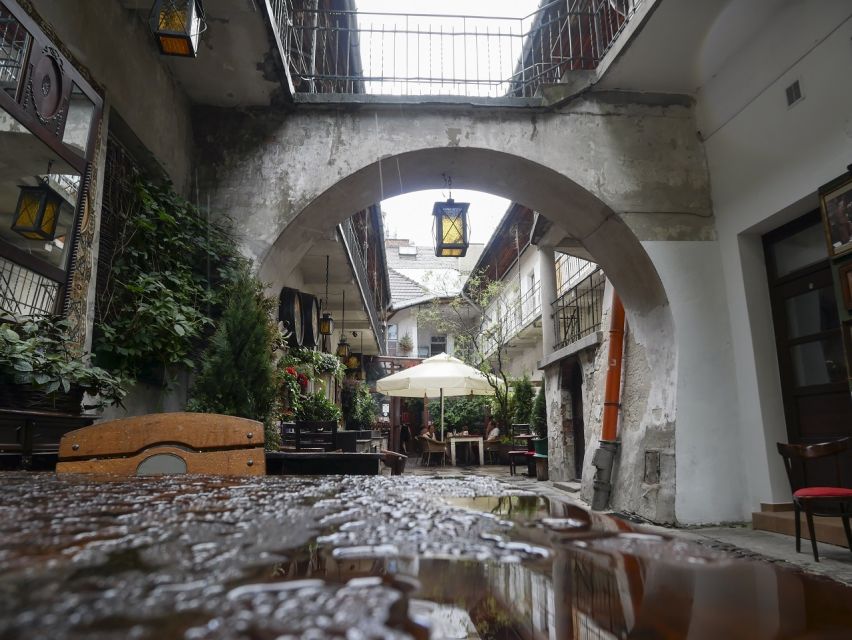
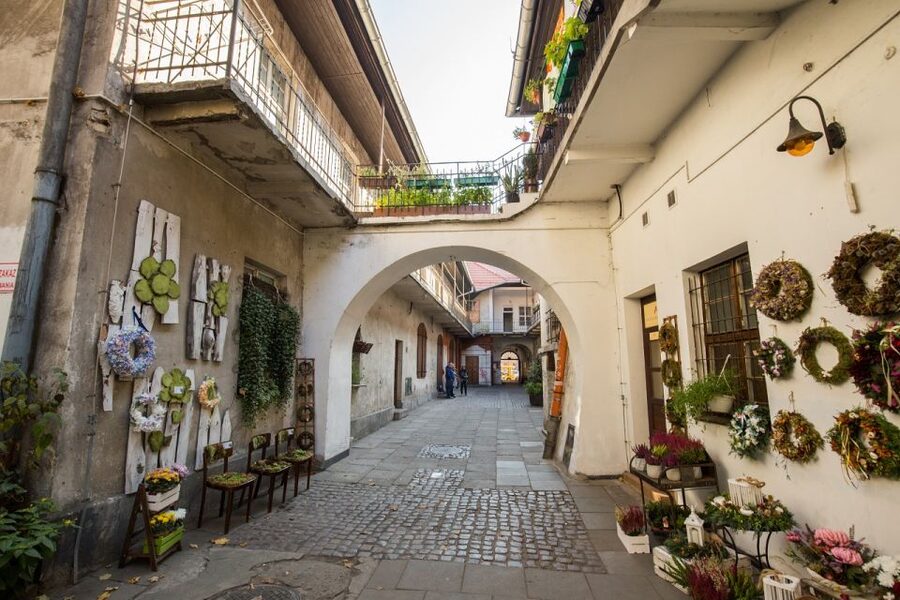
Krakow’s Kazimierz is one of those places where you can read history on streets. You see older religious institutions still standing, and you also see a neighborhood that’s clearly alive today, with cafés, art, and a slightly beatnik feel. That contrast matters. It helps you understand that Jewish life in Krakow was not only a chapter ending in tragedy, it was a long, everyday reality for centuries.
Then you step into Schindler’s Factory Museum. The experience changes tone fast. The exhibit format is modern, and the focus is on Krakow during WWII and the fate of Jews there. You also learn the story of the German entrepreneur whose efforts to save people inspired Stephen Spielberg’s Oscar-winning film, Schindler’s List. The effect is that your walk through Kazimierz stops being “history class” and becomes a human story with consequences.
If you’re the kind of traveler who likes context, this is a good match. If you want only light, fluffy sightseeing, you might find the WWII portion heavy. Still, the structure is handled in a guided way, which usually makes the difference between staring at facts and understanding what they mean.
More Schindler's Factory tours to compare:
- Krakow: Oskar Schindler’s Factory Entry Ticket & Guided Tour
★ 4.2 · 3,793 reviews - Krakow: Schindler’s Factory Tour with Entrance Ticket
★ 4.5 · 3,182 reviews - Krakow: Schindler’s Factory Skip-the-Line Ticket
★ 4.4 · 3,105 reviews
Meeting on the Old Synagogue steps, and what your guide will do first
Your tour meets on the steps of the Old Synagogue. Look for your guide holding a sign with the local partner name. This is helpful because Kazimierz streets can look similar from a distance, and you do not want to waste your first minutes hunting.
From the start, the guide frames what you’re about to see: the history of Kazimierz from early settlements, then later assimilation during the 19th century, and finally the WWII tragedies. That timeline matters. It changes how you read each stop. Instead of “this is a building,” you start thinking “this is what life was like here, then what happened.”
You should also bring your attention with you. The guides are live, and the format is built for questions. Some people notice how much time the guide takes and how readily they answer. So if something feels confusing, ask early rather than saving it for the end.
Kazimierz from the 14th century to the 19th century changes
Kazimierz is a UNESCO World Heritage Site, and the tour treats it like more than a cute old district. You learn about the area’s early Jewish settlements and how the community lived in a relatively closed way. That part is important because it explains why certain traditions, institutions, and community layouts took the shape they did.
Then comes the 19th century. The tour covers assimilation during that period, which is a key shift. It’s not just “time passed.” Assimilation changes language, culture, and daily life patterns. Even if you do not notice it immediately in the streets, it affects the types of institutions you’ll recognize and the way community life evolves.
What I like about this pacing is that it gives you a mental map before the tour turns emotional. You’re not thrown straight into WWII. You’re led to understand what was being lost and why it mattered.
Synagogues and old cemeteries, what to look for (besides architecture)
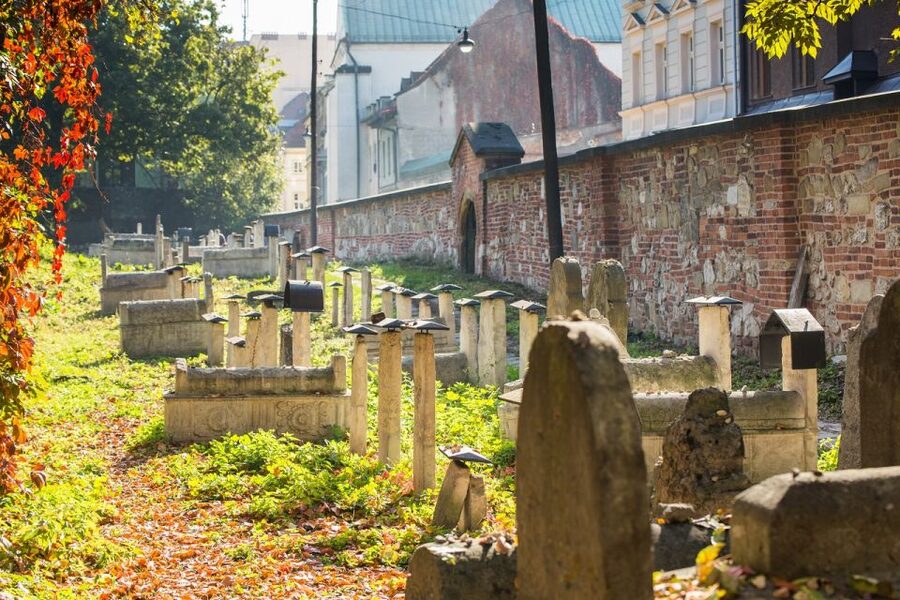
You’ll see traditional Jewish institutions in Kazimierz, including synagogues and old cemeteries. The goal is not only to point and describe. The guide connects what you’re looking at to the way the community functioned over time.
As you walk, I suggest you pay attention to two things:
- Survival: which sites still stand and how they fit into today’s neighborhood
- Purpose: why these places mattered for prayer, community memory, and identity
Old cemeteries can feel especially powerful because they are literally anchored to the ground. Even if you cannot read everything, you can feel the “place of remembrance” quality. With a guide, you get the interpretive layer that turns stone and walls into context.
If you’re the type who usually photographs everything, take a moment before you shoot. Look first. Then photograph. It keeps the experience from becoming only a camera workout.
More Jewish quarter and heritage tours to compare:
- Krakow: Schindler’s Factory & Ghetto Guided Tour
★ 4.7 · 1,694 reviews - Krakow: Jewish Quarter and Former Ghetto Tour
★ 4.9 · 1,441 reviews - Krakow: Bike Tour of Old Town, Jewish Quarter and the Ghetto
★ 4.9 · 1,155 reviews - Krakow: Kazimierz Jewish Quarter Walking Tour
★ 4.8 · 571 reviews
The modern Kazimierz side, art shops and café energy
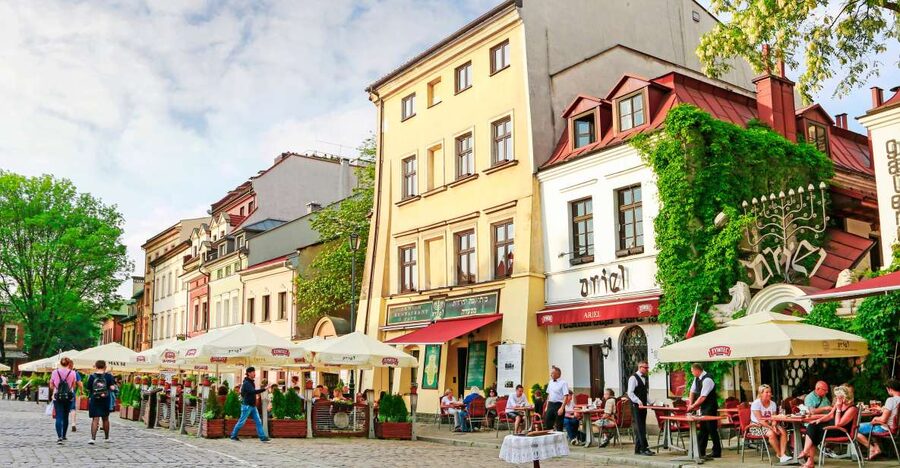
After the more historical sections, the tour brings you into the modern mood of Kazimierz. Expect the neighborhood’s lively side: shops, cafés, and an art-driven atmosphere that many people describe as a beatnik vibe.
This part is not an afterthought. It’s part of the point. The neighborhood today is evidence that Kazimierz is not stuck in the past. You can feel daily life happening in real time. That makes the WWII portion more real later, because you’re seeing what existed, what was damaged, and what people rebuild.
One practical tip: if you need a caffeine break, Kazimierz is a good place to take one. Food and drinks are not included on this tour, so plan to handle snacks on your own schedule rather than counting on the tour to feed you.
Schindler’s Factory Museum: what changes when you cross the threshold
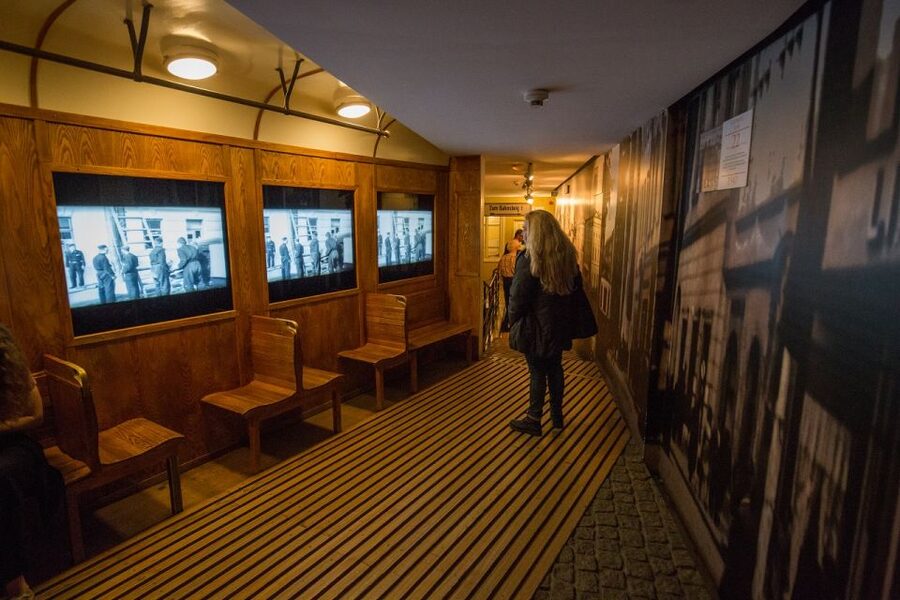
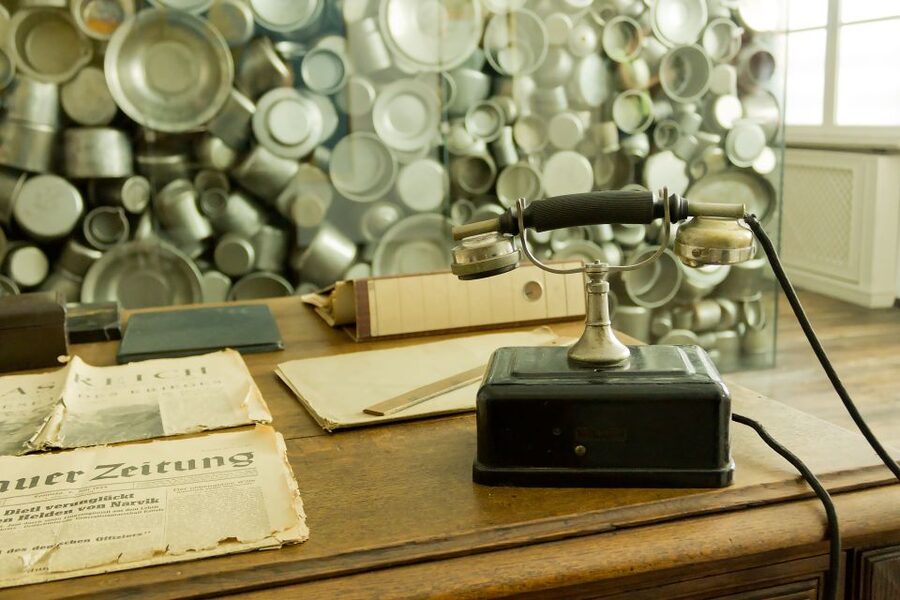
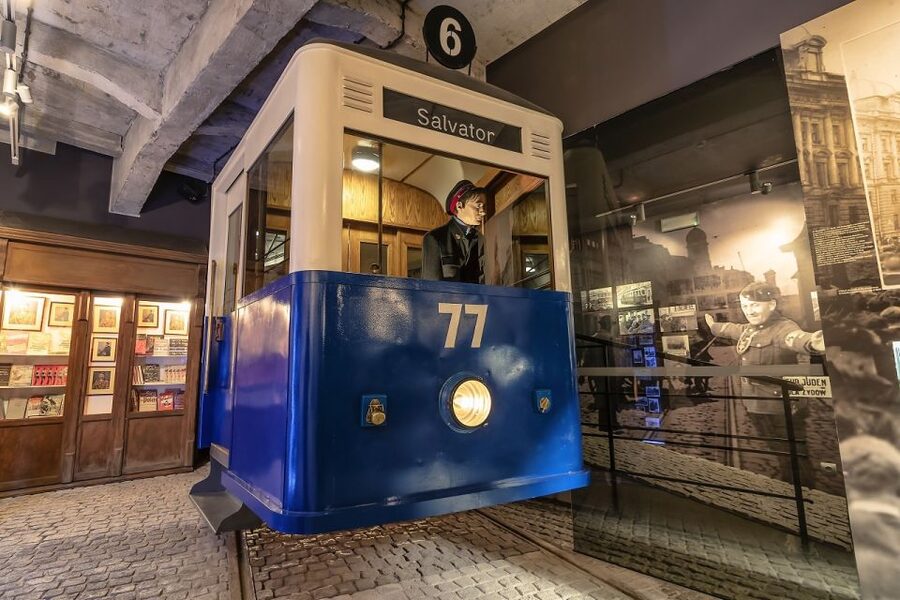
Schindler’s Factory is not an open-air walk. It is a museum visit, and the tour includes an entry ticket, with skip-the-line access. That matters because museum lines can eat up your day, and here you want your time to go toward the exhibition itself.
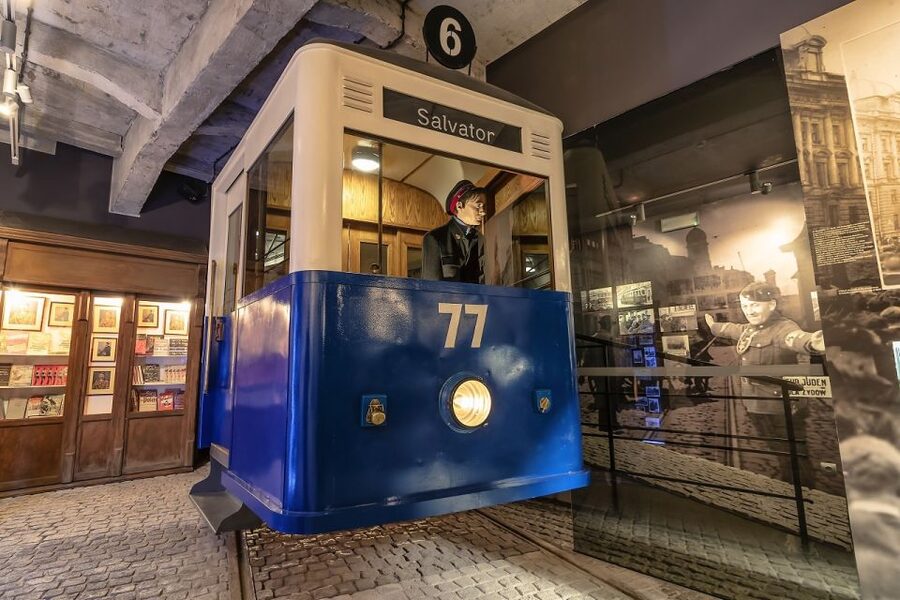
The museum experience is described as unique and modern. You’ll learn the tragic events that took place in Krakow during WWII and the wider impact on Jews in the city. The guide ties the exhibition content back to what you saw in Kazimierz, so the story feels connected rather than like two separate stops.
Also note the emotional weight. This part is about suffering and survival. You do not need to force any dramatic reaction. Just let the facts and the guided framing do the work. A good guide keeps the tone respectful and clear, and that’s usually why people rate this tour so highly.
How Schindler’s story reframes the WWII lesson
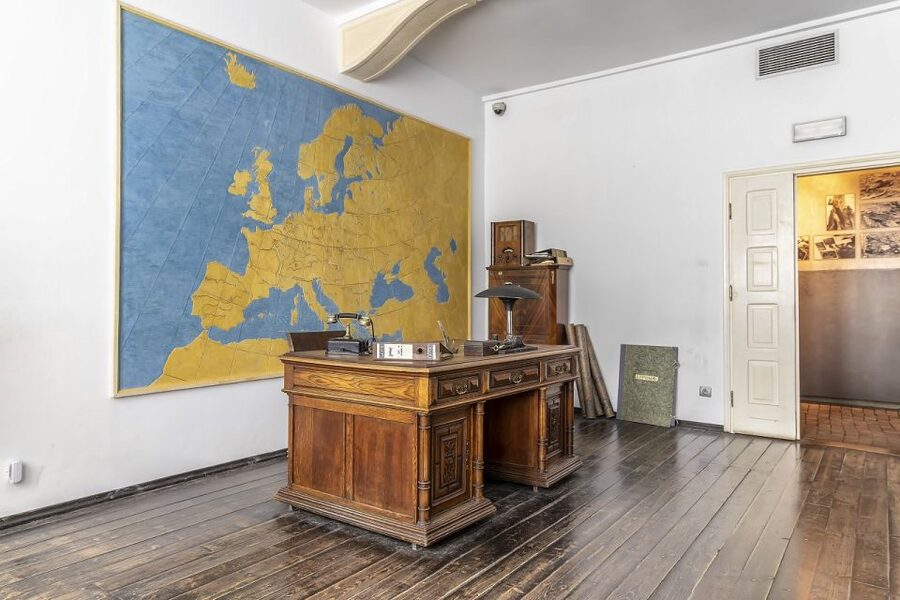
You’ll hear the story of a German entrepreneur who tried to save many Jews. That storyline is the same foundation behind Spielberg’s Oscar-winning film, Schindler’s List, and the tour uses it to show human choices in an impossible system.
What I find useful here is that the tour does not treat “heroism” as a simple word. It places the effort in a broader context of what was happening in Krakow. When you connect that to the Kazimierz sites, it becomes easier to understand both the stakes and the magnitude of what occurred.
This is also a good moment to ask questions. If you left Kazimierz with questions about what you saw, now is when the guide’s WWII explanations can give you answers that actually fit together.
Timing and pacing for a 210-minute tour
The tour runs for 210 minutes, about 3.5 hours. Start times are approximate and can change due to Schindler’s Factory Museum scheduling. You can choose a preferred time, but the exact time is not guaranteed.
What that means for you: plan for a little flexibility. If you have dinner reservations right afterward, I suggest putting them at a comfortable distance from the tour end. You do not want to be sprinting through Kazimierz with your museum ending time still uncertain.
Walking distance is an important pacing factor. Based on experience shared from the same tour format, you should expect around 5 to 6 km total. This is not a light stroll. It’s manageable, but you’ll want to feel comfortable for a couple hours on foot.
Value of $69, when a guide is doing real work
At $69 per person, you’re paying for more than just entry tickets. You’re paying for a guided explanation through Kazimierz and a museum visit with skip-the-line access. Because the tour includes the Schindler’s Factory Museum ticket, you’re not stuck trying to coordinate separate purchases while also trying to find the right time slot.
Here’s how I judge the value for a tour like this:
- The guide saves you from turning WWII into random facts you cannot place
- The museum entry removes a logistical headache
- The pairing of Kazimierz and the museum makes the story coherent
If you tried to do this on your own, you could, but you would likely spend extra time researching, matching dates, and trying to interpret what you’re looking at. Paying for a guide is often worth it when the subject is complex and emotional, and that’s exactly the situation here.
Just remember: food and drinks are not included. Plan your own snack strategy so you’re not forced to pay tourist-markup prices at the worst possible time.
Who should book, and who might not love this format
This tour is a strong fit if you:
- want history explained by a live guide in multiple languages
- like seeing the present and past in the same neighborhood
- prefer a structured visit to Schindler’s Factory instead of a self-guided museum only
It may be less ideal if you:
- dislike walking around 5 to 6 km total
- want a strictly light, casual outing with no WWII content
- need a very fixed schedule with no time wiggle room
Languages offered include Spanish, English, French, German, and Italian, which is great if you want to stay fully comfortable during the explanations.
Should you book this Krakow Jewish Quarter and Schindler’s Factory tour?
I think it’s worth booking if you want your Kazimierz time to connect to WWII history in a guided, meaningful way. The combination of walking the Jewish Quarter, seeing synagogues and old cemeteries, and then visiting Schindler’s Factory Museum with skip-the-line entry is a solid use of a half day.
Book it confidently if you like asking questions and you appreciate guides who take the time to answer. If you’re sensitive to heavy historical topics or you struggle with longer walking, adjust expectations, wear your best shoes, and plan your next stop with breathing room. In Krakow, this is the kind of tour that changes how you look at the city after you leave.
FAQ
Where do I meet the guide?
Meet on the steps of the Old Synagogue. Your guide will be holding a sign with the name of the local partner.
How long is the tour?
The duration is 210 minutes.
What languages are available for the live guide?
The tour offers live guides in Spanish, English, French, German, and Italian.
Is the Schindler’s Factory Museum ticket included?
Yes. Entry to Oscar Schindler’s Factory is included, and you also get skip-the-ticket-line service.
Does the tour include food and drinks?
No. Food and drinks are not included.
Will I need to walk a lot?
Expect about 5 to 6 km of walking during the tour, so plan for comfortable shoes.
Do I need a passport or ID for Schindler’s Factory?
From January 1, 2026, you must bring a passport or ID for entry to Schindler’s Factory Museum.
Why do I need to provide full names?
Because Schindler’s Factory Museum uses personalized tickets, you must provide full names of all participants when reserving.
What is the cancellation policy?
You can cancel up to 24 hours in advance for a full refund.
Recently reviewed around Krakow
- Krakow: City Golf Cart Tour and Schindler’s Factory Museum★ 5.0 · 4 reviews
- Krakow: City Sightseeing Tour by Shared or Private Golf Cart★ 4.4 · 21 reviews
- Krakow beer review with a local guide★ 5.0 · 4 reviews
- Kraków: Romantic Candlelight Chopin Piano Concert★ 4.9 · 8 reviews
- From Krakow: Chocholow Hot Springs Evening or Daytime Ticket★ 4.7 · 72 reviews
- From Krakow: Zakopane, Tatra Mountains & Thermal Baths Tour★ 4.9 · 52 reviews
- Kraków: VIP Candlelight Concert The Music of Fryderyk Chopin★ 4.8 · 8 reviews
- Krakow: Bottomless Brunch with 3-Course Meal and Drinks★ 3.8 · 30 reviews