
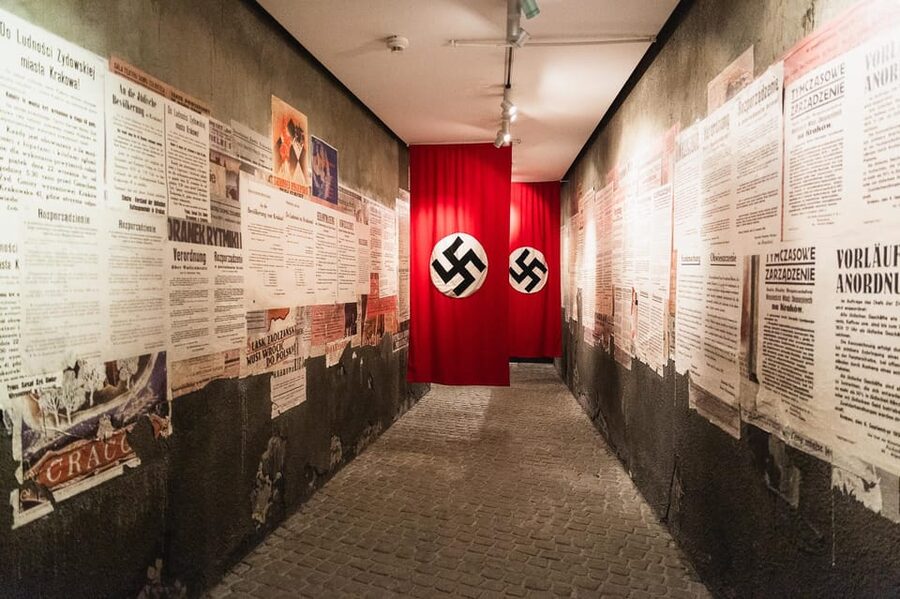
Reviewed · SCHINDLER'S FACTORY TOURS
Schindler’s Factory Skip-the-line Guided Tour with Options
Schindler’s Factory in Krakow is interesting because it turns a real wartime story into a walk-through museum of choices, fear, and survival. I love that this is a private licensed guide experience, so the story stays clear and you can ask questions as you go. I also like the skip-the-line entry, which can be a big deal in a museum this important. The main drawback to consider is that the guide can be hard to spot at the very start, and the skip-the-line promise may not always feel smooth if timing gets messy.
In about 1.5 hours, you’ll move through exhibits built from photographs, documents, and personal artifacts, plus survivor testimonies that bring the human cost into focus. This is not a quick, casual stop, it is heavy. If you want a calmer visit, plan to arrive early, bring ID, and be ready for museum rules about bags and photo gear.
Key highlights you should care about
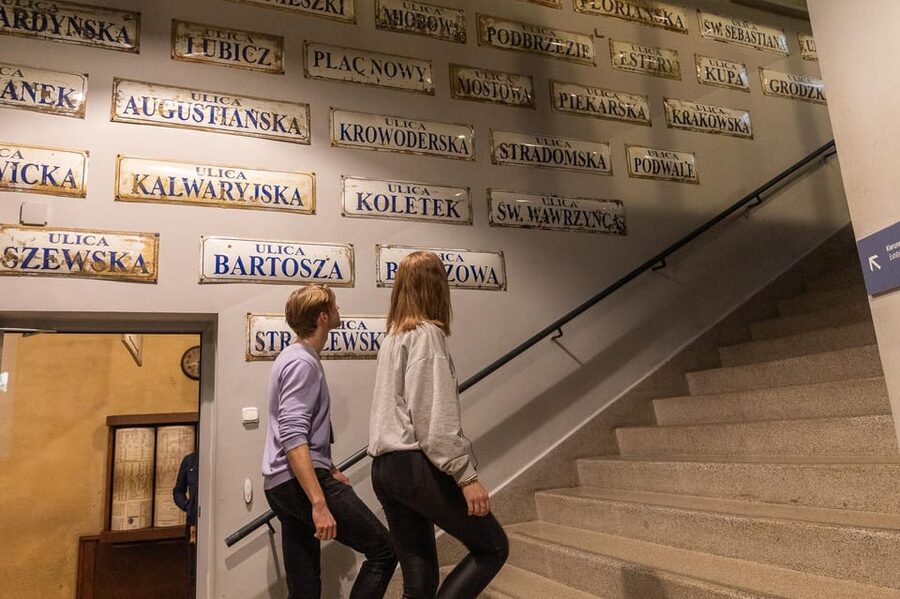
- Private, licensed English guide focused on the Oscar Schindler story and Krakow during World War II
- Skip-the-line ticket helps you get inside faster than you would on your own
- Artifacts and personal stories connected to Schindler’s workers, not just big historical panels
- Survivor testimony sections that make the history feel real and immediate
- A short, guided walk (about 1.5 hours), so you’re not stuck for half a day
Meeting at Lipowa 4: getting oriented before it starts

Your tour starts at Lipowa 4, right by the entrance area of Schindler’s Factory. You’ll meet your guide outside, and they’ll give you a quick intro to why this site matters before you step into the exhibits. One practical note, show up about 10 minutes early. Not because the museum is slow, but because you want time to confirm you’re in the right place and with the right person.
I’d also plan for the fact that identifying your guide might not be instant in the open-air start area. In real life, that usually comes down to simple stuff, bright sun, signage that’s easy to miss, or a meeting spot that is crowded. If you’re prone to arriving exactly on time, switch to arriving early here. You’ll feel less stressed the moment you walk up.
When the group is ready, you’ll head straight into the museum with your guide leading the way. That matters because Schindler’s Factory is not laid out like a theme park. It’s a sequence of rooms and stations designed to hit you in a thoughtful order. A guide helps you keep that order, rather than wandering and missing the key connections.
More Schindler's Factory tours to compare:
- Krakow: Oskar Schindler’s Factory Entry Ticket & Guided Tour
★ 4.2 · 3,793 reviews - Krakow: Schindler’s Factory Tour with Entrance Ticket
★ 4.5 · 3,182 reviews - Krakow: Schindler’s Factory Skip-the-Line Ticket
★ 4.4 · 3,105 reviews
Inside Schindler’s Factory: what the tour looks like step by step
Once you’re inside, the tone shifts right away. This is a museum about World War II and the Holocaust in Krakow, centered on Oscar Schindler, a German businessman who saved more than a thousand Jews during the Holocaust. A good tour here helps you understand that the story is not just about one man, it’s about how individuals used their limited options to affect outcomes.
You can expect the guide to walk you through the exhibits in a logical way. You’ll spend time with photographs and documents, and you’ll see personal stories that connect those papers to actual people. A big part of the emotional weight comes from small details: items associated with Schindler’s workers that make the history feel tangible instead of abstract.
The exhibits also cover Schindler’s role and perspective in the larger context of the war. As you move from section to section, you’ll learn how the war affected Krakow, not just the Holocaust in general. This is where the guide earns their spot. The information can be dense, but your guide translates it into a storyline you can follow.
What you should look for as you walk
As you go, don’t race. The value of a guided visit is that you pause in the right places. I’d focus on:
- The contrast between official documents and personal testimony
- The way the exhibits show human decisions under pressure
- The items connected to Schindler’s workers, because they put faces to the story
If you prefer to read every label yourself, this tour still works, but you’ll likely want to skim faster during the guide’s explanation and then slow down in the stations that grab you most.
Krakow in World War II: why this museum placement matters
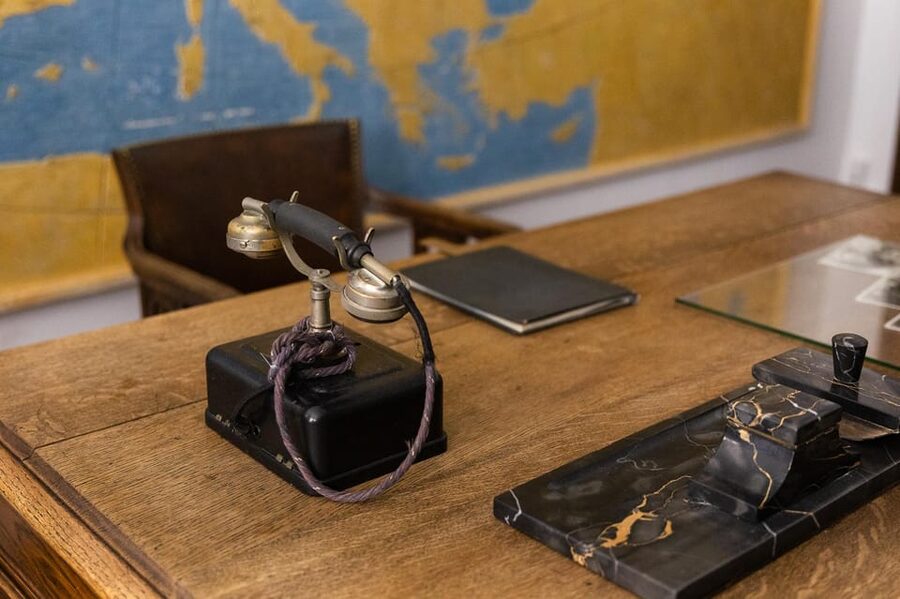
Krakow is not a random setting here. The museum’s message lands harder because the story is tied to one specific city and the realities faced by people there. Your guide will explain the broader historical context of World War II and how it played out in Krakow, including the pressures and dangers that shaped daily life.
What I like about this angle is that it avoids turning history into a distant headline. Instead, you see how conditions in the city changed over time, and how survival depended on timing, access, and relationships. Even if you already know the major facts of the Holocaust, the Krakow framing helps you understand how events unfolded locally.
This is also a museum where the order of information matters. Start too late and you miss how the situation tightened. Start too fast and you miss why the choices felt constrained. A private guide helps you match your attention to the story’s pacing, instead of treating it like a checklist.
And yes, it’s heavy. But the guide’s job is not to turn pain into entertainment. It’s to help you understand the chain of events and the human courage that shows up inside it.
A few more Krakow tours worth comparing
- From Krakow: Auschwitz-Birkenau Guided Tour & Hotel Pickup
★ 4.5 · 33,358 reviews - From Krakow: Auschwitz-Birkenau Guided Tour & Hotel Pickup
★ 4.5 · 29,340 reviews - Krakow: Auschwitz Guided Tour with Optional Hotel Pickup
★ 4.5 · 15,280 reviews - Krakow: Auschwitz-Birkenau Guided Tour with Pickup & Lunch
★ 4.5 · 9,800 reviews
Survivor testimony sections: how the emotional impact is handled
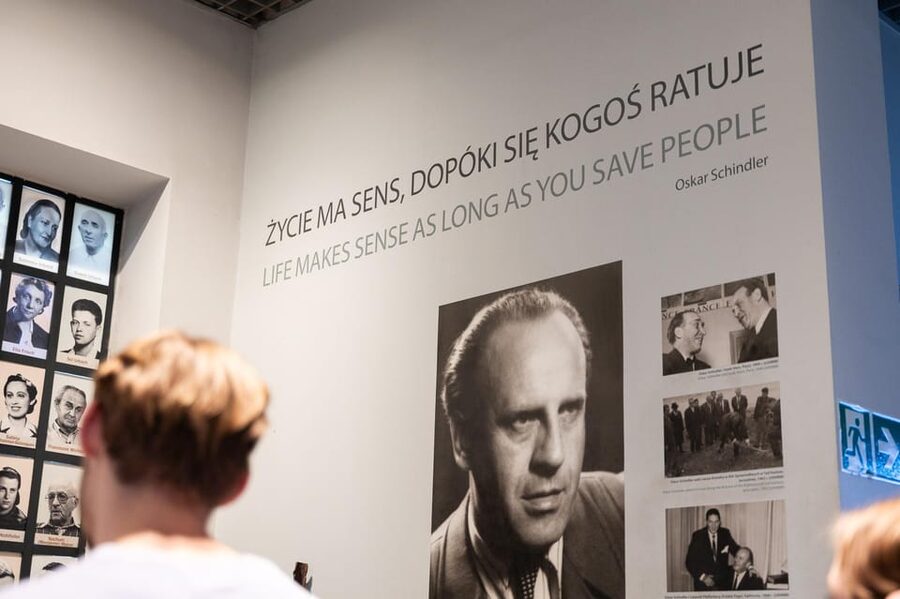
A major part of the experience is the moving testimonies of survivors. Your guided walk includes sections that share testimonies, along with poignant anecdotes that focus on resilience. These parts can be intense, and your best move is to let them land without rushing past.
If you’re the type who gets overwhelmed easily in museums, don’t force it all in one go. Use the guide’s pacing, but give yourself permission to take a breath when you need one. The tour ends with a reflection on lessons learned and the importance of remembrance, so there is a natural closing moment after the heaviest material.
Also remember this: in a museum like this, your memory will stick more from what you feel than what you memorize. The guide is useful not just for facts, but for helping you notice the details that make the story believable and specific.
Practical visit tips: photos, bags, headphones, and timing
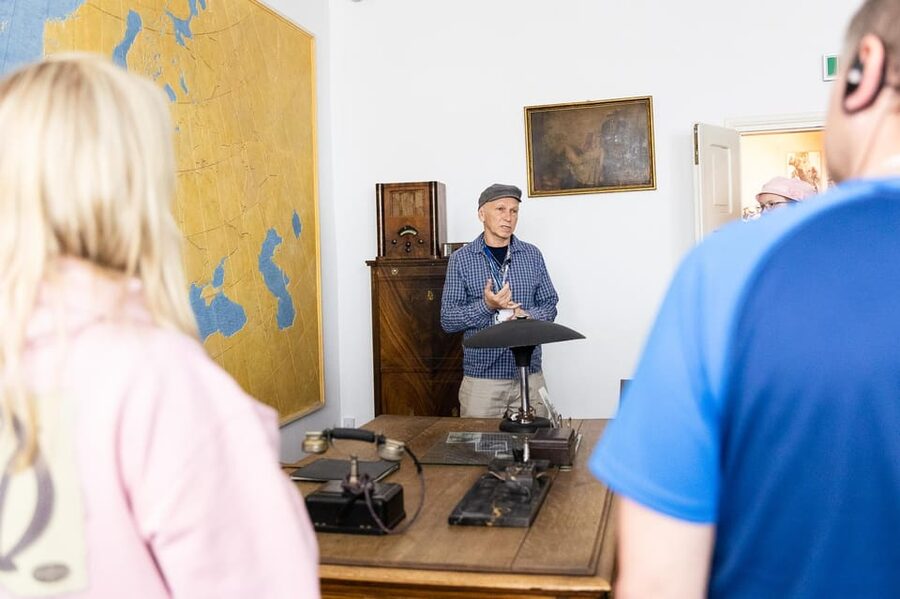
A few rules and details can make your visit smoother, so you don’t waste energy on avoidable hassles:
- Bring passport or ID card.
- Photography is allowed without flash. If you’re photographing documents or displays, use steady light and focus, and expect staff to guide you if needed.
- Large bags or backpacks are not allowed inside, but there is a cloakroom available. If you travel with a big pack, plan to store it.
- There are no headphones, so the tour is guided live, and you’ll be relying on your guide’s voice and your own attention.
- The last admission is 90 minutes before closing. If your schedule is tight, don’t count on squeezing in at the last minute.
These are simple things, but they matter. A cloakroom delay can turn a calm start into a stressed one. A last-admission cutoff can also make skip-the-line less helpful than you hoped. I’d rather you arrive early and feel relaxed than rush and risk missing the flow of the tour.
One more smart move: if the museum’s opening hours shift on certain days, double-check your timing. I’ve seen situations where the skip-the-line benefit doesn’t feel like a real advantage when entry windows get complicated, especially when closures happen earlier than expected.
Price and logistics: does $48 feel fair for 1.5 hours?
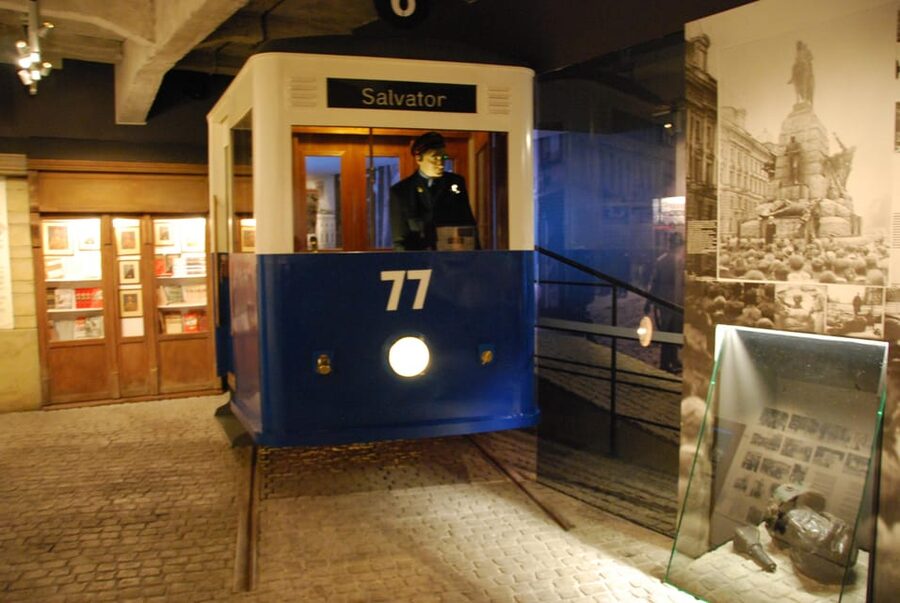
At $48 per person for roughly 1.5 hours, you’re paying for a few things at once: a private qualified guide, a skip-the-line ticket, and exhibition access. That price can feel high if you’re comparing to doing the museum alone. But in this case, the value is mostly about your time and your understanding.
Here’s the reality check I use for tours like this:
- If you know you want context, a guide is worth it. Schindler’s Factory is not just objects on walls. It’s a story with cause and effect.
- If your schedule is tight, skip-the-line can be worth paying for. You lose less time and keep your visit focused.
- If you are the kind of traveler who reads everything slowly and rarely needs explanation, you might prefer to go on your own. But then you’re trading money for independence and time.
The private format is the biggest value driver. You’re not just looking at exhibits, you’re guided through them in a short, intentional walk. That’s a good fit for travelers who want to leave feeling they understood what they saw.
Still, keep your expectations grounded. A few travelers have run into problems with the skip-the-line setup, and sometimes the guide is tough to identify at the beginning. Those are not the norm, but they are real enough that you should arrive early and keep a calm plan B: if anything feels off, ask at the entrance rather than waiting in uncertainty.
Who should book this tour, and who might not love it
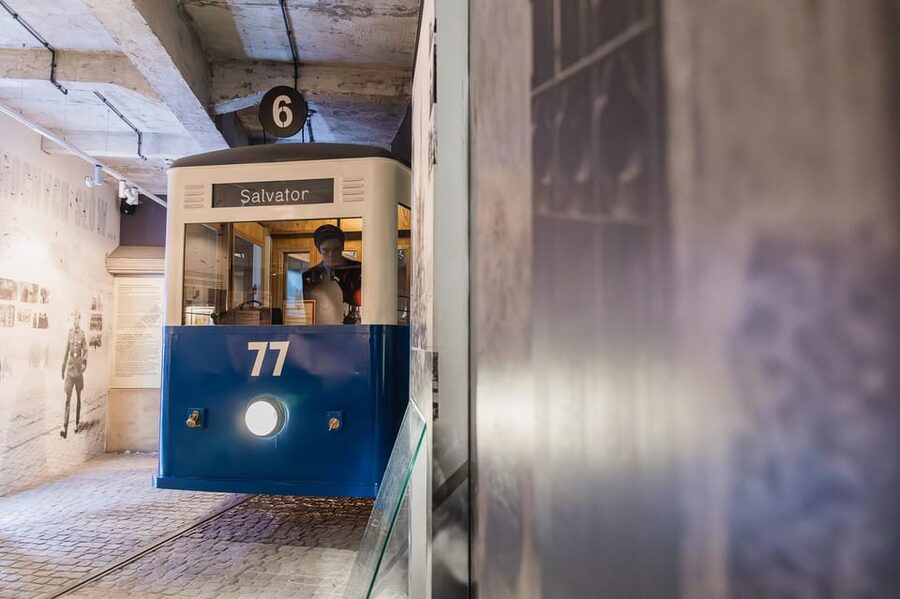
I think this tour is a strong match if:
- You want a serious Holocaust-focused museum experience with clear storytelling
- You prefer a guided structure rather than walking through rooms on your own
- You have limited time in Krakow and want to make the most of it
- You like asking questions in the moment, especially when the subject is complex
You might want to think twice if:
- You rely on step-free access, because the tour is not suitable for wheelchair users
- You hate heavy topics or know you’ll struggle emotionally in survivor testimony sections
- You’re someone who expects the guide to be magically visible on arrival, without you needing to confirm location and timing
If you do book, the best way to set yourself up for success is simple: arrive early at Lipowa 4, bring your ID, and come with a mindset of walking slowly through difficult history.
Ending well: what you’ll take with you after the exhibits
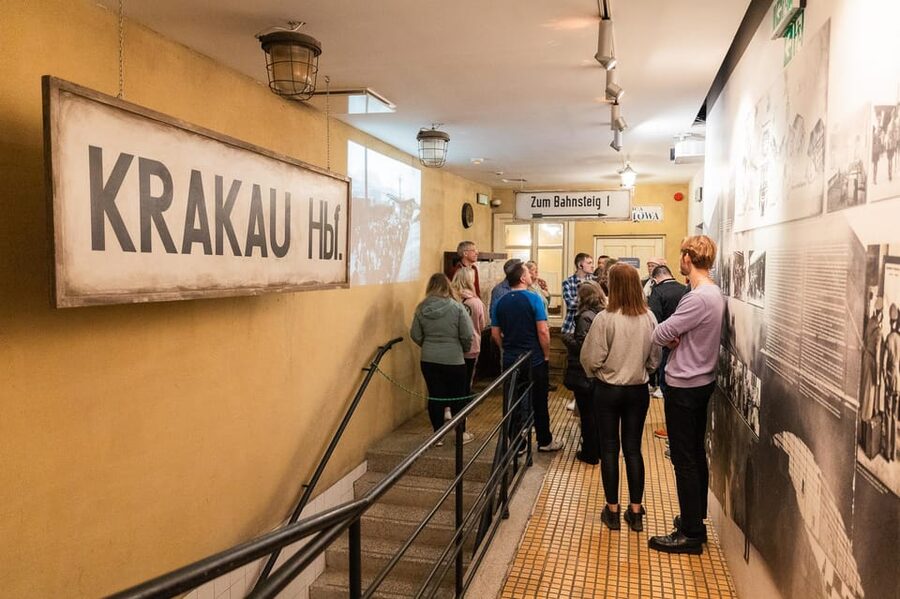
The tour doesn’t just stop at the exit. It concludes with a reflection on the lessons learned and the importance of remembrance. That part helps tie the experience together, especially if you leave with emotional fragments rather than a full storyline.
When you finish, you’ll likely feel a mix of sadness and respect. That’s normal. The guide’s structure can help you turn that reaction into understanding, which is really the point. You come away not just knowing what happened, but seeing how people acted within extreme limits, and how compassion mattered even when the world tried to crush it.
If you want to make the most of your time after, give yourself a bit of quiet time. Schindler’s Factory is not the place to immediately sprint to your next major attraction.
Should you book Schindler’s Factory skip-the-line private tour?
I’d book it if you value clarity, structure, and saving time, especially if you’re visiting with limited hours. The private English guide format is a practical advantage in a museum where the story is complex and the pacing matters. The skip-the-line ticket can also help you avoid losing your most valuable currency: attention.
If you’re worried about guide identification or skip-the-line working exactly as promised, don’t cancel your plans. Just change your approach. Arrive about 10 minutes early at Lipowa 4, bring your ID, use the cloakroom if you have a big bag, and keep your expectations aligned with a museum that can be strict about entry timing.
Overall: this is worth it when you want understanding, not just photos.
FAQ
How long is the Schindler’s Factory skip-the-line guided tour?
The tour lasts about 1.5 hours. Start times vary, so you’ll want to check availability for the schedule.
Is this tour private or shared?
This experience is described as a private guided tour, with a private qualified guide.
What language is the guide speaking?
The live tour guide offers English.
Where do I meet the guide?
Meet your guide next to the entrance to the Schindler’s Factory Museum. The start location is Lipowa 4, and you should be there about 10 minutes before the start time.
What do I need to bring, and can I bring a backpack?
Bring a passport or ID card. Large bags or backpacks are not allowed inside the museum, but there is a cloakroom available.
Is photography allowed inside Schindler’s Factory?
Yes, photography is allowed without flash.
Are headphones provided or allowed?
No headphones are provided as part of the experience.
Is the tour wheelchair accessible?
No, the tour is not suitable for wheelchair users.
If you tell me your travel dates and whether you prefer a morning or afternoon visit, I can help you choose the best start time around opening and entry cutoffs.
Recently reviewed around Krakow
- Wawel Castle and Cathedral Guided Tour★ 4.6 · 44 reviews
- Walking Tour: Kazimierz, Jewish Quarter – 2-Hours of Magic!★ 4.7 · 35 reviews
- Wawel Castle and Cathedral Guided Tour★ 5.0 · 8 reviews
- Kraków Holocaust Tour★ 4.9 · 5 reviews
- Wadowice and Kalwaria: John Paul II Route★ 4.8 · 5 reviews
- VIP Club Entry and Booth Booking★ 5.0 · 4 reviews
- Walking Tour of Krakow: Old town – 2-Hours of Magic★ 4.7 · 5 reviews
- Krakow: Zakopane, Thermal Baths and Gorce Park Treetop Walk★ 5.0 · 3 reviews