
Reviewed · SCHINDLER'S FACTORY TOURS
Schindler’s Factory and Jewish Ghetto Guided Tour
Schindler’s Factory and the surviving fragments of Kraków’s wartime ghetto are interesting because they show Nazi occupation as something that happened to real people, day after day. I love how the visit starts inside Schindler’s Factory Museum and builds context before you step into the streets. I also love the ghetto walking stops that pinpoint institutions, confinement, and places where help was organized. One drawback to plan for is pacing, the museum is extremely popular, and if you slow down for photos, you may feel a little rushed.
A strong guide makes the difference here. I’ve heard from groups led by people like Bartholomew, Joanna, and Alicja, and the common thread is clear explanations paired with care for an emotional subject. If you are sensitive to crowded rooms or cold weather during the walking part, pack smart and be ready for tight indoor passageways.
Key things I’d prioritize
- Factory first, context second, so the ghetto walk lands with meaning
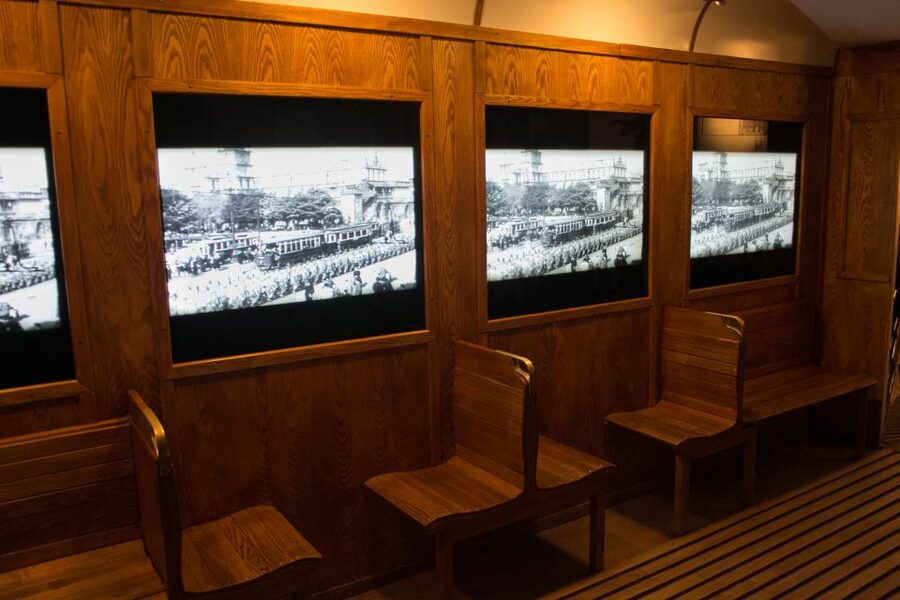
- The exhibition layout, with narrow passageways and wartime-style atmosphere in the museum
- Original artifacts and period-style reconstructions that help you picture daily life in the 1940s
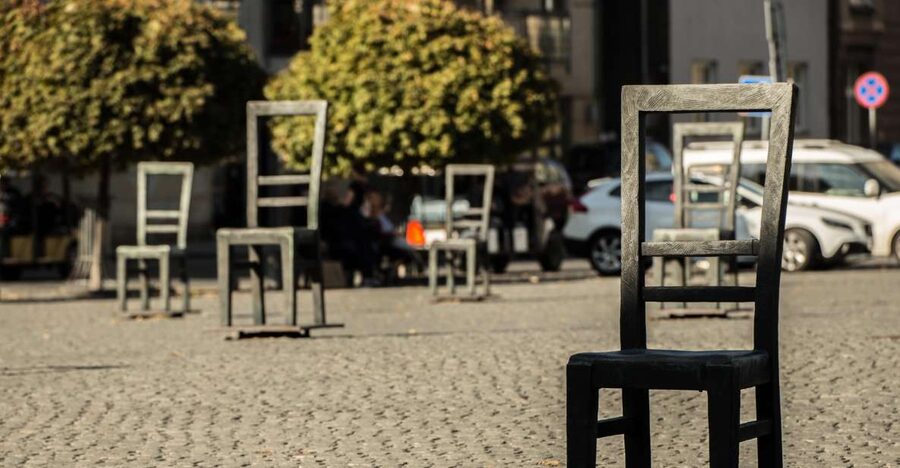
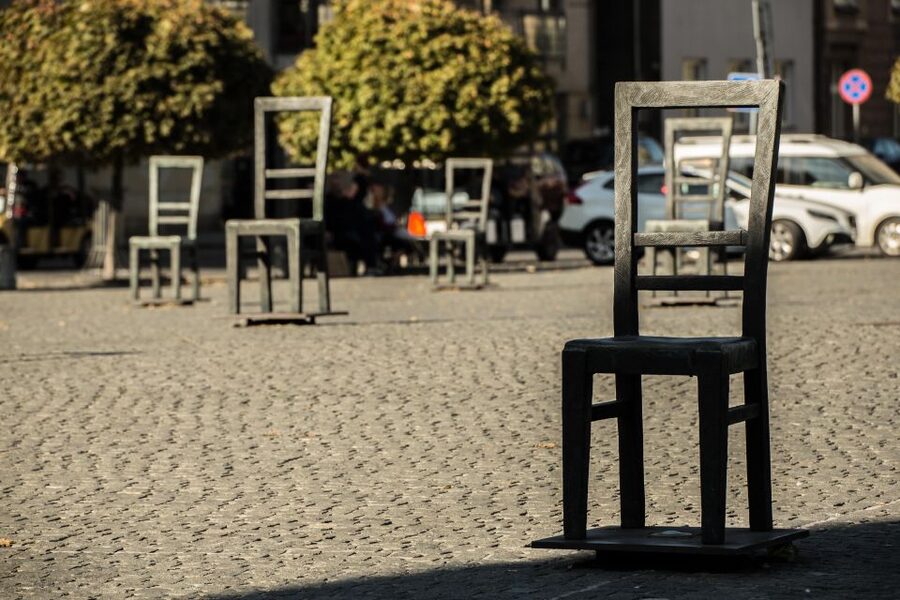
- Concrete ghetto landmarks, including Józefińska 41 and Ghetto Heroes Square
- Under the Eagle Pharmacy stop from the outside, focused on stories of help, with no entry
Schindler’s Factory Museum and the Jewish Ghetto, in One 3-Hour Arc
This tour is built as a single story you can follow in real space. You begin at Schindler’s Factory Museum, then you walk into the Jewish wartime district and hit several key sites tied to everyday life under occupation. It is not only about Oskar Schindler as a famous name, it’s about what life meant for Kraków residents when the city was under Nazi control.
You’ll spend about 3 hours total, so it’s long enough to feel substantial but short enough to keep your day moving. The price is $57 per person, and the value comes from two things: a fast-track entry into one of Kraków’s most visited museums, plus a guided walking segment that connects the museum story to the neighborhood streets.
More Schindler's Factory tours to compare:
- Krakow: Oskar Schindler’s Factory Entry Ticket & Guided Tour
★ 4.2 · 3,793 reviews - Krakow: Schindler’s Factory Tour with Entrance Ticket
★ 4.5 · 3,182 reviews - Krakow: Schindler’s Factory Skip-the-Line Ticket
★ 4.4 · 3,105 reviews
Is $57 a good deal here? What you actually get for your money
At $57 for a 3-hour guided experience, you’re paying for expertise and for time saved. The fast-track admission helps you skip the ticket line at Schindler’s Factory, which matters because this place is busy.
More important, the tour is not just a museum ticket plus a casual walk. You get a licensed guide, the museum portion is structured around a specific exhibition about Kraków under Nazi occupation, and the walking segment has defined stops that explain what those buildings and open spaces meant during the war.
Two practical notes to keep your expectations grounded. First, the tour does not include food and drinks, so plan to eat before or after on your own. Second, because the museum is popular, you should be mentally ready for some crowding, which can affect how quickly you move through rooms.
Meeting point and timing: how to avoid the common stress
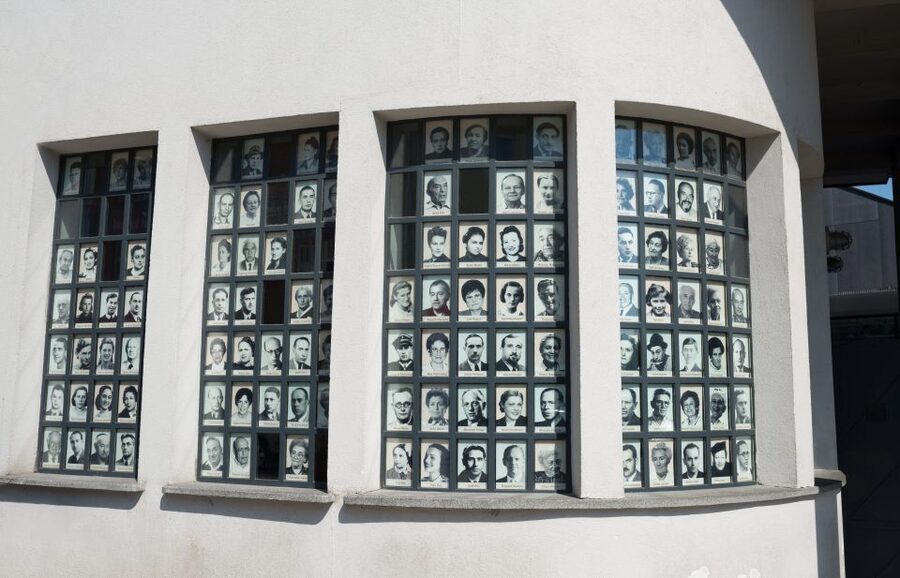
Meet your guide at the main entrance to Schindler’s Factory Museum, on the right-hand side, where they hold a sign for the Guided Tour. Arrive at least 10 minutes early. Once the group enters, late arrivals can’t be accommodated, and tickets are non-refundable.
This matters more than it sounds. The museum route is designed with narrow passages and an immersive layout, so the group can’t stretch out and wander. If you show up late, you lose the flow, and the guide has no way to wait without throwing off the schedule.
Also, plan for the weather during the walk. In colder months, the ghetto walking part can feel quite chilly, so layers and warm outerwear are worth it.
Entering Schindler’s Enamel Factory Museum, where context is built first
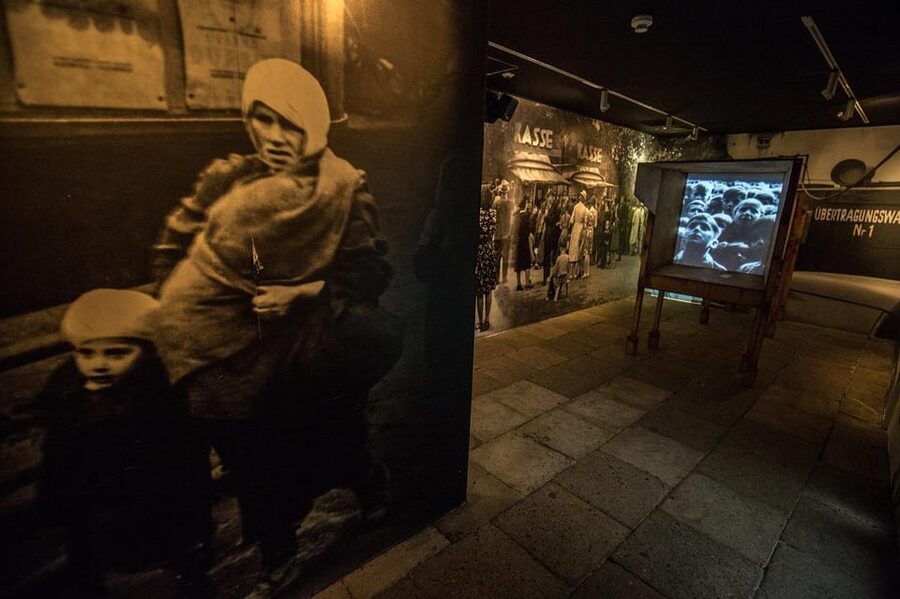
Schindler’s Factory is the star, and it’s also the reason this combo works. The museum is in the former enamel factory building, and that physical space helps you understand why the story of Schindler’s choices is tied to real workplace and bureaucratic power.
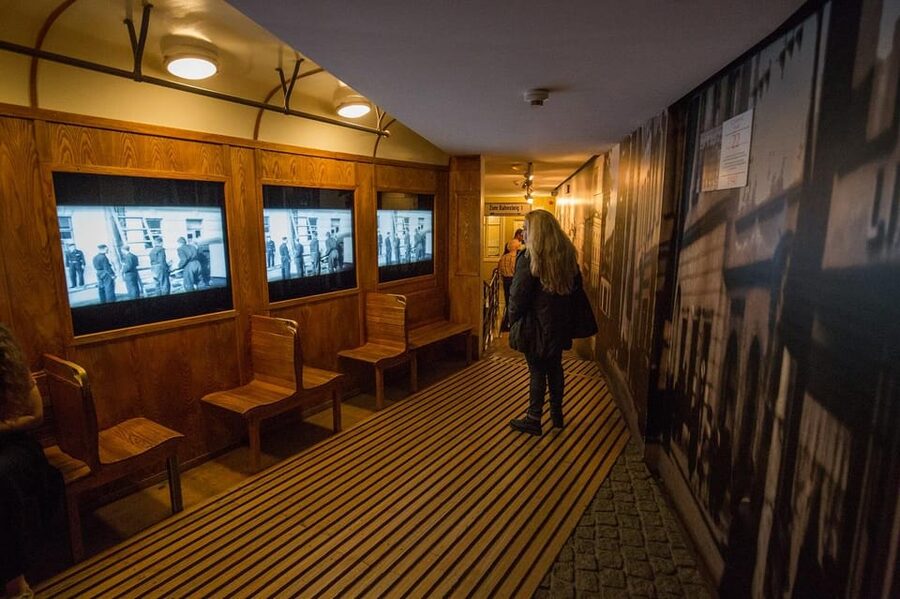
Inside, you’re not walking through random rooms. The tour focuses on a major exhibition titled Kraków under Nazi Occupation 1939-1945. It’s presented through photographs, personal objects, and period-style reconstructions that aim to show fear, uncertainty, and daily struggle.
You’ll learn how Schindler’s influence was used to protect Jewish workers and how more than a thousand men and women survived because of his actions. The guide ties this story to the broader reality of the city under siege, so you’re not stuck with one hero narrative detached from the rest of Kraków.
One small clarification that helps: the building no longer contains original production equipment. That’s good to know, because it means you’re visiting an exhibit that interprets history, not an intact factory line from the 1940s.
More Jewish quarter and heritage tours to compare:
- Krakow: Schindler’s Factory & Ghetto Guided Tour
★ 4.7 · 1,694 reviews - Krakow: Jewish Quarter and Former Ghetto Tour
★ 4.9 · 1,441 reviews - Krakow: Bike Tour of Old Town, Jewish Quarter and the Ghetto
★ 4.9 · 1,155 reviews - Krakow: Kazimierz Jewish Quarter Walking Tour
★ 4.8 · 571 reviews
The exhibition experience: original artifacts plus reconstructed streets
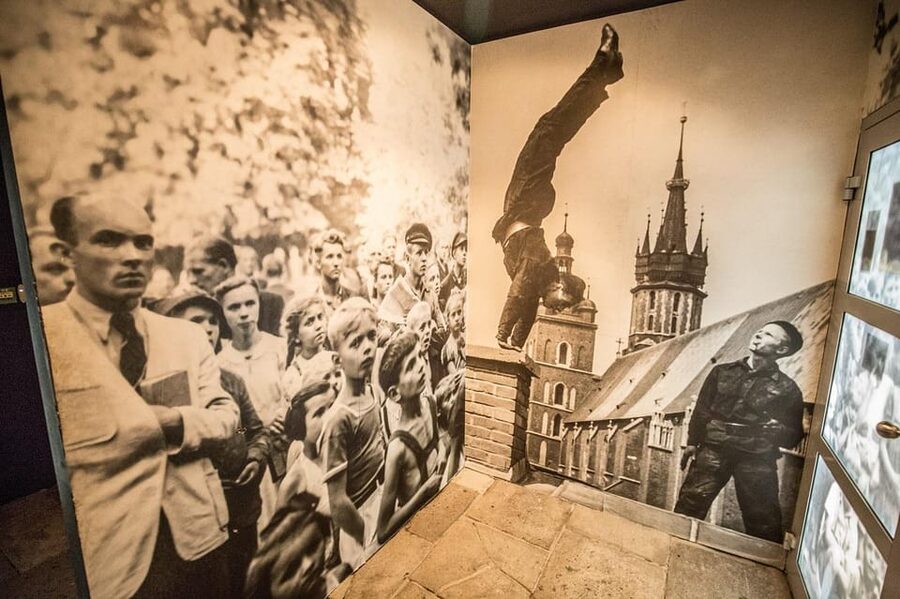
The museum portion is the heart of the tour, and it is designed to be emotional without being vague. You’ll see original artifacts along with authentic reconstructions from the wartime period. That mix helps you connect big themes with objects you can actually look at.
A lot of the strongest moments come when the guide ties the visuals to daily routines. The goal is not only to tell you what happened, it’s to show you what life looked like under occupation for both Jewish and non-Jewish residents.
If you’re someone who likes to read every label and linger on photos, here’s the balance to strike. The museum is extremely popular, and the guided route can feel fast compared with independent wandering. Some groups have wanted more time in the museum to take in photos and exhibits at their own pace.
The walking transition: from the factory story to the ghetto streets
Once you leave the museum, the tour becomes place-based. The walking part starts among remnants of the Kraków Ghetto, then it moves deeper into the district where the guide points out specific buildings and open spaces that mattered during the war.
This is where doing the factory first pays off. The museum gives you the emotional and historical framework, so the neighborhood stops don’t feel like a random list of sights. Instead, each place becomes a clue to how the ghetto system worked in practice, day-to-day.
The walk is also where you’ll feel the time constraints most. The tour is only 3 hours, so the guide has to keep things moving. If you’re expecting a slow, photographic street walk, you may want to schedule extra time in Kraków on your own afterward.
Józefińska 41: orphanage, welfare offices, and hospital in the ghetto
One of the most meaningful stops is Józefińska 41. The guide explains that this building was tied to an orphanage, welfare offices, and a hospital. In other words, it was not only a place of confinement, it was also a place where basic human needs were handled under brutal conditions.
That detail matters. Many visitors come expecting war history to be only about deportations and round-ups. This stop reminds you that people still needed care, paperwork, medicine, and shelter, even as the Nazis tightened the system.
As you’re told the role of these institutions, look at the surroundings with new eyes. You’re seeing the wartime geography of survival. It’s a different kind of history than a timeline in a textbook.
Ghetto Heroes Square and the Chair Memorial
Next comes Ghetto Heroes Square, marked today by the symbolic Chair Memorial. Here, the guide connects the open space with the mechanisms of terror, including round-ups and deportations to concentration camps.
This stop is brief but powerful because it shows how public space became part of the machinery of persecution. A square is supposed to be open and communal. Under occupation, that openness could become a trap.
If you’re traveling with anyone who struggles with heavy history, this is a good place to pause. Even if you don’t absorb every detail, the visual symbolism gives you something to hold onto while the guide explains the context.
Under the Eagle Pharmacy: help in action, even when it was dangerous
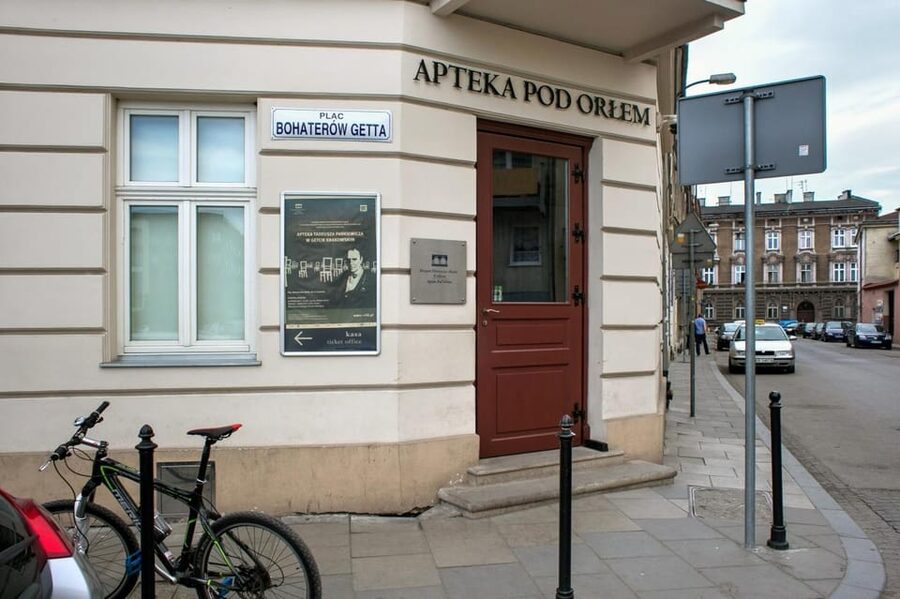
The Under the Eagle Pharmacy stop is one of the tour’s most specific points. The guide shares the stories connected to Tadeusz Pankiewicz and his staff, who risked everything to aid Jewish residents by providing medicine, shelter, and hope.
Important practical detail: there is no entry. You view it as a stop tied to the story, not as a shop you walk through. So dress for the street portion, because you’ll be outside.
This stop also balances the darker parts of the experience. You don’t just learn about oppression. You see that people tried to keep others alive, and they did it through ordinary tools like medical aid and safe space, even when the risk was immense.
Some visitors wished for more time at this stop, so if this is the part you care about most, keep your questions ready and listen closely. The guide will pack a lot into the minutes you have outside.
Guide quality and group size: why it can feel personal
A licensed guide runs the whole experience. Many groups have praised guides like Bartholomew, Joanna, Alicja, Magda, and Phil for clear communication and the ability to answer questions.
Group size is limited to 25 people. That ceiling helps keep things workable, and when the group is smaller, it’s easier to move through the museum route and stay with the guide. If you are someone who hates being stuck behind a shoulder, small-group energy is a real part of the value here.
Language options are also a key practical point. Tours run in a single language per group, and the available languages are French, English, Spanish, German, and Italian. Make sure you pick your preferred language at booking so you get the full explanation, not a partial one.
Pacing and what to watch for during the museum rooms
The biggest “watch-out” is time. The museum is popular and busy, and the guided route can feel rushed if you want to pause on every exhibit. One group specifically noted that independent visitors could roam at their own pace, while the guided group moved more quickly.
The other pacing issue is repetition risk. Because the walking stops relate directly to the museum themes, you may hear some of the same ideas again when you get outside. That repetition can be helpful if the connection is new to you. If you already read every label in the museum, it might feel redundant.
My advice: go in ready to listen first, then absorb on your own afterward. If you want to photograph things, plan for quick looks during the tour and slow down after, when possible.
Who this tour suits best (and who might want to plan differently)
I think this tour is a great fit if you want a guided path through a difficult subject, with specific places you can revisit later. It’s also ideal if you like narratives that connect personal stories, artifacts, and actual streets.
You’ll likely enjoy it more if you:
- Like structure, since the route is built to teach you the city’s wartime reality
- Want context for Schindler beyond the headlines
- Appreciate clear explanations and Q and A style learning
It might feel less ideal if you:
- Need lots of unscheduled time in a museum, with zero rushing
- Prefer a lighter overview rather than a focused, serious tour
- Want to enter the Under the Eagle Pharmacy, since you only stop outside
Practical tips to make the 3 hours feel easier
Bring a jacket and wear shoes that handle short walking segments well. The ghetto district can feel cold, and the museum layout includes narrow passageways, so comfort helps.
Plan to avoid packing big food needs into the day. No food and drinks are included, so eat before you go or right after.
Finally, take note that personalized tickets require the full names of all participants at booking. Double-check spelling, and arrive early enough to prevent last-minute stress.
Should you book this tour?
Yes, I’d book it if you want the strongest connection between Schindler’s story and the lived reality of Kraków under Nazi occupation. The factory museum sets context, and the walking stops give you named locations like Józefińska 41, Ghetto Heroes Square, and the Under the Eagle Pharmacy, so you come away with more than general impressions.
I’d only hesitate if you know you get frustrated by crowds or if you want a slow, self-paced museum experience. In that case, consider adding extra free time before or after the tour so you can linger where the guide has to keep moving.
FAQ
How long is the Schindler’s Factory and Jewish Ghetto guided tour?
The tour lasts about 3 hours.
Where do we meet the guide?
Meet your guide in front of the main entrance to Schindler’s Factory Museum, on the right-hand side, where they hold a Guided Tour sign.
Is fast-track admission included?
Yes, you get fast-track admission to Schindler’s Factory.
What languages are available for the live guide?
The live tour guide is available in French, English, Spanish, German, and Italian.
How many people are in a group?
Group size is limited to 25 participants.
What is included in the tour price?
Included are a professional licensed guide, fast-track admission to Schindler’s Factory, and a walking tour of the Jewish wartime district.
Is there food or drinks included?
No, food and drinks are not included.
Can I enter Under the Eagle Pharmacy during the tour?
No entry is included. It is a stop for stories of help.
What should I do if I arrive late?
Arrive at least 10 minutes early. Once the group has entered, late arrivals cannot be accommodated, and tickets are non-refundable.
Do I need to provide names for tickets?
Yes. The museum issues personalized tickets, and providing full names of all participants at booking is mandatory to avoid denied entry.
Recently reviewed around Krakow
- Wawel Castle and Cathedral Guided Tour★ 4.6 · 44 reviews
- Walking Tour: Kazimierz, Jewish Quarter – 2-Hours of Magic!★ 4.7 · 35 reviews
- Wawel Castle and Cathedral Guided Tour★ 5.0 · 8 reviews
- Kraków Holocaust Tour★ 4.9 · 5 reviews
- Wadowice and Kalwaria: John Paul II Route★ 4.8 · 5 reviews
- VIP Club Entry and Booth Booking★ 5.0 · 4 reviews
- Walking Tour of Krakow: Old town – 2-Hours of Magic★ 4.7 · 5 reviews
- From Krakow: Wadowice & Sanctuary of Divine Mercy Tour★ 4.8 · 69 reviews