
Reviewed · JOHN PAUL II & WADOWICE TOURS
Łagiewniki-Sanctuary of Divine Mercy and John Paul II
This is an especially meaningful day out because you’re combining two of Poland’s best-known spiritual sites, all in one smooth 5-hour loop from Kraków. I love the way the tour pairs prayerful spaces with clear context, so you’re not just looking at buildings, you’re understanding what people come here for. I also like that you get a guided visit plus an observation point, so the day has both head and heart. One possible drawback: since food and drinks are not included, you’ll want to plan around meals so you’re not hungry while you’re trying to take your time.
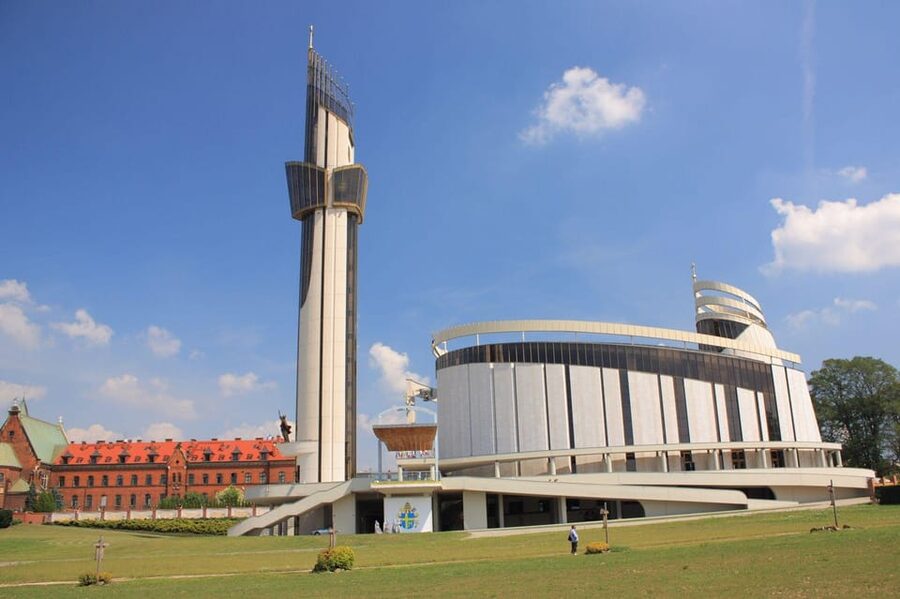
You’ll start at the Sanctuary of Divine Mercy, tied to the life of St. Faustina Kowalska and her message of God’s boundless love and forgiveness. Then you’ll continue to the Sanctuary of John Paul II at the Have No Fear Center, where the church, museum, and exhibits fill in the story of the pope you can’t ignore if you’ve been following European history.
In practice, this kind of tour works best if you like asking questions and moving at a human pace. The guides you might be assigned, including Alexandra and Oleksandra, get praised for being patient, detailed, and not rushing people.
Key things to know before you go to Łagiewniki
- A focused half-day itinerary: You get Divine Mercy first, then John Paul II, with enough time to actually look and absorb.
- St Faustina context, not just sightseeing: You’ll hear why her visions and devotion are central to the sanctuary.
- Observation Tower visit included: It adds a practical change of perspective to mostly indoor, reflective spaces.
- Have No Fear Center is a whole package: You’re not only touring a church, you’re also seeing exhibits and a museum.
- Your guide matters here: Guides like Alexandra and Oleksandra are singled out for answering questions and tailoring the pace.
Kraków pickup and the 5-hour rhythm that keeps it from dragging
The tour begins with pickup in Kraków, then you’re transported to Łagiewniki for a guided loop that lasts about 5 hours total. That timing matters. This is not a full day where you can wander endlessly and still feel fresh, so the schedule is built for “see the key points, get meaning, move on” without feeling like a sprint.
On the ride out, you may get a hint of Polish countryside scenery around the edges of Kraków, which helps the day feel like a real change of setting rather than just a quick drive across town. When a route includes even a little scenery, it makes the arrival feel less abrupt.
Language options are a big deal for a day like this. The live guide is available in English, Polish, Ukrainian, and Russian, so you can choose the language that lets the religious and historical details land clearly, not fuzzily.
One small practical point: because food and drinks are not included, I treat this as a morning or early-afternoon outing and plan a meal either before pickup or right after you return to Kraków.
More John Paul II and Wadowice trips to compare:
- Krakow: Pope John Paul II Guided Tour with Home & Sanctuary
★ 4.9 · 104 reviews - Krakow: Black Madonna of Częstochowa & Home of John Paul II
★ 4.8 · 97 reviews - From Krakow: Full-Day Wadowice & Czestochowa Tour
★ 4.9 · 77 reviews
The Sanctuary of Divine Mercy: why St Faustina’s story drives everything
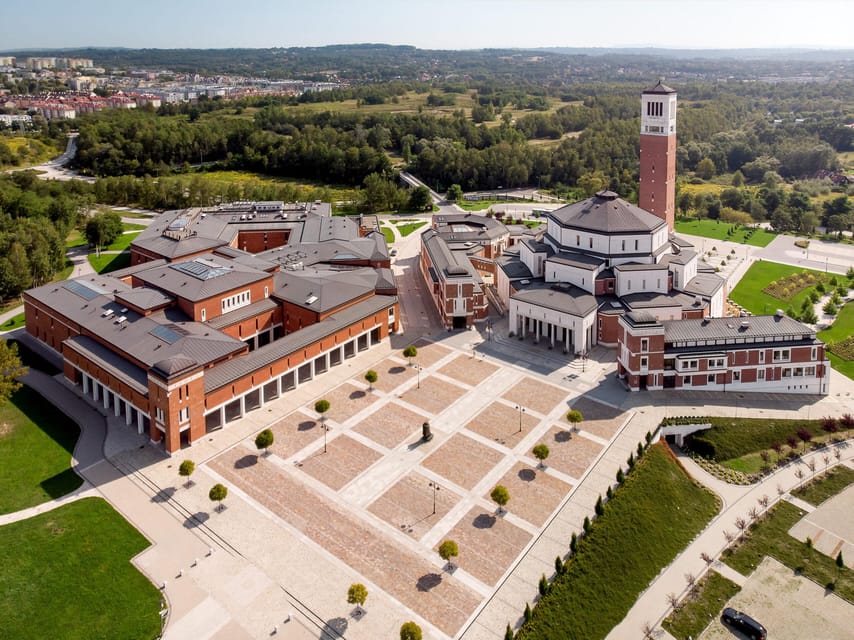
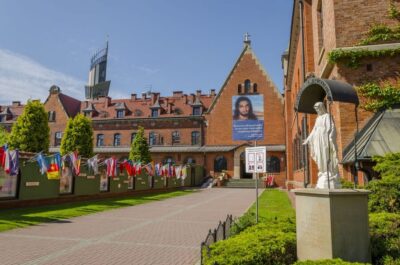
Your first major stop is the Sanctuary of Divine Mercy, closely tied to the life and mission of St. Faustina Kowalska. This is the kind of place where the main sights make more sense once you know what devotion people associate with these spaces. That’s exactly what the guided format helps with.
St Faustina’s tomb and the heart of the devotion
St. Faustina’s tomb is described as a focal point for prayer and reflection within the sanctuary. In a self-guided visit, you might see the tomb and assume you’re getting the gist. With a guide, you’re more likely to understand why pilgrims center their hopes and reflections around her and her message.
The story connected here is the devotion to God’s love and forgiveness. That theme isn’t just trivia. It changes how you experience the basilica. Instead of reading it as a building with impressive features, you start to read it as a setting built for a specific kind of spiritual conversation.
The main basilica: modern design, sacred atmosphere
The main basilica is called modern in design, but it still feels grounded in sacred history. That combination can be surprising at first. A lot of European churches lean heavily toward one “style” feeling. Here, you get something more contemporary visually, but the atmosphere stays calm, prayer-friendly, and contemplative.
This is one reason a guided tour is valuable. When the architecture feels modern, it’s easier to question what is traditional and what is new. Your guide helps sort out how the sanctuary’s purpose shapes the design.
Another way to spend a day around Krakow:
- From Krakow: Auschwitz-Birkenau Guided Tour & Hotel Pickup
★ 4.5 · 33,358 reviews - From Krakow: Auschwitz-Birkenau Guided Tour & Hotel Pickup
★ 4.5 · 29,340 reviews - Krakow: Auschwitz Guided Tour with Optional Hotel Pickup
★ 4.5 · 15,280 reviews - Krakow–Zakopane: Cable Car, Chocholow Baths, Cheese & Vodka
★ 5.0 · 10,720 reviews
The St Faustina museum adds context
The tour also includes a Museum of Saint Faustina visit. Museums at religious sites can go two ways. Some are mostly objects without connection. Here, the museum visit is part of the broader sense of mission, tied back to the message of Divine Mercy. Even if you’re not the type who loves long indoor exhibits, I find these museums help you leave with at least a few concrete anchors, not just emotions.
A guide who answers questions patiently can make the museum feel shorter and more useful, not like a forced add-on. In fact, guides in this experience get praised for catering to people’s interests and not rushing through important parts.
The observation tower: a practical break in pace and perspective
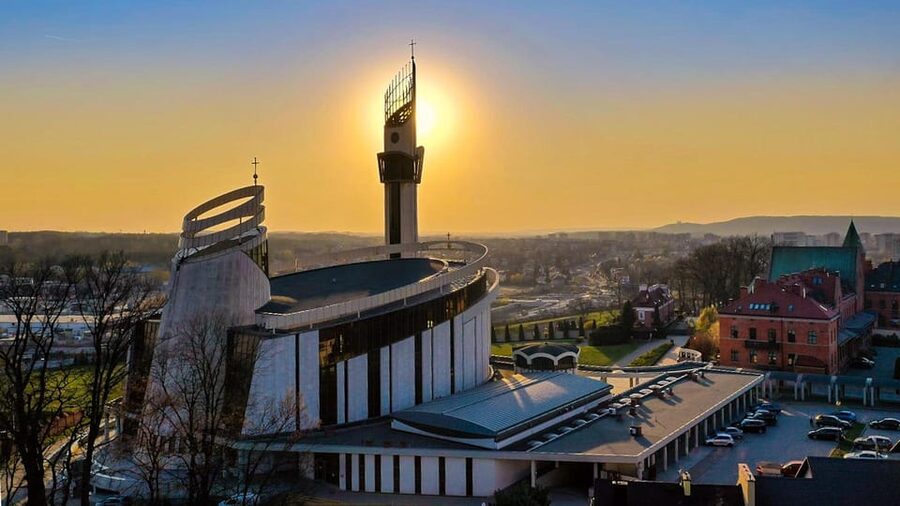
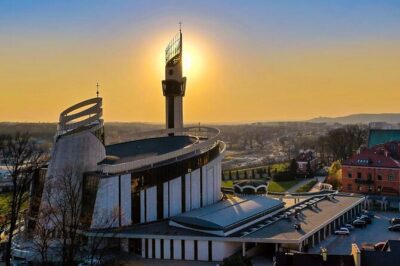
After you’ve focused on prayer spaces and interior storytelling, you’ll head to the Observation Tower, which is included. This is more than a token view. It gives your eyes a reset.
From an observation point, you can usually understand how a complex sits in its surroundings and how different buildings relate to each other. That matters because sanctuaries can feel like separate “stops” when you’re inside. Looking out helps you stitch the places together in your mind.
Even if you’re not a big viewpoint person, I like observation stops on guided days because they break the monotony of standing in lines or moving only from one interior room to another. They also give you a simple “done for now” moment where you can take photos, check directions, and gather your thoughts before you move on to the next site.
Sanctuary of St John Paul II and the Have No Fear Center
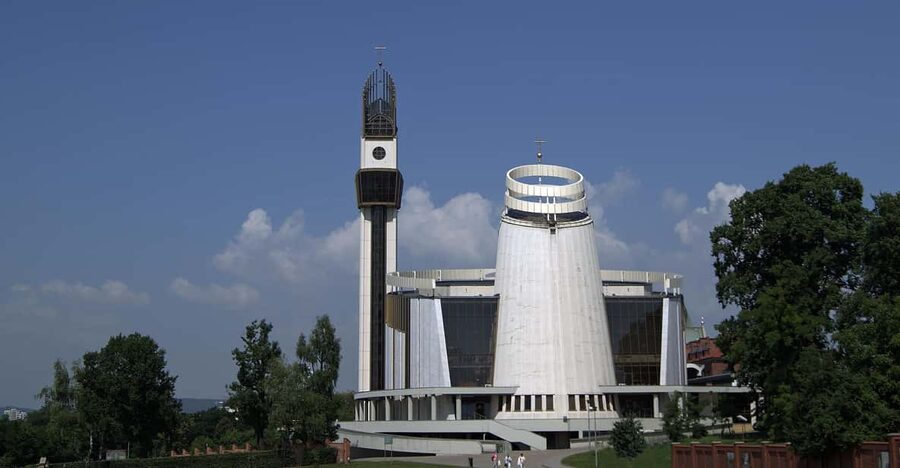
Next you travel a short distance to the Sanctuary of John Paul II, dedicated to the life and legacy of the beloved pope. This stop is part of the Have No Fear Center, and that name is more than catchy branding. It signals the tone of the exhibits and the overall story you’ll be walking through.
A center with church, museum, and exhibits
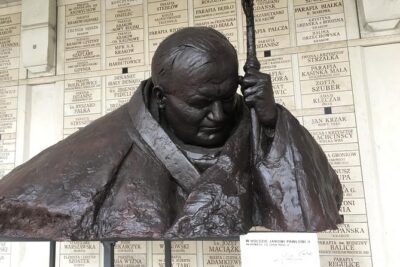
The Have No Fear Center includes a church, a museum, and various exhibits detailing John Paul II’s life and teachings, plus significant moments from his papacy. That makes this stop more than a single building visit. You’re moving through a set of spaces that aim to show the pope as both a person and a public spiritual force.
If your background is light on papal history, this museum-and-exhibit structure helps. Instead of you guessing what you’re seeing, your guide can connect the dots so you understand why certain moments get highlighted.
Architecture that blends modern and traditional elements
The architecture here blends modernity with traditional elements. I like this kind of design because it mirrors how many visitors feel. John Paul II is both historical and deeply present in modern cultural memory. The setting tries to hold that tension at the same time.
A guide’s role becomes even more important in a place like this. When architecture shifts style, it can change the emotional tone of the visit. A good guide can help you read the shift as intentional, not random.
How this stop complements Divine Mercy
Putting Divine Mercy and John Paul II in the same half-day isn’t random. They connect through the broader Catholic story of faith lived through personal witness, devotion, and public impact. After you’ve spent time reflecting on St. Faustina’s message of mercy and forgiveness, you’ll move into the story of a pope remembered for courage and moral clarity.
That contrast is useful. You’re not just accumulating two religious sites. You’re seeing how different kinds of influence, personal devotion and global leadership, show up in physical spaces.
Price and value: what $122 buys in real-world terms
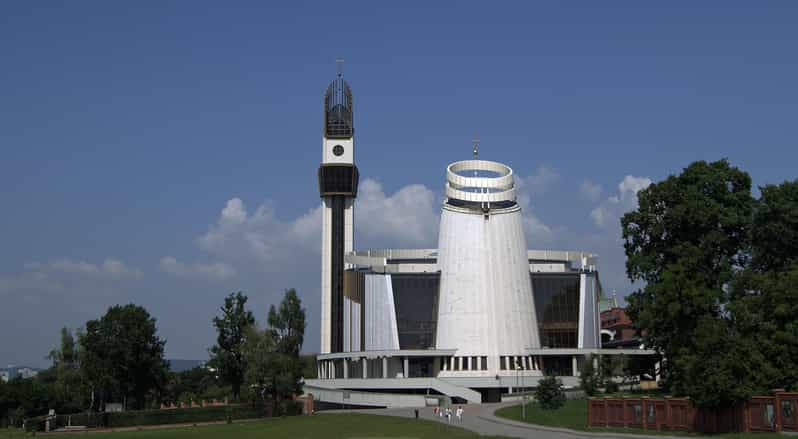
The price is $122 per person for a 5-hour experience with hotel pickup and drop-off, transportation, and a live guide. It also includes multiple site experiences: the observation tower and the museum tied to St. Faustina, plus guided visits within the sanctuaries.
So what’s the value? I see three practical wins.
First, you’re saving time and decision-making. Going on your own usually means figuring out transport, timing, and how long to linger in each place. Here, the schedule is built to prevent you from missing key areas or feeling lost at transitions.
Second, you’re buying meaning, not just access. The sanctuaries are strong on atmosphere, but the historical and spiritual context can be hard to piece together alone. A live guide helps you connect what you see with why it matters.
Third, you’re getting a structured pacing tool. Observation tower plus museum plus two sanctuaries in one guided loop is a lot for one day. The guide’s job is to help you manage it without turning the visit into a blur.
The only recurring cost factor you control is food. Since food and drinks are not included, budget that separately. If you plan ahead, this tour still feels like a clean, all-in-one package for a half-day with two major stops.
What to expect from the guided part, and why guides are a big deal here
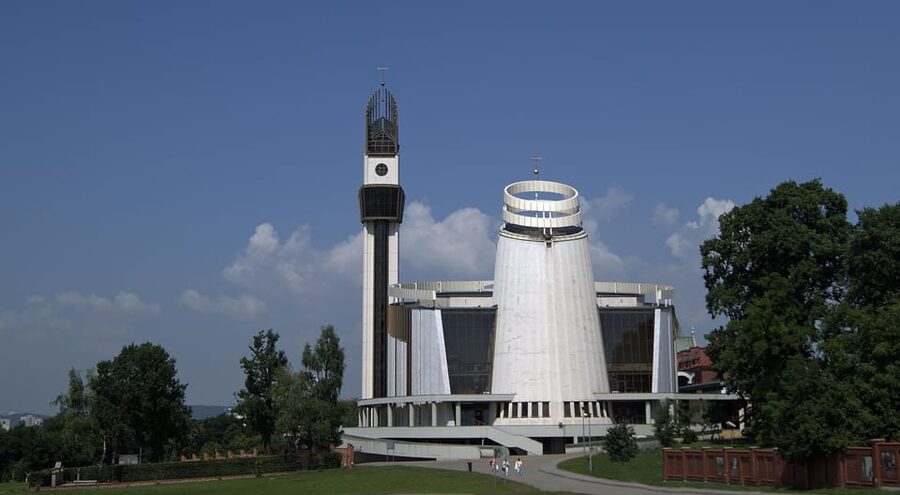
This is the kind of day where the guide can make the difference between “I saw it” and “I understood it.” The most praised aspect of this experience is how the guides work with individuals.
From the names mentioned in the experience feedback, Alexandra and Oleksandra are noted for being knowledgeable about both St. Faustina and John Paul II and for taking questions seriously. More importantly, they’re described as not rushing people and tailoring the visit to what matters to them. That matters at religious sites, because some people want to move quickly to see everything, while others need a few extra minutes to sit, read, and pray.
So I’d approach this tour with that mindset. Bring questions. If you have a specific curiosity about Divine Mercy devotion or about John Paul II’s role in Catholic life, this is exactly the kind of day where those questions can get good answers.
Who should book this Łagiewniki tour, and who might want a different plan
I’d strongly consider this tour if you:
- want a guided day that connects architecture, devotion, and context
- have limited time in Kraków and want the key religious stops done in one outing
- like meeting the story behind famous figures like St. Faustina and John Paul II
- appreciate a pace where you can ask questions and linger when needed
I’d think twice if you:
- want a purely self-led visit with lots of free time to wander without structure
- plan to snack constantly throughout the day, since food isn’t included
- prefer a longer, slower itinerary where you can spend extra time in each sacred space without a hard half-day limit
Should you book this Łagiewniki and John Paul II half-day tour?
I think it’s a smart booking if you want the experience to feel guided and meaningful, not just scenic and quick. You’re paying for transportation, a live multi-language guide, and access to the Sanctuary of Divine Mercy, St. Faustina’s museum, the Observation Tower, and the Have No Fear Center for John Paul II. That’s a lot packed into 5 hours, which is exactly the kind of structure that helps when you only have one half-day to spare.
Here’s my practical decision checklist:
- If you like getting context while you see the sights, book it.
- If you’re okay planning your own meal outside the tour, you’re set.
- If you want deep, unhurried time in each place, consider whether you need an extended itinerary instead of a single half-day loop.
If those points fit you, this is a solid, value-focused way to experience two of the most important spiritual destinations near Kraków.
Recently reviewed around Krakow
- Wawel Castle and Cathedral Guided Tour★ 4.6 · 44 reviews
- Walking Tour: Kazimierz, Jewish Quarter – 2-Hours of Magic!★ 4.7 · 35 reviews
- Wawel Castle and Cathedral Guided Tour★ 5.0 · 8 reviews
- Kraków Holocaust Tour★ 4.9 · 5 reviews
- Wadowice and Kalwaria: John Paul II Route★ 4.8 · 5 reviews
- VIP Club Entry and Booth Booking★ 5.0 · 4 reviews
- Walking Tour of Krakow: Old town – 2-Hours of Magic★ 4.7 · 5 reviews
- Krakow: Zakopane, Thermal Baths and Gorce Park Treetop Walk★ 5.0 · 3 reviews
John Paul II & Wadowice Tours, compared.
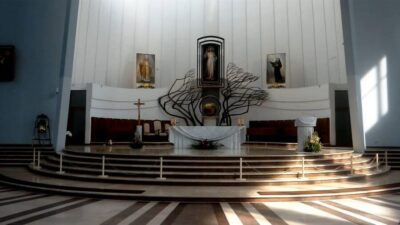
Pope John Paul II Guided Tour with Home & Sanctuary
Read our review →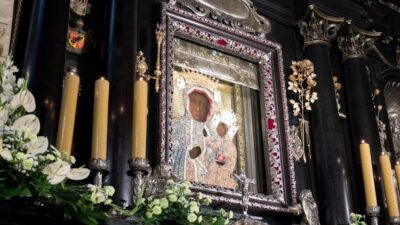
Black Madonna of Częstochowa & Home of John Paul II
Read our review →
Pope John Paul II History: Guided Tour – Home & Sanctuary
Read our review →
The Black Madonna of Czestochowa & John Paul II Family Home
Read our review →
Private Catholic Tour about John Paul II, St. Faustina & The Divine Mercy Shrine
Read our review →Browse the lists this tour appears in